


Choosing Neutral Cure Silicone for Glazing and Curtain Walls

- Why Neutral Cure Silicones Matter in High-Performance Glazing
- Chemistry and the cure byproduct
- Performance advantages for curtain walls
- Common misconceptions I correct on projects
- Selecting the Right Neutral Silicone for Curtain Walls
- Substrate compatibility and primers
- Joint design, movement and classification
- Testing, standards and specification language
- Specification, installation and maintenance—practical guidance
- Surface preparation and primer selection
- Tooling, cure time and environmental limits
- Long-term inspection and maintenance
- Why I recommend KINGDELI for neutral silicone sealant supply
- Frequently Asked Questions
I write this as a practitioner: when I specify a neutral silicone sealant for glazing and curtain walls I’m balancing chemistry, substrate compatibility, long-term elasticity and the installation realities on-site—my goal is to reduce risk, avoid cold-joint failures, and ensure façade longevity while meeting ASTM and ISO expectations.
Why Neutral Cure Silicones Matter in High-Performance Glazing
Chemistry and the cure byproduct
In my experience the defining advantage of a neutral silicone sealant is its non-acidic cure byproduct—unlike acetic-cure silicones that release acetic acid (vinegar smell), neutral cure systems produce alcohol or oxime byproducts which are far less corrosive to metals and sensitive substrates. That change in chemistry often makes the difference between occasional staining and systemic corrosion on aluminum mullions or coated surfaces.
Performance advantages for curtain walls
I routinely specify neutral silicone sealant for curtain wall perimeter joints because it maintains elasticity (typically ±25% movement capability for high-modulus glazing silicones), resists UV degradation, and has superior long-term adhesion to anodized aluminum, coated glass, and stone when primers are used correctly. For high-rise façades the combination of elastic recovery and weatherability is why architects and façade engineers ask for neutral silicone as a primary option.
Common misconceptions I correct on projects
Contractors will sometimes assume all silicones are interchangeable; they are not. I correct three repeated misconceptions: (1) neutral silicone sealant is always paintable—only specific paintable formulations are; (2) neutral cure eliminates the need for primers—primers are still required for challenging substrates like porous stone or powdered-coated aluminum; (3) faster skin formation does not equal faster full cure—design and sequencing must respect full cure schedules to prevent joint loading while tacky.
Selecting the Right Neutral Silicone for Curtain Walls
Substrate compatibility and primers
From my field testing, neutral silicone sealant typically adheres well to anodized aluminum, structural glass, and many coated metals, but I always perform an adhesion test. When adhesion fails I specify a compatible primer recommended by the silicone manufacturer. For example, some fluoropolymer-coated AL panels require specific surface treatment or dedicated primers to achieve permanent adhesion.
Joint design, movement and classification
I design joints around expected movement: glazing joints often require a silicone with ±25% movement capability, whereas simple expansion joints can accept ±12.5%. The appropriate sealant modulus (high versus low modulus) is chosen based on deflection, moment transfer, and edge loads illustrated in the project’s façade engineering report.
Testing, standards and specification language
I always reference ASTM requirements when specifying neutral silicone sealant—primarily ASTM C920 for elastomeric joint sealants—and confirm that formulations meet relevant local codes. For quality-management expectations I check manufacturer certifications such as ISO 9001. For a practical primer on silicone chemistry I also point teams to general references like the overview on silicone.
Specification, installation and maintenance—practical guidance
Surface preparation and primer selection
In my install guides I insist on clean, dry surfaces free of oils, dust, release agents and curing compounds. For many façade systems a manufacturer-specified primer increases lifecycle adhesion; I document test panels and adhesion pull tests (ASTM adhesion tests) prior to full installation. When I see field adhesion below expected values I stop the job and retest rather than risk a costly repair.
Tooling, cure time and environmental limits
Tooling timing influences surface finish and bond. I teach crews to tool within the tack window and to avoid tooling too early where solvent or alcohol exudation can displace the sealant at the interface. Ambient temperature and humidity affect neutral silicone sealant cure—typical skin times range from 20 minutes to several hours depending on formulation and conditions; full mechanical properties evolve over 7–28 days.
Long-term inspection and maintenance
I specify routine façade inspections at 2–5 year intervals for sealant condition. Common degradation signs are loss of elasticity, adhesion failure at the bond line, or surface crazing. Preventive maintenance—such as cleaning and targeted re-sealing—extends service life far more economically than full replacement.
| Property | Neutral Silicone Sealant | Acetic Silicone Sealant | Polyurethane Sealant |
|---|---|---|---|
| Cure byproduct | Alcohol or oxime (non-acidic) | Acetic acid (vinegar odor) | Moisture-reactive (urethane linkages) |
| Substrate compatibility | Excellent for metals, glass, stone (with primer where needed) | Good for glass and ceramics; can corrode some metals | Good for concrete, wood; may require primers for metals |
| Paintability | Specific paintable grades available | Generally not paintable | Typically paintable after cure |
| UV/weather resistance | High | High | Lower unless specially formulated |
| Typical joint movement | ±12.5% to ±50% depending on grade | ±12.5% to ±25% | ±12.5% to ±25% |
| Reference standard | ASTM C920 commonly applied | ASTM C920 variants | ASTM C920 (polyurethane classifications) |
Why I recommend KINGDELI for neutral silicone sealant supply
Since its establishment in 1998, KINGDELI has stood as a global leader in the high-performance sealant, adhesive, and coating industry. Headquartered in Foshan, China, our state-of-the-art 66,000 m² facility is powered by fully automated production lines with an annual capacity exceeding 100,000 tons, ensuring a consistent and robust supply for partners worldwide.
As a recognized National High-Tech Enterprise and a key contributor to the National Standard GB/T 29755-2013, we unite advanced manufacturing power with technical excellence. Our comprehensive product portfolio—spanning Neutral & Acetic Silicone, Polyurethane, MS Polymer, and No More Nails adhesives—is engineered to meet strict international standards, including ISO 9001, ISO 14001, CE, and ASTM.
With over 27 years of industry expertise and a trusted presence in 50+ countries, KINGDELI is more than a manufacturer; we are a dedicated solution provider. We offer end-to-end OEM/ODM support, sustainable low-VOC formulations, and professional technical service. At KINGDELI, we are driven by innovation and integrity, building trust and sealing the future for customers around the globe.
From my project experience KINGDELI’s neutral silicone sealant grades and silicone glazing sealant formulations consistently passed adhesion tests and delivered predictable skin times in variable climates. I’ve seen their technical team support mock-ups and primer selections directly on job sites—an operational advantage when façade timelines are constrained.
Relevant KINGDELI products I specify include neutral silicone sealant, acetic silicone sealant, Acrylic Sealant, silicone glazing sealant, No More Nails adhesive, Polyurethane Sealant, MS polymer Sealant, RTV Gasket Maker, Epoxy Tile Grout and Self-Leveling Sealant—this breadth helps me standardize across trades and reduce supplier complexity. I also verify manufacturer certificates such as ISO 9001 and performance confirmations to align with project QA/QC plans.
Finally, my procurement notes: always request a product data sheet, safety data sheet, adhesion test records, and batch traceability when ordering neutral silicone sealant for critical glazing; KINGDELI provides these documents to support compliance and long-term warranty considerations.
If you want help selecting a neutral silicone sealant for a specific glazing or curtain wall project, I can review substrate lists, joint geometries and exposure conditions and recommend a tailored product and primer set based on proven test data.
Contact KINGDELI’s technical sales to request samples, technical data sheets and mock-up support.
Frequently Asked Questions
What is a neutral silicone sealant and how does it cure?
A neutral silicone sealant cures by releasing non-acidic byproducts such as alcohol or oxime, rather than acetic acid; this chemistry reduces corrosion risk on sensitive metals and coated surfaces and is described in the article section on chemistry and cure byproduct.
Why choose neutral silicone over acetic silicone for curtain walls?
I choose neutral silicone for curtain walls because it offers superior compatibility with metals and coated substrates, lower corrosion risk, better long-term elasticity, and improved suitability for primer use—advantages explained under 'Performance advantages for curtain walls'.
Do neutral silicones require primers for all substrates?
Not for all substrates; neutral silicone sealant bonds well to many metals and glass, but for porous materials, powder-coated metals, or fluoropolymer coatings a manufacturer-specified primer is often necessary—the 'Surface preparation and primer selection' section explains when to test and apply primers.
How long does neutral silicone sealant take to cure and what affects cure time?
Skin times vary from minutes to hours and full mechanical cure can take 7–28 days depending on ambient temperature, humidity and formulation; tooling timing and environmental conditions are covered in 'Tooling, cure time and environmental limits.'
What standards should I check when specifying neutral silicone sealant?
I reference ASTM C920 for elastomeric joint sealants and verify manufacturer certifications like ISO 9001; links to ASTM and ISO resources are provided in the 'Testing, standards and specification language' section.
Construction Sealant MOQ, Pricing, and Lead Time: Buyer Benchmarks
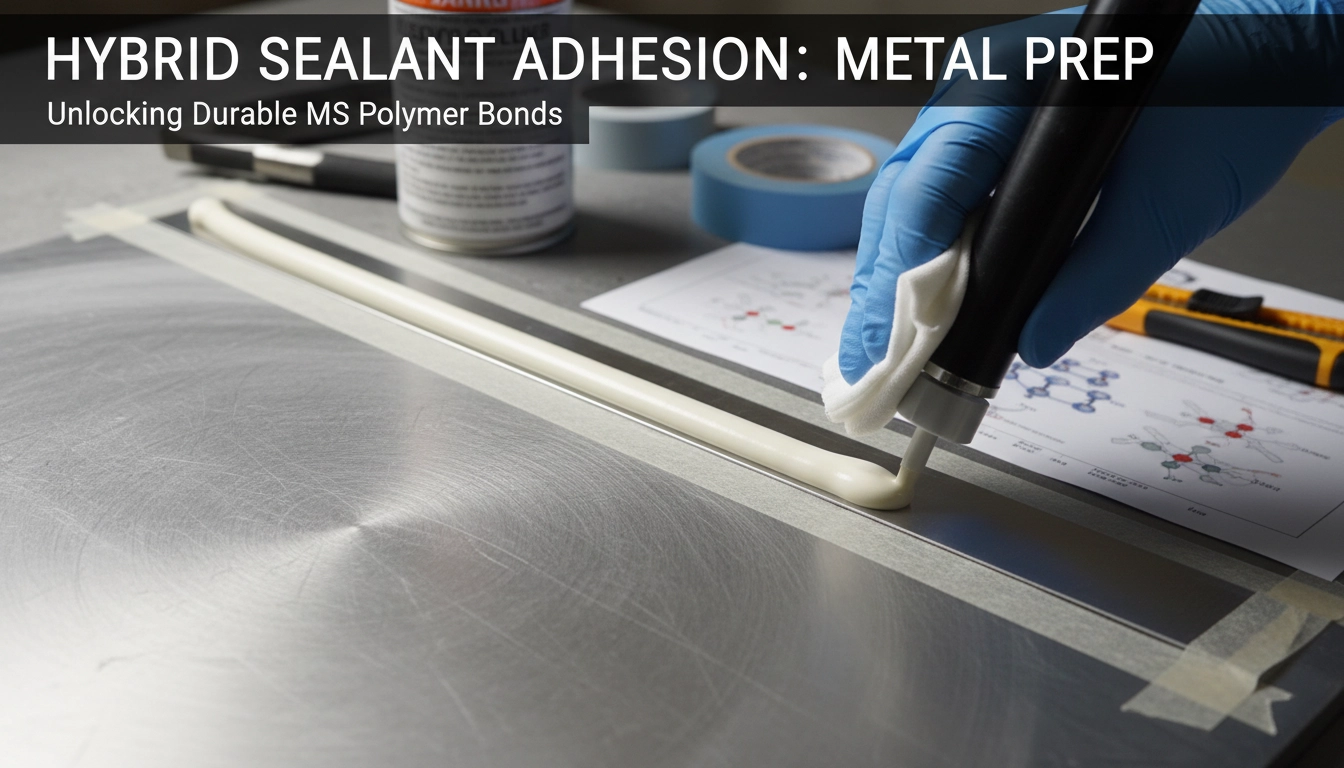
The Ultimate Guide to MS Sealant Adhesion to Metal: Unlocking Maximum Bond Strength
MOQ, Lead Time and Pricing for Bulk Polyurethane Windshield Orders
MS Silicone Sealant Compatibility with Paints and Coatings
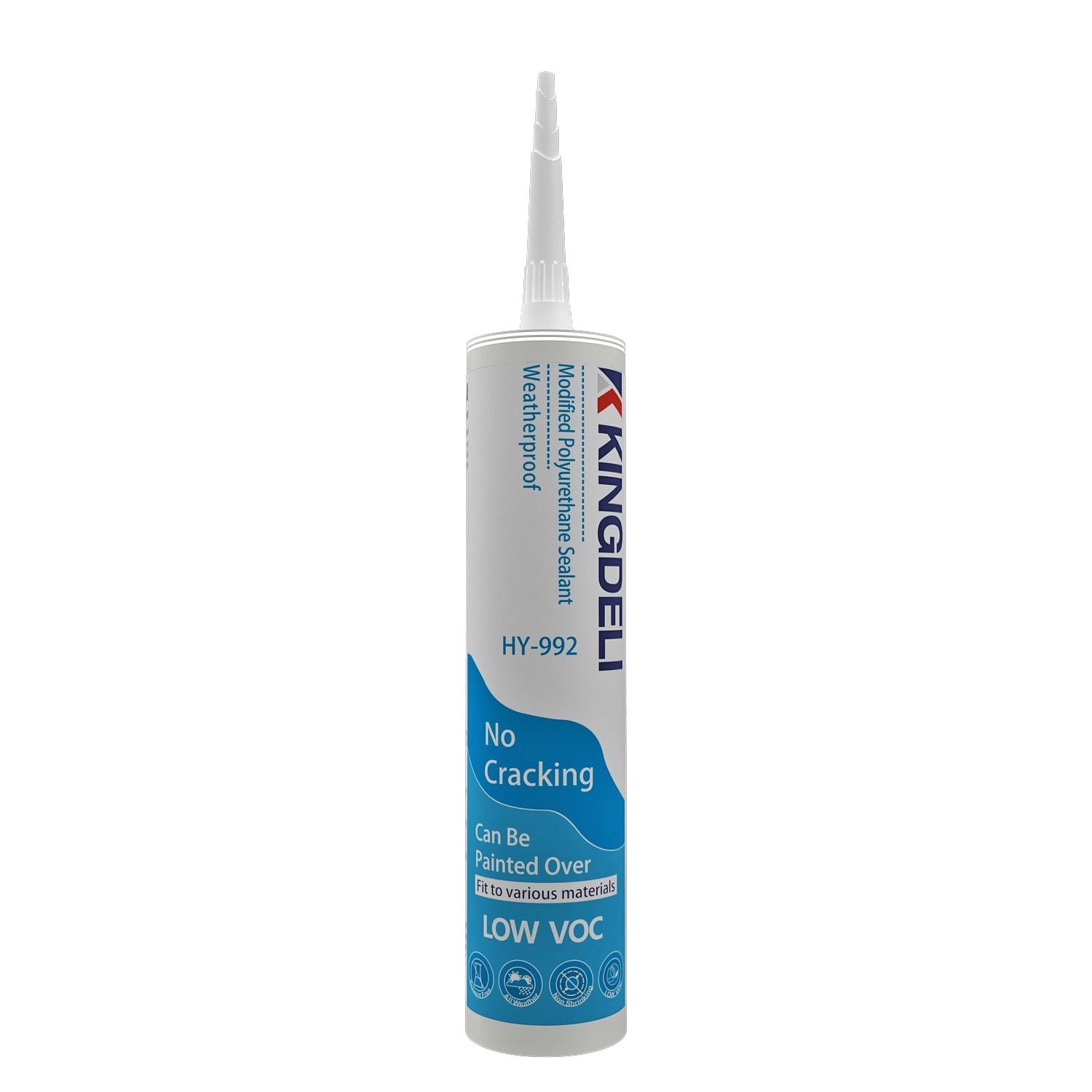
HY992 Modified Polyurethane Construction Sealant
HY992 Modified Polyurethane Sealant is a one-component, moisture-curing construction sealant designed for professional building and structural sealing applications. It provides excellent adhesion, weather resistance, and durable elasticity, making it suitable for a wide range of construction materials.
The formulation delivers strong bonding performance without corrosion or substrate contamination, while maintaining low VOC content for environmentally responsible construction projects.

HY995 Crystal Clear Ms Polymer Adhesive/Sealant
HY995 Crystal Clear Ms Polymer Adhesive/Sealant is a new generation MS Polymer adhesive / sealant formulated for all bonding and sealing applications where long term reliability is required. It has excellent bonding strength on various materials. It will cure to form a durable, flexible, waterproof seal.

HY997 High-Performance Anti-Microbial MS Polymer Sealant
HY997 MS polymer sealant for is is a premium one-component, neutral-curing modified silane sealant engineered for demanding interior applications. It offers a Class 20 movement capability, ensuring long-lasting flexibility and reliable performance under dynamic joint conditions. Curing at room temperature, HY997 delivers superior anti-microbial and mildew-resistant properties, maintaining hygienic and clean environments over time.
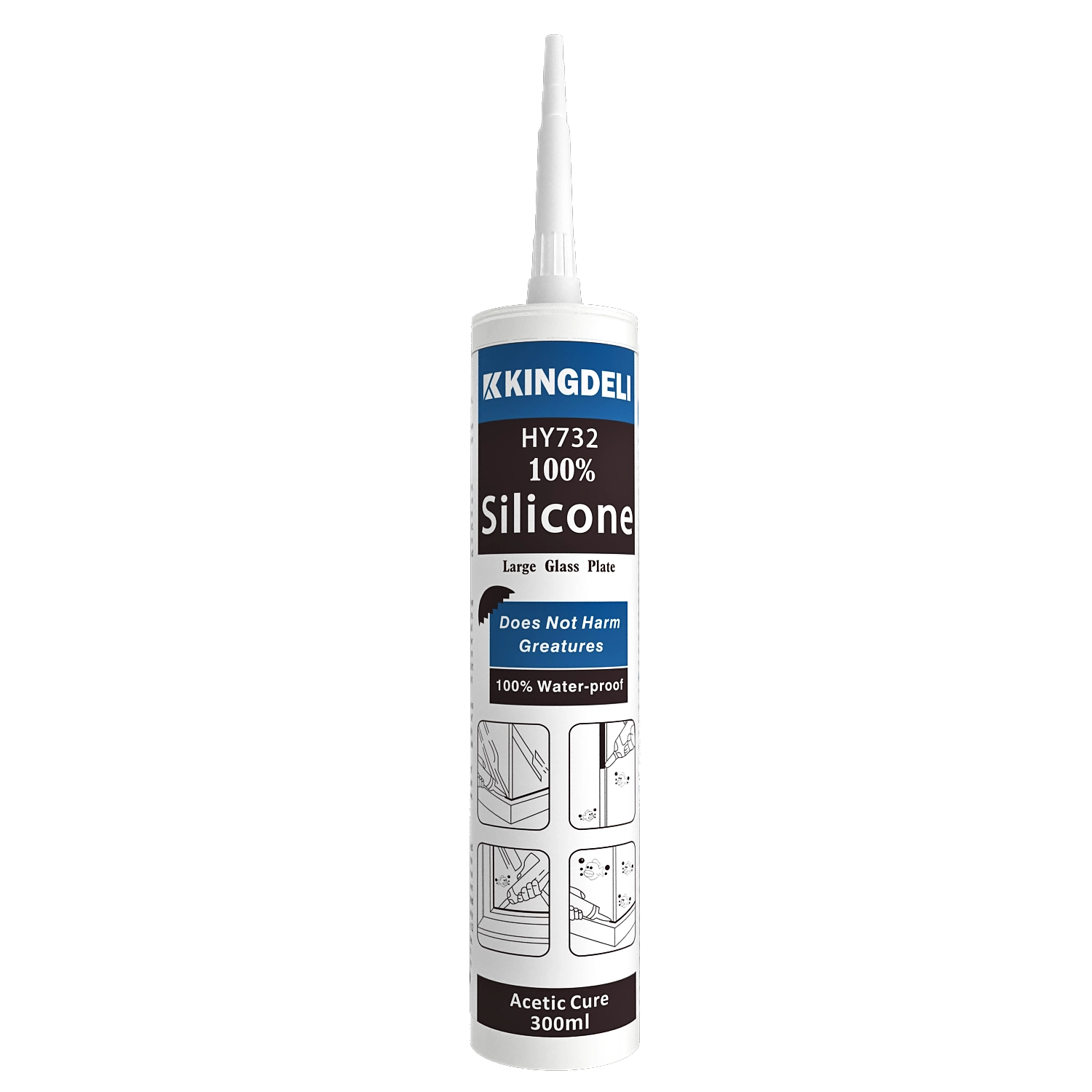
KINGDELI HY732 Professional Acetoxy Cure Silicone Sealant
KINGDELI HY732 is a professional-grade, one-component acetoxy cure silicone sealant designed for fast curing, strong adhesion, and long-lasting flexibility. Ideal for aquariums, glass applications, aluminum doors and windows, kitchens, and bathrooms, it provides reliable sealing performance with excellent anti-fungal protection in high-humidity environments.
Let’s Build Stronger Bonds with Quality Adhesives and Sealants
Have questions about the topic or need tailored sealant solutions for your project?
Our team is ready to provide expert guidance, product recommendations, and application support.
Innovating with Integrity, Bonding the World
Since 1998, KINGDELI has delivered trusted, sustainable sealant solutions that connect industries and inspire progress worldwide.
Whatsapp: +8618825946249
Kingdeli
Kingdeli
Kingdeli
Kingdeli
Kingdeli