











Neutral Cure Silicone Sealants: Advantages for OEM Applications

- Selecting Sealants for OEM Manufacturing
- Understanding OEM priorities and constraints
- Why chemistry matters: neutral vs. acetoxy cure
- Production line implications
- Neutral Cure Silicone: Technical Advantages
- Substrate compatibility and corrosion risk
- Adhesion performance across materials
- Long-term durability, weathering, and flexibility
- Application Cases & Comparisons
- Practical OEM use cases favoring neutral cure
- Comparative table: neutral cure vs acetic silicone sealant
- Data-driven verification
- Implementation & Supplier Considerations
- Specifying sealant for scale production
- Choosing between acetic silicone sealant and neutral options
- Supplier audit checklist and technical support
- Validating Performance — Test Protocols I Use
- Basic test matrix for qualification
- On-line process controls
- Common pitfalls and mitigation
- KINGDELI: Partnering for High-Performance OEM Sealants
- FAQ — Frequently Asked Questions
- 1. What is the main difference between neutral cure silicone and acetic silicone sealant?
- 2. Can I use neutral cure silicone on electronics assemblies?
- 3. Are neutral silicones always better than acetic silicones?
- 4. How should I validate a neutral silicone for OEM production?
- 5. What workplace controls are needed when using neutral cure silicones?
- 6. How doesKINGDELI support OEM customers in selecting the right product?
As an industry consultant and writer with extensive experience in sealants and adhesives for OEM production, I often help engineers and procurement teams choose the right silicone chemistry for high-volume manufacturing. In this article I examine why neutral cure silicone sealants frequently outperform alternatives for OEM applications, how they compare to acetic silicone sealant formulations, and practical steps to select and validate the correct product for your assembly line. I reference standards and technical sources so you can verify key claims and apply them directly in product design and supplier evaluation.
Selecting Sealants for OEM Manufacturing
Understanding OEM priorities and constraints
OEMs face unique requirements: high throughput, consistent quality, substrate diversity (e.g., metals, coated components, plastics, glass), long-term reliability, and regulatory pressures such as low-VOC targets. I always start by mapping those constraints to the sealant’s cure chemistry, adhesion profile, and handling characteristics. For many assemblies the right balance of fast handling time, broad substrate compatibility, minimal corrosion risk, and low odor points to neutral cure silicone.
Why chemistry matters: neutral vs. acetoxy cure
Silicone sealants cure by releasing a small-molecule byproduct. Acetoxy systems (often termed acetic or acetoxy cure) release acetic acid as they crosslink; neutral cure silicones release non-acidic byproducts such as alcohol, oxime, or alkoxy compounds. That difference explains most downstream performance and compatibility behaviors. For a general description of silicone chemistry see the overview on Wikipedia.
Production line implications
On the production floor, odor, corrosivity, and cleanup drive decisions. Acetic silicone sealant’s vinegar-like odor (acetic acid) can be tolerated in small repairs, but on enclosed lines it creates worker comfort and ventilation issues, potential corrosion to sensitive electronics, and paint adhesion challenges. Neutral cure types avoid many of these problems, simplifying facility requirements and reducing rework.
Neutral Cure Silicone: Technical Advantages
Substrate compatibility and corrosion risk
One of the strongest technical reasons I recommend neutral cure silicones for OEMs is substrate compatibility. Because acetic silicone sealant releases acetic acid during cure, it can attack reactive metals (e.g., copper, brass, some plated surfaces) and corrode electronic contacts if trapped. Neutral cure systems are far less likely to cause substrate corrosion, making them safer for assemblies containing sensitive metals and PCBs.
Adhesion performance across materials
Neutral cure silicones deliver durable adhesion to a wide range of substrates—including anodized aluminum, painted surfaces, plastics, glass, and ceramics—without needing primers in many cases. This broad adhesion reduces SKU complexity and accelerates assembly. When I qualify a neutral silicone, I review the manufacturer’s adhesion data and require peel/tensile tests on representative parts to confirm real-world performance.
Long-term durability, weathering, and flexibility
For OEM parts that must withstand thermal cycling, vibration, or environmental exposure, neutral cure silicones offer stable elasticity and UV resistance. Unlike many organic polymers, silicones retain flexibility at low temperatures and resist aging. For guidance on mechanical requirements and classification of sealants, the ASTM standard for elastomeric joint sealants (ASTM C920) is a useful technical reference: ASTM C920.
Application Cases & Comparisons
Practical OEM use cases favoring neutral cure
Examples where I consistently recommend neutral cure silicone include:- Automotive interior assemblies with electronics or decorative metal trims- HVAC or appliance assemblies where corrosion resistance is critical- Glass-to-frame glazing in architectural components supplied as modules- Medical device housings where low odour and biocompatibility considerations matterIn these cases, the reduced risk of acid-induced corrosion and lower odor simplify manufacturing and downstream quality control.
Comparative table: neutral cure vs acetic silicone sealant
Below I summarize the practical differences I consider when advising OEMs. These are qualitative features corroborated by industry technical literature and material safety information.
| Property | Neutral Cure Silicone | Acetic Silicone Sealant |
|---|---|---|
| Curing byproduct | Alcohol, oxime, or alkoxy compounds (non-acidic) | Acetic acid (vinegar-like odor) |
| Corrosion risk | Low — compatible with most metals and electronics | Higher — can corrode copper/brass and plated surfaces |
| Odor & workplace comfort | Low to moderate | Strong vinegar odor |
| Substrate scope | Broad adhesion; often primerless | Good on glass and many substrates, but limited on some metals/plastics |
| Paintability | Generally not paintable; specialized formulations exist | Generally not paintable |
| Typical OEM applications | Electronics assemblies, glazing modules, appliances, medical devices | General glazing, sanitary applications, non-sensitive repairs |
Data-driven verification
When I validate a supplier’s neutral silicone for production I request: adhesion test reports on representative substrates, corrosion testing or salt-spray data if metal contact is present, VOC and emissions data (see EPA VOC guidance: EPA VOCs), and accelerated aging tests. I then replicate key conditions in-house. That combination of supplier data and in-house verification minimizes risk at scale.
Implementation & Supplier Considerations
Specifying sealant for scale production
In specifications I include cure type (neutral), target Shore A hardness, modulus at 100% elongation, skin time and tack-free time, adhesion performance, and required certifications (e.g., RoHS, REACH, low-VOC if needed). I also call for specified lot-to-lot consistency limits and an agreed sampling plan for in-process QC to detect viscosity drifts or cure anomalies early.
Choosing between acetic silicone sealant and neutral options
There are situations where acetic silicones remain suitable: for simple glazing on inert substrates (glass and some ceramics) where cost is prioritized and no sensitive metals are nearby. However, when assemblies include electronics, decorative metals, or painted substrates, I recommend switching to neutral cure products to reduce warranty risk and rework.
Supplier audit checklist and technical support
During supplier selection I evaluate manufacturing capability (batch control, automated filling), R&D support, and documentation quality. I place particular value on suppliers that can provide OEM/ODM support, custom viscosity grades, color matching, and low-VOC formulations. For technical references and industry standards, I review published manufacturer technical bulletins and standards such as ISO and ASTM documents to ensure alignment with project requirements.
Validating Performance — Test Protocols I Use
Basic test matrix for qualification
My standard qualification matrix includes:- Adhesion: 90° peel, lap shear on production substrates- Cure profile: skin time, tack-free, full cure time at expected environmental conditions- Environmental: thermal cycling, humidity exposure, salt spray (if applicable)- Chemical resistance: typical fluids and cleaning agents used in production- Emissions and VOC test reportsThese tests provide measurable pass/fail criteria you can embed in supplier agreements.
On-line process controls
To ensure consistency in high-volume lines I specify in-line viscosity checks, weight-per-meter dispensing checks, and periodic cure verification. I also require traceability of production lots and access to Certificates of Analysis (CoA) for each batch shipped.
Common pitfalls and mitigation
Common issues I’ve seen include inadequate surface preparation, inconsistent bead sizes causing insufficient adhesion, and selection of a silicone that’s incompatible with downstream paints or coatings. I mitigate these with clear work instructions, standardized surface cleaning protocols, and pre-production runs under factory conditions to discover issues before ramping volume.
KINGDELI: Partnering for High-Performance OEM Sealants
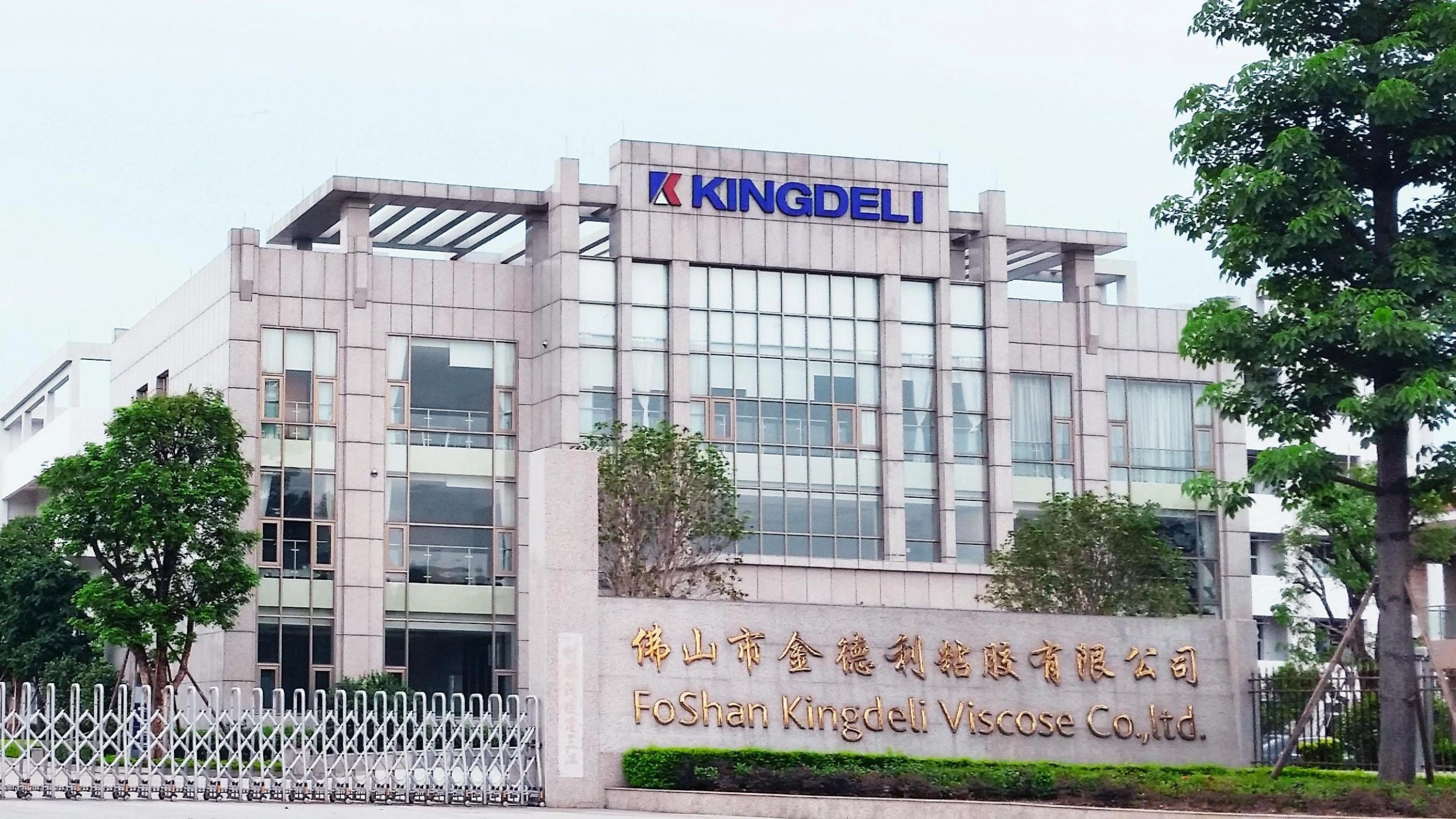
Since its establishment in 1998, KINGDELI has stood as a global leader in the high-performance sealant, adhesive, and coating industry. Headquartered in Foshan, China, our state-of-the-art 66,000 m² facility is powered by fully automated production lines with an annual capacity exceeding 100,000 tons, ensuring a consistent and robust supply for partners worldwide.
As a recognized National High-Tech Enterprise and a key contributor to the National Standard GB/T 29755-2013, we unite advanced manufacturing power with technical excellence. Our comprehensive product portfolio—spanning Neutral & Acetic Silicone, Polyurethane, MS Polymer, and No More Nails adhesives—is engineered to meet strict international standards, including ISO 9001, ISO 14001, CE, and ASTM.
With over 27 years of industry expertise and a trusted presence in 50+ countries, KINGDELI is more than a manufacturer; we are a dedicated solution provider. We offer end-to-end OEM/ODM support, sustainable low-VOC formulations, and professional technical service. At KINGDELI, we are driven by innovation and integrity, building trust and sealing the future for customers around the globe.
KINGDELI’s core products relevant to this discussion include neutral silicone sealant, acetic silicone sealant, Acrylic Sealant, silicone glazing sealant, No More Nails adhesive, Polyurethane Sealant, MS polymer Sealant, RTV Gasket Maker, Epoxy Tile Grout, and Self-Leveling Sealant. If you need reliable supply, technical support for qualification, or custom formulations tailored for OEM processes, KINGDELI’s scale and R&D capabilities make them a practical partner for industrial rollouts.
FAQ — Frequently Asked Questions
1. What is the main difference between neutral cure silicone and acetic silicone sealant?
Neutral cure silicones release non-acidic byproducts (alcohols, oximes, or alkoxy compounds) during cure, while acetic silicone sealant releases acetic acid. That difference affects corrosion potential, odor, and substrate compatibility.
2. Can I use neutral cure silicone on electronics assemblies?
Yes. Neutral cure silicones are typically recommended for electronics and assemblies containing sensitive metals because they pose a much lower corrosion risk than acetic systems. Still, verify adhesion and insulating properties for your specific application through testing.
3. Are neutral silicones always better than acetic silicones?
Not always. Acetic silicones can be effective and cost-efficient for simple glazing on inert substrates like bare glass. However, for multi-material assemblies, painted parts, or electronics, neutral silicones usually offer lower risk and better long-term performance.
4. How should I validate a neutral silicone for OEM production?
Run a qualification matrix including adhesion tests (peel, lap shear), environmental aging, corrosion/salt spray (if metals are involved), cure profiling, and VOC/emissions testing. Require supplier CoAs and conduct pilot assembly runs under production conditions.
5. What workplace controls are needed when using neutral cure silicones?
Neutral silicones typically have lower odor and corrosivity than acetoxy types, but you should still ensure adequate ventilation, appropriate personal protective equipment for handlers, and controls for storage temperature and humidity to maintain product consistency.
6. How doesKINGDELI support OEM customers in selecting the right product?
KINGDELI offers OEM/ODM support, technical documentation, custom formulations (including low-VOC), and batch traceability. They can provide sample testing and support integration into production lines to minimize qualification time and supply-chain risk.
If you have a specific assembly challenge or would like to evaluate neutral cure or acetic silicone sealant options for OEM production, contact us to discuss application requirements, request technical datasheets, or arrange samples and testing. Visit KINGDELI’s product pages or reach out to our technical team to start a qualification program tailored to your needs.
Contact & Product Inquiry: For product information, OEM/ODM support, and samples, please contact KINGDELI’s technical sales team to receive datasheets, CoAs, and assistance with qualification protocols.
MS Silicone Sealant Storage, Shelf Life and Logistics
Top transparent acrylic sealant Manufacturers and Suppliers
Top 10 neutral silicone sealant Manufacturers and Supplier Brands in Hardware and Building Materials
MS Silicone Sealant Tools and Application Best Practices
HY-951
Are special tools required for application?
HY951 is designed for cartridge application using standard epoxy grout or caulking tools. Proper surface preparation and correct component mixing are essential for best results.
HY-3300
What colors are available?
Standard colors include clear, black, grey, and white, and custom colors can be produced upon request.
HY-966
What type of adhesive is HY-966?
HY-966 is a one-component, heavy-duty construction adhesive sealant designed for high-strength bonding across a wide range of building materials.
HY924
How long does HY924 take to cure?
Curing starts as soon as the material contacts moisture. Tack-free time is typically 30–60 minutes, with full curing depending on humidity, temperature, and bead thickness.
HY982
Can HY982 be used outdoors?
HY982 offers good weather and water resistance; however, it is primarily designed for interior applications. For exterior or structural bonding, consult the manufacturer for suitable alternatives.
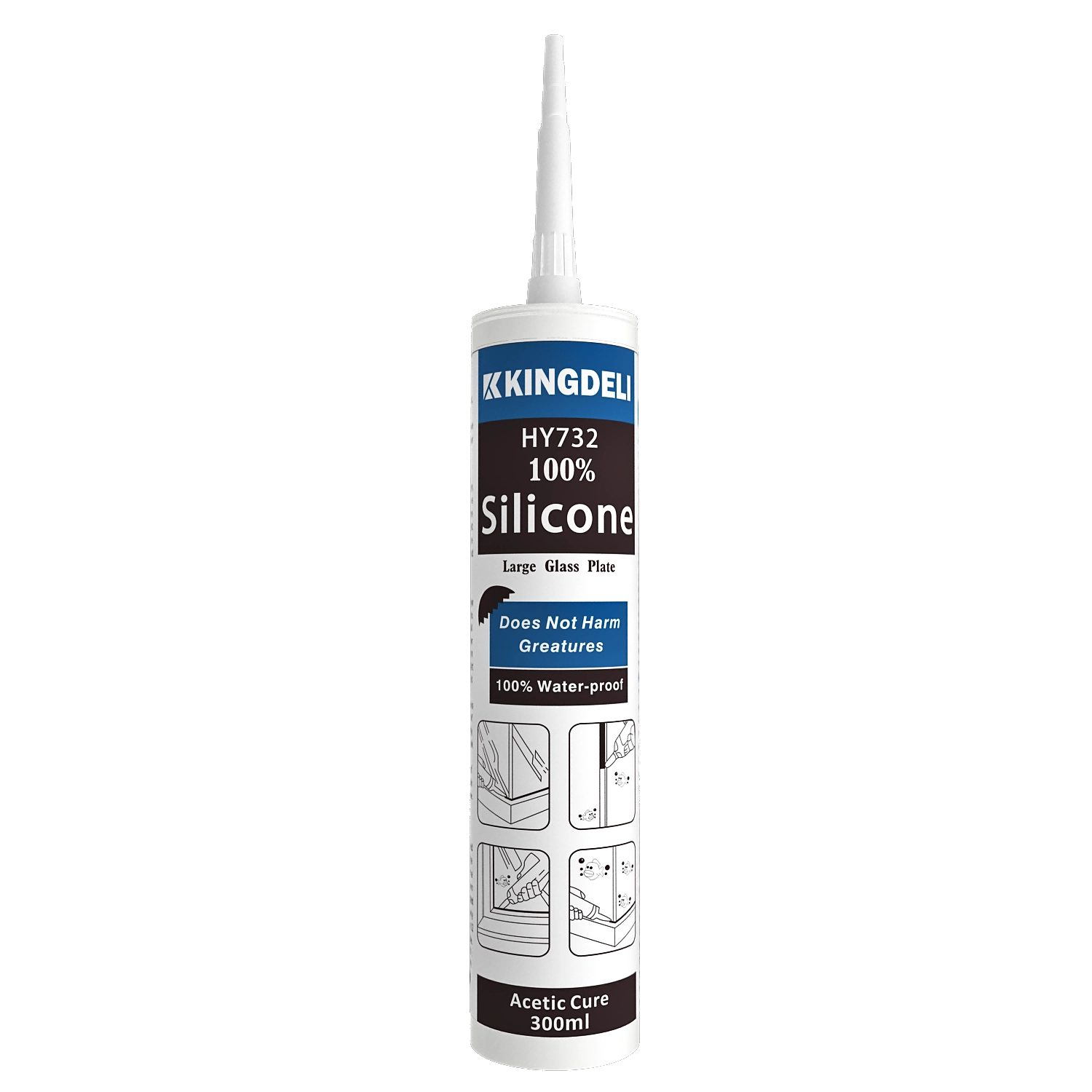
KINGDELI HY732 Professional Acetoxy Cure Silicone Sealant
KINGDELI HY732 is a professional-grade, one-component acetoxy cure silicone sealant designed for fast curing, strong adhesion, and long-lasting flexibility. Ideal for aquariums, glass applications, aluminum doors and windows, kitchens, and bathrooms, it provides reliable sealing performance with excellent anti-fungal protection in high-humidity environments.
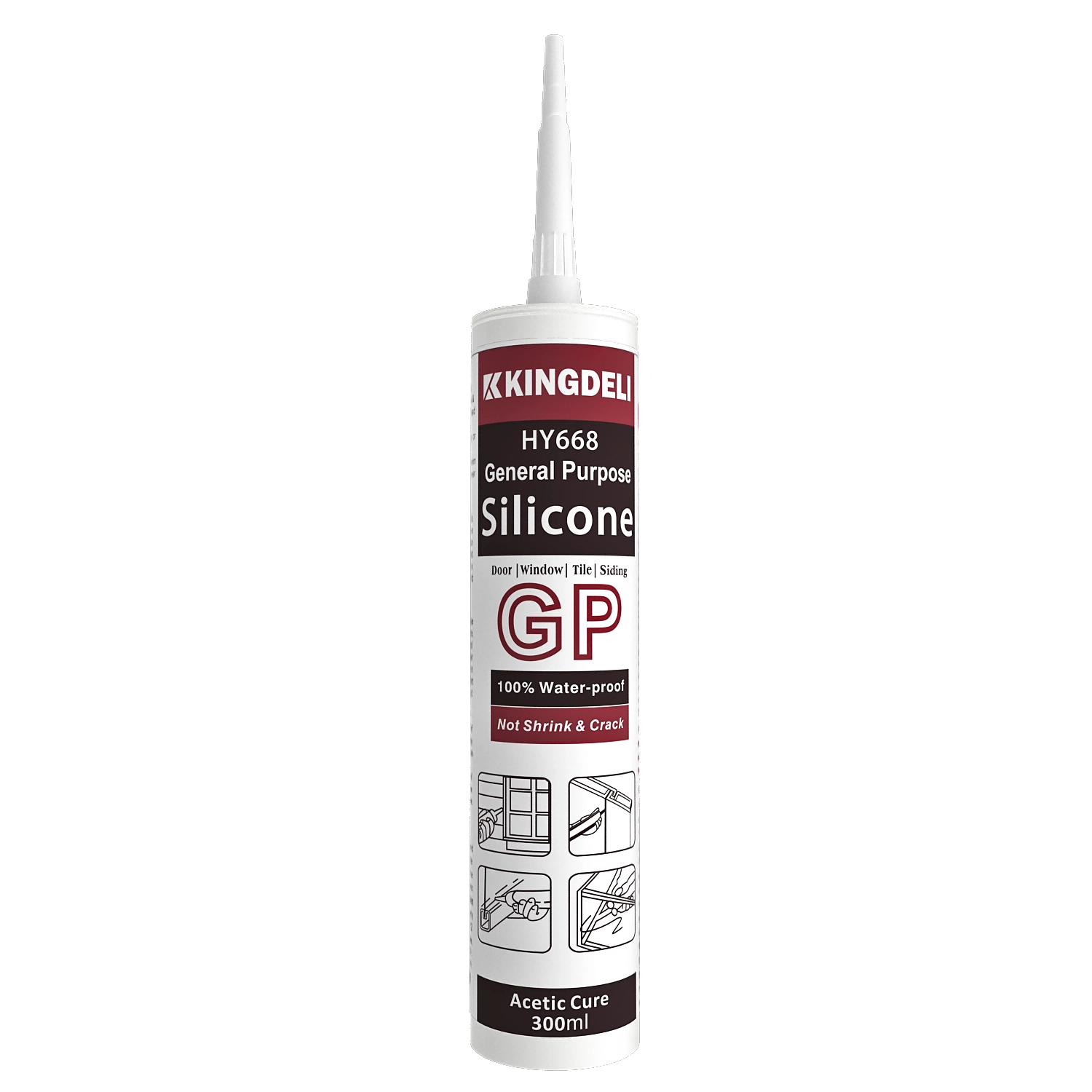
HY668 General Purpose Acetic Silicone Sealant
HY-668 General-Purpose Acetic Silicone Sealant is a easy-to-use sealant for everyday sealing and glazing applications. It offers good adhesion, fast curing, and a durable flexible seal, making it ideal for windows, doors, interior joints, and general construction use
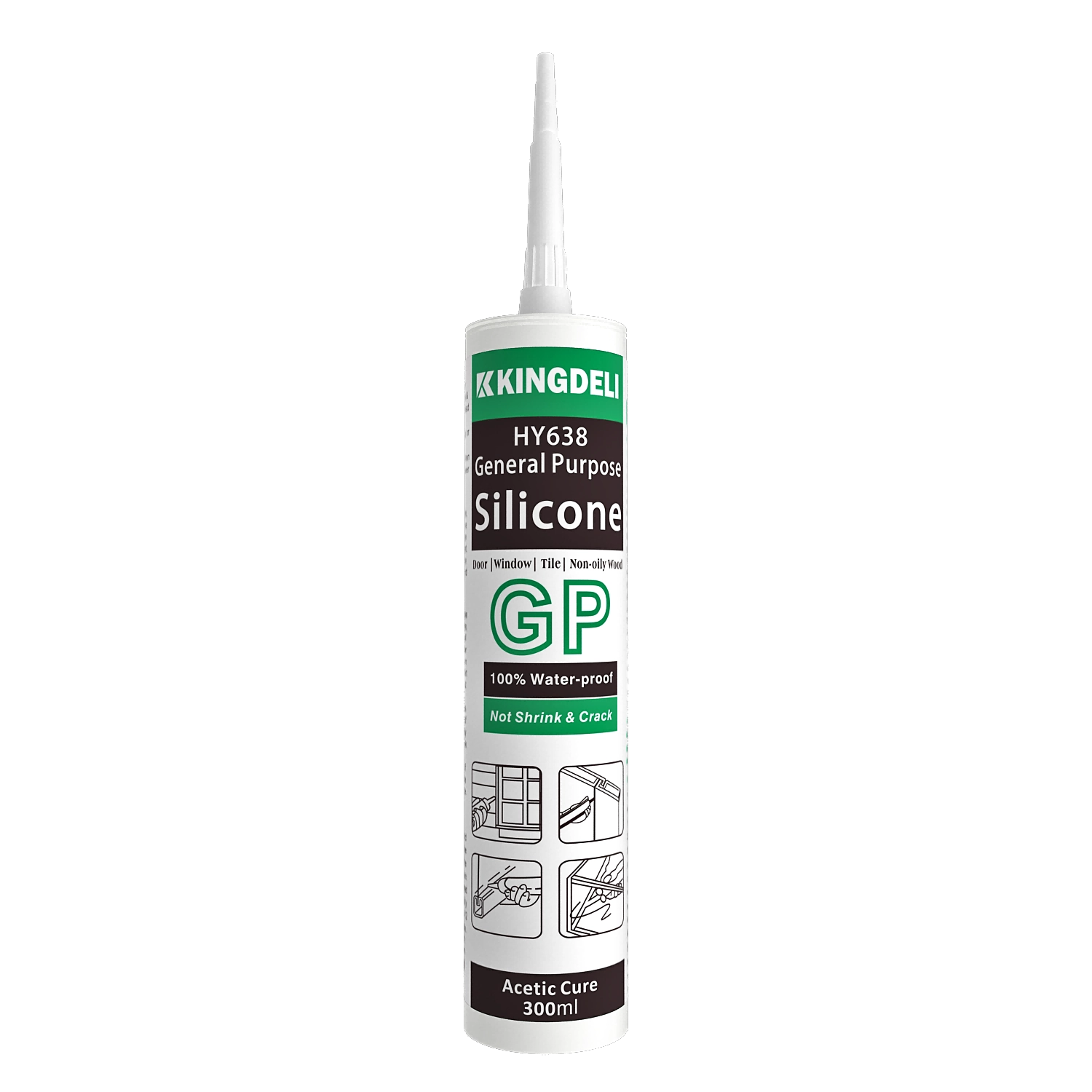
HY638 Economic General Purpose Acetic Silicone Sealant
HY-638 Economic General-Purpose Acetic Silicone Sealant is a cost-effective, one-component, shelf-stable, acetoxy-curing silicone sealant designed for general-purpose sealing and bonding applications. After curing, it forms a durable, elastomeric seal with the following characteristics:
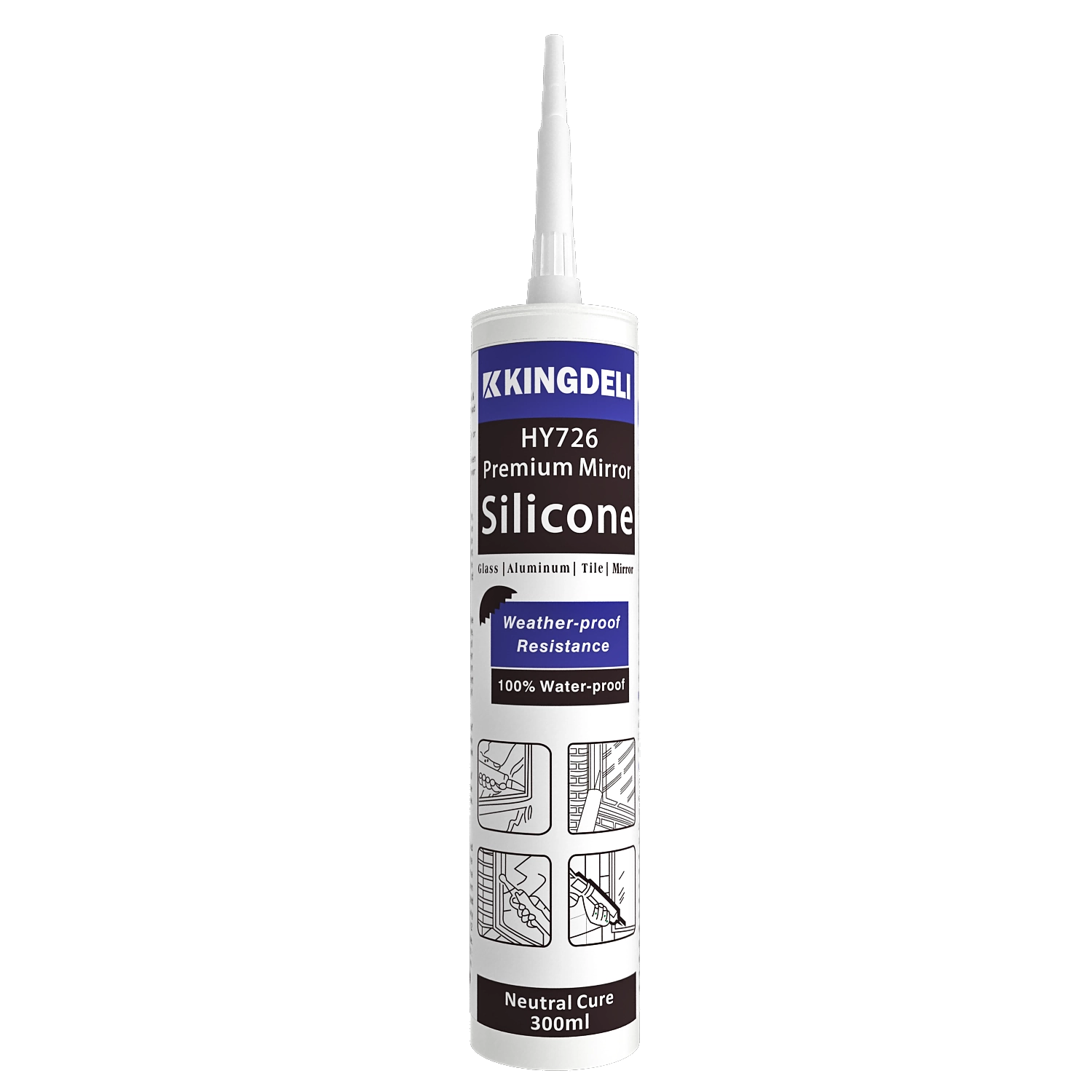
HY-726 Premium Clear Neutral Silicone Sealant
HY726 one-component, shelf-stable, 100% silicone elastomeric adhesive using alkoxy technology. It is specifically designed for sealing sensitive surfaces such as copper, gold, and metal-coated mirrors.
Let’s Build Stronger Bonds with Quality Adhesives and Sealants
Have questions about the topic or need tailored sealant solutions for your project?
Our team is ready to provide expert guidance, product recommendations, and application support.
Innovating with Integrity, Bonding the World
Since 1998, KINGDELI has delivered trusted, sustainable sealant solutions that connect industries and inspire progress worldwide.
Whatsapp: +8618825946249
Kingdeli
Kingdeli
Kingdeli
Kingdeli
Kingdeli