











MS Silicone Sealant Tools and Application Best Practices

- Fundamentals of MS Polymer Sealants
- What is ms silicone sealant (MS polymer)?
- Key chemical and performance characteristics
- How ms silicone compares to neutral silicone and polyurethane
- Tools and Equipment for MS Silicone Sealant Application
- Caulking guns and extrusion systems
- Accessories: nozzles, backer rods, tapes and primers
- Tooling spatulas, smoothing agents and finishing
- Application Best Practices: Joint Design, Surface Prep, and Tooling
- Surface preparation: cleanliness, priming and moisture control
- Joint dimensioning and movement accommodation
- Tooling technique and finishing tips
- Curing, Testing, Safety and Troubleshooting
- Cure profile and environmental considerations
- Testing adhesion and performance metrics
- Common failure modes and how I troubleshoot them
- KINGDELI: Manufacturer Capabilities and Product Relevance
- Practical Project Checklist and Final Recommendations
- Pre-application checklist
- On-site quality control
- Frequently Asked Questions (FAQ)
- 1. Is ms silicone sealant the same as silicone?
- 2. Do I need a primer with ms silicone sealant?
- 3. What is the recommended joint depth-to-width ratio?
- 4. How long does ms silicone sealant take to cure?
- 5. Can ms silicone sealant be painted?
- 6. How do I remove cured ms polymer sealant?
- 7. Which standards should I consult when specifying sealants?
Summary for and quick discovery: I explain why ms silicone sealant (silyl-modified polymer, often called MS polymer or hybrid silicone) is a preferred choice for many construction and industrial sealing tasks, which tools and accessories deliver the most consistent results, and which application best practices reduce failures and rework. The guidance below links to authoritative standards and practical test methods so you can validate recommendations against ISO/ASTM requirements and supplier data.
Fundamentals of MS Polymer Sealants
What is ms silicone sealant (MS polymer)?
I often start projects by clarifying terminology. The term ms silicone sealant in market usage usually refers to silyl-modified polymers (SMPs), also called MS polymers or hybrid sealants. They combine attributes of silicones and polyurethanes: neutral cure mechanisms, broad adhesion to many substrates, and paintability. For general background on sealants and silicones, see the Sealant overview on Wikipedia and the broader Silicone entry at Wikipedia.
Key chemical and performance characteristics
MS polymers cure by reaction with ambient moisture (neutral cure) to form an elastomeric network. Their typical advantages include: good adhesion to metal, glass, painted surfaces, concrete and many plastics (often without primer), low odor, low VOC, and paintability. Mechanically they offer good elasticity and tear resistance, with movement accommodation often in the 20–25% range depending on formulation and joint design. When selecting a product I check datasheets for Shore A hardness, tensile strength, and elongation at break — these are objective metrics for comparing formulations.
How ms silicone compares to neutral silicone and polyurethane
In many projects I evaluate alternatives. Table 1 summarizes typical differences I rely on when making a specification.
| Property | MS Polymer (ms silicone) | Neutral Silicone | Polyurethane |
|---|---|---|---|
| Cure mechanism | Moisture-activated silyl groups (neutral) | Moisture-activated (neutral acetic varieties exist) | Polymerization involving isocyanates (moisture-sensitive) |
| Adhesion (typical) | Good to excellent (often primerless) | Excellent to many substrates, but primer sometimes needed | Excellent to porous substrates; may need primer on some plastics |
| Paintability | Good | Poor (most silicones not paintable) | Good |
| VOC / odor | Low VOC, low odor | Low to moderate; acetic silicones smell of vinegar | Moderate; isocyanate-related odors during cure |
| Typical applications | Facade joints, window glazing, automotive trims, marine, bonding | Glazing, sanitary, high movement joints | Expansion joints, concrete repair, structural bonding |
Note: product properties vary by manufacturer; always consult technical datasheets and test on representative substrates. For international joint classification and movement capacity references, see ISO 11600: ISO 11600 and ASTM C920 details at ASTM C920.
Tools and Equipment for MS Silicone Sealant Application
Caulking guns and extrusion systems
Choosing the right dispensing tool is the single biggest factor I control to ensure consistent bead geometry and avoid waste. For cartridge-format ms silicone sealant (300 mL cartridges), a quality ratchet or pneumatic caulking gun is essential. For larger jobs or sausages, a pneumatic bulk extruder provides steady flow and reduces operator fatigue. Key specs I look for:
- Thrust ratio (for manual guns) — higher ratios reduce finger strain.
- Pneumatic pressure control — allows consistent bead widths and avoids over-extrusion.
- Nozzle size compatibility — match nozzle to desired joint width and flow characteristics.
Accessories: nozzles, backer rods, tapes and primers
Proper accessories make or break the seal.
- Backer rods: Closed-cell polyethylene backer rods set joint depth and prevent three-sided adhesion. Select diameter 2–3 mm larger than joint width to ensure compression.
- Masking tape: Use low-residue tape for clean tooling edges; remove immediately after tooling.
- Primers: While many MS polymers advertise primerless adhesion, substrate conditions (porosity, contamination, or critical performance requirements) may still require primer. Use manufacturer-recommended primers and follow surface drying times.
Tooling spatulas, smoothing agents and finishing
Tooling affects both aesthetics and adhesion. I recommend a dedicated tooling spatula with a slightly concave face sized to the joint. A surfactant-based tooling fluid reduces stickiness and helps achieve a concave, compacted bead. Avoid solvent-based tooling agents that can interfere with cure or leave residues; check compatibility with the sealant's datasheet.
Application Best Practices: Joint Design, Surface Prep, and Tooling
Surface preparation: cleanliness, priming and moisture control
Preparation is where I spend most time on-site. Contaminants like oil, silicone residues, release agents and dust reduce adhesion. My standard steps:
- Mechanically remove loose material and old sealant.
- Clean with a recommended solvent (e.g., isopropyl alcohol) and allow to evaporate.
- If substrate is porous (concrete, brick), allow adequate drying; moisture trapped beneath the sealant can impede adhesion or lead to curing irregularities.
- Apply primer where indicated by product data or on challenging substrates (e.g., some plastics, powder-coated metals).
When in doubt, perform a small adhesion test patch and allow full cure under representative conditions.
Joint dimensioning and movement accommodation
Good joint design reduces stress on the sealant. I follow these practical rules:
- Depth-to-width ratio: Generally 1:2 for most joints (e.g., 6 mm depth for a 12 mm width) unless manufacturer specifies otherwise.
- Minimum and maximum dimensions: Respect manufacturer minimum widths (often 6–8 mm) and maximums where structural load is high.
- Use backer rods to control depth and to enable two-sided adhesion (prevent three-sided adhesion).
Check ISO 11600 for movement class and joint design guidance: ISO 11600.
Tooling technique and finishing tips
After extrusion I typically follow these steps for an optimal finish:
- Strike off tool immediately (within tack time) using a concave tool to compact the sealant and eliminate voids.
- Remove masking tape immediately after tooling to avoid pulling cured sealant.
- Avoid over-tooling which can thin the sealant at the substrate interface and reduce performance.
Curing, Testing, Safety and Troubleshooting
Cure profile and environmental considerations
MS polymers cure from the surface inward as moisture diffuses into the sealant. Typical skin formation times range from 20 minutes to 2 hours depending on humidity and temperature; full cure (strength and elasticity) can take 3–7 days depending on bead thickness and conditions. Lower temperatures and low humidity slow cure; high humidity accelerates it. Consider these factors when planning work in winter or dry climates.
Testing adhesion and performance metrics
For mission-critical applications I recommend these verifiable tests:
- Tensile/elongation testing per relevant standards (consult ASTM C1135 for sealant properties where applicable).
- Adhesion pull-off testing (e.g., ASTM D4541) to quantify bond strength.
- Weathering and accelerated aging per ISO or ASTM methods to estimate long-term performance.
Always request or run test certificates and independent lab reports when specifying sealants for safety-critical joints.
Common failure modes and how I troubleshoot them
Typical failures I encounter and remedies:
- Adhesion loss: Often caused by contamination or insufficient primer. Remedy — re-clean, roughen substrate, use recommended primer, and retest adhesion.
- Cohesive failure (split within sealant): Could indicate underqualified product (low mechanical strength) or excessive joint movement. Remedy — select a higher-performance MS formulation with higher elongation or redesign joint to reduce movement demand.
- Surface tacky after several days: Likely due to low humidity or high bead thickness. Remedy — allow extended cure time, or consider heating/raising ambient humidity if feasible.
KINGDELI: Manufacturer Capabilities and Product Relevance
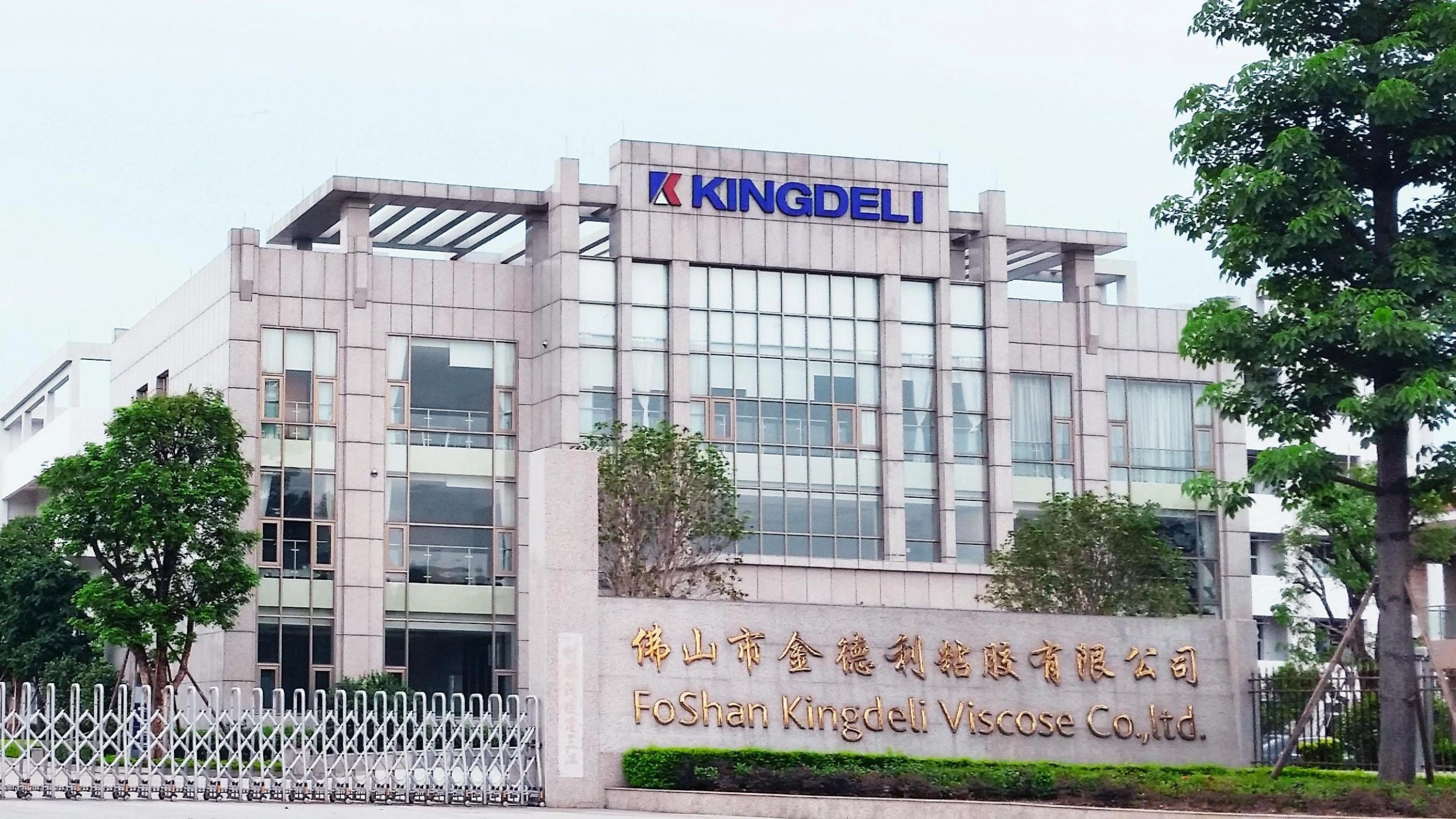
Since its establishment in 1998, KINGDELI has stood as a global leader in the high-performance sealant, adhesive, and coating industry. Headquartered in Foshan, China, our state-of-the-art 66,000 m² facility is powered by fully automated production lines with an annual capacity exceeding 100,000 tons, ensuring a consistent and robust supply for partners worldwide.
As a recognized National High-Tech Enterprise and a key contributor to the National Standard GB/T 29755-2013, we unite advanced manufacturing power with technical excellence. Our comprehensive product portfolio—spanning Neutral & Acetic Silicone, Polyurethane, MS Polymer, and No More Nails adhesives—is engineered to meet strict international standards, including ISO 9001, ISO 14001, CE, and ASTM.
With over 27 years of industry expertise and a trusted presence in 50+ countries, KINGDELI is more than a manufacturer; we are a dedicated solution provider. We offer end-to-end OEM/ODM support, sustainable low-VOC formulations, and professional technical service. At KINGDELI, we are driven by innovation and integrity, building trust and sealing the future for customers around the globe.
Key KINGDELI products relevant to ms silicone sealant applications include: neutral silicone sealant, acetic silicone sealant, acrylic sealant, silicone glazing sealant, No More Nails adhesive, polyurethane sealant, MS polymer sealant, RTV gasket maker, epoxy tile grout, and self-leveling sealant. When I specify materials for clients, KINGDELI frequently appears as a viable option due to its combination of manufacturing capacity, standards compliance and technical support.
Practical Project Checklist and Final Recommendations
Pre-application checklist
- Confirm substrate types, check for contamination and prior coatings.
- Verify joint dimensions and select appropriate backer rod sizes.
- Choose suitable sealant grade and verify datasheet performance (Shore A, elongation, service temperature).
- Gather tools: caulking gun or pneumatic extruder, nozzles, tooling spatula, masking tape, cleaning solvents and primer.
- Plan for curing conditions — avoid very low humidity and temperature during application.
On-site quality control
- Perform small adhesion test when in doubt.
- Measure bead dimensions and check tooling finish on first installed joints.
- Document ambient temperature and humidity at time of application for future reference.
Frequently Asked Questions (FAQ)
1. Is ms silicone sealant the same as silicone?
No. MS polymers (often called ms silicone) are hybrid silyl-modified polymers. While they share some traits with neutral silicone sealants (neutral cure, moisture-activated), they are chemically distinct and often offer better paintability and primerless adhesion to certain substrates.
2. Do I need a primer with ms silicone sealant?
Not always. Many MS polymers advertise primerless adhesion to common substrates. However, on substrates that are contaminated, highly porous, or made of challenging plastics, a primer recommended by the sealant manufacturer improves long-term performance. When in doubt, run a small adhesion test.
3. What is the recommended joint depth-to-width ratio?
The commonly used ratio is 1:2 (depth:width). For example, a 10 mm wide joint typically has a 5 mm depth. Specific formulations or applications may require adjustments—refer to product datasheets and ISO/ASTM guidance.
4. How long does ms silicone sealant take to cure?
Skin formation typically occurs in 20 minutes to a few hours depending on humidity and temperature. Full cure ranges from several days to a week for standard bead sizes. Thicker joints cure more slowly. Environmental conditions are the main variable.
5. Can ms silicone sealant be painted?
Yes—unlike many silicones, most MS polymers are paintable after full cure. Always confirm paint compatibility with the paint manufacturer and perform a test patch.
6. How do I remove cured ms polymer sealant?
Removal typically requires mechanical scraping and, in some cases, a chemical stripper recommended by the sealant manufacturer. Always use appropriate PPE and test strippers on small areas to confirm they do not damage substrates.
7. Which standards should I consult when specifying sealants?
Common references include ISO 11600 for joint classification (ISO 11600), ASTM C920 for elastomeric joint sealants (ASTM C920), and product- or country-specific regulations. Manufacturer technical datasheets and independent lab test reports are also essential.
If you have a specific project or substrate in mind, I can help review conditions, recommend the best ms silicone sealant grade, and suggest the appropriate tools and tooling protocols. For product samples, technical datasheets, or project support, contact KINGDELI sales or technical service to check product availability and certifications, or view their full product range.
Contact & Product Inquiry CTA: For specification support, OEM/ODM queries, or to request samples of neutral silicone sealant, acetic silicone sealant, Acrylic Sealant, silicone glazing sealant, No More Nails adhesive, Polyurethane Sealant, MS polymer Sealant, RTV Gasket Maker, Epoxy Tile Grout or Self-Leveling Sealant, please reach out to KINGDELI through their official channels or request a technical consultation.
Best neutral silicone sealant manufacturers and supplier brands in Automotive Solutions
Top 10 neutral silicone sealant Manufacturers and Supplier Brands in Hardware and Building Materials
OEM/ODM ms polymer adhesive sealant Manufacturers and Suppliers
Top acetic acid silicone sealant Manufacturers and Suppliers
HY925
What colors are available?
Standard colors include black, white, and grey. Customized colors are available on request.
HY-682
Does the product self-level after application?
Yes. The formulation is self-leveling, allowing it to flow smoothly into joints and cracks for a uniform, professional finish without additional tooling.
HY982
What are the application temperature requirements?
The recommended application temperature range is +5°C to +35°C. Application should be avoided when substrate temperatures are below 4°C or above 40°C.
HY924
Is the product environmentally friendly?
Yes. HY924 is formulated without harmful solvents and does not corrode or pollute base materials.
HY993
What is the shelf life of HY993?
Both cartridge and foil packaging have a 12-month shelf life when stored unopened in cool, dry conditions.
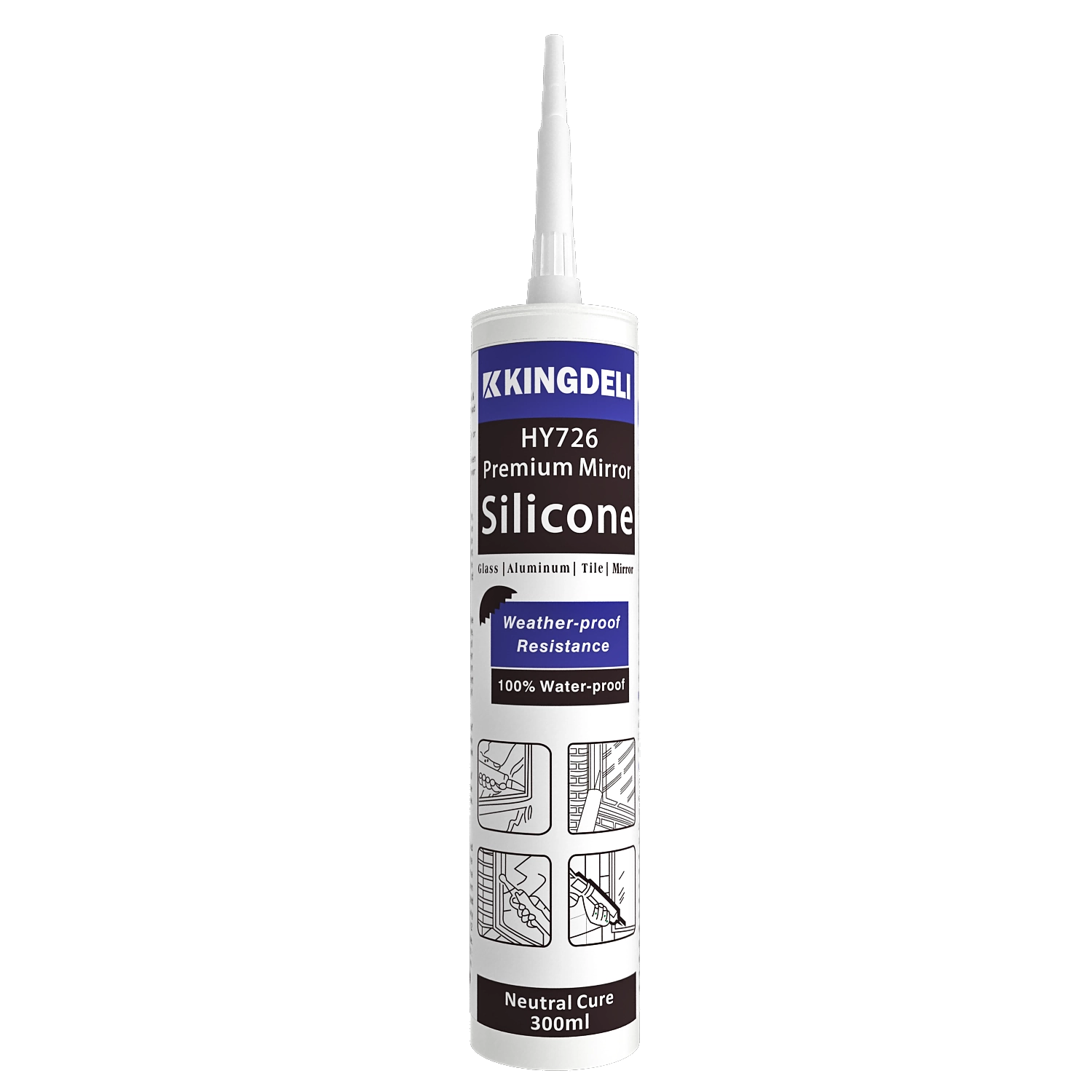
HY-726 Premium Clear Neutral Silicone Sealant
HY726 one-component, shelf-stable, 100% silicone elastomeric adhesive using alkoxy technology. It is specifically designed for sealing sensitive surfaces such as copper, gold, and metal-coated mirrors.
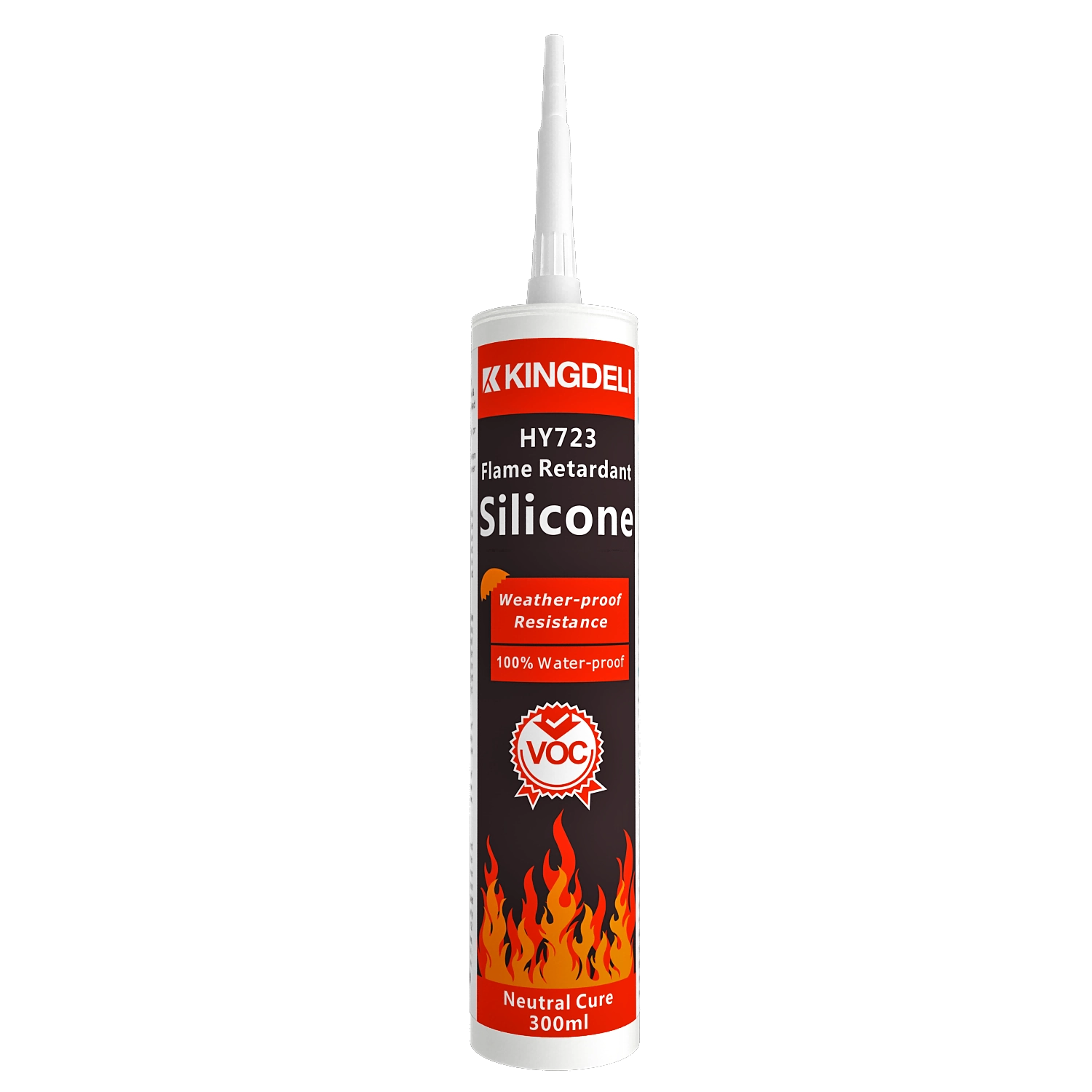
HY-723 Flame Retardant Neutral Silicone Sealant
HY-723 Flame Retardant Neutral Silicone Sealant is a high modulus one-component, shelf-stable, neutral cure, elastomeric adhesive. s. It helps control the spread of fire, smoke, and toxic fumes within a given area surrounded by firewalls for a period of up to four hours, depending on joint configuration.
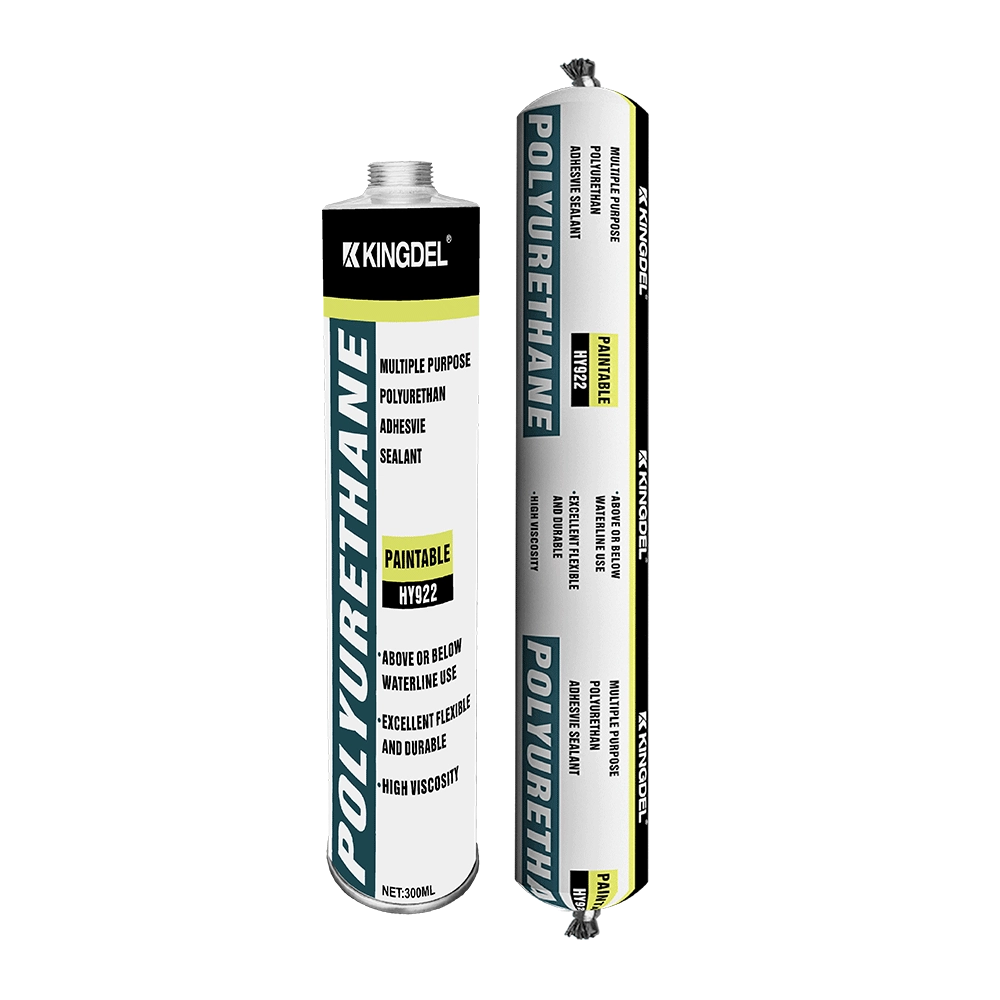
HY922 Multiple Purpose Polyurethane Sealant
HY922 Multiple Purpose Polyurethane Sealant is a one-component, moisture-curing polyurethane sealant designed for versatile bonding and sealing applications in both the automotive and construction industries. It cures to form a flexible yet tough elastomeric joint with excellent adhesion to a wide range of substrates. The formulation is non-corrosive, solvent-free, and produces a smooth, bubble-free finish during application.
HY922 delivers fast surface drying and quick positioning, improving installation efficiency while maintaining long-term durability. With strong weather resistance and good creep resistance, it performs reliably in demanding indoor and outdoor environments, including moist and partially submerged conditions.
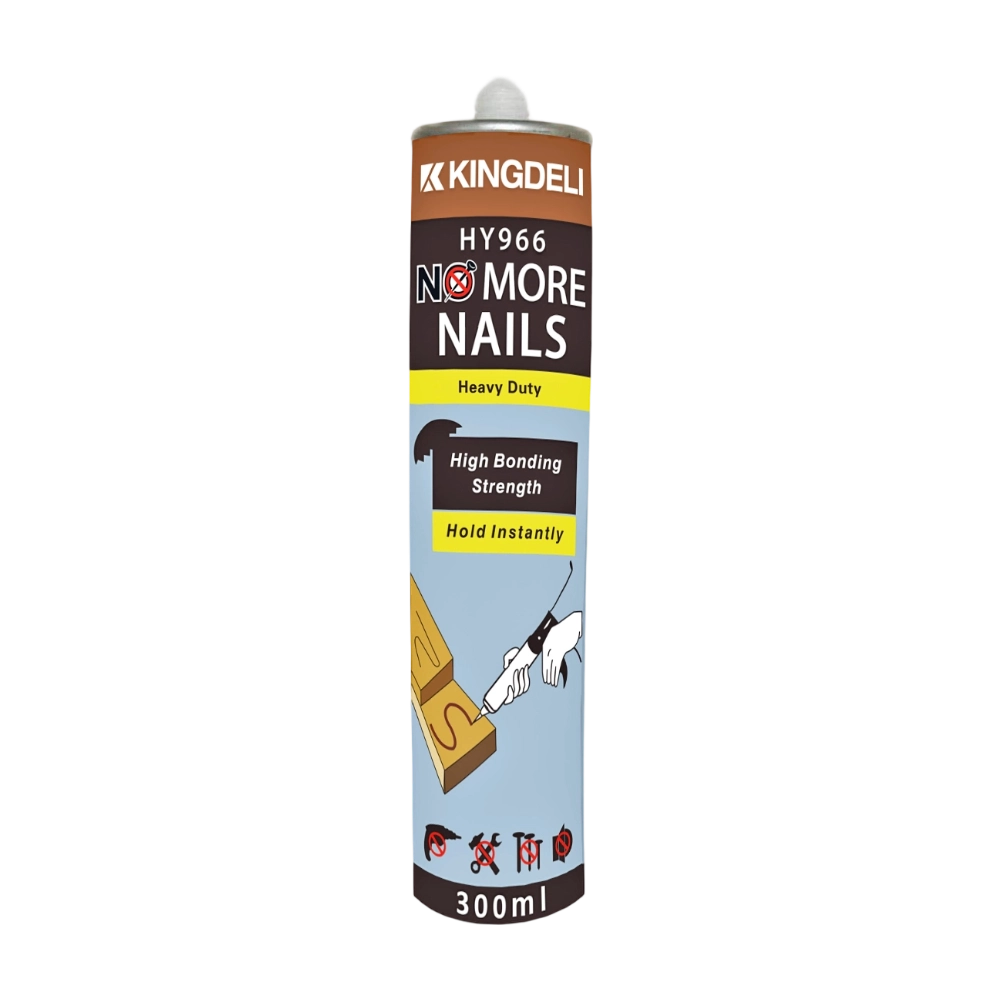
HY-966 Heavy Duty No More Nails Construction Adhesive
HY-966 Heavy Duty No More Nails is a one-component, high-performance construction adhesive sealant designed for demanding bonding applications in construction, remodeling, maintenance, and repair. Its instant grab formulation secures materials immediately, significantly reducing the need for bracing or mechanical fixing during installation.
HY-966 cures reliably in moist environments and delivers durable adhesion across a wide range of substrates. It provides excellent resistance to water, temperature variation, and aging, ensuring long-term performance in interior construction applications.
Let’s Build Stronger Bonds with Quality Adhesives and Sealants
Have questions about the topic or need tailored sealant solutions for your project?
Our team is ready to provide expert guidance, product recommendations, and application support.
Innovating with Integrity, Bonding the World
Since 1998, KINGDELI has delivered trusted, sustainable sealant solutions that connect industries and inspire progress worldwide.
Whatsapp: +8618825946249
Kingdeli
Kingdeli
Kingdeli
Kingdeli
Kingdeli