











MS Hybrid Sealant vs. Silicone vs. Polyurethane: The Definitive Showdown [2026 Edition]

- What is MS Hybrid Sealant?
- Key Takeaways: The 2026 Sealant Landscape
- The Chemistry Showdown: How They Work
- Head-to-Head Comparison: Which Sealant Wins?
- Addressing the Gap: Cost Analysis and 2026 Market Trends
- Expert Tips and Common Mistakes
- Conclusion
- Can you paint over MS hybrid sealant?
- How long does MS polymer sealant take to cure?
- Is MS sealant better than silicone for bathrooms?
- Does MS hybrid sealant shrink over time?
- Can MS polymer be applied to wet surfaces?
- What is the lifespan of hybrid polymer sealants?
- Why is polyurethane not recommended for direct sunlight?
- Are MS hybrid sealants safe for indoor use?
Welcome to the definitive showdown of modern construction sealants. Choosing the right sealant is critical for structural integrity, but with rapidly advancing chemical technologies and tightening environmental regulations, making the right choice is harder than ever. Whether you need a silane-modified polyether for dynamic architectural joints or a classic silicone for extreme weatherproofing, understanding the specific nuances of each chemical formulation is absolutely essential for long-term project success.
In modern commercial and residential construction, the physical demands placed on sealants are immense. They must withstand extreme temperature fluctuations, resist severe ultraviolet degradation, accommodate microscopic structural shifts, and adhere to a diverse array of substrates—often all at the same time. In this comprehensive guide, we pit MS hybrid sealants, silicone, and polyurethane against one another. We will dive deep into their chemical makeups, analyze their practical applications on the job site, and determine which adhesive technology reigns supreme in the evolving 2026 construction landscape.
What is MS Hybrid Sealant?
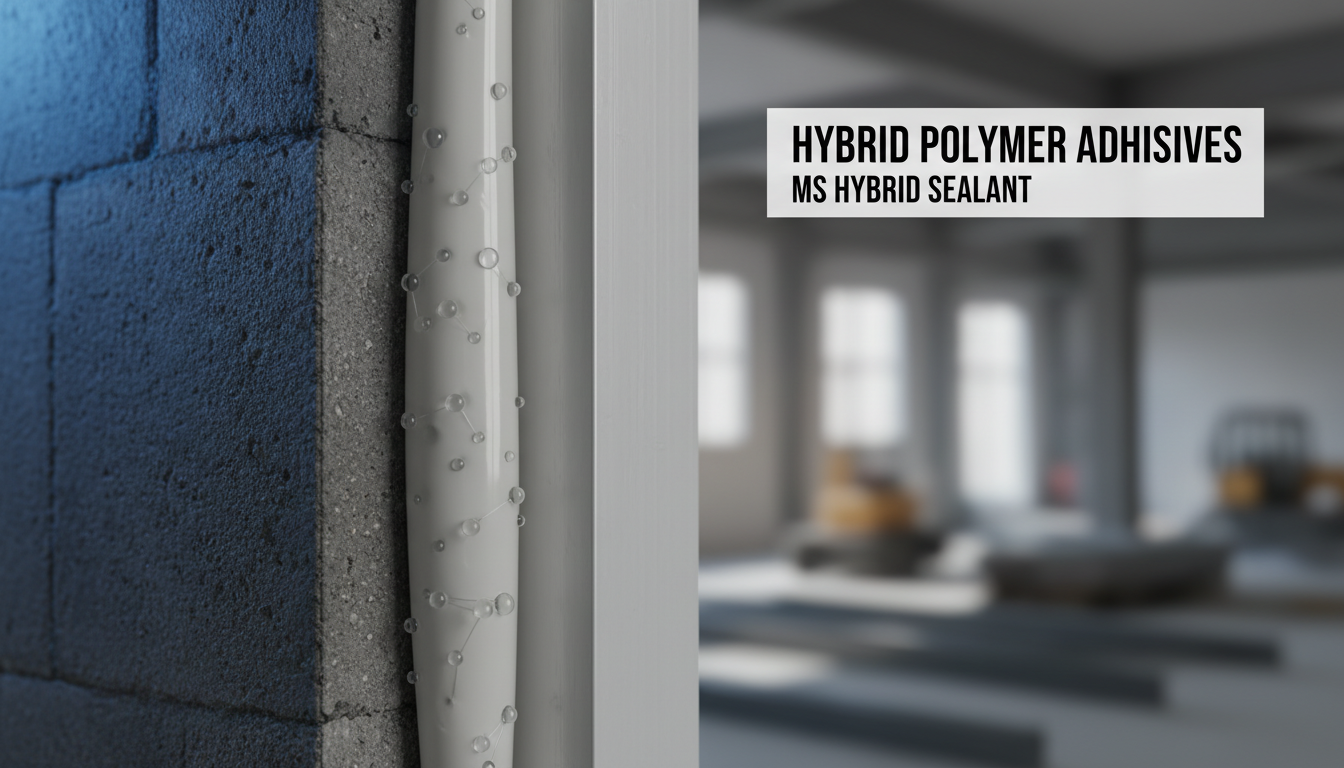
MS hybrid sealant is an advanced, moisture-curing polymer that combines the robust mechanical strength of polyurethane with the exceptional weathering resistance of silicone, engineered without hazardous isocyanates or solvents to offer superior flexibility, paintability, and unprimed adhesion to diverse substrates.
Originally developed in Japan by Kaneka Corporation in the 1980s, the technology has evolved significantly to become the premier choice for high-movement building joints, transportation assembly, and heavy industrial bonding. As a true hybrid, it leverages the absolute best traits of its predecessors while entirely eliminating their most glaring weaknesses. Traditional polyurethanes were notorious for bubbling and containing hazardous solvents, while silicones were infamous for their unpaintable surfaces and substrate staining. MS hybrids brilliantly solve both problems simultaneously.
Why choose MS hybrid sealants for your next project?
- Eco-Friendly Formulation: Entirely free from toxic solvents, isocyanates, and harsh odors, making them the superior choice for green building and LEED-certified projects.
- Superior Substrate Versatility: Highly capable of bonding to almost any substrate—including notoriously difficult damp surfaces—without the expensive and time-consuming need for a chemical primer.
- Next-Generation Performance: Bridges the functional gap between traditional chemistries, offering both high elastomeric memory (elasticity) and impressive tensile strength under sheer load.
Key Takeaways: The 2026 Sealant Landscape
The 2026 sealant landscape reveals that MS hybrid sealants offer the best all-around versatility and eco-friendliness for modern construction, while silicone remains the undisputed champion for extreme continuous UV exposure, and polyurethane serves as the heavy-duty choice for sheer mechanical strength.
Selecting the precisely right sealant ultimately comes down to perfectly matching the specific substrate, the local environmental exposure, and the aesthetic needs of the architectural project. Understanding the core strengths and inherent weaknesses of each option is the very first step toward ensuring long-term project success and avoiding costly callbacks.
- MS Hybrid Sealants: Best for all-around versatility, immediate paintability, and complying with stringent modern eco-friendly construction mandates.
- Silicone: The go-to, reliable choice for extreme temperature fluctuations, continuous direct UV exposure, and highly specialized structural glazing.
- Polyurethane: The traditional, heavy-duty option for high-traffic environments requiring sheer mechanical strength, though it inevitably contains higher volatile organic compounds.
The Chemistry Showdown: How They Work
Sealant chemistry directly dictates performance: MS polymers utilize a silane-terminated polyether mechanism curing via ambient moisture, silicone relies on an inorganic siloxane backbone for thermal stability, and polyurethane uses isocyanates for rigid, durable curing that is highly sensitive to moisture.
Understanding these underlying chemical processes is absolutely crucial for preventing catastrophic joint failures on the job site. Each formulation behaves entirely differently during its curing phase.
- MS Polymers: These state-of-the-art formulations rely on a highly effective moisture-cure mechanism that actively pulls humidity from the ambient air to crosslink the polymers without releasing harmful off-gases. This is elegantly achieved through a specialized silyl-terminated polyether backbone. In fact, as reported by Wikipedia, silyl-modified polymers generally have most of the desirable properties of polyurethane-based products alongside the key benefits of silicone-based products.
- Silicone: Built entirely on an inorganic siloxane backbone, silicone naturally provides unparalleled thermal stability and flexibility. However, this deeply inorganic nature results in notoriously poor surface tension, meaning it is physically impossible to paint over using standard architectural coatings.
- Polyurethane: Relies heavily on complex urethane linkages and reactive isocyanates to fully cure. This creates a highly rigid and impressively durable bond. Unfortunately, the chemical reaction can be excessively sensitive to ambient moisture during the curing phase, often leading to unsightly bubbling or foaming if applied incorrectly in humid environments.
Head-to-Head Comparison: Which Sealant Wins?
In a direct performance comparison, MS hybrid sealants win for overall substrate versatility, paintability, and applicator safety, while silicone takes first place for long-term weathering and UV resistance, and polyurethane ties for aesthetics but loses points on health and emissions.
When evaluating MS polymer vs polyurethane alongside traditional silicone, architects and contractors must closely look at the specific application metrics that impact both the installer's workflow and the final building owner's satisfaction:
- Adhesion & Substrate Versatility: MS Hybrid takes a clear and decisive lead. It is distinctly capable of bonding robustly to damp surfaces without a primer, drastically speeding up application times on rain-delayed construction sites.
- Paintability & Aesthetics: MS Hybrid and Polyurethane securely tie for first place. Both can be painted over with most commercial water-based and synthetic paints. Silicone cannot be painted under any circumstances and requires exact color-matching prior to application.
- Weathering & UV Resistance: Silicone confidently ranks first for longevity in direct sunlight, remaining incredibly flexible for decades without degradation. MS Hybrid comes in a very close second, while polyurethane progressively degrades, chalks, and yellows under heavy UV exposure. This distinction is critical for outdoor applications, as detailed by Fix Supply in their comprehensive breakdown of sealant longevities.
- Health, Safety, & VOCs: MS Hybrid wins this category easily. Due to its entirely solvent-free, isocyanate-free, and virtually odorless formulation, it is universally recognized as the safest option for indoor air quality and confined-space applications.
Addressing the Gap: Cost Analysis and 2026 Market Trends
Current 2026 market trends show that stricter global environmental regulations are actively phasing out solvent-heavy polyurethanes, driving massive industry-wide adoption of hybrid technologies and successfully bringing the per-cartridge cost of MS hybrid sealants closer to traditional high-end polyurethane options.
The global sealant and adhesive industry is undergoing a massive, rapid shift as environmental agencies decisively crack down on hazardous airborne emissions. Specifying low VOC construction sealants is no longer a niche luxury or a simple greenwashing tactic; it is a strict regulatory requirement across major global markets.
- Regulatory Impact: Stricter 2026 global VOC regulations are severely limiting the daily use of traditional solvent-heavy polyurethanes. For instance, as reported by the Environmental Protection Agency, strict state and federal mandates severely limit the VOC content of specified adhesives and sealants. This shifting landscape has firmly positioned MS hybrids as the new gold standard for legal compliance.
- Price Comparison: Historically, MS hybrid sealants commanded a significant market premium. However, recent market shifts, vastly increased production scale, and broader raw material availability in 2026 have effectively brought their per-cartridge cost nearly in line with premium polyurethanes, making them highly accessible for everyday contracting.
- Long-Term ROI: The absolute zero-shrinkage properties and primerless application capabilities of MS hybrids drastically reduce expensive on-site labor costs. By entirely eliminating the need for priming and multi-step curing workflows, savvy contractors can easily offset any minor initial material price differences.
Expert Tips and Common Mistakes
Maximizing sealant performance requires avoiding common industry mistakes like applying polyurethane on damp substrates or exposing MS polymers to extreme heat, while leveraging expert application tips such as using neutral soapy tooling solutions for flawless dynamic expansion joint finishes.
Even the most chemically advanced sealant will inevitably fail if it is applied incorrectly by the operator. Proper surface preparation, understanding ambient conditions during curing, and employing the right tooling methods all play a critical role in the lifespan of the joint. Here are the top expert tips and common pitfalls to carefully watch out for on your next major project:
- Mistake: Applying Polyurethane on Damp Substrates. Because polyurethane chemically reacts with moisture to cure, applying it directly to a wet or damp surface actively traps the water, causing severe bubbling, foaming, and ultimate joint failure during the curing phase.
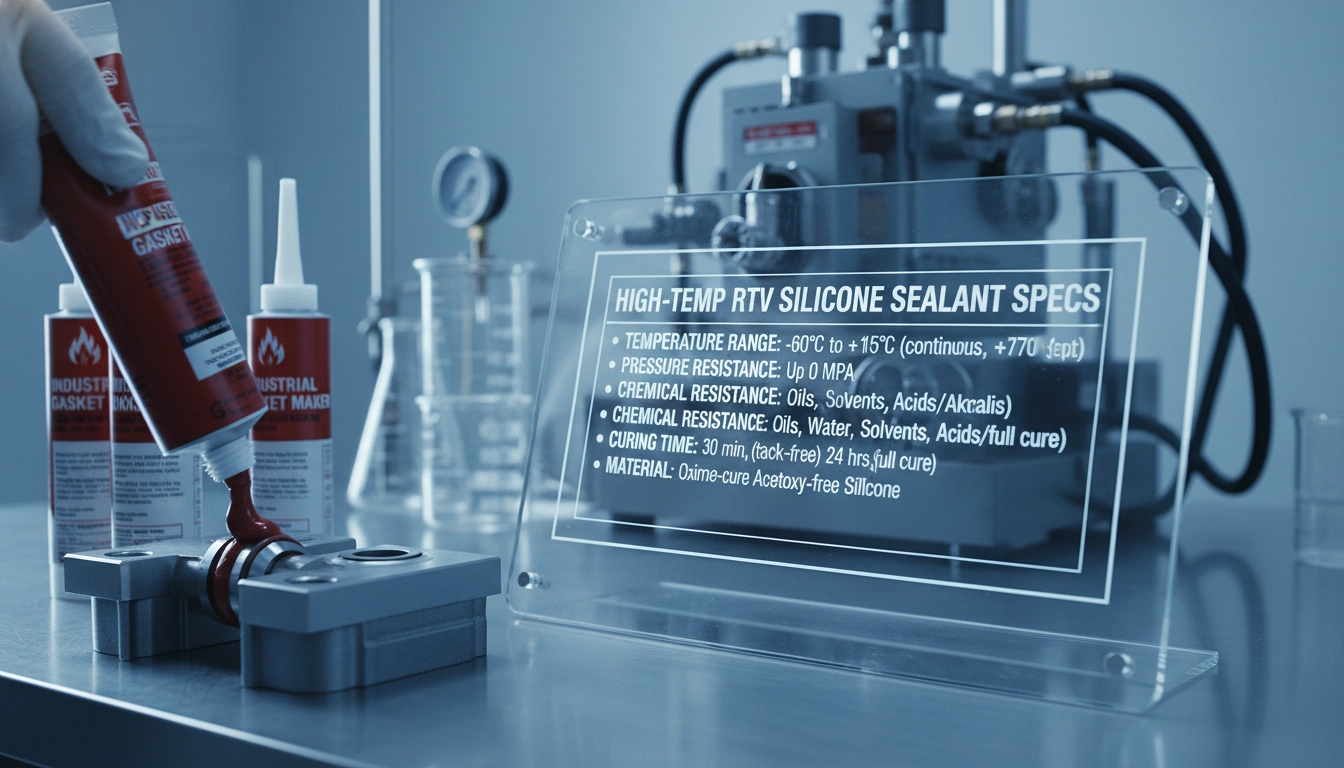
- Mistake: Exposing MS Polymers to Extreme Heat. Do not incorrectly assume an MS polymer can withstand 300°C+ ambient temperatures. If you are sealing an engine block or an industrial furnace, specialized high-temp silicones must always be used.
- Expert Tip: Optimize Expansion Joints. Use MS hybrid sealants for large, dynamic expansion joints that strictly require immediate post-installation painting. This wet-on-wet capability can reliably save days on tight project timelines.
- Expert Tip: Proper Tooling Techniques. Always tool MS hybrid sealants with a heavily diluted, neutral soapy solution. Harsh commercial chemicals or highly acidic smoothers can severely interfere with the surface cure and lead to a permanently tacky, dust-attracting finish.
Conclusion
In this definitive showdown, MS hybrid sealants emerge as the most versatile, eco-friendly, and user-friendly option for the vast majority of modern construction and industrial applications, successfully bridging the long-standing performance gap between traditional silicone and legacy polyurethane technologies.
While silicone unquestionably still dominates extreme UV and specialized high-heat environments, and polyurethane fiercely holds its ground in sheer mechanical wear applications, MS polymers provide the perfect, modern middle ground. They confidently offer unmatched paintability, remarkable primerless adhesion, and a true zero-shrinkage cure—all completely without the toxic emissions traditionally associated with older chemical formulas. By thoroughly understanding the specific physical requirements and environmental exposures of your project, you can confidently select the adhesive formulation that guarantees profound longevity, installer safety, and perfect aesthetic execution. Need help selecting the perfect sealant formulation for your next big project?
Contact us today to optimize your hybrid polymer adhesives strategy.
Can you paint over MS hybrid sealant?
Yes, unlike traditional silicone, MS hybrid sealants are highly paintable. Most water-based and synthetic paints can be applied wet-on-wet shortly after application without affecting the curing process.
How long does MS polymer sealant take to cure?
MS polymer sealants typically form a skin within 10 to 30 minutes. Full curing usually occurs at a rate of 2mm to 3mm per 24 hours, depending on ambient temperature and humidity.
Is MS sealant better than silicone for bathrooms?
While MS sealant offers excellent mold resistance, high-grade sanitary silicone is still widely preferred for areas with constant water immersion. However, MS sealant is superior if the bathroom joints need to be painted.
Does MS hybrid sealant shrink over time?
No, MS hybrid sealants contain zero solvents or water. This means they experience 0% shrinkage during and after the curing process, maintaining a perfect seal.
Can MS polymer be applied to wet surfaces?
Yes, one of the biggest advantages of MS polymer is its ability to bond effectively to damp substrates. It can even be applied underwater in certain emergency repair scenarios, unlike polyurethane.
What is the lifespan of hybrid polymer sealants?
When applied correctly, high-quality MS hybrid sealants can easily last 20 to 30 years. They maintain their elasticity and resist cracking even under high structural movement.
Why is polyurethane not recommended for direct sunlight?
Standard polyurethane sealants lack inherent UV stability. Prolonged exposure to direct sunlight causes them to chalk, crack, and yellow over time, compromising the waterproof seal.
Are MS hybrid sealants safe for indoor use?
Absolutely. MS hybrid sealants are free of isocyanates, solvents, and strong odors. Their ultra-low VOC emissions make them fully compliant with strict indoor air quality standards.
OEM/ODM rtv silicone gasket maker Manufacturers and Suppliers
7 Industry Secrets Your Industrial RTV Gasket Maker Supplier Won't Tell You About Performance
Top 10 rtv gasket maker Manufacturers and Supplier Brands in Hardware and Building Materials
Top 10 silicone sealant Manufacturers and Supplier Brands in Hardware and Building Materials
HY-2100
What is the shelf life?
Cartridge: 9–12 months depending on storage conditions
Aluminum foil sausage: 12 months
How long does it take to fully cure?
Initial surface curing typically occurs within a few hours, depending on temperature and humidity. Full cure generally takes 24–48 hours, with thicker joints requiring longer.
HY638
How does HY-638 cure?
HY-638 is a moisture-curing acetoxy silicone sealant. When exposed to humidity in the air, it reacts and cures from the surface inward. During curing, it releases a vinegar-like odor, which is characteristic of acetoxy silicone systems.
HY-976
Is this product suitable for outdoor use?
HY976 No More Nails is formulated for interior use only.
HY993
What colors are available?
Standard colors include black, grey, and white. Custom colors can also be produced based on customer requirements.
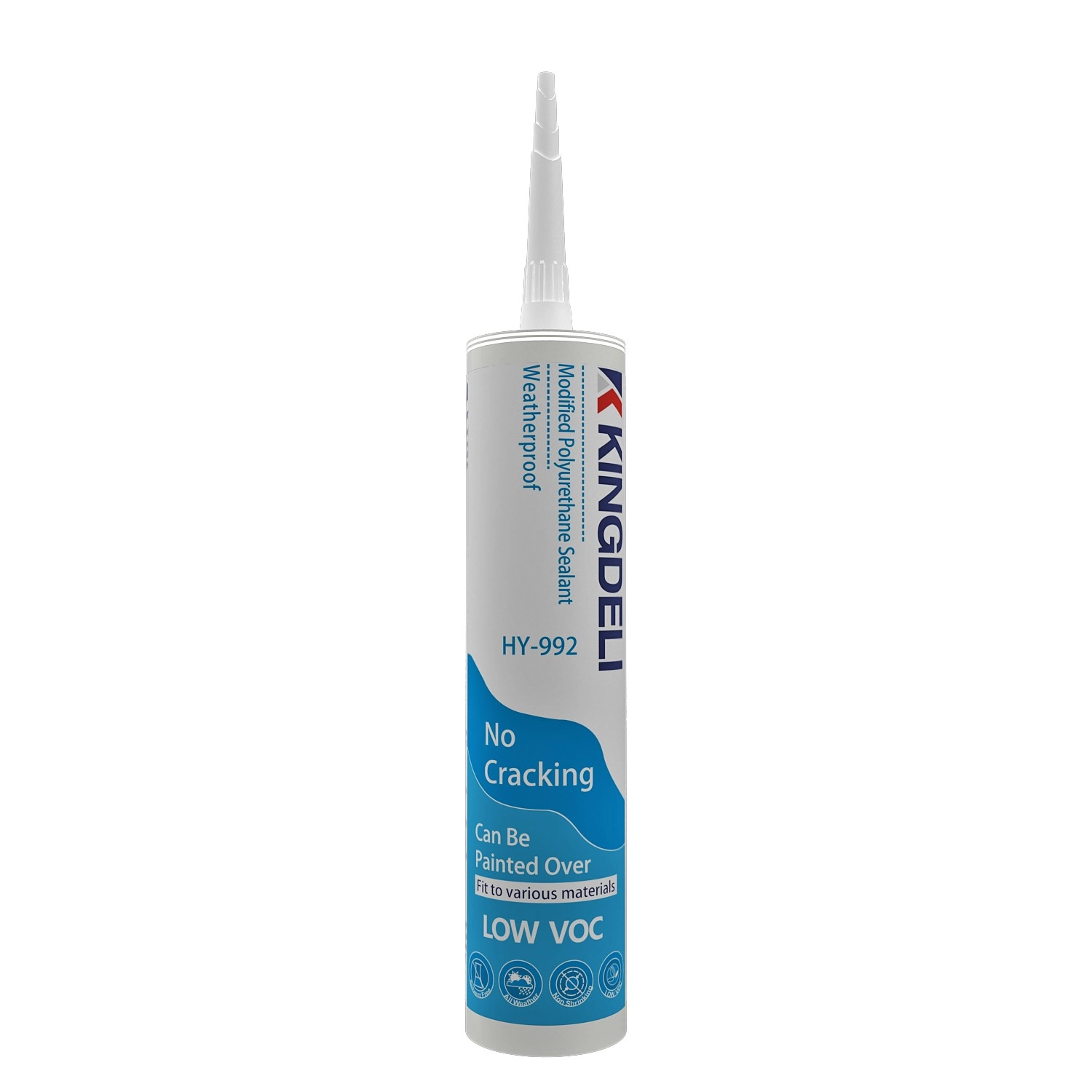
HY992 Modified Polyurethane Construction Sealant
HY992 Modified Polyurethane Sealant is a one-component, moisture-curing construction sealant designed for professional building and structural sealing applications. It provides excellent adhesion, weather resistance, and durable elasticity, making it suitable for a wide range of construction materials.
The formulation delivers strong bonding performance without corrosion or substrate contamination, while maintaining low VOC content for environmentally responsible construction projects.

HY995 Crystal Clear Ms Polymer Adhesive/Sealant
HY995 Crystal Clear Ms Polymer Adhesive/Sealant is a new generation MS Polymer adhesive / sealant formulated for all bonding and sealing applications where long term reliability is required. It has excellent bonding strength on various materials. It will cure to form a durable, flexible, waterproof seal.

HY997 High-Performance Anti-Microbial MS Polymer Sealant
HY997 MS polymer sealant for is is a premium one-component, neutral-curing modified silane sealant engineered for demanding interior applications. It offers a Class 20 movement capability, ensuring long-lasting flexibility and reliable performance under dynamic joint conditions. Curing at room temperature, HY997 delivers superior anti-microbial and mildew-resistant properties, maintaining hygienic and clean environments over time.
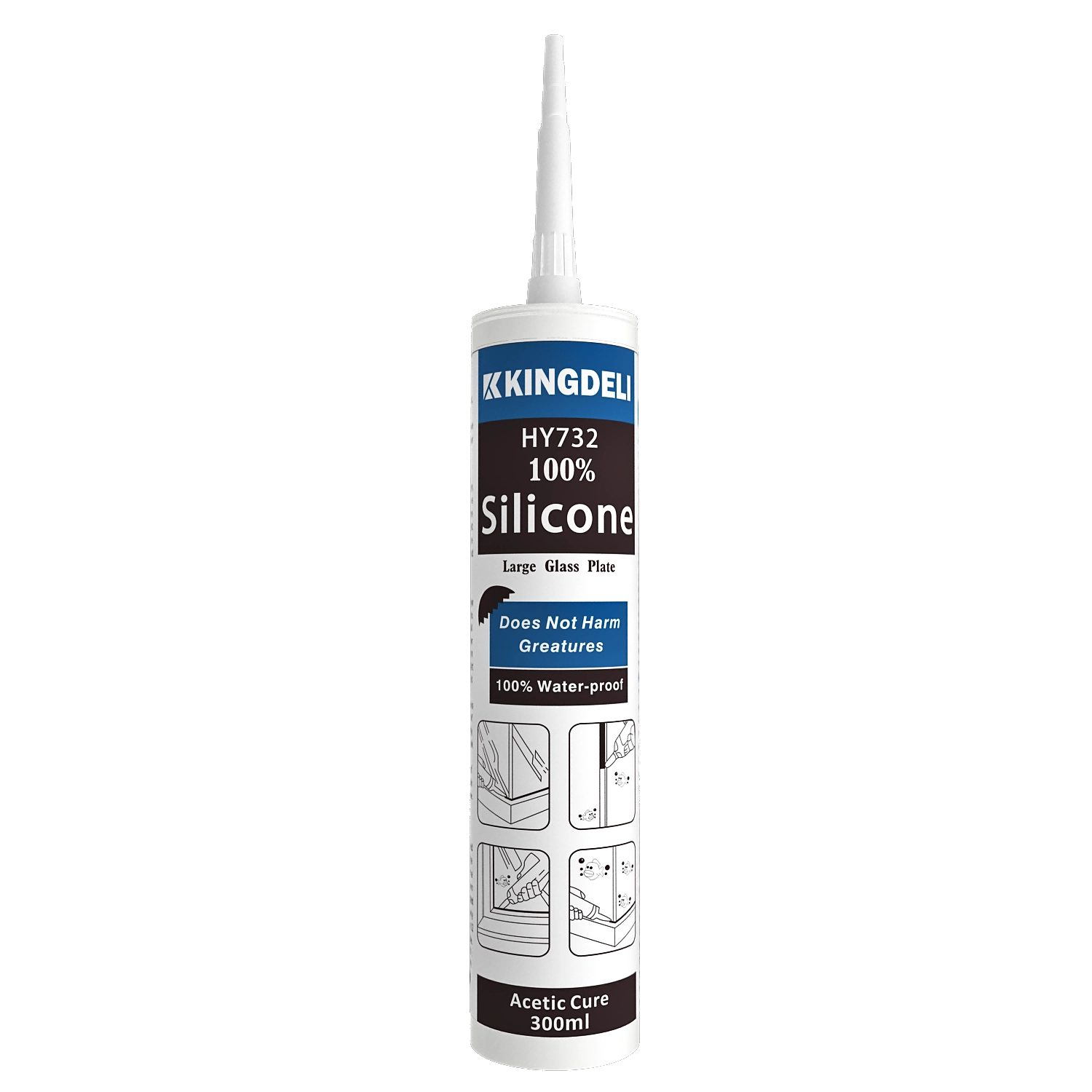
KINGDELI HY732 Professional Acetoxy Cure Silicone Sealant
KINGDELI HY732 is a professional-grade, one-component acetoxy cure silicone sealant designed for fast curing, strong adhesion, and long-lasting flexibility. Ideal for aquariums, glass applications, aluminum doors and windows, kitchens, and bathrooms, it provides reliable sealing performance with excellent anti-fungal protection in high-humidity environments.
Let’s Build Stronger Bonds with Quality Adhesives and Sealants
Have questions about the topic or need tailored sealant solutions for your project?
Our team is ready to provide expert guidance, product recommendations, and application support.
Innovating with Integrity, Bonding the World
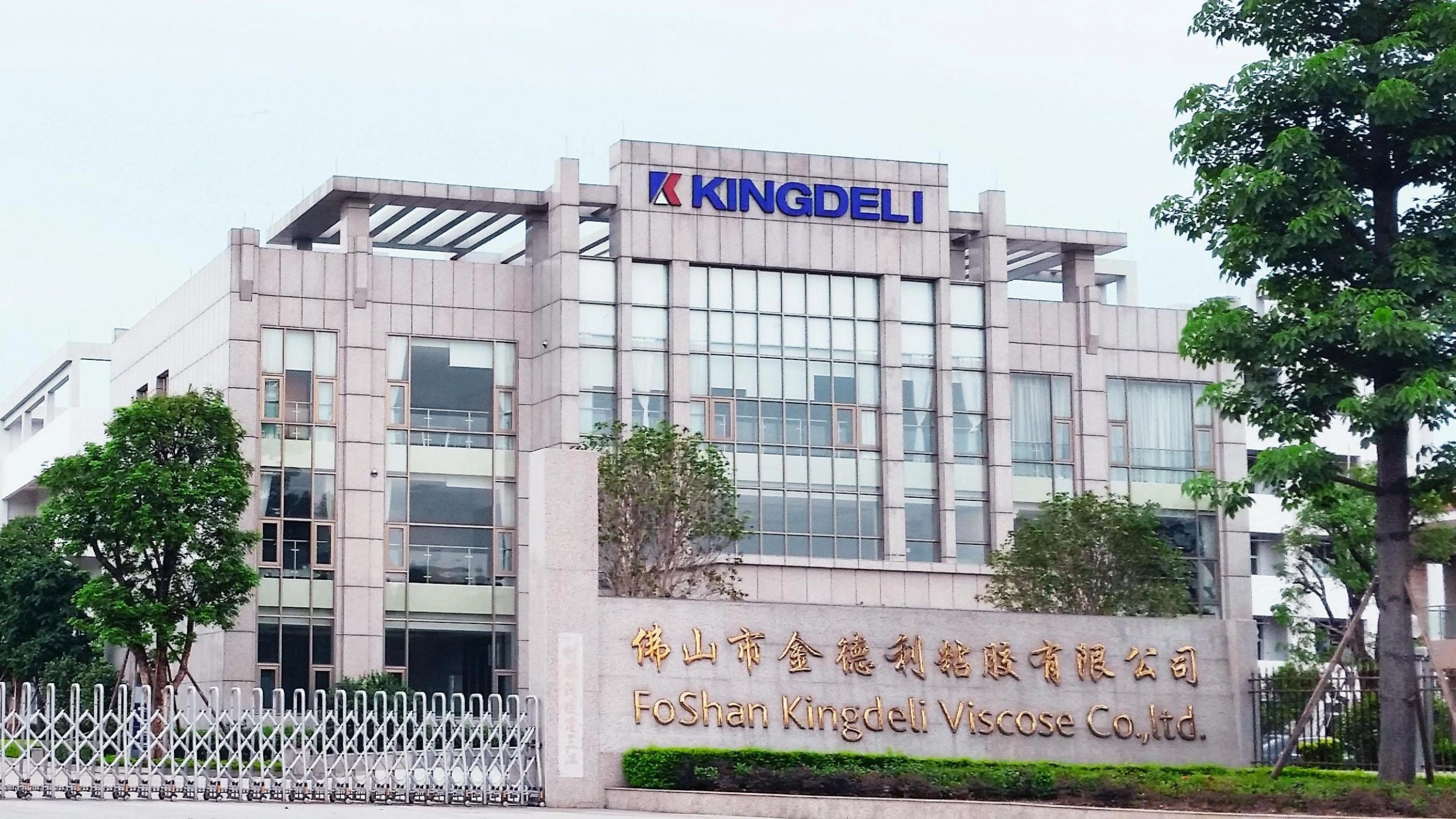
Since 1998, KINGDELI has delivered trusted, sustainable sealant solutions that connect industries and inspire progress worldwide.
Whatsapp: +8618825946249
Kingdeli
Kingdeli
Kingdeli
Kingdeli
Kingdeli