











Green Building: Low-VOC Neutral Cure Silicone Options

- Sustainable Construction Drivers and Why Sealant Choice Matters
- Indoor air quality, occupant health, and VOCs
- Performance expectations in sustainable projects
- Regulatory and certification frameworks
- Neutral vs Acetic Cure: Comparative Analysis for Green Projects
- Fundamental chemistry and cure mechanisms
- Compatibility, adhesion, and substrate sensitivity
- Environmental and occupant considerations
- Specifying Low-VOC Neutral Cure Silicone: Practical Steps
- Define performance and emissions requirements in specs
- Request documentation: emissions testing and certifications
- Specify application and acceptance testing
- Selection, Application, and Long-Term Performance
- How I choose specific formulations
- Surface preparation and priming
- Curing conditions, safety, and odor management
- Testing, Verification, and Lifecycle Considerations
- Verify emissions: lab and field testing
- Expected durability and maintenance
- End-of-life and sustainability reporting
- KINGDELI: Industry Expertise and Low-VOC Solutions
- Frequently Asked Questions (FAQ)
- 1. What is the difference between neutral cure silicone and acetic silicone sealant?
- 2. Are neutral cure silicones always low-VOC?
- 3. How do I specify a low-VOC silicone for a LEED or WELL project?
- 4. Can acetic silicone sealant be used on all substrates?
- 5. How should I manage odor and VOC exposure during installation?
- 6. Where can I get technical support or low-VOC product documentation?
In the context of green building and healthy indoor environments, choosing the right silicone sealant is about more than gap-filling: it's about long-term indoor air quality, regulatory compliance, and durable performance. I explain why low-VOC neutral cure silicones deserve close consideration for sustainable construction, how they compare with traditional acetic silicone sealant formulations, and practical steps for specification, testing, and installation that help projects meet green building standards and occupant expectations.
Sustainable Construction Drivers and Why Sealant Choice Matters
Indoor air quality, occupant health, and VOCs
Indoor volatile organic compounds (VOCs) remain a primary concern for green building programs and occupant health. Regulatory bodies and public health organizations, including the U.S. Environmental Protection Agency, identify VOCs as contributors to poor indoor air quality and potential health effects. See the EPA overview of VOCs for context: EPA: VOCs and Indoor Air Quality. When specifying sealants, I focus on formulations that limit emissions during and after cure to protect installers and building occupants.
Performance expectations in sustainable projects
Green building projects still demand high-performance joint sealants—adhesion, movement capability, weatherability, and long-term durability. Neutral cure silicones typically meet these performance criteria while offering lower odor and broader substrate compatibility than acetic cure products. That balance between low emissions and technical performance is essential to meeting LEED, WELL, BREEAM, or local green procurement requirements.
Regulatory and certification frameworks
Standards and local VOC limits matter. For project teams I work with, familiarity with ASTM standards (e.g., ASTM C920 for elastomeric joint sealants) and regional rules such as South Coast AQMD Rule 1168 (SCAQMD Rule 1168) is non-negotiable. These documents define performance classes and emission constraints that affect product selection and specification language.
Neutral vs Acetic Cure: Comparative Analysis for Green Projects
Fundamental chemistry and cure mechanisms
Neutral cure silicones typically use alkoxy or oxime curing chemistries that release alcohols or ketoximes during cure, whereas acetic silicone sealant formulations release acetic acid (vinegar-like odor) as they cure. The acetic release can be corrosive to some substrates and may cause stronger odor complaints on-site. For sensitive interiors and projects with metal or stone substrates, I generally favor neutral cure systems.
Compatibility, adhesion, and substrate sensitivity
Acetic silicones often bond well to many non-porous surfaces but can damage metals or react with moisture-sensitive substrates. Neutral silicones deliver broader compatibility with metals, coated surfaces, and natural stone—an important consideration for architectural glazing, curtain wall interfaces, and interior joints.
Environmental and occupant considerations
From an IAQ perspective, the acetic odor during cure is a negative; beyond odor, the acetic acid release may produce corrosion or staining over time on sensitive materials. Neutral silicones help minimize those risks, and when formulated as low-VOC, they limit far more of the long-tail emissions that matter in green building certifications.
| Property | Neutral Cure Silicone | Acetic Silicone Sealant |
|---|---|---|
| Cure By-Product | Alcohols/ketoximes (less acidic) | Acetic acid (vinegar odor) |
| Substrate Compatibility | Broad (metals, coated surfaces, stone) | Good on glass and many non-porous surfaces; can corrode metals/stone |
| Odor During Cure | Low/Minimal | Strong (acetic odor) |
| Typical Use in Green Projects | High (preferred for IAQ-sensitive jobs) | Limited (used where substrate allows and cost is driver) |
| Typical VOC Options | Available in low-VOC formulations suitable for LEED/WELL | Fewer low-emission formulations; odor and acid release are concerns |
Sources: general silicone chemistry and product information (see Silicone sealant — Wikipedia) and performance standards (see ASTM C920).
Specifying Low-VOC Neutral Cure Silicone: Practical Steps
Define performance and emissions requirements in specs
When I write specifications for sustainable projects, I include explicit performance language: movement capability (±25% or as required), adhesion to specific substrates, and compliance with ASTM C920 where relevant. Equally important: call out VOC or emission limits. Reference regional rules or green standards—e.g., SCAQMD Rule 1168 or project-specific LEED/WELL emissions criteria—to require low-VOC or low-emitting products. For guidance on green building emissions criteria, see the U.S. Green Building Council: USGBC Standards.
Request documentation: emissions testing and certifications
Request third-party data: product VOC content (by ASTM D2369 or equivalent), TVOC chamber tests (ISO 16000-9 / ISO 16000-6 based studies), and any compliance with low-emitting materials programs. I also look for manufacturer test reports for adhesion retention after accelerated weathering and explicit statements on solvents or plasticizers avoided in formulations.
Specify application and acceptance testing
Include acceptance criteria: visual inspection, adhesion tests, and post-cure air quality checks where project IAQ is critical. For interior projects, consider baseline air sampling post-installation and 7–14 day follow-up measurements if occupants are sensitive. For recommended testing methods for indoor air and VOCs, WHO and EPA resources are useful: WHO Air Quality.
Selection, Application, and Long-Term Performance
How I choose specific formulations
Selection is a balance: low-VOC neutral cure silicone with proven adhesion on specified substrates, backed by laboratory and field data. I prefer products with clear technical data sheets showing movement capability, Shore A hardness, tensile properties, and adhesion test results. If the project calls for low-VOC, request the manufacturer’s VOC measurement method and results.
Surface preparation and priming
Proper substrate preparation is non-negotiable: clean, dry, and degreased surfaces; use primer where recommended by the manufacturer. Neutral silicone adhesives typically adhere better to metals and coated surfaces than acetic types, but primers may still be required on porous or difficult substrates. Follow manufacturer instructions and perform mock-up joints when in doubt.
Curing conditions, safety, and odor management
Neutral cure silicones offer lower odor, but installers still need good ventilation during application and cure. Use appropriate PPE and ensure humidity levels are within the manufacturer’s recommended cure window; many neutral silicones require 40–70% relative humidity for optimal skin formation and cure rates. For projects in controlled environments (theaters, hospitals), plan application schedules to minimize occupant exposure during early cure.
Testing, Verification, and Lifecycle Considerations
Verify emissions: lab and field testing
Ask for third-party test reports. Chamber tests (ISO 16000 series) or small-scale environmental chamber studies provide reliable TVOC emission profiles over time. For regulatory conformity, manufacturers should supply VOC content measured by standard methods (e.g., ASTM D2369). I also recommend periodic field sampling in sensitive spaces when multiple low-emitting materials are installed concurrently.
Expected durability and maintenance
Silicone sealants, when correctly specified and applied, can last decades with minimal maintenance—often outlasting many other commodity sealants. Neutral silicones are particularly resilient on metal and stone. For long-term performance, design joints with proper geometry (depth-to-width ratios per manufacturer guidance) and plan for periodic inspection rather than frequent replacement.
End-of-life and sustainability reporting
From a lifecycle perspective, silicone sealants are inert once cured, but construction waste management should still include proper waste segregation. For sustainability reporting, collect manufacturer data on material composition, VOC content, and any sustainability certifications to include in the project’s Environmental Product Declarations (EPDs) or material transparency documentation.
KINGDELI: Industry Expertise and Low-VOC Solutions
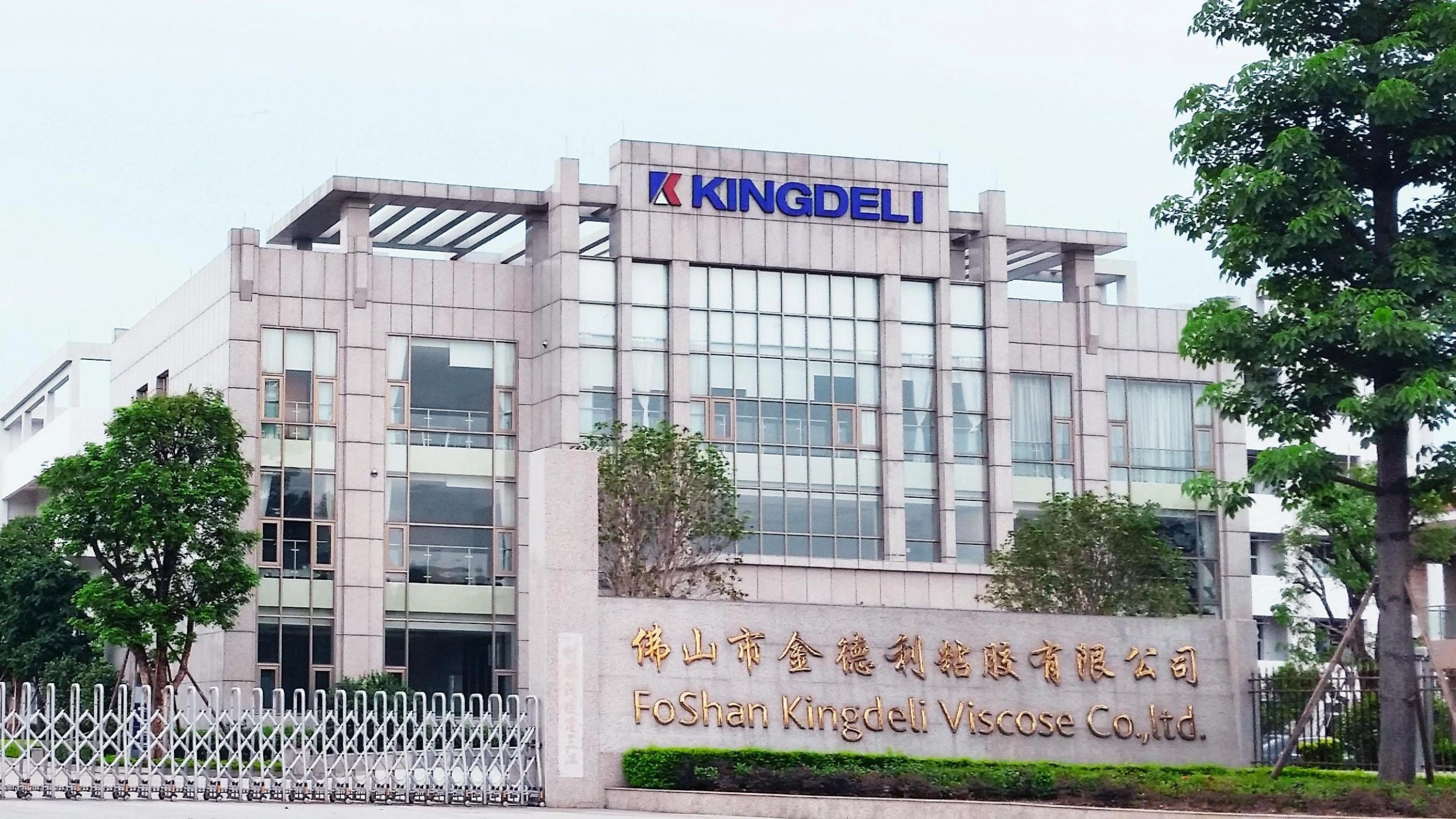
Since its establishment in 1998, KINGDELI has stood as a global leader in the high-performance sealant, adhesive, and coating industry. Headquartered in Foshan, China, our state-of-the-art 66,000 m² facility is powered by fully automated production lines with an annual capacity exceeding 100,000 tons, ensuring a consistent and robust supply for partners worldwide.
As a recognized National High-Tech Enterprise and a key contributor to the National Standard GB/T 29755-2013, we unite advanced manufacturing power with technical excellence. Our comprehensive product portfolio—spanning Neutral & Acetic Silicone, Polyurethane, MS Polymer, and No More Nails adhesives—is engineered to meet strict international standards, including ISO 9001, ISO 14001, CE, and ASTM.
With over 27 years of industry expertise and a trusted presence in 50+ countries, KINGDELI is more than a manufacturer; we are a dedicated solution provider. We offer end-to-end OEM/ODM support, sustainable low-VOC formulations, and professional technical service. At KINGDELI, we are driven by innovation and integrity, building trust and sealing the future for customers around the globe.
Key products particularly relevant to green building projects include: neutral silicone sealant, acetic silicone sealant, Acrylic Sealant, silicone glazing sealant, No More Nails adhesive, Polyurethane Sealant, MS polymer Sealant, RTV Gasket Maker, Epoxy Tile Grout, and Self-Leveling Sealant. If your specification requires low-VOC neutral silicones with test reports and OEM/ODM support, KINGDELI can provide tailored solutions and documentation to support LEED/WELL/BREEAM submissions.
Frequently Asked Questions (FAQ)
1. What is the difference between neutral cure silicone and acetic silicone sealant?
Neutral cure silicones release non-acidic by-products (e.g., alcohols or ketoximes) during cure and are broadly compatible with metals, coated surfaces, and natural stone. Acetic silicone sealant releases acetic acid during cure, producing a vinegar-like odor and potential corrosion or staining on sensitive substrates.
2. Are neutral cure silicones always low-VOC?
No—neutral cure describes the curing chemistry, not automatically the VOC content. Many manufacturers produce low-VOC neutral silicones; you should request VOC test data and third-party emissions reports to confirm compliance with project requirements.
3. How do I specify a low-VOC silicone for a LEED or WELL project?
Reference applicable local VOC limits and green standards in the specification, require manufacturer VOC test reports (method cited), and request emissions testing or third-party certification for low-emitting materials. Include performance requirements (movement capability, adhesion, ASTM C920 where applicable) alongside emission limits.
4. Can acetic silicone sealant be used on all substrates?
No. While acetic silicone bond well to many non-porous substrates like glass, it can corrode metals and stain or damage certain stones and finishes. For mixed-material façades or sensitive interiors, neutral cure silicones are often the safer choice.
5. How should I manage odor and VOC exposure during installation?
Ensure adequate ventilation, schedule installations to minimize occupant exposure (after hours where possible), use low-VOC products, and follow manufacturer guidance for PPE. Consider baseline and follow-up indoor air testing in sensitive spaces.
6. Where can I get technical support or low-VOC product documentation?
Contact the manufacturer or an experienced technical consultant. For example, KINGDELI provides technical service, OEM/ODM support, and documentation including VOC test reports and performance data for neutral silicone sealant and related products.
For project consultations, specification assistance, or to review KINGDELI’s low-VOC neutral and acetic silicone sealant options and technical dossiers, contact our team or view product data sheets: KINGDELI – Products & Contact. You can also request sample testing and on-site technical support to validate choice and application.
The Ultimate Guide to Buying RTV Gasket Maker Bulk: 7 Secrets to Saving 40% on Industrial Supplies (2026 Edition)
Top 10 High Temperature RTV Gasket Makers Ranked: Performance, Durability, and Heat Resistance (2026 Edition)
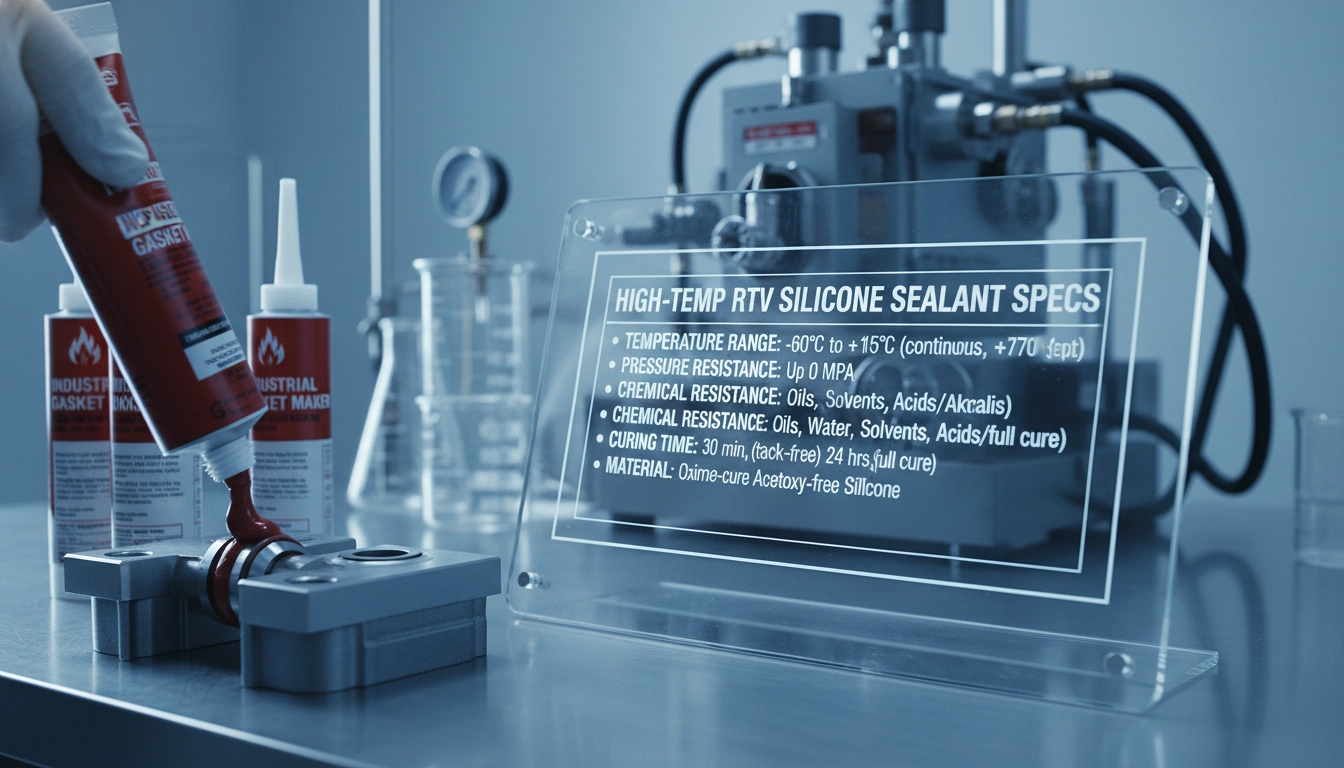
7 Industry Secrets Your Industrial RTV Gasket Maker Supplier Won't Tell You About Performance
Top 10 acrylic sealant Manufacturers and Supplier Brands in Hardware and Building Materials
HY992
Can the sealant be painted?
Yes. HY992 is paintable after curing and is compatible with most water-based and solvent-based architectural coatings. A paint compatibility test is recommended before full application.
What type of sealant is HY992?
HY992 is a one-component, moisture-curing modified polyurethane sealant designed for construction bonding and sealing. It cures by reacting with atmospheric moisture to form a durable and elastic rubber seal.
HY993
Is HY993 suitable for gap-filling?
Yes. Its high bonding strength and elastomeric properties make it suitable for sealing and filling various construction gaps and joints.
HY994
What substrates can HY994 bond or seal?
HY994 adheres strongly to stone, ceramic tile, aluminum, stainless steel, metals, plastics, concrete, wood (non-oily), and many porous or smooth surfaces. It is also effective on slightly damp substrates.
HY-3300
Do you offer technical support or application guidance?
Yes. Our technical team provides professional guidance on product selection, application methods, and troubleshooting to ensure optimal performance.
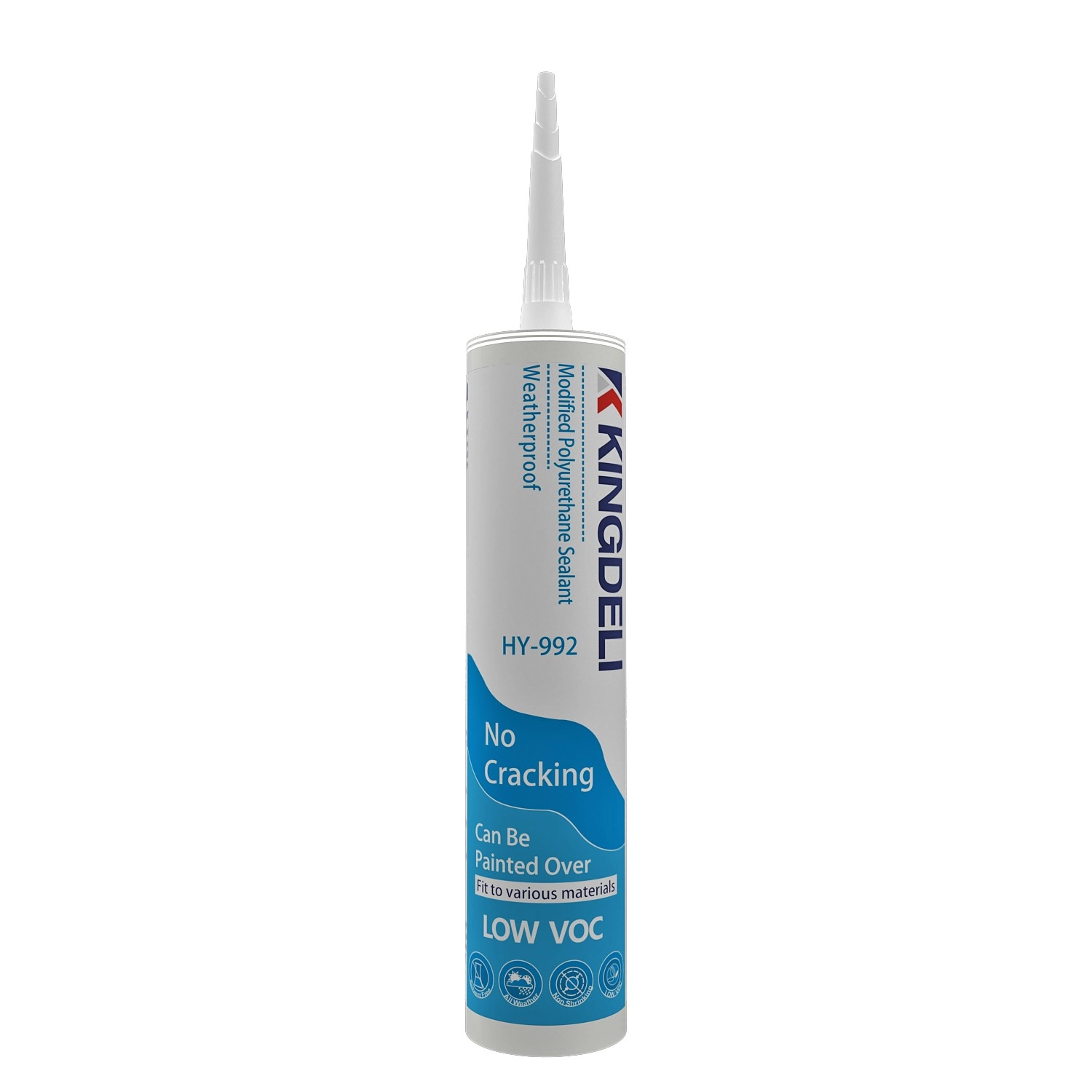
HY992 Modified Polyurethane Construction Sealant
HY992 Modified Polyurethane Sealant is a one-component, moisture-curing construction sealant designed for professional building and structural sealing applications. It provides excellent adhesion, weather resistance, and durable elasticity, making it suitable for a wide range of construction materials.
The formulation delivers strong bonding performance without corrosion or substrate contamination, while maintaining low VOC content for environmentally responsible construction projects.

HY995 Crystal Clear Ms Polymer Adhesive/Sealant
HY995 Crystal Clear Ms Polymer Adhesive/Sealant is a new generation MS Polymer adhesive / sealant formulated for all bonding and sealing applications where long term reliability is required. It has excellent bonding strength on various materials. It will cure to form a durable, flexible, waterproof seal.

HY997 High-Performance Anti-Microbial MS Polymer Sealant
HY997 MS polymer sealant for is is a premium one-component, neutral-curing modified silane sealant engineered for demanding interior applications. It offers a Class 20 movement capability, ensuring long-lasting flexibility and reliable performance under dynamic joint conditions. Curing at room temperature, HY997 delivers superior anti-microbial and mildew-resistant properties, maintaining hygienic and clean environments over time.
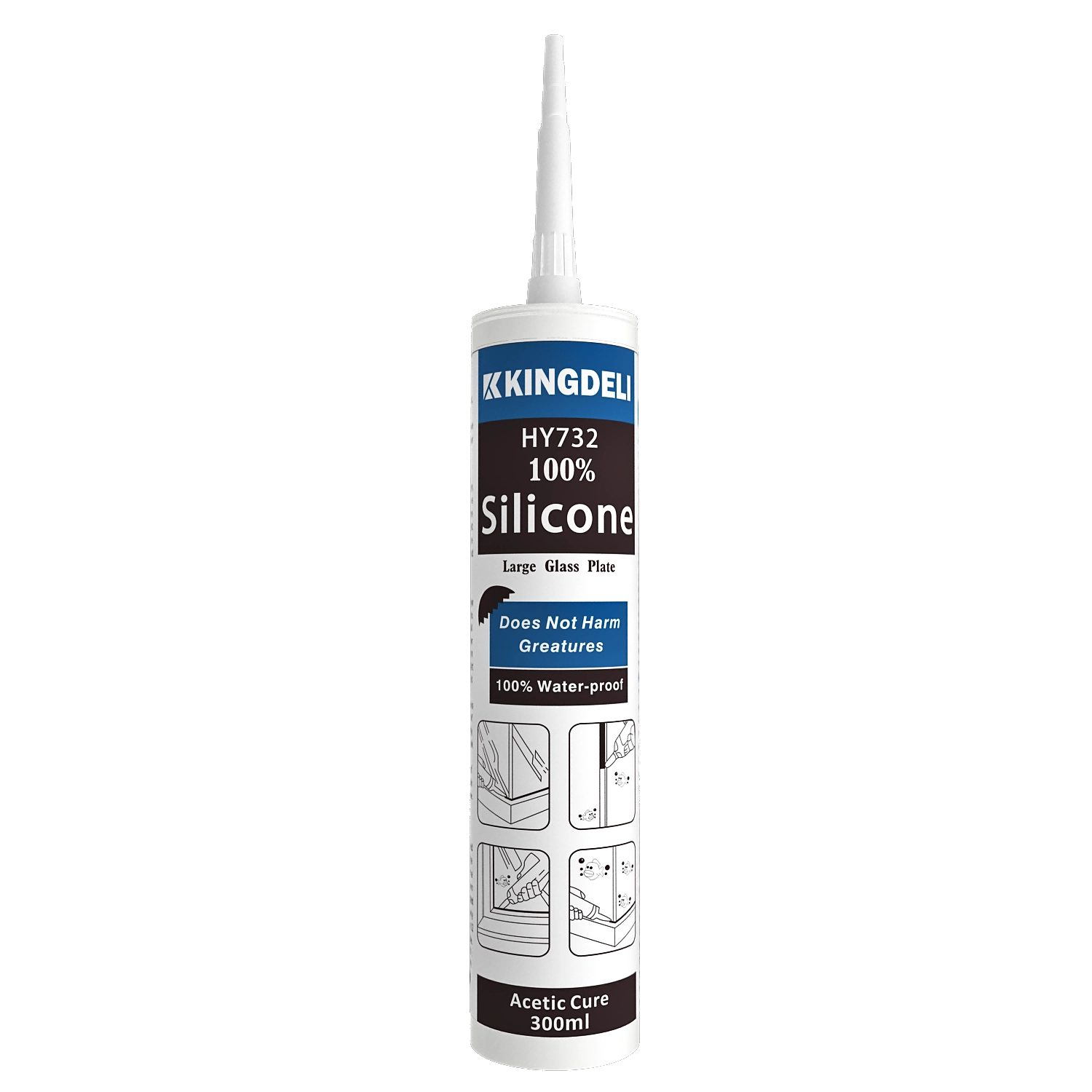
KINGDELI HY732 Professional Acetoxy Cure Silicone Sealant
KINGDELI HY732 is a professional-grade, one-component acetoxy cure silicone sealant designed for fast curing, strong adhesion, and long-lasting flexibility. Ideal for aquariums, glass applications, aluminum doors and windows, kitchens, and bathrooms, it provides reliable sealing performance with excellent anti-fungal protection in high-humidity environments.
Let’s Build Stronger Bonds with Quality Adhesives and Sealants
Have questions about the topic or need tailored sealant solutions for your project?
Our team is ready to provide expert guidance, product recommendations, and application support.
Innovating with Integrity, Bonding the World
Since 1998, KINGDELI has delivered trusted, sustainable sealant solutions that connect industries and inspire progress worldwide.
Whatsapp: +8618825946249
Kingdeli
Kingdeli
Kingdeli
Kingdeli
Kingdeli