











Installation Best Practices for Neutral Cure Silicone Sealants

- Understanding silicone chemistry and cure mechanisms
- Neutral vs acetic cure: practical implications
- Cure rates, environmental factors, and selection
- Surface preparation and substrate compatibility
- Cleaning and contaminant assessment
- Primers and adhesion promoters
- Compatibility with coatings and substrates
- Joint design, application, and tooling
- Joint dimensions and backer material
- Application technique and tooling
- Comparative properties: neutral vs acetic
- Quality assurance, testing, and long-term maintenance
- On-site testing and verification
- Troubleshooting common failures
- Maintenance and inspection intervals
- KINGDELI: manufacturing strength and product solutions
- FAQs
- 1. When should I choose neutral cure silicone over acetic silicone sealant?
- 2. Do neutral silicones require primers?
- 3. How deep should sealant joints be?
- 4. How long does it take for neutral silicone to fully cure?
- 5. Can neutral silicone be painted over?
- 6. What are common reasons for sealant failure?
I write from years of hands-on experience specifying and supervising sealant installations across façade, glazing, sanitary, and industrial applications. This article summarizes installation best practices for neutral cure silicone sealants, explains when and why to choose neutral over acetic systems, and gives concrete, verifiable steps you can apply on project sites. I reference industry standards and authoritative sources so you can confirm recommendations and adapt them to your local codes and substrates.
Understanding silicone chemistry and cure mechanisms
Before you start any installation, it’s essential to understand the basic chemistry that differentiates neutral cure silicone sealants from other types, such as acetic cure (often called acetic silicone sealant). Neutral cure silicones release alcohols or oximes as byproducts and do not emit acetic acid during cure. This difference affects substrate compatibility, corrosion risk, odor, and cure behavior.
Neutral vs acetic cure: practical implications
Neutral cure formulations are generally more substrate-friendly. They’re preferred for use on sensitive metals (e.g., copper, brass), coated surfaces, stone, and where corrosion or staining must be avoided. Acetic silicones, while fast-curing and economical, release acetic acid (vinegar-like odor) that can corrode certain metals and damage some coatings or natural stones. For more background on silicone sealant chemistry, see the Wikipedia overview: Silicone sealant — Wikipedia.
Cure rates, environmental factors, and selection
Cure rate for neutral silicones is influenced by humidity and temperature; they typically cure slightly slower than acetoxy (acetic) systems under identical conditions. In cold or low-humidity environments allow additional time for full cure. I recommend checking Technical Data Sheets (TDS) for tack-free times and cure rates and validating on-site with test beads before full application.
Surface preparation and substrate compatibility
Proper surface preparation is the most common determinant of long-term seal performance. I cannot overstate that poor cleaning or ignoring primer recommendations accounts for the majority of installation failures.
Cleaning and contaminant assessment
Start with a visual and tactile inspection. Remove gross contamination (old sealant, loose paint, oil) mechanically with tools appropriate to the substrate. Follow with solvent cleaning. For most neutral silicones, I use a two-step wipe: a degreasing solvent (isopropyl alcohol or a manufacturer-recommended cleaner) followed by a final wipe with a clean cloth. Avoid solvents that leave residues. If in doubt, perform a small adhesion test after cleaning.
Primers and adhesion promoters
Many neutral silicone formulations bond well to common substrates without a primer, but porous, low-energy, or contaminated surfaces often require a primer. Follow manufacturer guidance: primers improve adhesion and reduce risk of adhesive failures, especially on metals, plastics (e.g., ABS, PVC), and certain coatings. When a primer is specified, apply uniformly, allow the recommended flash-off time, and test adhesion where possible.
Compatibility with coatings and substrates
Some paints, coatings, and natural stones are sensitive to cure byproducts or contain plasticizers that can migrate and cause staining or adhesion loss. Because acetic silicones can corrode or stain, neutral silicones are often the safer choice where aesthetics or metal corrosion is a concern. For critical applications, consult material safety data sheets and perform mock-ups. Standards such as ISO 11600 and ASTM C920 help define performance classes and test methods for elastomeric sealants.
Joint design, application, and tooling
Even with the best sealant, incorrect joint geometry, poor bead profile, or improper tooling will shorten service life. I apply the rule: design the joint to control movement, allow adequate bond area, and prevent three-sided adhesion unless intended.
Joint dimensions and backer material
Use closed-cell polyethylene foam backer rods to control sealant depth and prevent three-sided adhesion. As a general guideline, joint depth should be approximately half the joint width for joints up to 12 mm, and no less than 6 mm depth for wider joints; refer to sealant manufacturer recommendations for critical tolerances. Correct backer rod selection reduces stress on the sealant during movement cycles.
Application technique and tooling
Apply sealant in a continuous bead using a cartridge or pneumatic gun that gives uniform pressure. Tool the bead within the manufacturer’s skin time to form a smooth, concave profile that ensures full contact with bond faces and expels trapped air. Avoid over-tooling. For vertical joints, use tooling horn angles recommended by the manufacturer to obtain proper contact. Always remove masking tape immediately after tooling.
Comparative properties: neutral vs acetic
| Property | Neutral Cure Silicone | Acetic Silicone Sealant |
|---|---|---|
| Byproduct | Alcohols / oximes (non-acidic) | Acetic acid (vinegar odor) |
| Substrate compatibility | High; safer for metals and coated surfaces | Lower; may corrode metals and stain stone |
| Cure speed | Moderate; sensitive to humidity | Often faster (quick skin time) |
| Odor | Low to moderate | Strong acetic odor |
Data summarized from manufacturer technical literature and chemistry descriptions; see general reference on silicone sealants: Wikipedia.
Quality assurance, testing, and long-term maintenance
To achieve predictable life expectancy, incorporate QA steps during and after installation. I usually require adhesive pull-off tests for critical joints, along with visual inspections and cure verification.
On-site testing and verification
Perform test beads on representative substrates to confirm adhesion and cure characteristics. For critical façade or glazing applications, perform adhesion testing per ASTM methods where applicable. Maintain records: surface prep photos, batch numbers, ambient conditions, and applicator sign-off. These traceability practices reduce disputes and support warranty claims.
Troubleshooting common failures
Failure modes usually reveal root causes: adhesive failure implies poor surface preparation or lack of primer; cohesive failure indicates the sealant itself was overstressed or incompatible with joint movement; staining or corrosion suggests an inappropriate cure type (acetic) for the substrate. When you encounter issues, collect samples for lab analysis and compare to standard tests—ASTM and ISO documents provide accepted evaluation methods (ASTM C920).
Maintenance and inspection intervals
Recommend routine inspections—typically every 1–3 years depending on exposure. UV, ozone, and cyclic movement degrade sealants; neutral silicones offer excellent UV resistance, but seals exposed to severe movement or chemical exposure should be part of an ongoing maintenance plan. I advise replacing perimeter glazing seals or high-movement joints when adhesion or elasticity drops below manufacturer-specified criteria.
KINGDELI: manufacturing strength and product solutions
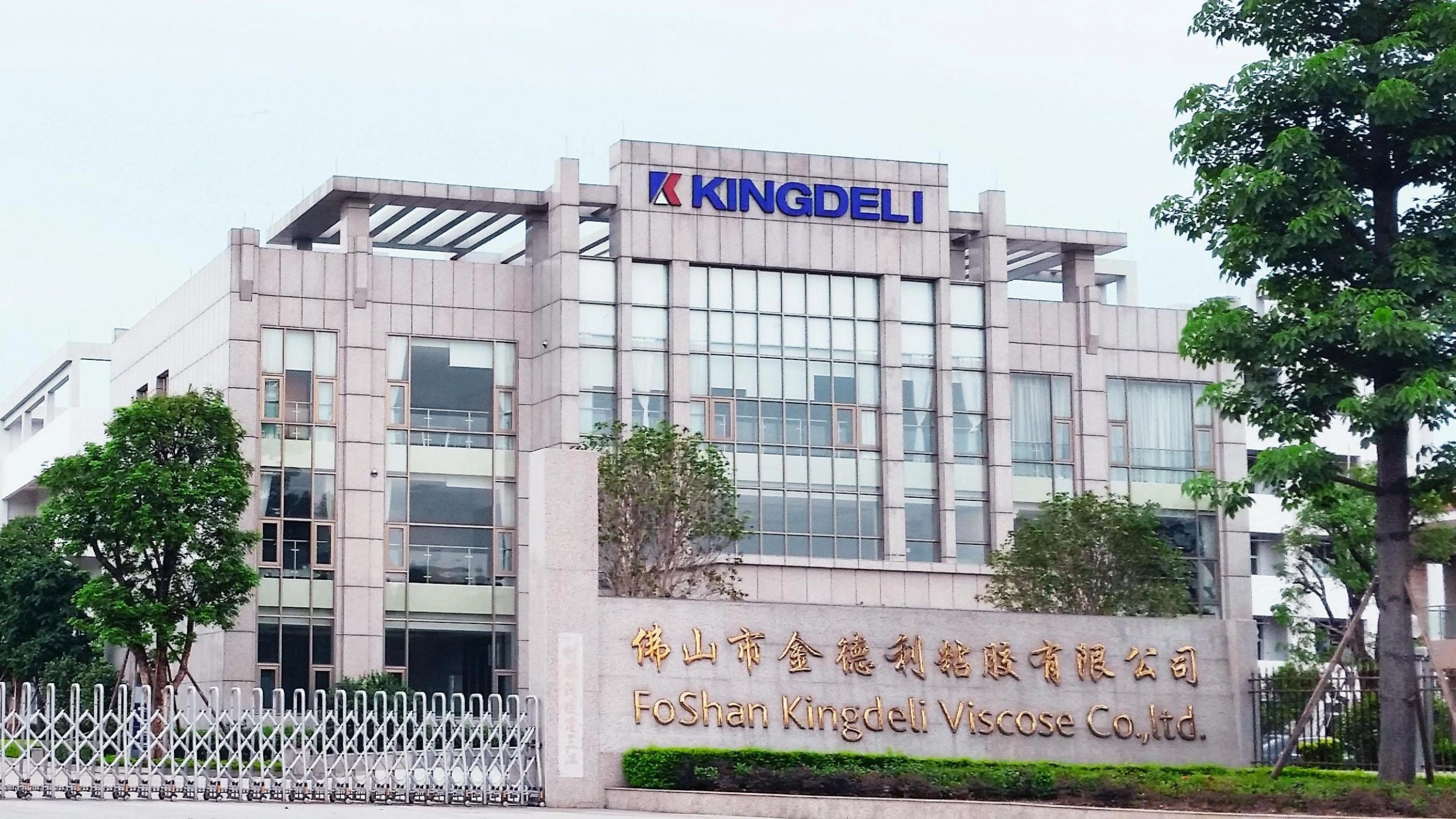
Since its establishment in 1998, KINGDELI has stood as a global leader in the high-performance sealant, adhesive, and coating industry. Headquartered in Foshan, China, our state-of-the-art 66,000 m² facility is powered by fully automated production lines with an annual capacity exceeding 100,000 tons, ensuring a consistent and robust supply for partners worldwide.
As a recognized National High-Tech Enterprise and a key contributor to the National Standard GB/T 29755-2013, we unite advanced manufacturing power with technical excellence. Our comprehensive product portfolio—spanning Neutral & Acetic Silicone, Polyurethane, MS Polymer, and No More Nails adhesives—is engineered to meet strict international standards, including ISO 9001, ISO 14001, CE, and ASTM.
With over 27 years of industry expertise and a trusted presence in 50+ countries, KINGDELI is more than a manufacturer; we are a dedicated solution provider. We offer end-to-end OEM/ODM support, sustainable low-VOC formulations, and professional technical service. At KINGDELI, we are driven by innovation and integrity, building trust and sealing the future for customers around the globe.
For specifiers and installers, KINGDELI’s strengths include:
- Large, automated production capacity that stabilizes supply chains for large projects.
- R&D and standards involvement (GB/T 29755-2013) ensuring products meet contemporary performance expectations.
- A broad product suite that includes neutral silicone sealant, acetic silicone sealant, Acrylic Sealant, silicone glazing sealant, No More Nails adhesive, Polyurethane Sealant, MS polymer Sealant, RTV Gasket Maker, Epoxy Tile Grout, and Self-Leveling Sealant—allowing single-supplier solutions for many trades.
- Certifications (ISO, CE, ASTM testing compliance) and technical support for OEM/ODM projects.
When I evaluate suppliers, consistent production, accessible technical documentation (TDS/MSDS), and on-the-ground technical support are decisive. KINGDELI’s combination of manufacturing scale and standards leadership frequently speeds project approvals and reduces specification risk.
FAQs
1. When should I choose neutral cure silicone over acetic silicone sealant?
Choose neutral cure when you are sealing metals that can corrode (e.g., copper, brass), coated surfaces, natural stone, or any substrate sensitive to acidic byproducts. Neutral silicones reduce staining and corrosion risk compared to acetic silicones. For reference on sealant chemistry and byproducts, see Silicone sealant — Wikipedia.
2. Do neutral silicones require primers?
Not always. Many neutral silicones bond well to common construction materials without primer, but porous substrates, some plastics, and metals with specific coatings may still require primers. Follow the sealant manufacturer’s primer recommendations and validate with adhesion tests.
3. How deep should sealant joints be?
Joint depth is generally half the width for small joints; a minimum depth of about 6 mm is common for wider joints. Use backer rods to control depth and prevent three-sided adhesion. Always follow specific manufacturer guidance for your product and movement expectations.
4. How long does it take for neutral silicone to fully cure?
Cure time depends on thickness, humidity, and temperature. Neutral silicones often have moderate cure rates—surface skin forms in minutes to hours; full crosslink through a deep joint can take days. Check the product TDS for tack-free and full cure times and plan installations accordingly.
5. Can neutral silicone be painted over?
Most silicones are inherently non-paintable because coatings do not adhere well to cured silicone surfaces. If paintability is required, select a paintable sealant (e.g., some acrylic or hybrid MS polymers) or use specialized coatings designed to adhere to silicone. Always test compatibility first.
6. What are common reasons for sealant failure?
Typical causes include inadequate surface prep, lack of primer when needed, incorrect joint design producing excessive stress, using the wrong cure chemistry (e.g., acetic silicone on sensitive substrates), and environmental extremes beyond product design. Systematic inspection and testing help identify root cause.
If you have site-specific questions or need product recommendations, I encourage you to contact our technical team for testing protocols and product selection guidance.
Contact & product inquiry: For samples, technical data sheets, or project support, reach out to KINGDELI’s sales and technical service. Explore product options including neutral silicone sealant, acetic silicone sealant, Acrylic Sealant, silicone glazing sealant, No More Nails adhesive, Polyurethane Sealant, MS polymer Sealant, RTV Gasket Maker, Epoxy Tile Grout, and Self-Leveling Sealant. Our team can provide OEM/ODM quotations, low-VOC formulations, and on-site technical support to ensure successful installations.
Standards and references cited: ISO 11600 classification and ISO documentation; ASTM C920 performance classes and methods: ASTM C920; general silicone sealant overview: Wikipedia.
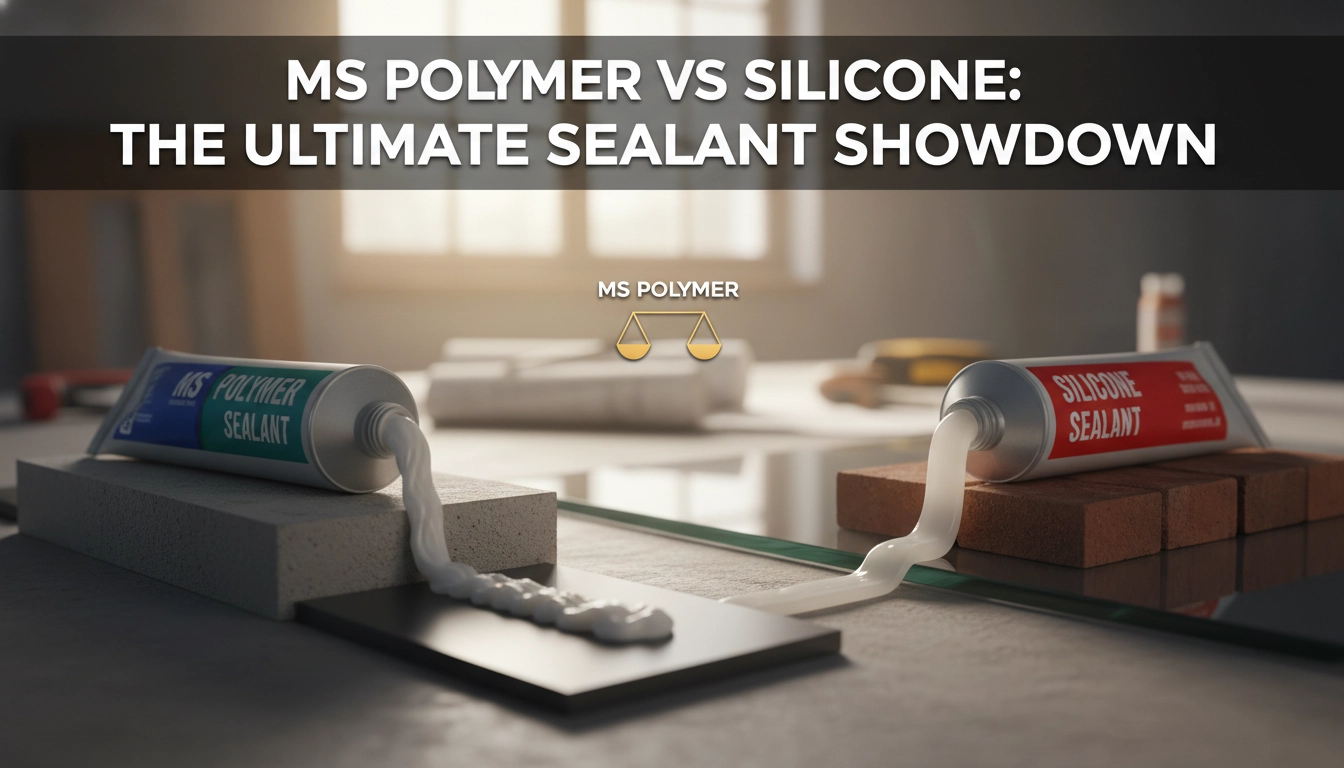
Avoid These 7 Common MS Sealant Mistakes: The Secret to Long-Lasting, Leak-Proof Joints
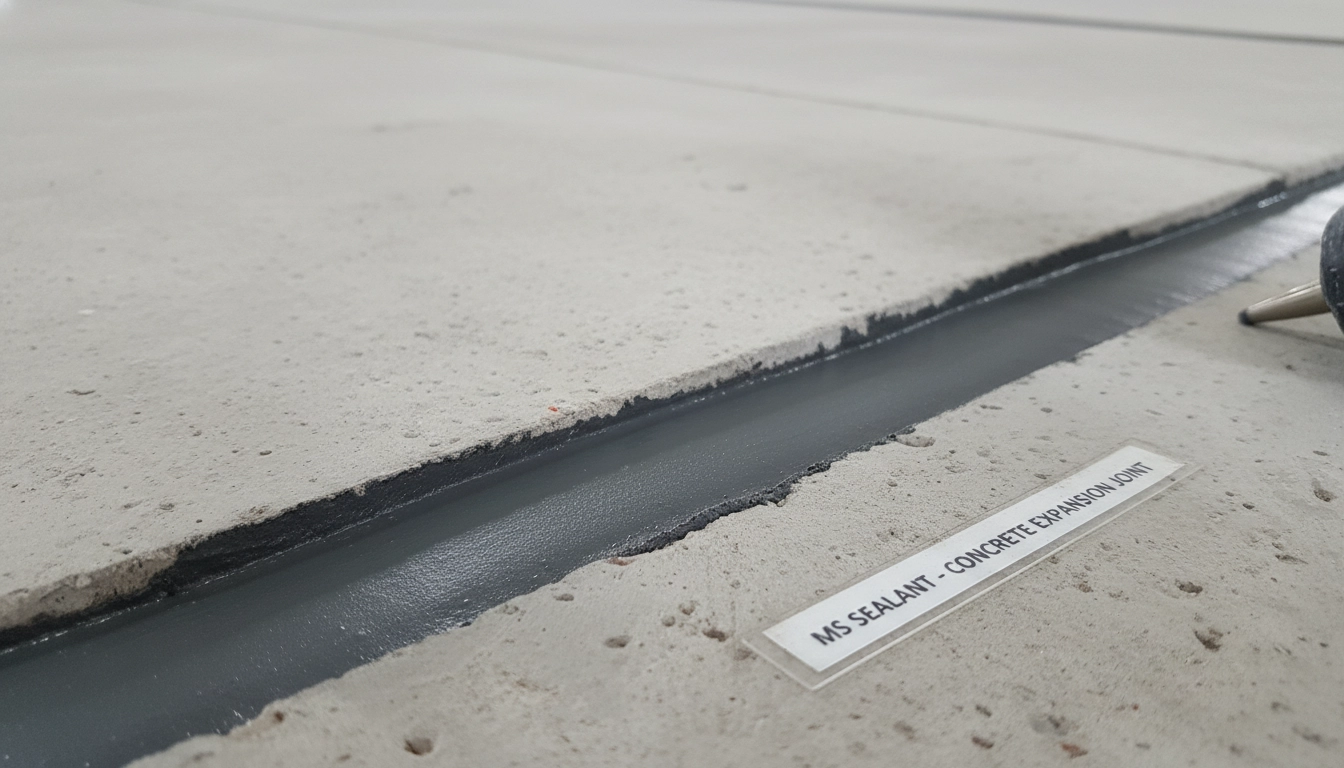
How to Use MS Sealant for Concrete: A Step-by-Step Professional Checklist (2026 Guide)
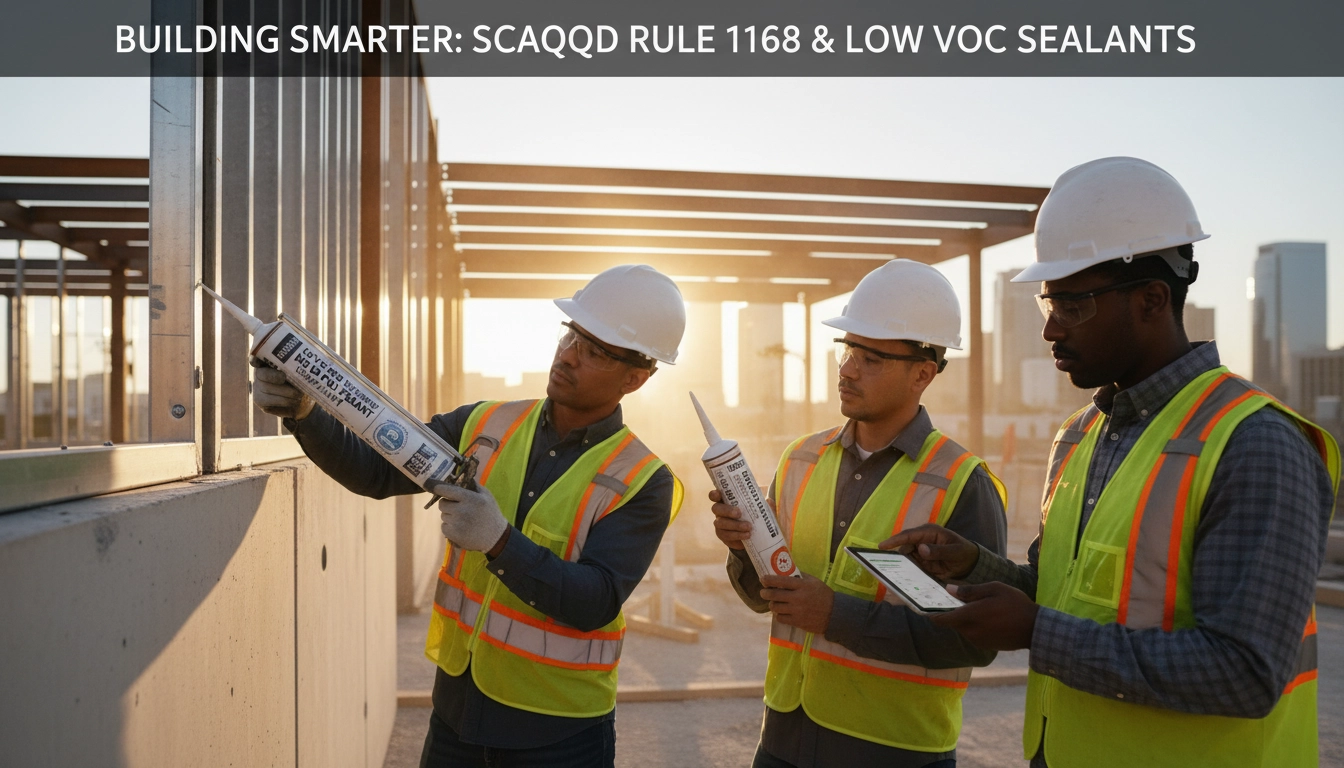
The 2026 Master Guide to MS Sealant: Why Low VOC is Now the Industry Standard
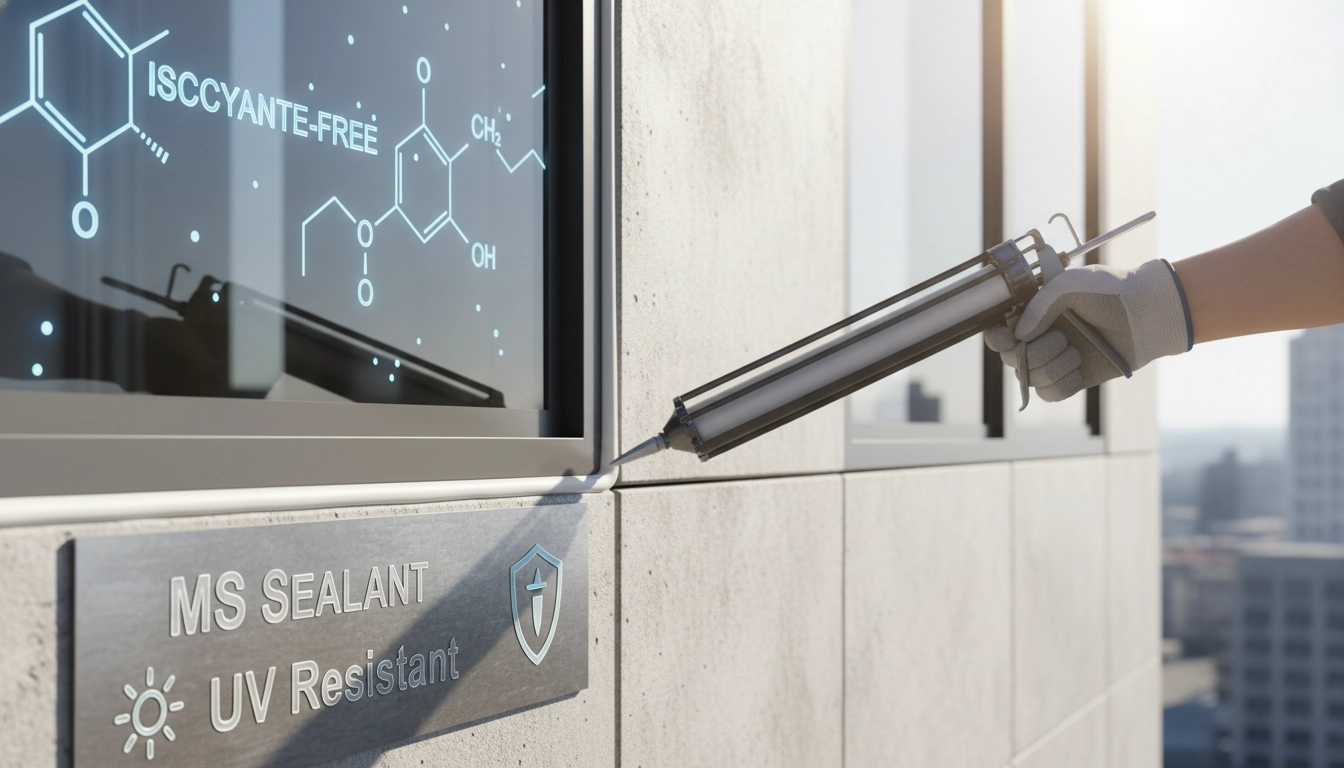
UV Resistant MS Sealant: The Professional's Secret to Zero Cracking and No Discoloration (2026 Guide)
HY-3300
What packaging options are available?
HY-3300 is available in 280ml/300ml cartridges and 500ml/600ml aluminum foil packages. We also offer custom cartridge labels and box designs to support your brand image.
HY- 972
Can HY-972 be painted over?
Yes. Once fully cured, HY-972 can be painted with most water-based paints.
HY982
Can the cured surface be painted?
Yes. After surface curing, HY982 can be painted or coated, allowing it to blend seamlessly with surrounding finishes.
HY-966
What type of adhesive is HY-966?
HY-966 is a one-component, heavy-duty construction adhesive sealant designed for high-strength bonding across a wide range of building materials.
HY739
What is HY-739 best used for?
It is ideal for glass sealing, DIY home repairs, bonding, and general building sealing.
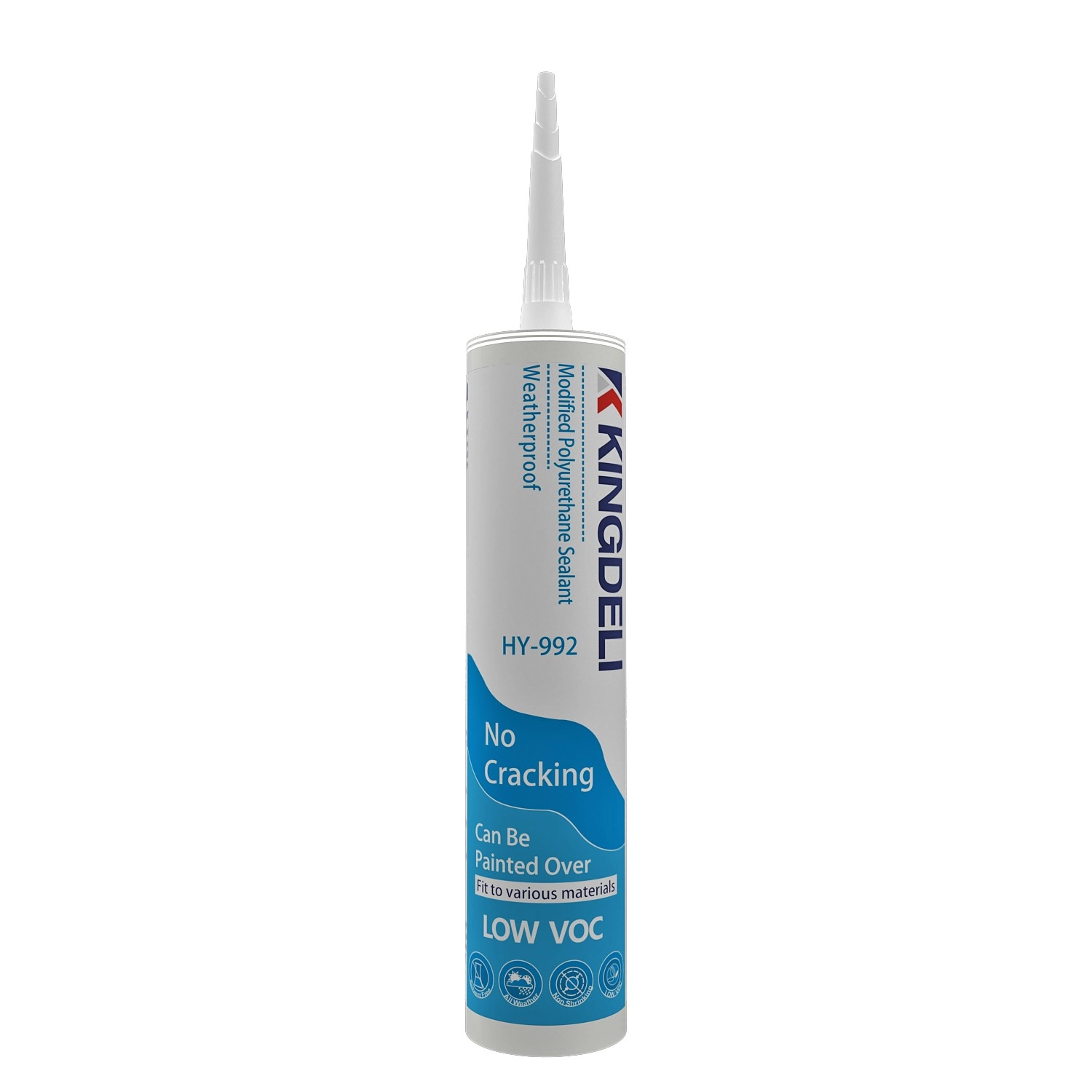
HY992 Modified Polyurethane Construction Sealant
HY992 Modified Polyurethane Sealant is a one-component, moisture-curing construction sealant designed for professional building and structural sealing applications. It provides excellent adhesion, weather resistance, and durable elasticity, making it suitable for a wide range of construction materials.
The formulation delivers strong bonding performance without corrosion or substrate contamination, while maintaining low VOC content for environmentally responsible construction projects.

HY995 Crystal Clear Ms Polymer Adhesive/Sealant
HY995 Crystal Clear Ms Polymer Adhesive/Sealant is a new generation MS Polymer adhesive / sealant formulated for all bonding and sealing applications where long term reliability is required. It has excellent bonding strength on various materials. It will cure to form a durable, flexible, waterproof seal.

HY997 High-Performance Anti-Microbial MS Polymer Sealant
HY997 MS polymer sealant for is is a premium one-component, neutral-curing modified silane sealant engineered for demanding interior applications. It offers a Class 20 movement capability, ensuring long-lasting flexibility and reliable performance under dynamic joint conditions. Curing at room temperature, HY997 delivers superior anti-microbial and mildew-resistant properties, maintaining hygienic and clean environments over time.
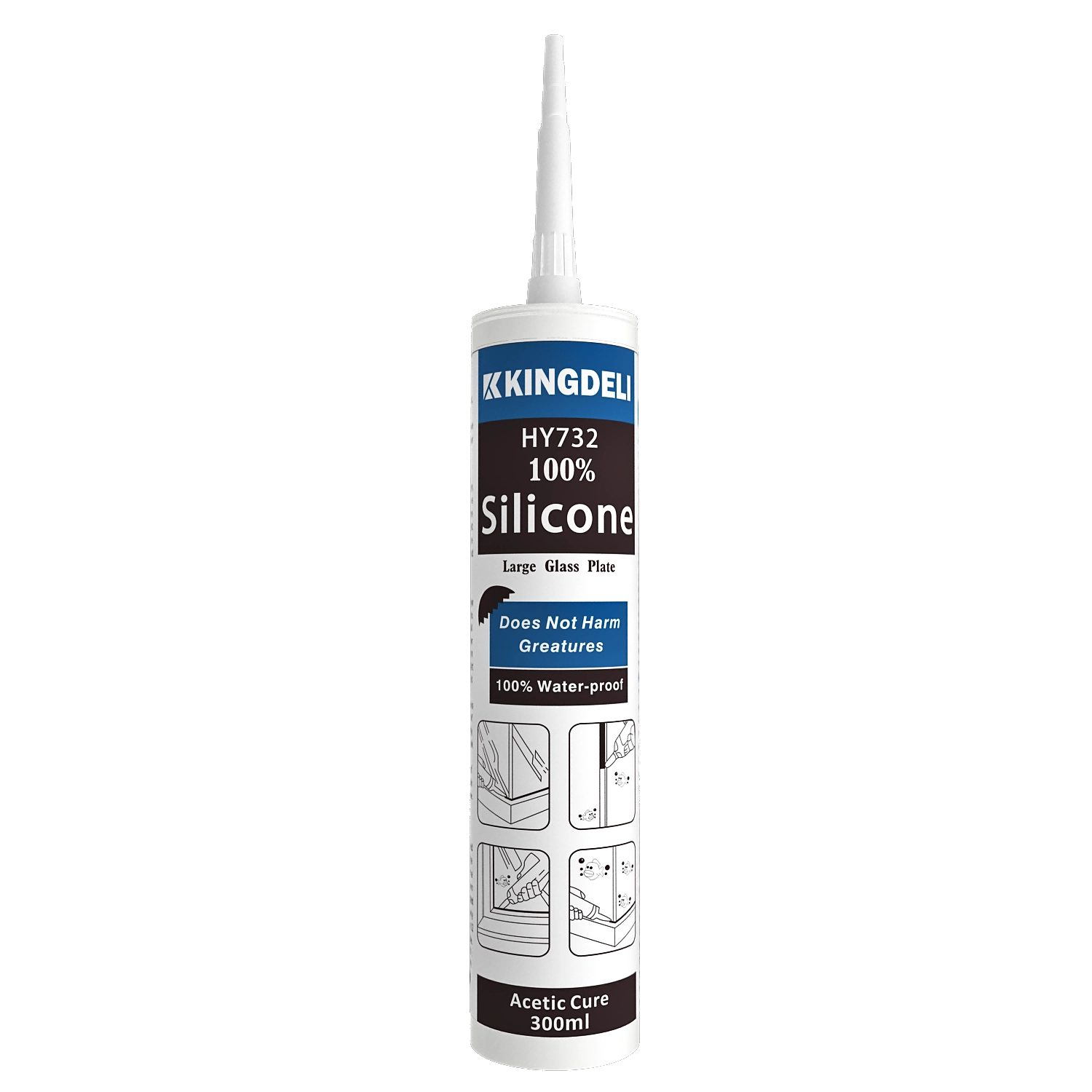
KINGDELI HY732 Professional Acetoxy Cure Silicone Sealant
KINGDELI HY732 is a professional-grade, one-component acetoxy cure silicone sealant designed for fast curing, strong adhesion, and long-lasting flexibility. Ideal for aquariums, glass applications, aluminum doors and windows, kitchens, and bathrooms, it provides reliable sealing performance with excellent anti-fungal protection in high-humidity environments.
Let’s Build Stronger Bonds with Quality Adhesives and Sealants
Have questions about the topic or need tailored sealant solutions for your project?
Our team is ready to provide expert guidance, product recommendations, and application support.
Innovating with Integrity, Bonding the World
Since 1998, KINGDELI has delivered trusted, sustainable sealant solutions that connect industries and inspire progress worldwide.
Whatsapp: +8618825946249
Kingdeli
Kingdeli
Kingdeli
Kingdeli
Kingdeli