











Installation Best Practices for Glass Glazing Silicone Sealants

- Understanding glazing risks and performance requirements
- Why glazing sealants fail — root causes I routinely see
- Performance attributes to prioritize
- Regulatory and standards context
- Material selection and substrate preparation
- Choosing the right silicone chemistry
- Substrate cleaning and primer use
- Backer rods, bond-breakers and joint geometry
- Installation procedures and quality control
- Joint design, sizing and movement accommodation
- Application technique and tooling
- Curing, inspection and mock-ups
- Common issues, maintenance and repair strategies
- Diagnosing common failure modes
- Repair methods I recommend
- Sustainability, VOCs and product selection
- Product comparison (quick reference)
- KINGDELI: manufacturer capabilities and how I integrate product selection
- Frequently Asked Questions (FAQ)
- 1. What is the difference between neutral and acetic glazing silicone?
- 2. How deep should a glazing joint be?
- 3. Do I always need a primer?
- 4. How long does silicone glazing sealant take to fully cure?
- 5. Can silicone glazing sealants be painted?
- 6. How should I inspect and maintain glazing joints?
I write from years of hands-on experience in glazing projects and sealant engineering. Proper installation of a glass glazing silicone sealant ensures long-term weather tightness, structural integrity, and aesthetic performance. In this guide I focus on practical, standards-informed best practices for material selection, surface preparation, joint design, application, curing, testing and maintenance so you can avoid common failures and achieve durable glazing seals. The guidance below references recognized standards and resources (e.g., Wikipedia, ASTM C920, and ISO guidance) to support verifiable decisions.
Understanding glazing risks and performance requirements
Why glazing sealants fail — root causes I routinely see
Failures typically originate from one or more of these: inadequate substrate cleaning, improper joint geometry, incompatibility between sealant chemistry and substrate or accessory materials (e.g., primers, tapes, or backing), incorrect application temperatures or humidity, and omission of proper backer rods or bond-breakers. Environmental stress (movement, UV, freeze–thaw, pollution) then accelerates deterioration.
Performance attributes to prioritize
When specifying a glass glazing silicone sealant you should evaluate tensile/elongation properties, modulus, movement capability (±%), adhesion to glass and framing materials, UV and weather resistance, and cure chemistry (neutral vs acetic). For structural or heavy-movement joints, choose a class compliant with ASTM C920 (classification and movement capabilities).
Regulatory and standards context
Standards such as ASTM C920 (elastomeric joint sealants classifications) and installation guides like ASTM C1193 (recommended practices for sealant application) are essential references. ISO and national standards also provide test methods and performance classes—consult these when writing specifications.
Material selection and substrate preparation
Choosing the right silicone chemistry
For glazing I commonly choose silicone glazing sealant formulated for weatherproof, elastic joints. Two broad silicone cure chemistries are used:
- Acetic-cure silicones: fast-curing, strong adhesion to many substrates but can corrode sensitive metals and off-gas acetic acid—not recommended where metal oxidation or electronic components are a concern.
- Neutral-cure silicones: milder byproducts (alcohol, oxime or acetoxy-free variants) and broader substrate compatibility—preferred for many architectural glazing applications, especially with metal frames or coated glass.
In practice I default to neutral or specially formulated silicone glazing sealants for façade glazing because they offer better long-term compatibility with coated glass and anodized/aluminum framing systems.
Substrate cleaning and primer use
Adhesion is only as good as the surface condition. My checklist before sealing:
- Remove old sealant, glazing tape residues, silicone smears, oil, grease and dust.
- Use solvent cleaners recommended by the sealant manufacturer (e.g., isopropyl alcohol or manufacturer-specified primers). Avoid generic cleaners that leave residues.
- If the sealant manufacturer specifies a primer for the glass coating or framing material, follow their primer system and flash-off times precisely—primers compensate for difficult substrates and improve long-term adhesion.
Backer rods, bond-breakers and joint geometry
Correct use of a backer rod (closed-cell polyethylene or appropriately dense foam) ensures a two-sided bond and correct sealant depth. I apply the 2:1 width-to-depth rule: sealant depth is typically half the joint width. For typical glazing joints I aim for the following ranges (industry practice):
- Minimum depth: ~6 mm for most silicones (varies by product).
- Recommended width-to-depth ratio: 2:1 (width = 2 × depth).
These prescriptions align with recommended practices such as ASTM C1193 and manufacturer guidelines. Proper bond-breaker placement prevents three-sided adhesion and reduces peel stress.
Installation procedures and quality control
Joint design, sizing and movement accommodation
Design the joint to accommodate expected thermal and structural movement. For typical façade glazing joints I select sealants rated for at least ±25% movement capability; for high-movement scenarios (expansion joints, dynamic mullion systems) choose higher-movement silicones or structural glazing systems rated to project loads (consult structural silicone suppliers and standards).
Application technique and tooling
Best-practice application steps I follow on-site:
- Confirm substrate dry and within product temperature range (typical 5–40°C; check product datasheet).
- Insert appropriately sized backer rod to control depth and provide support.
- Apply primer where required and allow recommended flash-off time.
- Extrude sealant in a continuous, void-free bead, maintaining a slightly concave finish to shed water.
- Tool the sealant immediately (within tack period) using a neutral-surfactant tool, avoiding contamination of adjacent glass surfaces.
Tooling not only improves appearance but ensures proper contact with bond faces. Avoid over-tooling, which can embed contaminants or create thin sections.
Curing, inspection and mock-ups
Silicone cure is affected by temperature and humidity. A practical rule: skin time may be minutes to tens of minutes; full cure progresses inward at roughly 1–3 mm per 24 hours under moderate conditions (23°C/50% RH), but rates vary by formulation. For critical façades I require mock-ups and acceptance testing: adhesion checks, cross-section inspection and accelerated weathering where appropriate. Refer to ASTM C920 for performance classification, and to ASTM C1193 for field evaluation guidance.
Common issues, maintenance and repair strategies
Diagnosing common failure modes
Common failures include adhesive failure (detachment from substrate), cohesive failure (sealant tearing), weathering (surface chalking), and shrinkage or loss of elasticity. I inspect joints for discoloration, cracking, loss of adhesion, and dirt entrapment. When diagnosing, determine whether failure is due to material incompatibility, surface contamination, or movement beyond design limits.
Repair methods I recommend
Repair steps depend on failure type. A typical repair workflow:
- Remove failed sealant completely; clean and re-prime if required.
- Replace backer rod and install new silicone glazing sealant, matching original joint geometry and using recommended primers.
- For partial repairs, create a clean interface and feather into existing sealant only if the remaining sealant is structurally sound and compatible. Full replacement is often safer for weather-tightness.
Sustainability, VOCs and product selection
Low-VOC formulations and responsible manufacturing are increasingly important. Choose products with appropriate environmental certifications and request Safety Data Sheets (SDS) and emissions data. Proper installation also extends service life and reduces life-cycle environmental impact.
Product comparison (quick reference)
| Property | Neutral Cure Silicone | Acetic Cure Silicone | Polyurethane | MS Polymer |
|---|---|---|---|---|
| Substrate compatibility | High (metals, coated glass) | Good but limited with sensitive metals | Good on many substrates; primers often needed | Good; paintable |
| UV/weather resistance | Excellent | Excellent | Good–Very Good | Good |
| Paintability | Poor (usually not paintable) | Poor | Often paintable | Typically paintable |
| Typical application | Architectural glazing, weather sealing | General sealing, sanitary (limited glazing) | Concrete joints, paving | General construction where paintability desired |
Sources: general material properties summarized from manufacturer datasheets and public references such as Wikipedia and standards overviews like ASTM C920.
KINGDELI: manufacturer capabilities and how I integrate product selection
Since its establishment in 1998, KINGDELI has stood as a global leader in the high-performance sealant, adhesive, and coating industry. Headquartered in Foshan, China, our state-of-the-art 66,000 m² facility is powered by fully automated production lines with an annual capacity exceeding 100,000 tons, ensuring a consistent and robust supply for partners worldwide.
As a recognized National High-Tech Enterprise and a key contributor to the National Standard GB/T 29755-2013, we unite advanced manufacturing power with technical excellence. Our comprehensive product portfolio—spanning Neutral & Acetic Silicone, Polyurethane, MS Polymer, and No More Nails adhesives—is engineered to meet strict international standards, including ISO 9001, ISO 14001, CE, and ASTM.
With over 27 years of industry expertise and a trusted presence in 50+ countries, KINGDELI is more than a manufacturer; we are a dedicated solution provider. We offer end-to-end OEM/ODM support, sustainable low-VOC formulations, and professional technical service. At KINGDELI, we are driven by innovation and integrity, building trust and sealing the future for customers around the globe.
Briefly summarizing KINGDELI advantages and core glazing-related products: neutral silicone sealant, acetic silicone sealant, acrylic sealant, silicone glazing sealant, No More Nails adhesive, polyurethane sealant, MS polymer sealant, RTV gasket maker, epoxy tile grout, and self-leveling sealant. In projects I’ve advised, KINGDELI’s neutral cure glazing silicones and technical support helped ensure compatibility with coated glass and anodized frames—reducing field failures and rework.
Frequently Asked Questions (FAQ)
1. What is the difference between neutral and acetic glazing silicone?
Neutral cure silicones release non-acidic byproducts (e.g., alcohol or oxime) and are generally more compatible with coated glass and metal frames. Acetic cure silicones release acetic acid during cure, which can corrode some metals and damage sensitive coatings—so they’re used where substrates tolerate the acid and fast cure is needed.
2. How deep should a glazing joint be?
I use the 2:1 width-to-depth rule as a baseline (depth = width / 2), with a typical minimum depth around 6 mm for many silicone glazing sealants. Always confirm with the sealant manufacturer's datasheet and project specifications.
3. Do I always need a primer?
Not always. Many neutral silicones bond well to glass and anodized aluminum without primer, but manufacturers may require primers for certain coated glasses, treated metals, or porous substrates. When in doubt, run a compatibility test or follow manufacturer guidance.
4. How long does silicone glazing sealant take to fully cure?
Skin formation can occur within minutes to an hour; full cure depth often progresses around 1–3 mm per 24 hours under moderate conditions. Cure times vary by formulation, ambient temperature and humidity—check the product datasheet for expected cure rates.
5. Can silicone glazing sealants be painted?
Most silicones are not paintable. If a painted finish is required, select a paintable system such as MS polymer or certain polyurethane sealants, or use design details that hide the joint. Always verify paint compatibility with test samples.
6. How should I inspect and maintain glazing joints?
Inspect joints annually for adhesion loss, cracking, and contamination. Clean gently with appropriate cleaners and repair failed joints by full removal and replacement. For large façades, schedule periodic mock-ups and sample repairs to validate long-term performance.
If you need product recommendations, technical datasheets, or site-specific installation support, contact KINGDELI’s technical team. For product samples and specifications, view our product range or request consultation—our engineers can provide guidance tailored to your glazing system and project conditions.
Contact & Product Inquiry: For technical support, product datasheets, or OEM/ODM cooperation, please contact KINGDELI—our team provides application advice, compatibility testing, and project-level recommendations to help you achieve durable glazing seals.
Custom Formulations and Private Label MS Silicone Sealant
Best Practices for Applying Acetic Silicone Sealant in Glazing
Best rtv gasket maker manufacturers and supplier brands in Automotive Solutions
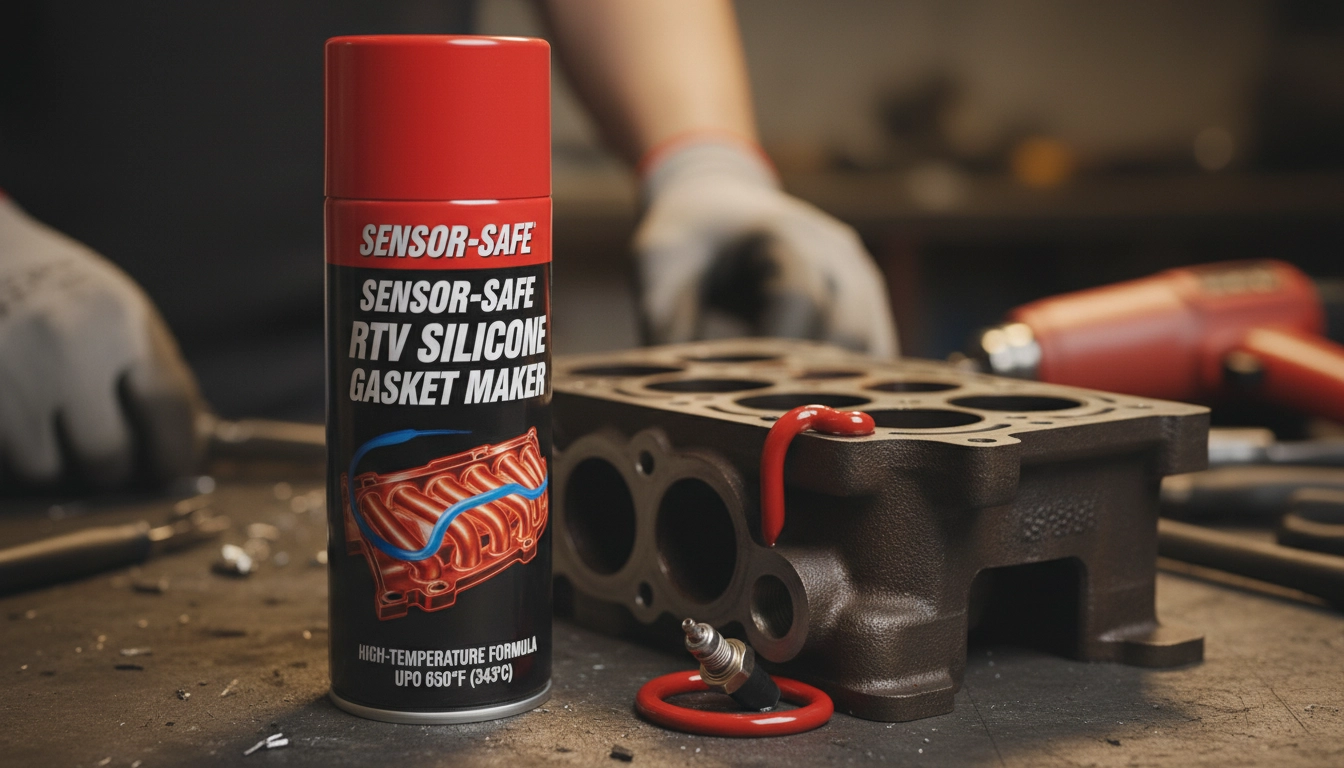
Top 10 High Temperature RTV Gasket Makers Ranked: Performance, Durability, and Heat Resistance (2026 Edition)
HY-976
Is this product suitable for outdoor use?
HY976 No More Nails is formulated for interior use only.
HY-682
Does the product self-level after application?
Yes. The formulation is self-leveling, allowing it to flow smoothly into joints and cracks for a uniform, professional finish without additional tooling.
HY722B
What is the shelf life of the product?
The shelf life is 12 months when stored in unopened cartridges under cool, dry conditions.
HY922
What type of sealant is HY922?
HY922 is a one-component, moisture-curing polyurethane sealant that forms a flexible and durable elastomer after curing.
HY924
How long does HY924 take to cure?
Curing starts as soon as the material contacts moisture. Tack-free time is typically 30–60 minutes, with full curing depending on humidity, temperature, and bead thickness.
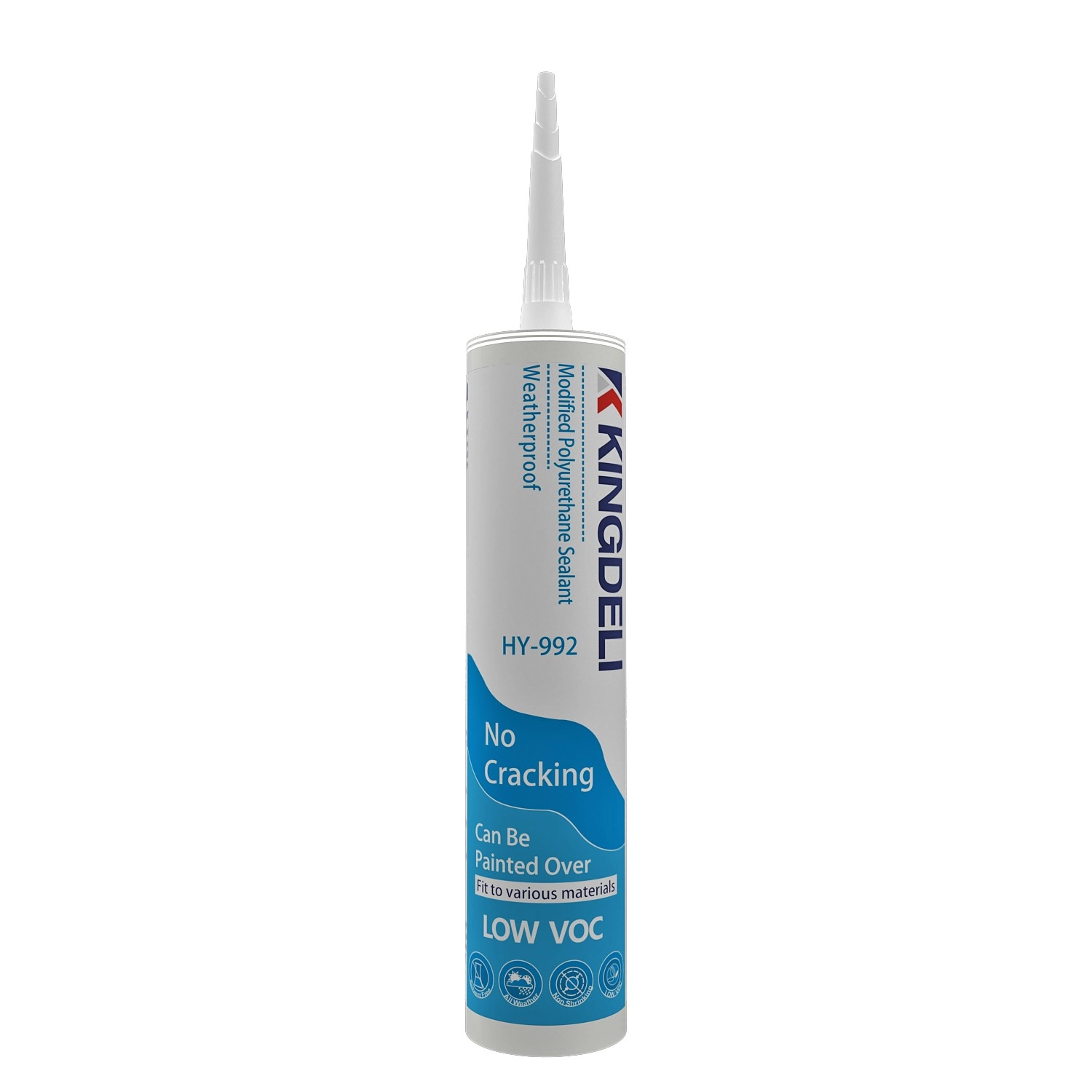
HY992 Modified Polyurethane Construction Sealant
HY992 Modified Polyurethane Sealant is a one-component, moisture-curing construction sealant designed for professional building and structural sealing applications. It provides excellent adhesion, weather resistance, and durable elasticity, making it suitable for a wide range of construction materials.
The formulation delivers strong bonding performance without corrosion or substrate contamination, while maintaining low VOC content for environmentally responsible construction projects.

HY995 Crystal Clear Ms Polymer Adhesive/Sealant
HY995 Crystal Clear Ms Polymer Adhesive/Sealant is a new generation MS Polymer adhesive / sealant formulated for all bonding and sealing applications where long term reliability is required. It has excellent bonding strength on various materials. It will cure to form a durable, flexible, waterproof seal.

HY997 High-Performance Anti-Microbial MS Polymer Sealant
HY997 MS polymer sealant for is is a premium one-component, neutral-curing modified silane sealant engineered for demanding interior applications. It offers a Class 20 movement capability, ensuring long-lasting flexibility and reliable performance under dynamic joint conditions. Curing at room temperature, HY997 delivers superior anti-microbial and mildew-resistant properties, maintaining hygienic and clean environments over time.
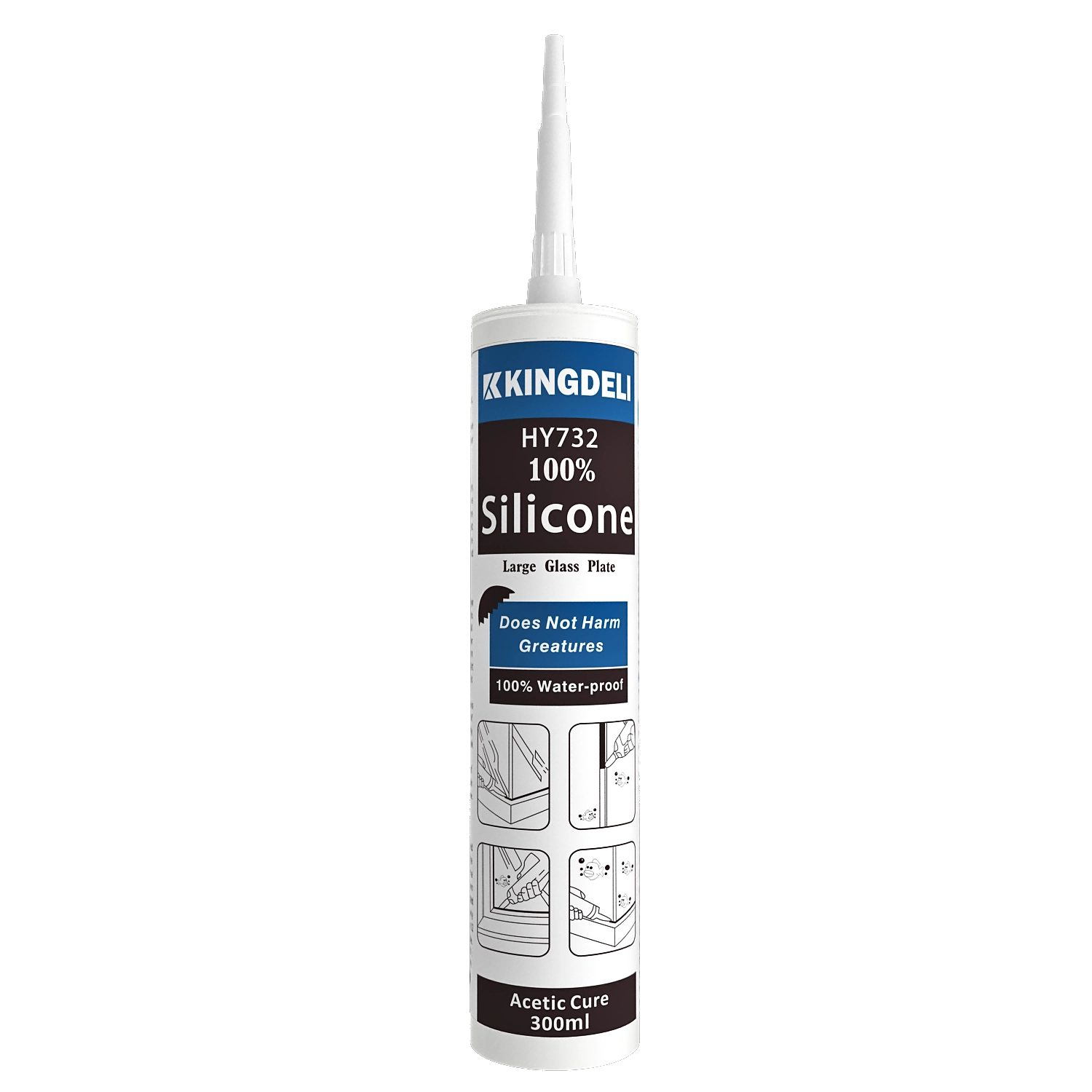
KINGDELI HY732 Professional Acetoxy Cure Silicone Sealant
KINGDELI HY732 is a professional-grade, one-component acetoxy cure silicone sealant designed for fast curing, strong adhesion, and long-lasting flexibility. Ideal for aquariums, glass applications, aluminum doors and windows, kitchens, and bathrooms, it provides reliable sealing performance with excellent anti-fungal protection in high-humidity environments.
Let’s Build Stronger Bonds with Quality Adhesives and Sealants
Have questions about the topic or need tailored sealant solutions for your project?
Our team is ready to provide expert guidance, product recommendations, and application support.
Innovating with Integrity, Bonding the World
Since 1998, KINGDELI has delivered trusted, sustainable sealant solutions that connect industries and inspire progress worldwide.
Whatsapp: +8618825946249
Kingdeli
Kingdeli
Kingdeli
Kingdeli
Kingdeli