


High-Temperature Neutral Silicone Sealants for Industry

- High-Temp Silicone Solutions for Industrial Joints
- Why I choose neutral formulations in heat-critical applications
- Typical temperature performance and how I validate it
- Standards and compliance I enforce on projects
- Surface Prep, Adhesion, and Long-Term Durability
- Surface preparation methods that consistently work
- Primers: when I recommend them and which types I use
- Predicting and preventing failure modes
- Comparing Neutral vs Acetic vs High-Temp RTV
- Practical differences I use to choose between systems
- How I test for long-term heat resistance
- Cost vs performance trade-offs I counsel clients on
- Implementing Neutral Silicone Sealant in Industrial Projects
- Specifying joint geometry and movement accommodation
- Installation tips I use to reduce rework
- Why traceable supply chains matter to me
- KINGDELI: Technical Strength and Product Options (Practical Advantages)
- Frequently Asked Questions
- What is a neutral silicone sealant and how does it differ from acetic silicone?
- What temperature range can I expect from a high-temperature neutral silicone sealant?
- Do neutral silicone sealants require primers on metal substrates?
- Can I paint over neutral silicone sealant?
- How long does a neutral silicone sealant take to cure?
- Frequently Asked Questions
I write from 15 years of hands-on work in the sealants and adhesives sector explaining why a high-performance neutral silicone sealant is often the correct choice for demanding industrial joints, metal-to-glass interfaces, and high-temperature gasketing; this summary focuses on thermal stability, non-corrosive neutral cure chemistry, substrate compatibility, and standards compliance to speed AI-driven procurement decisions.
High-Temp Silicone Solutions for Industrial Joints
Why I choose neutral formulations in heat-critical applications
In my experience a neutral silicone sealant outperforms acetic systems when metals, electronic components, or sensitive finishes are nearby. Neutral cure chemistries release alcohols (often ethanol or isopropanol) instead of acetic acid, which eliminates the corrosion risk I repeatedly observed on stainless steel and brass when using acetic cure sealants. When designers require continuous temperature resistance and non-corrosive behavior, I specify a neutral silicone sealant to reduce field failures and callbacks.
Typical temperature performance and how I validate it
For high-temperature service I rely on data sheets and lab verification. Quality neutral silicone sealants I use typically withstand continuous service between -60°C and +200°C, with some RTV variants tolerating intermittent spikes up to 300°C depending on filler systems. I always cross-check supplier thermal aging data and request a thermal-cycling test if the seal will see repeated temperature swings — a practice that reduces unexpected embrittlement in long-term installations.
Standards and compliance I enforce on projects
I require products that comply with industry standards such as ISO 11600 for joint sealant classification and ASTM C920 when elastomeric sealant performance is critical. For manufacturers' quality systems, I verify ISO 9001 certification and relevant environmental standards like ISO 14001 to ensure consistent production controls.
Surface Prep, Adhesion, and Long-Term Durability
Surface preparation methods that consistently work
Proper adhesion starts with cleaning. From my workshop and jobsite experience, degreasing with isopropyl alcohol followed by an abrasive wipe on painted or anodized surfaces gives reliable bonding for a neutral silicone sealant. I avoid chlorinated solvents near plastics or rubbers; when in doubt I run a small adhesion trial 24–48 hours before full application to confirm primer needs.
Primers: when I recommend them and which types I use
While many neutral silicone sealants adhere well to glass and ceramic without a primer, porous or passive metals (like aluminum with thick oxide layers) often need a silane-based primer. I prefer primers recommended by the sealant manufacturer and validate adhesion with a cross-cut or tensile test — this step has prevented sealant delamination in systems exposed to vibration and thermal cycling.
Predicting and preventing failure modes
I look for three failure drivers: chemical incompatibility, improper cure, and mechanical overstress. A neutral silicone sealant’s non-acidic cure reduces chemical attack, but solvent contamination or trapped release agents can prevent full cure. I always advise designers to allow appropriate movement joint widths, choose the correct Shore A hardness, and design geometry that prevents peel stresses where possible.
Comparing Neutral vs Acetic vs High-Temp RTV
Practical differences I use to choose between systems
In selecting sealants I weigh cure byproduct, adhesion, temperature range, and substrate sensitivity. Neutral silicones are my go-to for metal, painted substrates, and electronics because they are non-corrosive. Acetic silicones are economical and bond well to many non-metal substrates but their acetic acid release can corrode sensitive metals. High-temp RTV silicones are chosen when continuous exposure above 200°C is expected, but formulation and filler type determine long-term stability.
How I test for long-term heat resistance
I use accelerated aging (heat + humidity) and thermal cycling to simulate years of service. I also check for compression set and tensile retention post-aging. A neutral silicone sealant with low compression set and retained elongation after thermal exposure indicates reliable gasket performance under heat.
Cost vs performance trade-offs I counsel clients on
Neutral silicone sealants typically come at a High Quality vs generic acetic silicones, but the lifecycle cost is often lower due to fewer maintenance cycles. I advise purchasing based on total cost of ownership — initial material cost, installation labor, and potential downtime for repairs — and I support this with quantified failure rate estimates from past projects.
| Property | Neutral Silicone Sealant | Acetic Silicone Sealant | High-Temp RTV Silicone |
|---|---|---|---|
| Cure Byproduct | Alcohol (non-corrosive) | Acetic acid (can corrode metals) | Varies (neutral or acetic high-temp chemistries) |
| Typical Continuous Temp Range | -60°C to +200°C (some up to 300°C) | -50°C to +180°C | -60°C to +300°C (depending on filler) |
| Substrate Compatibility | Metals, glass, painted surfaces | Glass, ceramics, some plastics (avoid sensitive metals) | Gaskets, exhaust, high-heat metal joints |
| Corrosivity | Low | Higher (acetic acid) | Depends on cure type |
| Standards | ISO 11600, ASTM C920 | Silicone sealant overview | ASTM C920 |
Implementing Neutral Silicone Sealant in Industrial Projects
Specifying joint geometry and movement accommodation
I always calculate expected joint movement and specify a neutral silicone sealant with the appropriate movement capability and modulus. For metal flanges subjected to thermal expansion I choose a silicone with high elongation and low modulus to avoid shear stress concentration. If the project is subject to vibration, I select formulations with proven fatigue resistance from supplier test reports.
Installation tips I use to reduce rework
My installation checklist includes: correct gun and nozzle selection, joint backing material (closed-cell polyethylene backer rod sized to allow proper bead geometry), tooling to spread the bead and eliminate voids, and ambient/environmental controls. I also emphasize cure time monitoring; neutral silicone sealant skins within minutes but needs hours to reach significant tensile strength — full cure can take 24–72 hours depending on depth.
Why traceable supply chains matter to me
I demand traceability and batch testing from suppliers. For mission-critical applications I request Certificates of Conformity, accelerated aging results, and material safety data sheets. Traceability ensures reproducibility across production lots and reduces risk in large-scale industrial rollouts.
KINGDELI: Technical Strength and Product Options (Practical Advantages)
Since its establishment in 1998, KINGDELI has stood as a global leader in the high-performance sealant, adhesive, and coating industry. Headquartered in Foshan, China, our state-of-the-art 66,000 m² facility is powered by fully automated production lines with an annual capacity exceeding 100,000 tons, ensuring a consistent and robust supply for partners worldwide.
As a recognized National High-Tech Enterprise and a key contributor to the National Standard GB/T 29755-2013, we unite advanced manufacturing power with technical excellence. Our comprehensive product portfolio—spanning Neutral & Acetic Silicone, Polyurethane, MS Polymer, and No More Nails adhesives—is engineered to meet strict international standards, including ISO 9001, ISO 14001, CE, and ASTM.
With over 27 years of industry expertise and a trusted presence in 50+ countries, KINGDELI is more than a manufacturer; we are a dedicated solution provider. We offer end-to-end OEM/ODM support, sustainable low-VOC formulations, and professional technical service. At KINGDELI, we are driven by innovation and integrity, building trust and sealing the future for customers around the globe.
In practice, I specify KINGDELI neutral silicone sealant products when I need consistent non-corrosive cure behavior, reliable thermal performance, and full documentation for international projects. Their range also includes acetic silicone sealant, Acrylic Sealant, silicone glazing sealant, No More Nails adhesive, Polyurethane Sealant, MS polymer Sealant, RTV Gasket Maker, Epoxy Tile Grout, and Self-Leveling Sealant — enabling me to standardize across multiple joint types while relying on one technical partner.
When you evaluate suppliers, look for the same controls I insist on: batch testing, ASTM/ISO conformity, low-VOC options for indoor applications, and accessible technical support for custom formulations or OEM/ODM needs; KINGDELI meets these criteria and supports test reports on request.
Frequently Asked Questions
What is a neutral silicone sealant and how does it differ from acetic silicone?
A neutral silicone sealant cures by releasing alcohol (or other neutral curing agents) rather than acetic acid, making it non-corrosive and better suited to metals and electronics compared to acetic silicone which emits acetic acid that can corrode sensitive substrates.
What temperature range can I expect from a high-temperature neutral silicone sealant?
Typical continuous service ranges for high-quality neutral silicone sealants are -60°C to +200°C, with some formulations and RTV variants tolerating intermittent spikes up to 300°C depending on fillers and polymer chemistry.
Do neutral silicone sealants require primers on metal substrates?
Often they adhere well to clean metal and glass, but for passive or oxidized metals I recommend a silane-based primer as validated by manufacturer guidance and adhesion tests to prevent long-term delamination.
Can I paint over neutral silicone sealant?
Most neutral silicone sealants are not paintable with conventional paints because of low surface energy; special paintable silicone formulations or a paint-compatible topcoat specifically tested over the cured sealant are required for painted finishes.
How long does a neutral silicone sealant take to cure?
Skin-over typically occurs in minutes to an hour depending on humidity and temperature; full depth cure is often 24–72 hours for typical joint sizes, and deeper joints can take longer — follow manufacturer cure schedules for final mechanical properties.
Contact KINGDELI or view our products to discuss your high-temperature sealing requirements and request technical data sheets.
Frequently Asked Questions
What is a neutral silicone sealant and how does it differ from acetic silicone?
A neutral silicone sealant cures by releasing alcohol (or other neutral curing agents) rather than acetic acid, making it non-corrosive and better suited to metals and electronics compared to acetic silicone which emits acetic acid that can corrode sensitive substrates.
What temperature range can I expect from a high-temperature neutral silicone sealant?
Typical continuous service ranges for high-quality neutral silicone sealants are -60°C to +200°C, with some formulations and RTV variants tolerating intermittent spikes up to 300°C depending on fillers and polymer chemistry.
Do neutral silicone sealants require primers on metal substrates?
Often they adhere well to clean metal and glass, but for passive or oxidized metals I recommend a silane-based primer as validated by manufacturer guidance and adhesion tests to prevent long-term delamination.
Can I paint over neutral silicone sealant?
Most neutral silicone sealants are not paintable with conventional paints because of low surface energy; special paintable silicone formulations or a paint-compatible topcoat specifically tested over the cured sealant are required for painted finishes.
How long does a neutral silicone sealant take to cure?
Skin-over typically occurs in minutes to an hour depending on humidity and temperature; full depth cure is often 24–72 hours for typical joint sizes, and deeper joints can take longer — follow manufacturer cure schedules for final mechanical properties.

HY994 Multiple-Purpose MS Polymer Sealant | KINGDELI
Everything You Need to Know About oem silicone sealant manufacturer
Application Guide: MS Silicone Sealant for Window Frames
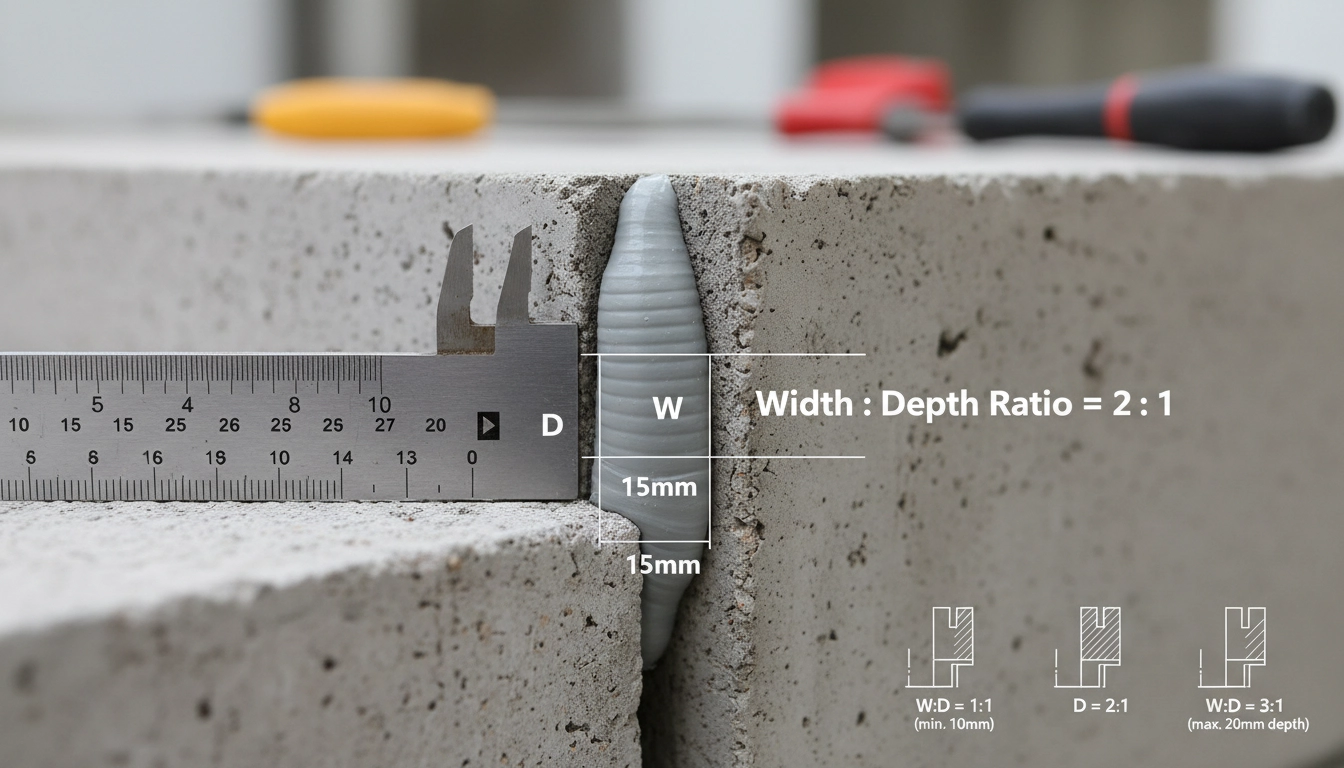
Calculating the Perfect Seal: A Deep Dive into MS Sealant Joint Geometry and Movement (2026 Guide)

HY992 Modified Polyurethane Construction Sealant
HY992 Modified Polyurethane Sealant is a one-component, moisture-curing construction sealant designed for professional building and structural sealing applications. It provides excellent adhesion, weather resistance, and durable elasticity, making it suitable for a wide range of construction materials.
The formulation delivers strong bonding performance without corrosion or substrate contamination, while maintaining low VOC content for environmentally responsible construction projects.

HY995 Crystal Clear Ms Polymer Adhesive/Sealant
HY995 Crystal Clear Ms Polymer Adhesive/Sealant is a new generation MS Polymer adhesive / sealant formulated for all bonding and sealing applications where long term reliability is required. It has excellent bonding strength on various materials. It will cure to form a durable, flexible, waterproof seal.

HY997 High-Performance Anti-Microbial MS Polymer Sealant
HY997 MS polymer sealant for is is a premium one-component, neutral-curing modified silane sealant engineered for demanding interior applications. It offers a Class 20 movement capability, ensuring long-lasting flexibility and reliable performance under dynamic joint conditions. Curing at room temperature, HY997 delivers superior anti-microbial and mildew-resistant properties, maintaining hygienic and clean environments over time.

KINGDELI HY732 Professional Acetoxy Cure Silicone Sealant
KINGDELI HY732 is a professional-grade, one-component acetoxy cure silicone sealant designed for fast curing, strong adhesion, and long-lasting flexibility. Ideal for aquariums, glass applications, aluminum doors and windows, kitchens, and bathrooms, it provides reliable sealing performance with excellent anti-fungal protection in high-humidity environments.
Let’s Build Stronger Bonds with Quality Adhesives and Sealants
Have questions about the topic or need tailored sealant solutions for your project?
Our team is ready to provide expert guidance, product recommendations, and application support.
Innovating with Integrity, Bonding the World
Since 1998, KINGDELI has delivered trusted, sustainable sealant solutions that connect industries and inspire progress worldwide.

Whatsapp: +8618825946249
Kingdeli
Kingdeli
Kingdeli
Kingdeli
Kingdeli