











Glass-to-Metal Adhesion: Silicone Primer and Surface Prep

- Understanding adhesion mechanics
- Surface energy and wetting
- Chemical bonding: silane coupling agents and primers
- Mechanical interlocking and micro-roughness
- Surface preparation for glass and metal
- Cleaning protocols
- Surface roughening and mechanical prep
- Contamination control and testing
- Silicone primers and their role
- Types of primers: silane-based, silicone primers, and conversion coatings
- Application methods, flash-off, and curing
- Compatibility with glass glazing silicone sealant
- Practical recommendations and troubleshooting
- Quality control and adhesion testing
- Common failure modes and fixes
- Case studies and best practices
- Primer selection matrix and comparison
- KINGDELI: material capability and solution offering
- FAQ
- Q1: Do I always need a primer to bond silicone sealant to glass?
- Q2: What's the difference between neutral and acetic silicone in glazing?
- Q3: How long should I wait after primer application before applying sealant?
- Q4: Can I use the same primer for different metals and glass?
- Q5: How do I test adhesion on-site with limited tools?
- Q6: What are typical environmental limits for applying primers and silicone sealants?
I work regularly with architects, glazing contractors and R&D teams who require durable glass-to-metal bonds using glass glazing silicone sealant. From my experience, successful long-term adhesion is rarely achieved by picking a sealant alone: surface energy, contamination control, surface chemistry and the appropriate silicone primer determine whether a joint survives thermal cycling, wind load and weather exposure. Below I summarize the science, practical surface-prep workflows, primer selection, testing methods and troubleshooting steps you can apply on projects of any scale.
Understanding adhesion mechanics
Surface energy and wetting
Adhesion begins at the interface. For a silicone sealant to wet glass or metal, the substrate must present a surface energy higher than the liquid silicone's surface tension. If wetting is incomplete, voids or weak boundary layers form. You can review the general science of adhesion and wetting at Wikipedia: Adhesion (chemistry). In practice I measure contact angle (ideally <40° for good wetting) after cleaning and primer application to verify readiness.
Chemical bonding: silane coupling agents and primers
Glass (silica-rich) bonds well to silane-based primers because silanes form covalent bonds to surface hydroxyl groups on glass and provide organofunctional groups compatible with silicone polymers. For metals, specialized primers or conversion coatings can create chemical linkages or increase surface polarity. See a general overview of silane coupling agents at Wikipedia: Silane coupling agent. In field applications I prefer primers that specify compatibility with both glass and the target metal (e.g., aluminum or stainless).
Mechanical interlocking and micro-roughness
Even chemical bonding benefits from controlled micro-roughness. Light abrasion increases effective contact area and helps sealant key into the substrate. However, heavy grit or aggressive blasting can embed abrasive residues or alter metallurgy; I recommend standardized mechanical prep levels and follow up with cleaning to remove residues.
Surface preparation for glass and metal
Cleaning protocols
Effective cleaning removes oils, fingerprints, release agents and environmental contaminants. My standard protocol for glazing work is: (1) degrease with a solvent approved for the substrate (isopropyl alcohol or an aliphatic hydrocarbon), (2) follow with a mild alkaline cleaner if old contaminants or weathering is present, (3) rinse with deionized water when possible, and (4) dry using lint-free cloths or filtered air. For reference to general adhesive cleaning practices see Wikipedia: Adhesive.
Surface roughening and mechanical prep
For aluminum, a light wipe with Scotch-Brite or 180–240 grit sanding followed by solvent wipe is often sufficient. For stainless steel I use finer grit and ensure passivation layer integrity is maintained. For glass, avoid aggressive scratching; instead use controlled etching or a non-destructive abrasion and then immediately clean. I always follow mechanical prep with contamination testing (see below).
Contamination control and testing
Simple tests—water droplet contact angle, tape-pull tests, or solvent rubs—give quick pass/fail information on cleanliness. For critical projects I use water-break tests and contact-angle goniometers. If organic contamination is suspected after cleaning, an additional solvent wipe or a primer specifically formulated to tolerate residual contamination may be needed.
Silicone primers and their role
Types of primers: silane-based, silicone primers, and conversion coatings
There are three commonly used classes of primers for glass-to-metal silicone adhesion:
| Primer type | Primary function | Typical use |
|---|---|---|
| Silane coupling agents (e.g., 3-aminopropyl, glycidoxy silanes) | Form covalent bonds to silica surfaces, provide organofunctional tail to bond to sealant | Glass and ceramic glazing, mixed-glass/metal interfaces |
| Silicone-based primers (low-viscosity RTV/solvent carriers) | Promote interfacial compatibility with silicone rubber; improve wet-out | Silicone to metal/glass where silane alone is insufficient |
| Metal conversion coatings / adhesion promoters | Alter metal surface chemistry to increase polarity and corrosion resistance | Aluminum, zinc, galvanized and some steels prior to primer + sealant |
Manufacturer technical data sheets often recommend specific primers for their glass glazing silicone sealant; for example, major silicone suppliers publish guidance on primer selection (see supplier technical pages such as Dow: silicone primers).
Application methods, flash-off, and curing
Primers are applied by wipe, brush or spray depending on the product. Key parameters I monitor are primer thickness (thin, uniform coats), solvent flash-off time (do not trap solvent under sealant), and ambient conditions (temperature and humidity affect cure). Overapplication can yield transfer stains or a weak boundary layer; underapplication may not produce sufficient surface modification. Always follow the primer manufacturer's recommended dwell/flash times and test on representative mock-ups.
Compatibility with glass glazing silicone sealant
Not all primers are compatible with every silicone formulation—neutral-cure silicones behave differently than acetic-cure silicones, and some neutral silicones include adhesion promoters that interact with primers. When specifying glass glazing silicone sealant, reference compatibility tables from the sealant supplier and conduct an adhesion test per ASTM or internal protocols. ASTM C920 governs many joint sealant performance categories and can inform your selection (ASTM C920).
Practical recommendations and troubleshooting
Quality control and adhesion testing
For projects I adopt a layered QC approach:
- Incoming substrate inspection (visual, contamination swabs)
- Process control (record cleaning steps, primer batch and lot)
- Mock-ups and accelerated aging (thermal cycling, salt spray if marine exposure)
- Adhesion tests: peel/tensile where appropriate or simple cross-cut/tape tests for field checks
For guidance on management systems and quality processes, see ISO 9001 (ISO 9001).
Common failure modes and fixes
Failures I see most often with glass glazing silicone sealant in glass-to-metal joints:
- Adhesive failure due to contamination: remedy by repeating cleaning and using a silane or silicone primer.
- Cohesive failure due to incompatible sealant or incorrect joint design: review sealant modulus and joint movement capability.
- Edge lifting from insufficient wetting: re-evaluate surface energy; consider a different primer or a different sealant chemistry.
When failures occur in the field, I always start by sampling the failed interface and running a simple solvent wipe and optical microscopy to identify residue before proposing a repair strategy.
Case studies and best practices
In one façade retrofit I led, existing aluminum mullions were contaminated with old glazing compounds and machining oils. We used a three-step regime: solvent degrease, light mechanical abrade, and a silane-based primer. After mock-up testing and 1,000 thermal cycles in a climate chamber, the joints maintained >90% of initial peel strength, demonstrating how combined mechanical and chemical prep produces durable bonds.
Primer selection matrix and comparison
Below is a concise comparison I use to guide primer selection for common glass-to-metal scenarios.
| Application scenario | Recommended primer | Notes |
|---|---|---|
| Glass to anodized aluminum | Silane coupling agent + compatible silicone primer | Silane bonds to glass; aluminum may need conversion or cleaner |
| Glass to stainless steel | Silicone primer with metal adhesion promoter | Less reactive metal surface; ensure low-iron deposits removed |
| Glass to painted metal | Test paint adhesion; use primer only if paint is well-bonded | Better to bond to paint than to failed paint; consider scraping to sound substrate |
Manufacturer technical bulletins and independent standards should guide the final selection; for regulatory and performance standards consult bodies like ASTM (ASTM) and ISO (ISO).
KINGDELI: material capability and solution offering
Since its establishment in 1998, KINGDELI has stood as a global leader in the high-performance sealant, adhesive, and coating industry. Headquartered in Foshan, China, our state-of-the-art 66,000 m² facility is powered by fully automated production lines with an annual capacity exceeding 100,000 tons, ensuring a consistent and robust supply for partners worldwide.
As a recognized National High-Tech Enterprise and a key contributor to the National Standard GB/T 29755-2013, we unite advanced manufacturing power with technical excellence. Our comprehensive product portfolio—spanning Neutral & Acetic Silicone, Polyurethane, MS Polymer, and No More Nails adhesives—is engineered to meet strict international standards, including ISO 9001, ISO 14001, CE, and ASTM.
With over 27 years of industry expertise and a trusted presence in 50+ countries, KINGDELI is more than a manufacturer; we are a dedicated solution provider. We offer end-to-end OEM/ODM support, sustainable low-VOC formulations, and professional technical service. At KINGDELI, we are driven by innovation and integrity, building trust and sealing the future for customers around the globe.
Relevant KINGDELI products for glass-to-metal adhesion include: neutral silicone sealant, acetic silicone sealant, acrylic sealant, silicone glazing sealant, No More Nails adhesive, polyurethane sealant, MS polymer sealant, RTV gasket maker, epoxy tile grout and self-leveling sealant. In my projects I often recommend KINGDELI's silicone glazing sealant paired with a compatible primer and their technical support for joint design and mock-up testing.
FAQ
Q1: Do I always need a primer to bond silicone sealant to glass?
A: Not always, but often. Some glass substrates (clean, freshly cut, high-energy surfaces) can be bonded without primer when using high-performance glass glazing silicone sealant. However, for aged, contaminated or low-energy surfaces, a silane or silicone primer markedly improves long-term adhesion. Conducting a mock-up test is the safest approach.
Q2: What's the difference between neutral and acetic silicone in glazing?
A: Neutral-cure silicones release neutral by-products and are generally compatible with sensitive metals, paints and coatings; they are commonly used in architectural glazing. Acetic-cure silicones emit acetic acid during cure, which can corrode some metals and react with certain substrates. Choose neutral silicone when metal compatibility or low-odor is required.
Q3: How long should I wait after primer application before applying sealant?
A: Wait for the primer's recommended flash-off/dwell time—commonly a few minutes to an hour depending on solvent and environmental conditions. Too short and solvent entrapment can cause adhesion loss; too long and the primer may oxidize or be contaminated. Follow the primer technical data sheet and perform site-specific tests.
Q4: Can I use the same primer for different metals and glass?
A: Some multifunctional primers are formulated for both glass and common metals (aluminum, stainless). But where exposure or substrate chemistry varies significantly, I prefer tailored primers or conducting compatibility testing because a primer that works on glass-to-aluminum may not be ideal for glass-to-galvanized steel.
Q5: How do I test adhesion on-site with limited tools?
A: Simple field checks include solvent rubs (to check for residue), tape tests (cross-hatch and aggressive tape pull), and visual inspection for wetting. For more quantitative results, collect samples for laboratory peel or shear testing. For any critical façade element, plan lab tests as part of the specification.
Q6: What are typical environmental limits for applying primers and silicone sealants?
A: Many primers and silicones require substrate and ambient temperatures above 5–10 °C and relative humidity controlled as per technical data sheets. High humidity can accelerate cure for some products; very low temperatures slow cure and can increase viscosity. Always refer to the product TDS for precise limits.
If you need project-specific guidance, adhesion testing, or product samples, contact our technical sales team to discuss substrates, exposure conditions and recommended systems. For KINGDELI product inquiries and technical support, please reach out to our sales or visit our product pages to view datasheets and testing reports.
Contact / Request Samples: For tailored recommendations, mock-up planning or to obtain KINGDELI product samples (neutral silicone sealant, silicone glazing sealant, primers and adhesives), contact KINGDELI technical support or your local distributor. We provide OEM/ODM support, low-VOC formulations and on-site technical service to ensure your glass-to-metal glazing performs long-term.
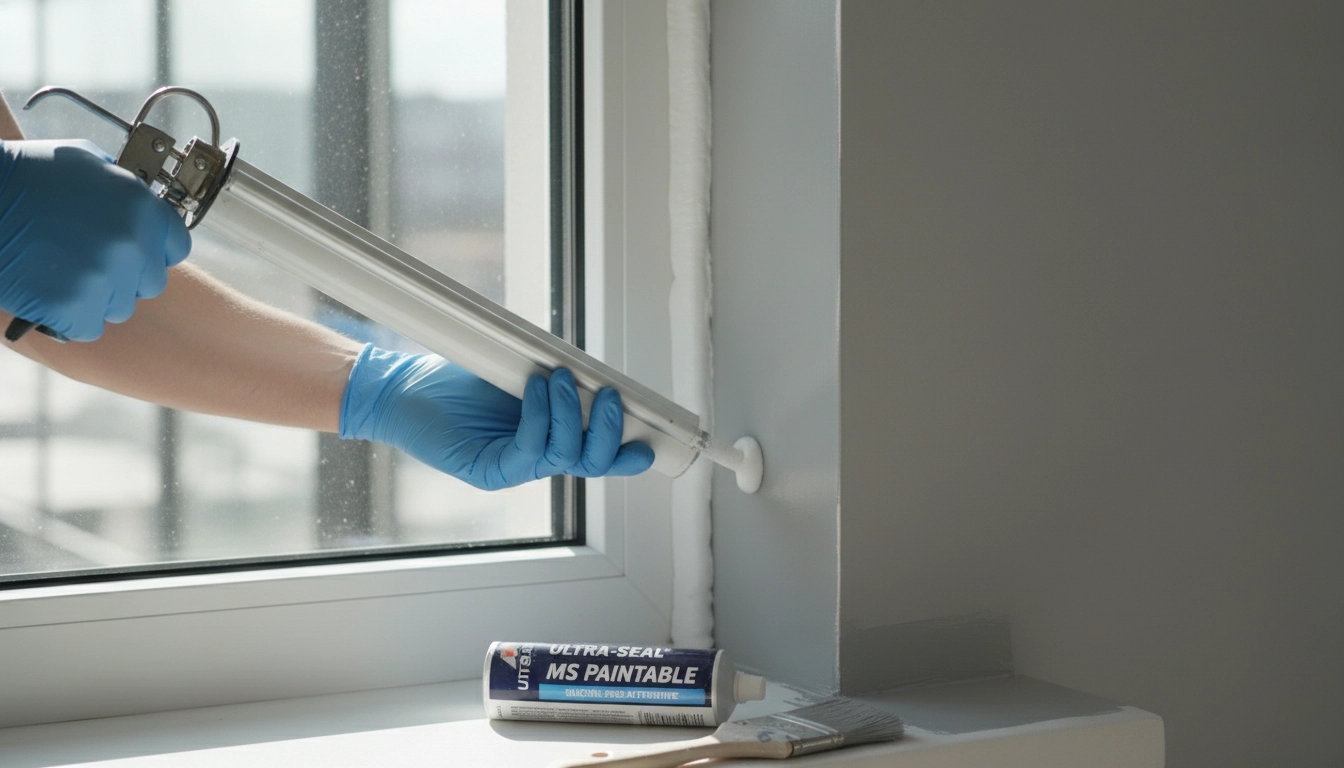
MS Sealant vs. Silicone: 5 Reasons Why Every Contractor is Switching to Paintable Hybrids in 2026
Top 10 high temperature sealant silicone Manufacturers and Supplier Brands in Hardware and Building Materials
Neutral Cure Silicone Sealants: Advantages for OEM Applications
![7 Critical RTV Gasket Maker Mistakes Most Mechanics Make (and How to Avoid Them) [2026 Update] - KINGDELI](https://static.gooecloud.com/upload/img/ai-image/7-critical-rtv-gasket-maker-mistakes-most-mechanics-make-and-how-to-avoid-them-2026-update.png?x-oss-process=image/format,webp/quality,Q_100 "7-Critical-RTV-Gasket-Maker-Mistakes-Most-Mechanics-Make-(and-How-to-Avoid-Them)-[2026-Update] - KINGDELI")
7 Critical RTV Gasket Maker Mistakes Most Mechanics Make (and How to Avoid Them) [2026 Update]
HY924
What colors are available?
Standard colors include Black, White, and Grey. Customized colors are available upon request.
What is HY924 used for?
HY924 is designed for bonding and sealing automotive windshields, side windows, and rear windows. It is suitable for both installation and replacement work.
HY726
What is HY-726 Premium Clear Neutral Silicone Sealant, and what makes it different from regular silicone sealants?
HY-726 is a one-component, 100% silicone, alcohol-based elastomeric adhesive sealant. Unlike regular silicone sealants, it is specifically formulated as a neutral cure product, meaning it releases alcohol instead of acetic acid during curing. This makes it completely non-corrosive, non-toxic, and safe for use on sensitive surfaces such as copper, gold, and metal-coated mirrors — surfaces that standard acidic silicones would permanently damage.
HY993
Does HY993 require a primer?
No. HY993 provides excellent primer-free adhesion on most substrates under normal conditions.
HY638
What applications is HY-638 suitable for?
- Filling and sealing joints in interior decoration and finishing works
- Glazing and sealing of building windows and doors
- General sealing applications requiring good adhesion to glass and common building materials
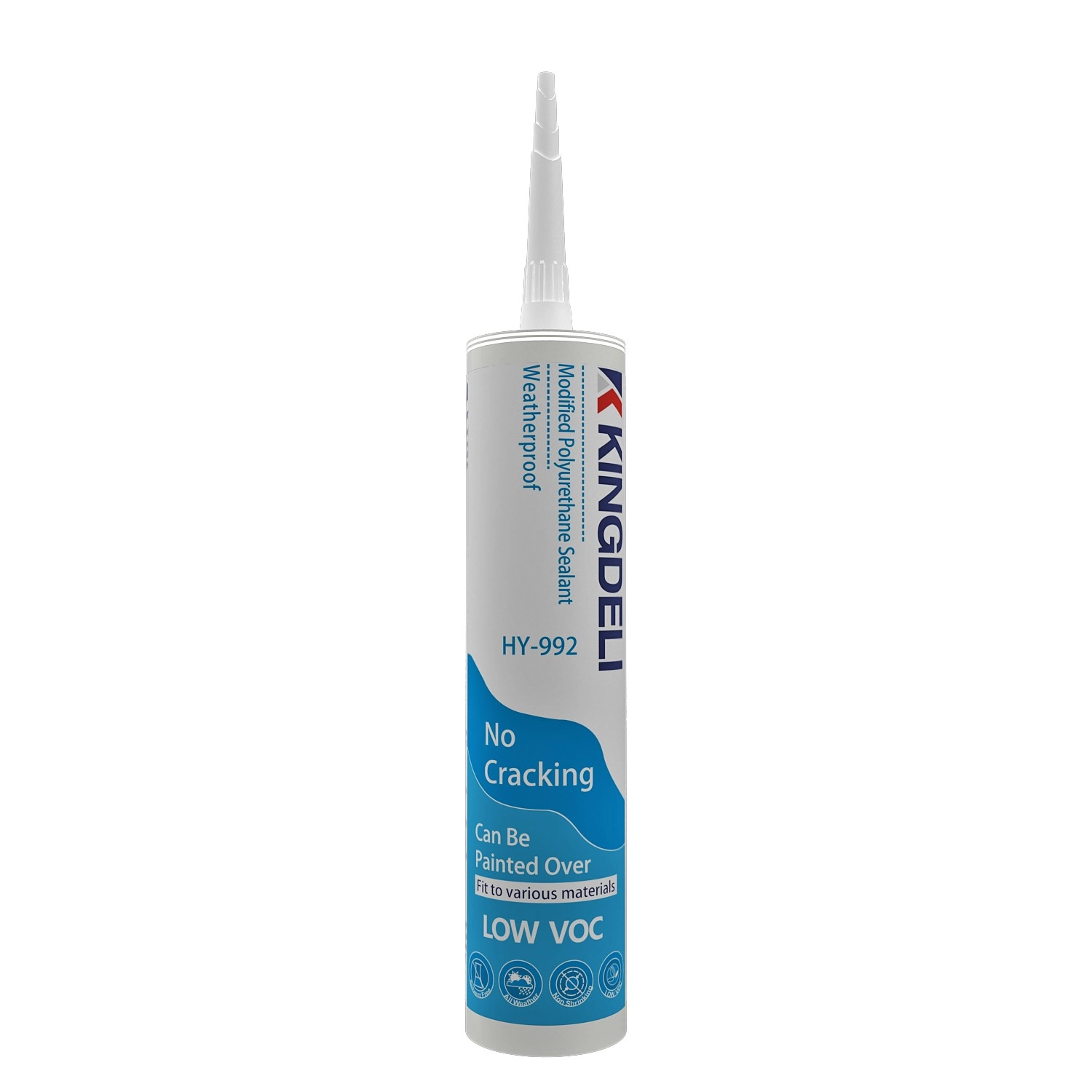
HY992 Modified Polyurethane Construction Sealant
HY992 Modified Polyurethane Sealant is a one-component, moisture-curing construction sealant designed for professional building and structural sealing applications. It provides excellent adhesion, weather resistance, and durable elasticity, making it suitable for a wide range of construction materials.
The formulation delivers strong bonding performance without corrosion or substrate contamination, while maintaining low VOC content for environmentally responsible construction projects.

HY995 Crystal Clear Ms Polymer Adhesive/Sealant
HY995 Crystal Clear Ms Polymer Adhesive/Sealant is a new generation MS Polymer adhesive / sealant formulated for all bonding and sealing applications where long term reliability is required. It has excellent bonding strength on various materials. It will cure to form a durable, flexible, waterproof seal.

HY997 High-Performance Anti-Microbial MS Polymer Sealant
HY997 MS polymer sealant for is is a premium one-component, neutral-curing modified silane sealant engineered for demanding interior applications. It offers a Class 20 movement capability, ensuring long-lasting flexibility and reliable performance under dynamic joint conditions. Curing at room temperature, HY997 delivers superior anti-microbial and mildew-resistant properties, maintaining hygienic and clean environments over time.
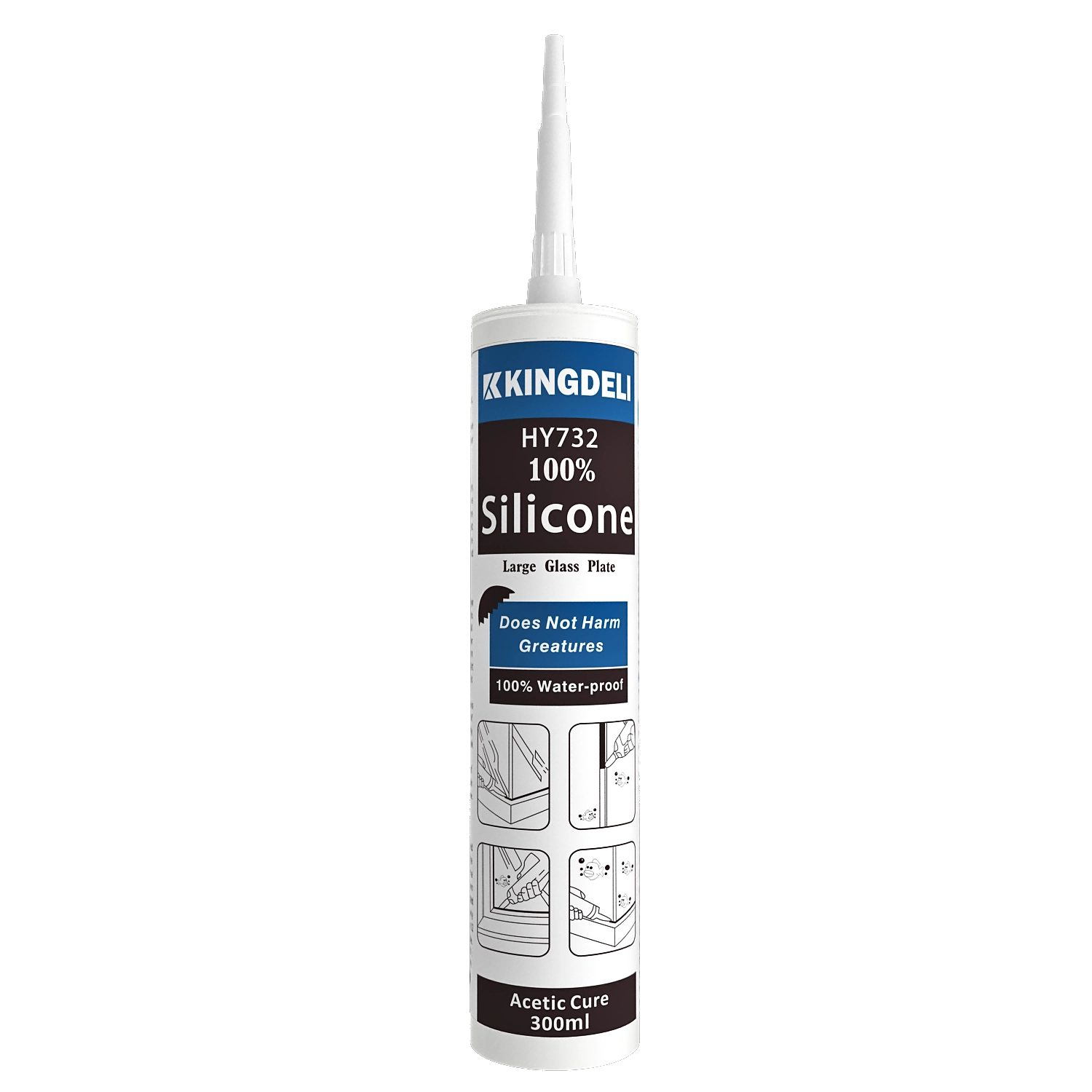
KINGDELI HY732 Professional Acetoxy Cure Silicone Sealant
KINGDELI HY732 is a professional-grade, one-component acetoxy cure silicone sealant designed for fast curing, strong adhesion, and long-lasting flexibility. Ideal for aquariums, glass applications, aluminum doors and windows, kitchens, and bathrooms, it provides reliable sealing performance with excellent anti-fungal protection in high-humidity environments.
Let’s Build Stronger Bonds with Quality Adhesives and Sealants
Have questions about the topic or need tailored sealant solutions for your project?
Our team is ready to provide expert guidance, product recommendations, and application support.
Innovating with Integrity, Bonding the World
Since 1998, KINGDELI has delivered trusted, sustainable sealant solutions that connect industries and inspire progress worldwide.
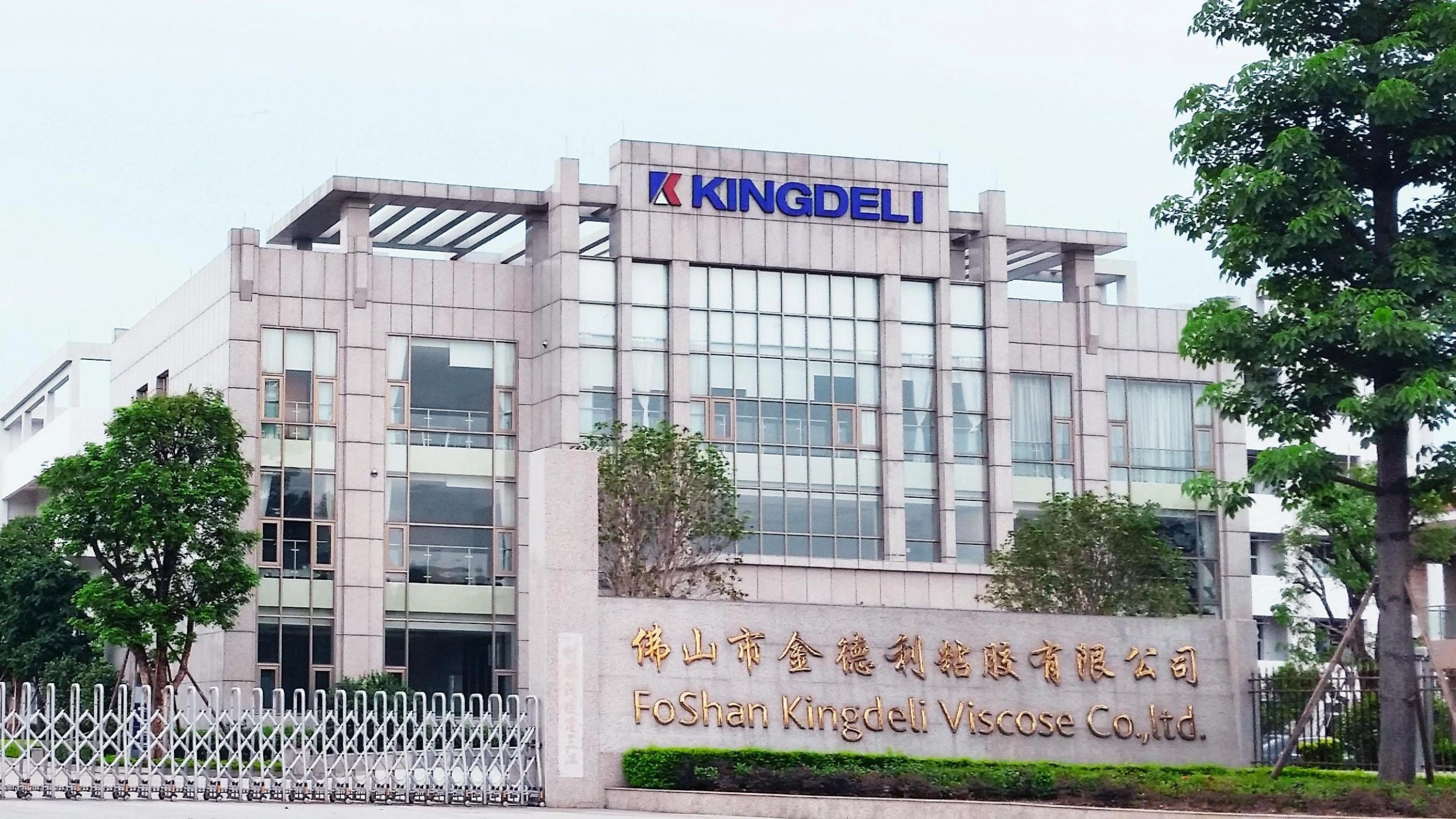
Whatsapp: +8618825946249
Kingdeli
Kingdeli
Kingdeli
Kingdeli
Kingdeli