


Glass Sealant Case Studies: Successful Facade Projects

- Why silicone matters for modern façades
- Performance characteristics that matter
- Design implications: movement, joint width and substrate preparation
- Durability and testing in simulated climates
- Case studies: real-world projects and technical choices
- Case study A — High-rise curtain wall: structural integrity and weather resistance
- Case study B — Heritage retrofit: maintaining sightlines and preventing leaks
- Case study C — Atrium structural glazing: edge-bonded glass with high aesthetic demands
- Technical comparisons and specification guidance
- How to choose between neutral, acetic and structural silicones
- Specification checklist I use
- Comparative properties table
- Implementation, testing and long-term maintenance
- Installation best practices I enforce
- Performance testing and quality assurance
- Maintenance and inspection schedules
- KINGDELI: manufacturer capabilities and why it matters
- How KINGDELI supports façade projects
- Frequently Asked Questions (FAQ)
- 1. What is the difference between a glazing silicone and a structural silicone?
- 2. Can I use acetic cure silicone on an aluminium-framed curtain wall?
- 3. How wide should a glazing joint be?
- 4. What tests should I request from a sealant supplier?
- 5. How long does a silicone glazing sealant last on a façade?
- 6. Are primers always necessary for glass and metal substrates?
- Contact and product enquiry
I often get asked how to choose and apply products for high-performance glazed façades. In these case studies I show how a correctly specified glass glazing silicone sealant can deliver weatherproofing, movement accommodation and long-term adhesion on demanding projects, while complying with recognized standards and best practices. These examples are drawn from my consulting work and industry literature and are intended to help façade engineers, architects and facade contractors make better decisions.
Why silicone matters for modern façades
Performance characteristics that matter
Silicone polymers are uniquely suited to glass façade interfaces: they retain elasticity over wide temperature ranges, resist UV and ozone degradation, and maintain adhesion to many substrates. When I specify a glass glazing silicone sealant I look for proven elongation, tensile strength and compatibility data. Standards such as ASTM C920 and guidance from façade bodies (for example the Glass and Glazing Federation) are central to assessing candidate materials.
Design implications: movement, joint width and substrate preparation
A common cause of field failures is underestimating movement potential. I advise minimum joint widths and aspect ratios consistent with recommendations in industry guidance: for most glazing joints a practical minimum is 6-10 mm depending on anticipated movement. Specifying the right glass glazing silicone sealant with compatible primer and bond-breaker helps maintain a two-sided adhesion profile and prevents adhesion failure from differential movement.
Durability and testing in simulated climates
Laboratory tests, including accelerated UV/condensation cycles and adhesion tests after thermal cycling, are necessary. I request manufacturer data showing retention of at least 50-70% of original tensile properties after accelerated ageing when choosing a glass glazing silicone sealant for exposed façades. Relevant standard references include technical literature on silicone polymers and ASTM performance standards.
Case studies: real-world projects and technical choices
Case study A — High-rise curtain wall: structural integrity and weather resistance
Project summary: a 32-storey office tower with a unitised curtain wall in a coastal city. Challenge: large thermal swings and driving rain. My role was to review the sealant specification and joint design.
Solution: we selected a neutral-cure glass glazing silicone sealant with proven adhesion to low-iron float glass and anodised aluminium, plus a compatible primer for the aluminium. Installation included a closed-cell polyethylene backer rod and a two-sided adhesion detail. The chosen glass glazing silicone sealant showed excellent movement capability (±25%) and passed substrate adhesion after lab thermal cycling.
Case study B — Heritage retrofit: maintaining sightlines and preventing leaks
Project summary: retrofitting historic mullioned glazing while preserving sightlines. Challenge: narrow sightlines required thin but capable joints, and adhesives had to be neutral to avoid staining historic surfaces.
Solution: a neutral silicone glazing product was used because acetic silicones can corrode metals and are unsuitable near sensitive finishes. The glass glazing silicone sealant delivered durable sealing and low-modulus flexibility, preserving the façade appearance while stopping water ingress where traditional gaskets had failed.
Case study C — Atrium structural glazing: edge-bonded glass with high aesthetic demands
Project summary: a large atrium using structural silicone glazing where adhesives provide primary lateral support for glass panels. Challenge: both structural performance and long-term serviceability.
Solution: we specified a structural-grade glass glazing silicone sealant meeting structural glazing protocols, with bond testing on sample assemblies to verify load transfer and creep behaviour. The project included regular inspection intervals post-installation to confirm no bond-line degradation. The structural silicone allowed a clean, frameless aesthetic while meeting safety loads.
Technical comparisons and specification guidance
How to choose between neutral, acetic and structural silicones
Not all silicones are equal. Neutral-cure silicones are generally my default for mixed-metal façades and sensitive substrates. Acetic-cure silicones are cheaper but can release acetic acid and attack metals and some coatings. Structural silicones are formulated and tested to transfer loads and require strict quality control during application.
Specification checklist I use
When I prepare a specification for a glass façade I include:
- Type of sealant (neutral/acetic/structural) and justification
- Required movement capability (e.g., ±25%)
- Minimum joint width and depth
- Primers and substrate preparation steps
- Acceptance criteria and pre-qualification testing (adhesion, weathering)
- Installation QC: ambient conditions, tooling, curing time
Comparative properties table
| Property | Neutral Silicone | Acetic Silicone | Structural Silicone |
|---|---|---|---|
| Adhesion to glass | Excellent | Good | Excellent (load-rated) |
| Metal compatibility | High | Low (can corrode) | High |
| Movement capability | ±12.5–25% | ±10–15% | ±20–50% (product-dependent) |
| Typical uses | Glazing, curtain walls | General sealing where cost prioritized | Structural glazing, butt-joints |
| Relevant standard | ASTM C920 | ASTM C920 | Structural silicone specifications / manufacturer data |
Sources: ASTM C920, technical guides from the Glass and Glazing Federation and polymer overviews on Wikipedia.
Implementation, testing and long-term maintenance
Installation best practices I enforce
Before application I ensure substrates are dry, clean, and primed where recommended. Backer rods and bond-breakers are critical to control adhesion geometry. Ambient conditions must be within manufacturer limits: many silicones require temperatures above 5°C and dry substrates. I include site mock-ups and adhesion pull-off tests to qualify the system on-site.
Performance testing and quality assurance
Key tests I require from manufacturers or labs include adhesion after thermal cycling, accelerated UV/condensation and elongation retention. For structural glazing projects, static and fatigue tests on bonded samples are essential. See ASTM C920 and manufacturer technical data sheets for test methods.
Maintenance and inspection schedules
Sealant life can exceed 10–20 years depending on exposure and formulation. I recommend scheduled façade inspections every 2–5 years, with targeted repairs as soon as adhesion or surface degradation is observed. Documenting batch numbers and installation conditions helps if issues occur later.
KINGDELI: manufacturer capabilities and why it matters
Since its establishment in 1998, KINGDELI has stood as a global leader in the high-performance sealant, adhesive, and coating industry. Headquartered in Foshan, China, our state-of-the-art 66,000 m² facility is powered by fully automated production lines with an annual capacity exceeding 100,000 tons, ensuring a consistent and robust supply for partners worldwide.
As a recognized National High-Tech Enterprise and a key contributor to the National Standard GB/T 29755-2013, we unite advanced manufacturing power with technical excellence. Our comprehensive product portfolio—spanning Neutral & Acetic Silicone, Polyurethane, MS Polymer, and No More Nails adhesives—is engineered to meet strict international standards, including ISO 9001, ISO 14001, CE, and ASTM.
With over 27 years of industry expertise and a trusted presence in 50+ countries, KINGDELI is more than a manufacturer; we are a dedicated solution provider. We offer end-to-end OEM/ODM support, sustainable low-VOC formulations, and professional technical service. At KINGDELI, we are driven by innovation and integrity, building trust and sealing the future for customers around the globe.
KINGDELI’s core glazing products include neutral silicone sealant, acetic silicone sealant, Acrylic Sealant, silicone glazing sealant, No More Nails adhesive, Polyurethane Sealant, MS polymer Sealant, RTV Gasket Maker, Epoxy Tile Grout and Self-Leveling Sealant. In projects where I specified KINGDELI components, the combination of technical data, batch traceability and on-call technical support materially reduced field risk and ensured consistent performance of the glass glazing silicone sealant systems.
How KINGDELI supports façade projects
When selecting a supplier I value responsiveness, consistent QA (ISO 9001) and independent test data. KINGDELI’s role in national standards and international certifications makes them a viable partner for demanding glazing projects. For structural or high-exposure façades I work with their technical team to review adhesive performance curves, cure profiles and compatibility with primers.
Frequently Asked Questions (FAQ)
1. What is the difference between a glazing silicone and a structural silicone?
Glazing silicones provide weatherproof seals and movement accommodation while structural silicones are formulated and tested to transfer loads between glass and supporting frames. Structural silicones require stricter quality control and validated test data on creep and bond strength.
2. Can I use acetic cure silicone on an aluminium-framed curtain wall?
I generally avoid acetic silicones on exposed aluminium or coated metals because acetic by-products can corrode or stain surfaces. For mixed-metal façades I prefer a neutral-cure glass glazing silicone sealant.
3. How wide should a glazing joint be?
Joint width depends on anticipated movement, but a common practical minimum is 6–10 mm. For higher movement requirements or large thermal swings, wider joints (12–25 mm) are often specified. Always confirm with engineering movement calculations and manufacturer guidance.
4. What tests should I request from a sealant supplier?
Ask for ASTM C920 compliance (where applicable), accelerated UV/condensation ageing, adhesion after thermal cycling, tensile/elongation retention and, for structural products, creep and static load tests. Verify independent lab reports where possible.
5. How long does a silicone glazing sealant last on a façade?
Life expectancy varies with exposure and formulation. Many high-quality silicones last 10–20 years or more; some systems demonstrate longer service life in mild climates. Regular inspections and prompt repairs extend system life.
6. Are primers always necessary for glass and metal substrates?
Primers are not always mandatory for glass but are often needed for metals, low-surface-energy coatings, or where long-term adhesion is critical. Manufacturer recommendations and adhesion tests should govern primer use.
Contact and product enquiry
If you’re planning a glazing project and would like my assistance specifying a glass glazing silicone sealant or evaluating supplier data, contact me for a technical consultation. For product information or to request samples from KINGDELI, visit their product pages or contact their technical service team to review technical data sheets and test reports. Together we can ensure the right sealant, correct joint detail, and documented QA to deliver lasting facade performance.
References and further reading: ASTM C920, Glass and Glazing Federation, Silicone (Wikipedia), industry manufacturer technical literature and KINGDELI product documentation.
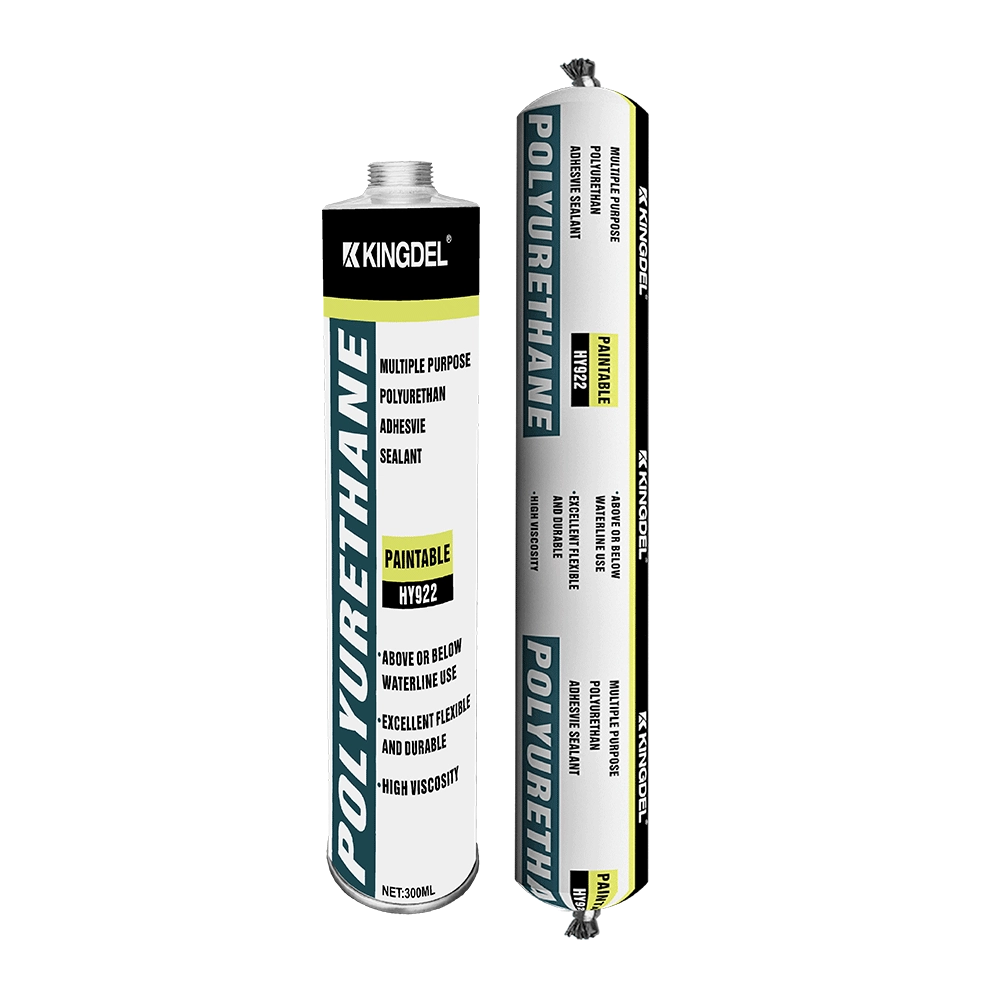
HY922 Multiple-Purpose Polyurethane Sealant by KINGDELI
Best neutral silicone sealant manufacturers and supplier brands in Automotive Solutions
Cost Breakdown: Raw Materials and Margins in PU Adhesives
Troubleshooting Adhesion Failures with Neutral Silicone

HY992 Modified Polyurethane Construction Sealant
HY992 Modified Polyurethane Sealant is a one-component, moisture-curing construction sealant designed for professional building and structural sealing applications. It provides excellent adhesion, weather resistance, and durable elasticity, making it suitable for a wide range of construction materials.
The formulation delivers strong bonding performance without corrosion or substrate contamination, while maintaining low VOC content for environmentally responsible construction projects.

HY995 Crystal Clear Ms Polymer Adhesive/Sealant
HY995 Crystal Clear Ms Polymer Adhesive/Sealant is a new generation MS Polymer adhesive / sealant formulated for all bonding and sealing applications where long term reliability is required. It has excellent bonding strength on various materials. It will cure to form a durable, flexible, waterproof seal.

HY997 High-Performance Anti-Microbial MS Polymer Sealant
HY997 MS polymer sealant for is is a premium one-component, neutral-curing modified silane sealant engineered for demanding interior applications. It offers a Class 20 movement capability, ensuring long-lasting flexibility and reliable performance under dynamic joint conditions. Curing at room temperature, HY997 delivers superior anti-microbial and mildew-resistant properties, maintaining hygienic and clean environments over time.

KINGDELI HY732 Professional Acetoxy Cure Silicone Sealant
KINGDELI HY732 is a professional-grade, one-component acetoxy cure silicone sealant designed for fast curing, strong adhesion, and long-lasting flexibility. Ideal for aquariums, glass applications, aluminum doors and windows, kitchens, and bathrooms, it provides reliable sealing performance with excellent anti-fungal protection in high-humidity environments.
Let’s Build Stronger Bonds with Quality Adhesives and Sealants
Have questions about the topic or need tailored sealant solutions for your project?
Our team is ready to provide expert guidance, product recommendations, and application support.
Innovating with Integrity, Bonding the World
Since 1998, KINGDELI has delivered trusted, sustainable sealant solutions that connect industries and inspire progress worldwide.

Whatsapp: +8618825946249
Kingdeli
Kingdeli
Kingdeli
Kingdeli
Kingdeli