


Factory Tour Questions to Vet PU Adhesive Manufacturers

- On-site inspection checklist for automotive glazing bonding systems
- Capacity & production process controls
- Raw-material traceability and incoming QC
- Environmental & safety controls on the shop floor
- Quality assurance and performance verification capabilities
- Testing laboratory equipment and methods
- Cure profile, pot life, and installation simulation
- Batch traceability and release criteria
- Regulatory compliance, sustainability, and supply-chain resilience
- Certifications and industry standards
- VOC, REACH, and low-emission formulations
- Supply continuity and packaging/logistics
- Commercial qualification, technical support, and lifecycle service
- OEM/ODM experience and customization
- On-site training, application troubleshooting, and documentation
- Warranty, R&D roadmap, and continuous improvement
- Comparative performance snapshot: common glazing sealing and bonding systems
- How to structure factory-tour questions: a practical checklist
- Preparation and document requests
- Top 12 factory-tour questions for PU bonding systems
- Scoring suppliers and decision framework
- Frequently Asked Questions
Procurement teams and technical buyers evaluating manufacturers of structural polyurethane windshield adhesives should prioritize production capacity, certified quality systems, laboratory capabilities for adhesion and environmental testing, raw-material traceability, and after-sales support; this guide lists targeted factory-tour questions and inspection checkpoints that reduce supplier risk and accelerate qualification of bonding compounds used for automotive and commercial glazing applications, including considerations for cure profiles, primer requirements, VOC limits, and supply continuity.
On-site inspection checklist for automotive glazing bonding systems
Capacity & production process controls
Ask for documented annual output, real-time line throughput, automated filling accuracy, and batch-size flexibility. Buyers should validate capacity claims against visible production lines and control-room displays. Confirm whether the plant uses continuous mixing or batch reactors for isocyanate/polyol blends and whether automated metering reduces batch-to-batch variability. Production scale influences lead times for large fleet contracts and custom formula runs.
Raw-material traceability and incoming QC
Request certificates of analysis (CoA) for incoming polyols, isocyanates, catalysts, and fillers, and inspect vendor lists for main raw materials. A reliable manufacturer will maintain lot-by-lot traceability and quarantine procedures for non-conforming materials. Verify whether raw-material sampling follows recognized procedures and if incoming goods are stored under appropriate environmental controls to prevent hydrolysis of moisture-sensitive components.
Environmental & safety controls on the shop floor
Observe ventilation, solvent-capture systems, and personal protective equipment protocols. Compliance with workplace safety and emissions guidance reduces operational risk; procurement teams should confirm adherence to national occupational safety regulations such as OSHA and review records for incident rates and mitigation measures.
Quality assurance and performance verification capabilities
Testing laboratory equipment and methods
Inspect the on-site laboratory for adhesion testers, tensile/elongation rigs, rheometers, and environmental chambers capable of thermal cycling and humidity exposure. Confirm use of standardized test methods reflected in recognized bodies—suppliers often reference ASTM procedures or internal methods aligned to market expectations. Buyers should request recent test reports for lap-shear strength, peel resistance, and dynamic fatigue relevant to bonded glass applications.
Cure profile, pot life, and installation simulation
Production QC should include documented cure curves (tack-free time, functional cure, and full-strength development) measured at multiple temperatures and humidities to simulate workshop and field conditions. Verify pot-life data for single-component moisture-cure formulations and request mock-up assemblies to observe primer/no-primer compatibility and bead tooling behavior under typical automation or manual application.
Batch traceability and release criteria
Confirm the manufacturer's batch records, sampling frequency, release sign-offs, and retention-sample policies. A strong supplier maintains retained samples per lot, enabling failure investigation and warranty claims handling. Inspect real examples of non-conformance reports and corrective actions to evaluate responsiveness and root-cause analysis capabilities.
Regulatory compliance, sustainability, and supply-chain resilience
Certifications and industry standards
Verify ISO certification scope such as ISO 9001 for quality management and ISO 14001 for environmental systems. For automotive or construction glazing, request evidence of conformance to applicable technical standards referenced by OEMs and regulatory bodies. Public standards and technical committees, such as national glazing regulations and automotive adhesive standards, provide objective baselines for performance.
VOC, REACH, and low-emission formulations
Ask for VOC test reports and material safety data sheets showing volatile constituents and hazard statements. For global projects, suppliers should provide documentation for European REACH compliance and any required substance declarations. Low-VOC or waterborne solutions may reduce downstream compliance costs for installers and improve indoor air quality for enclosed-vehicle assembly areas.
Supply continuity and packaging/logistics
Confirm domestic and international shipping capacity, seasonal raw-material sourcing risks, and buffer-stock policies. Evaluate packaging formats (cartridge, sausage, bulk) and shelf-life labeling to ensure compatibility with automated dispensing equipment and global distribution timelines. Buyers should also review cold-chain or temperature-stable storage needs for specialty chemistries.
Commercial qualification, technical support, and lifecycle service
OEM/ODM experience and customization
Prioritize manufacturers who offer formula tailoring, color matching, and adhesion promotion for specific glass substrates and primer systems. Evidence of successful OEM integrations, pilot runs, and scale-up plans indicates practical capability to support program ramp-up. Request references from prior vehicle programs or large glazing projects.
On-site training, application troubleshooting, and documentation
Technical service should include application protocols, dispensing parameters, and failure-mode checklists. Verify availability of field engineers for start-ups, process audits, and requalification after formula changes. Comprehensive application training reduces installation variability and warranty exposure.
Warranty, R&D roadmap, and continuous improvement
Confirm warranty terms tied to documented installation procedures and storage/handling compliance. Ask about the supplier’s R&D pipeline for low-VOC, faster-curing, or higher-temperature resistant chemistries. A demonstrable commitment to incremental improvement reduces long-term replacement and remediation costs.
Comparative performance snapshot: common glazing sealing and bonding systems
| Attribute | Butyl Glazing Tape | Structural Urethane (moisture-cure) | Silicone Glazing Sealant |
|---|---|---|---|
| Primary use | Vibration-damping, non-structural seam sealing | Structural bonding for windshields and body-in-white | Weatherproof seal, high temp resistance |
| Cure mechanism | Pressure/adhesion | Moisture-curing polyurethane chemistry | Condensation or neutral-cure silicone crosslinking |
| Typical temperature range | -40 to +85 °C | -40 to +120 °C (service dependent) | -60 to +200 °C |
| Structural bonding capability | Low | High (designed for load transfer) | Medium to high (depends on formulation) |
| VOC / Environmental | Low (solid tape) | Variable; low-VOC formulations available | Typically low-VOC; neutral-cure preferred for low emissions |
Note: Comparative values are generalized; buyers should request specific technical data sheets, environmental test reports, and application case studies for verification against project requirements. Further technical context on base polymers is available via Polyurethane (Wikipedia) and regulatory frameworks can be reviewed at ISO and ASTM.
How to structure factory-tour questions: a practical checklist
Preparation and document requests
Before the visit, request: current ISO certificates, recent lab test reports for adhesion and environmental exposure, CoAs for raw materials, OSH records, and production capacity logs. Pre-shared documents allow focused verification during the walk-through and reduce time spent reviewing paperwork on site.
Top 12 factory-tour questions for PU bonding systems
1) What is the plant's annual output for urethane adhesives and typical lead times for large-volume orders? 2) Can batch-level CoAs and retained samples be provided for at least 12 months? 3) Which standardized test methods are used for bonding strength and environmental aging? 4) Is there an on-site rheometer, environmental chamber, and lap-shear tester? 5) How are moisture-sensitive raw materials stored and protected? 6) What is the documented cure profile at 23°C/50% RH and at lower workshop temperatures? 7) Does the supplier offer OEM/ODM customization and pilot-run support? 8) What is the documented shelf life and storage condition for each packaging format? 9) Are low-VOC or REACH-compliant formulations available? 10) How are non-conforming lots handled and what is the average lead time for corrective actions? 11) Can the supplier provide references for automotive glazing programs or large commercial glazing projects? 12) What technical training and field-support resources are included in the contract?
Scoring suppliers and decision framework
Use a weighted scoring model that values laboratory capability, traceability, production automation, compliance, and after-sales service. Assign higher weight to attributes that most affect project risk (e.g., bonding performance and supply continuity) and require documented evidence rather than verbal assurances.
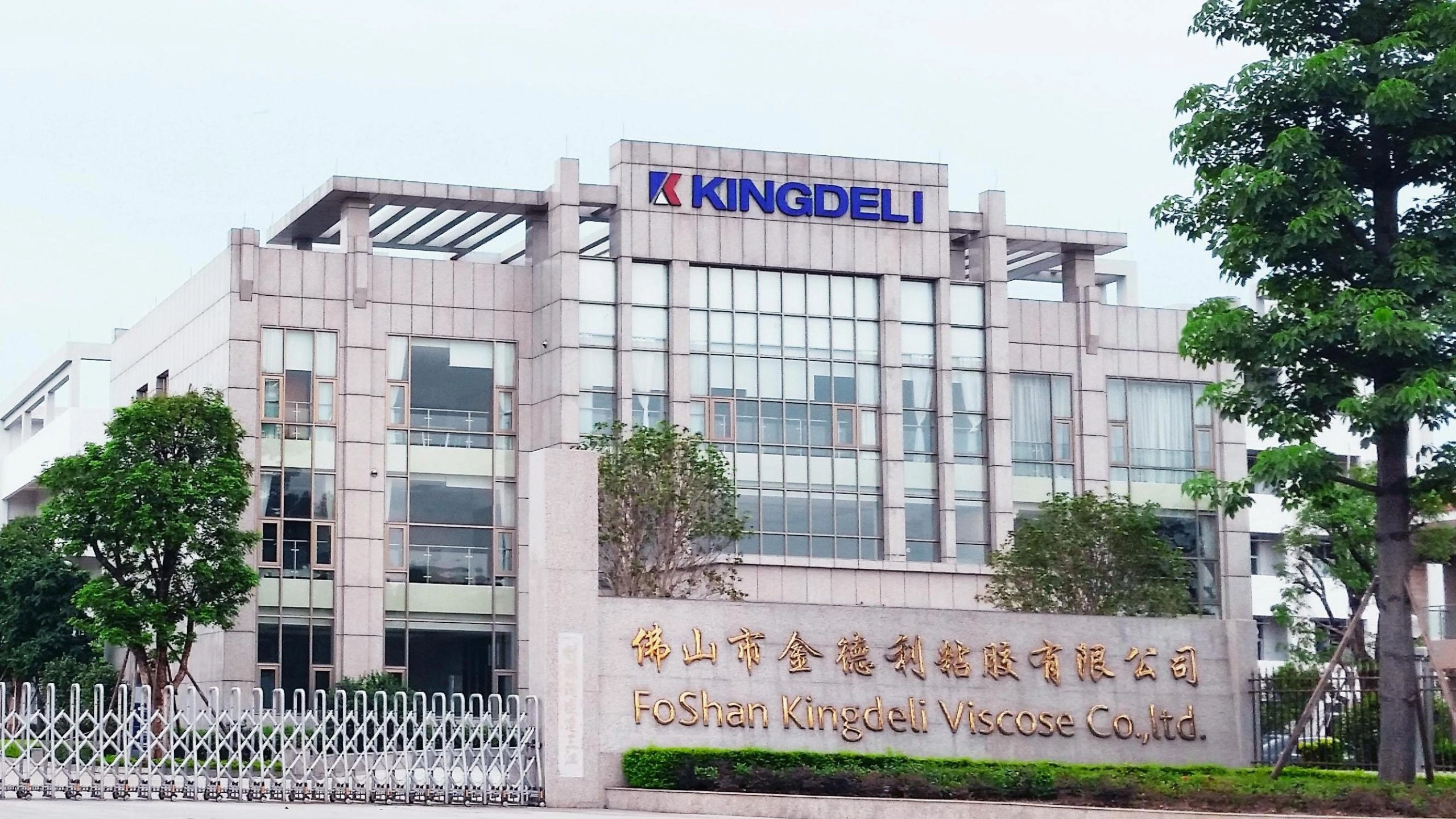
Since its establishment in 1998, KINGDELI has stood as a global leader in the high-performance sealant, adhesive, and coating industry. Headquartered in Foshan, China, our state-of-the-art 66,000 m² facility is powered by fully automated production lines with an annual capacity exceeding 100,000 tons, ensuring a consistent and robust supply for partners worldwide.As a recognized National High-Tech Enterprise and a key contributor to the National Standard GB/T 29755-2013, we unite advanced manufacturing power with technical excellence. Our comprehensive product portfolio—spanning Neutral & Acetic Silicone, Polyurethane, MS Polymer, and No More Nails adhesives—is engineered to meet strict international standards, including ISO 9001, ISO 14001, CE, and ASTM.With over 27 years of industry expertise and a trusted presence in 50+ countries, KINGDELI is more than a manufacturer; we are a dedicated solution provider. We offer end-to-end OEM/ODM support, sustainable low-VOC formulations, and professional technical service. At KINGDELI, we are driven by innovation and integrity, building trust and sealing the future for customers around the globe.
Our related products that support glazing and structural bonding programs include neutral silicone sealant, acetic silicone sealant, acrylic sealant, silicone glazing sealant, No More Nails adhesive, polyurethane sealant, MS polymer sealant, RTV gasket maker, epoxy tile grout, and self-leveling sealant. Buyers evaluating bonding systems for automotive glazing projects can leverage our technical team for compatibility testing, pilot production, and production-scale supply agreements.
For reference on polymer families and testing standards, see technical overviews at Polyurethane, standards guidance at ISO, and test-method frameworks at ASTM.
Contact the KINGDELI team to arrange a factory tour, request sample kits, or begin a qualification program tailored to large-scale windshield bonding applications.
Frequently Asked Questions
What essential documents should be requested before a factory tour to vet an adhesive supplier?
Request current ISO certificates, recent laboratory test reports for adhesion and environmental aging, certificates of analysis (CoA) for key raw materials, production capacity logs, OSH records, retained-sample policies, and existing OEM references or case studies.
Which on-site tests indicate a manufacturer can produce reliable windshield bonding compounds?
Presence of lap-shear testers, peel testers, rheometers, environmental chambers for thermal cycling and humidity exposure, and documented cure-profile testing at multiple temperatures and humidities indicate robust verification capability.
How should buyers evaluate supply continuity and logistics risk?
Evaluate raw-material sourcing diversification, buffer-stock policies, packaging options (cartridge, sausage, bulk), seasonal capacity constraints, lead-time records, and the supplier's international shipping and customs experience to ensure project continuity.
What regulatory and environmental certifications are most relevant for glazing adhesives?
Relevant certifications include ISO 9001 for quality management and ISO 14001 for environmental management; buyers should also request VOC test reports, REACH declarations where applicable, and evidence of conformity to regional glazing or automotive performance standards.
What technical support should a qualified adhesive manufacturer provide during program ramp-up?
A qualified supplier should offer pilot-run support, on-site application training, dispensing parameter guidance, troubleshooting assistance for primer/adhesive compatibility, retained-sample testing for failure analysis, and field engineers for start-up and audits.
Cost Analysis: Buying Neutral Silicone Bulk vs Cartridges
Construction Sealant MOQ, Pricing, and Lead Time: Buyer Benchmarks
MOQ, Lead Time and Pricing for Bulk Polyurethane Windshield Orders
Fire-Rated Neutral Silicone Sealant Solutions for Buildings
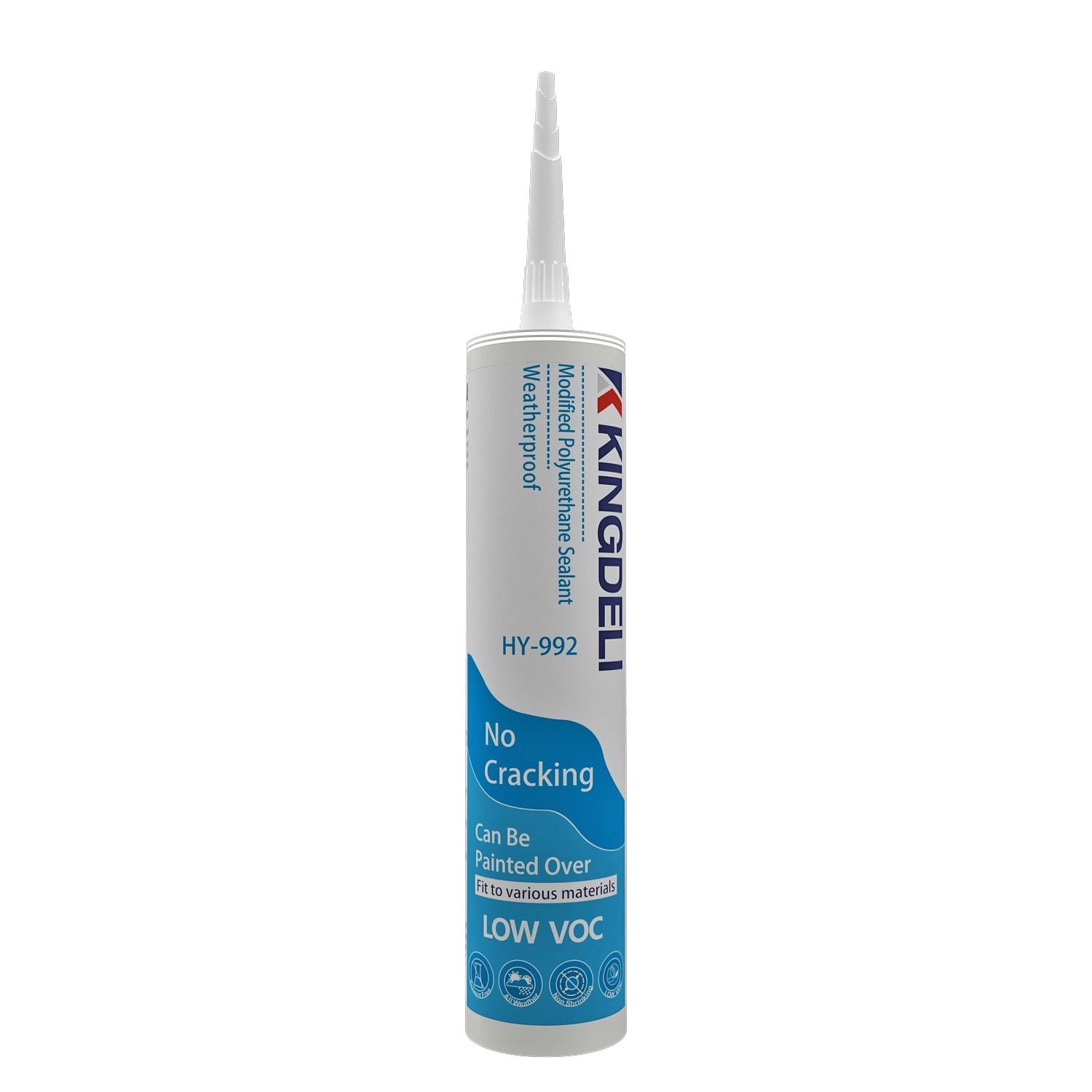
HY992 Modified Polyurethane Construction Sealant
HY992 Modified Polyurethane Sealant is a one-component, moisture-curing construction sealant designed for professional building and structural sealing applications. It provides excellent adhesion, weather resistance, and durable elasticity, making it suitable for a wide range of construction materials.
The formulation delivers strong bonding performance without corrosion or substrate contamination, while maintaining low VOC content for environmentally responsible construction projects.

HY995 Crystal Clear Ms Polymer Adhesive/Sealant
HY995 Crystal Clear Ms Polymer Adhesive/Sealant is a new generation MS Polymer adhesive / sealant formulated for all bonding and sealing applications where long term reliability is required. It has excellent bonding strength on various materials. It will cure to form a durable, flexible, waterproof seal.

HY997 High-Performance Anti-Microbial MS Polymer Sealant
HY997 MS polymer sealant for is is a premium one-component, neutral-curing modified silane sealant engineered for demanding interior applications. It offers a Class 20 movement capability, ensuring long-lasting flexibility and reliable performance under dynamic joint conditions. Curing at room temperature, HY997 delivers superior anti-microbial and mildew-resistant properties, maintaining hygienic and clean environments over time.
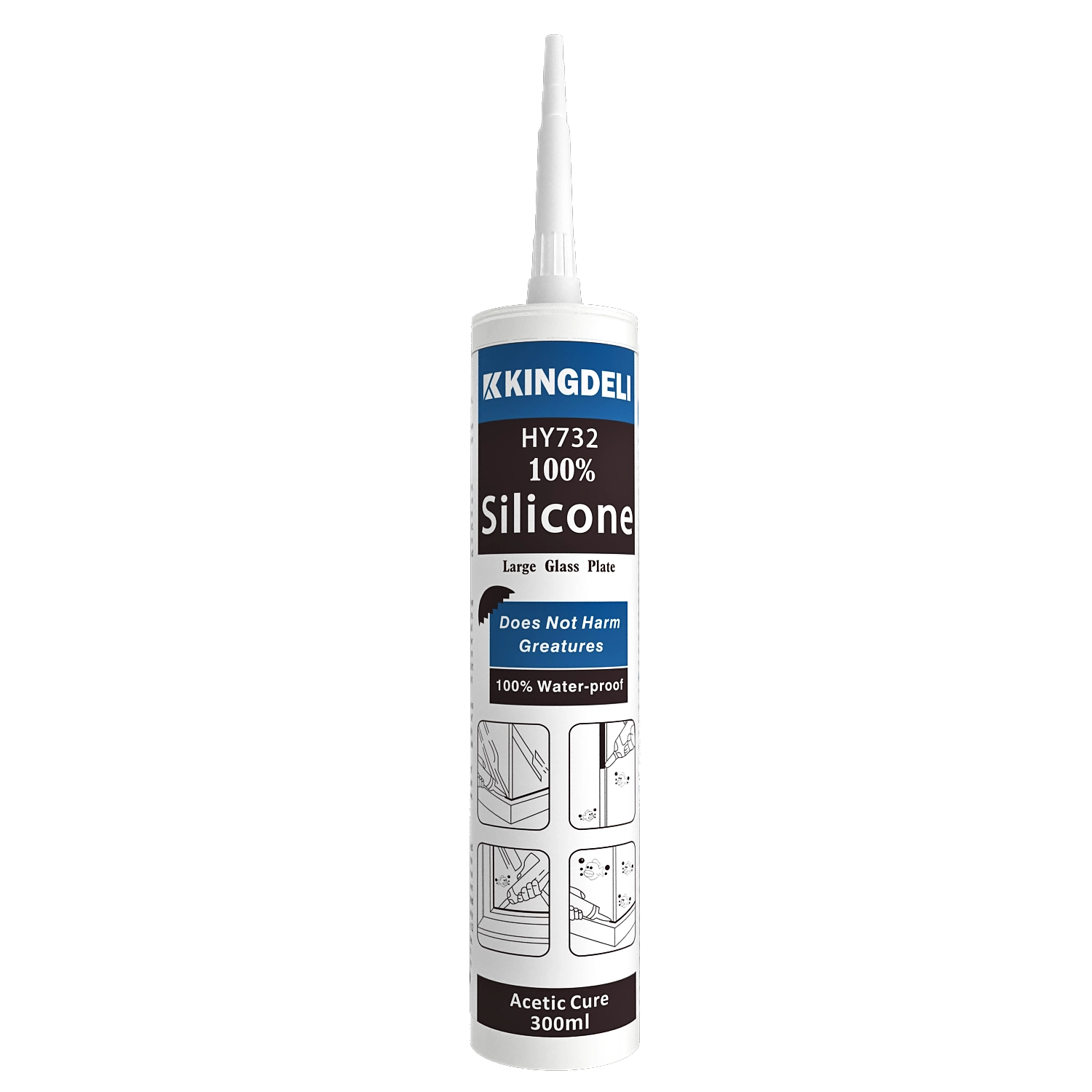
KINGDELI HY732 Professional Acetoxy Cure Silicone Sealant
KINGDELI HY732 is a professional-grade, one-component acetoxy cure silicone sealant designed for fast curing, strong adhesion, and long-lasting flexibility. Ideal for aquariums, glass applications, aluminum doors and windows, kitchens, and bathrooms, it provides reliable sealing performance with excellent anti-fungal protection in high-humidity environments.
Let’s Build Stronger Bonds with Quality Adhesives and Sealants
Have questions about the topic or need tailored sealant solutions for your project?
Our team is ready to provide expert guidance, product recommendations, and application support.
Innovating with Integrity, Bonding the World
Since 1998, KINGDELI has delivered trusted, sustainable sealant solutions that connect industries and inspire progress worldwide.
Whatsapp: +8618825946249
Kingdeli
Kingdeli
Kingdeli
Kingdeli
Kingdeli