


Evaluating PU Windshield Adhesives for Automotive OEM Contracts

Evaluating polyurethane-based bonding systems for automotive glazing requires a matrix of performance metrics—structural strength, elastic recovery, adhesion to coated glass and painted substrates, cure profile, VOC and environmental compliance, process integration, and supplier capacity. This guide translates engineering criteria into procurement checklists for OEM contracts, compares urethane glazing chemistry with alternative sealant families, and outlines how to validate manufacturers and production readiness using standards from regulatory and standards bodies such as NHTSA, ISO, and ASTM. Practical test protocols, risk mitigation steps, and commercial due-diligence practices are provided to support scalable supply agreements and ensure on-vehicle safety and warranty performance.
- Selecting a Structural Urethane System for Automotive Glass Assembly
- Key mechanical attributes to prioritize
- Cure profile and process integration
- Substrate adhesion and pretreatment
- Comparative Performance: Urethane vs. Alternative Glazing Sealants
- Functional differences and application fit
- Environmental and regulatory considerations
- Supply chain resiliency and quality control
- Technical Validation and Contractual Acceptance Criteria
- Test protocols and acceptance thresholds
- Process validation and pilot runs
- Risk mitigation: warranties, change control, and recalls
- KINGDELI: Manufacturing Capacity, Compliance, and Product Coverage
- Production scale and quality systems
- Standards contribution and compliance
- Product portfolio and OEM-focused formulations
- Supply partnership and technical support
- Procurement Checklist for OEM Contracts
- Minimum technical commitments
- Quality and compliance requirements
- Commercial and logistical terms
- Frequently Asked Questions
- What performance tests should an OEM require for a structural urethane glazing material?
- How can adhesion to coated glass and painted flanges be validated?
- Are low-VOC urethane formulations feasible for glazing applications?
- What are typical contractual protections against material changes by suppliers?
- How important is supplier manufacturing capacity in selection decisions?
- Which international standards and bodies are relevant to glazing adhesives?
Evaluating a polyurethane-based bonding system for automotive glazing requires a matrix of technical, process, and commercial criteria: lap-shear and peel resistance, dynamic load performance, substrate compatibility (coated/primed glass and painted flanges), cure kinetics for line integration, emissions and VOC targets, and supplier manufacturing capacity and traceability.
Selecting a Structural Urethane System for Automotive Glass Assembly
Key mechanical attributes to prioritize
For OEM glazing applications, buyers should prioritize modulus, tensile strength under shear, and elongation at break to ensure crash-energy absorption and long-term integrity. A bonding polymer that combines high cohesive strength with controlled flexibility prevents stress concentration at the adhesive-glass and adhesive-metal interfaces during thermal cycling and dynamic loads.
Cure profile and process integration
Line-speed considerations require a balance between fast skin formation to allow handling and predictable full cure for final-strength development. Typical assembly lines use ambient-cure one-component systems or two-component formulations that enable accelerated crosslinking. Compatibility with existing dispensing systems, bead geometry, and robot pathing should be validated in pilot runs before scale-up.
Substrate adhesion and pretreatment
Glass has variable surface chemistries due to coatings and frits; metal flanges often carry paint, electrocoat, or seal primers. A reliable urethane bonding solution should bond without aggressive surface activation wherever possible, but an OEM should evaluate adhesion with intended pretreatment steps—adhesion promoter, plasma, or primer—and validate peel and shear after accelerated aging.
Comparative Performance: Urethane vs. Alternative Glazing Sealants
Functional differences and application fit
Urethane-based glazing polymers are typically selected where structural bonding is required. Neutral-cure silicones provide excellent weathering but generally lower structural strength. MS polymers offer a compromise with improved paint adhesion and lower odor/VOC. Selection must consider crash-safety requirements, long-term durability, and service temperature range.
Environmental and regulatory considerations
Automotive OEMs increasingly specify low-VOC and low-emission chemistries to meet regional air-quality rules and corporate sustainability goals. Suppliers should provide third-party test data for volatile organic compound emissions and confirm compliance with relevant environmental regulations in target markets.
Supply chain resiliency and quality control
Beyond chemistry, procurement decisions hinge on supplier capacity, certification, and traceability. Contract language should require ISO 9001-driven quality systems, change-notification clauses, and agreed-upon incoming inspection test plans. Working with manufacturers that publish production capacity and automated processes reduces substitution risk during scale-up.
| Attribute | Urethane (structural) | Neutral Silicone | MS Polymer |
|---|---|---|---|
| Structural strength | High | Low–Medium | Medium |
| Elasticity / Elongation | Medium–High | High | High |
| Cure profile (line integration) | Ambient to accelerated (one/two-component) | Ambient, longer full cure | Ambient, moderate cure speed |
| Typical VOC | Low–Medium (formulation dependent) | Low | Low |
| OEM glazing suitability | Preferred for structural bonding | Used for secondary sealing | Used where paint compatibility and low odor needed |
Technical Validation and Contractual Acceptance Criteria
Test protocols and acceptance thresholds
Contractual specifications should require specific, ASTM- or ISO-referenced test methods for acceptance. Typical tests include lap-shear (ASTM D1002 or equivalent), peel tests, dynamic fatigue, thermal cycling, humidity aging, and stone-chip resistance. OEM procurement should define minimum acceptable residual strength after accelerated aging and a statistically justified sampling plan.
Process validation and pilot runs
Performance on the bench does not guarantee manufacturability. Pilot production runs are essential to validate bead consistency, cure behavior across climate-controlled stations, and robot-programmed dispensing. Metrics such as bead weight variance, tack-free time, cycle throughput, and first-pass yield should be part of acceptance criteria.
Risk mitigation: warranties, change control, and recalls
Contracts must include clear change-control procedures, quality hold points, and traceability for lot numbers. Warranties should align with vehicle warranty periods and include remediation steps for in-field adhesive failures. Require supplier notification within a specified timeframe for formulation changes and conduct joint qualification for any material substitutions.
KINGDELI: Manufacturing Capacity, Compliance, and Product Coverage
Production scale and quality systems
Since its establishment in 1998, KINGDELI has stood as a global leader in the high-performance sealant, adhesive, and coating industry. Headquartered in Foshan, China, our state-of-the-art 66,000 m² facility is powered by fully automated production lines with an annual capacity exceeding 100,000 tons, ensuring a consistent and robust supply for partners worldwide. Our manufacturing and quality systems conform to ISO 9001 and ISO 14001 frameworks; buyers may verify certification documentation as part of supplier qualification. Further information about quality management standards is available from the ISO portal.
Standards contribution and compliance
As a recognized National High-Tech Enterprise and a key contributor to the National Standard GB/T 29755-2013, KINGDELI unites advanced manufacturing power with technical excellence. Product development follows internationally recognized test frameworks (refer to ASTM and regulatory guidance) and aligns with vehicle safety and glazing considerations published by regulatory bodies such as the NHTSA. For general background on automotive glazing and its role in vehicle structure, consult the technical overview available at Wikipedia - Windscreen.
Product portfolio and OEM-focused formulations
Our comprehensive product portfolio includes Neutral & Acetic Silicone, Polyurethane Sealants optimized for structural glass bonding, MS Polymer Sealants, No More Nails adhesives, Acrylic Sealants, silicone glazing sealants, RTV Gasket Makers, Epoxy Tile Grout, and Self-Leveling Sealant options. For OEM glazing, our polyurethane line has been engineered for low-VOC formulations, predictable cure behavior, and compatibility with common automotive coatings and primers. Buyers should request technical data sheets and validated adhesion matrices for specific substrate combinations.
Supply partnership and technical support
With over 27 years of industry expertise and a trusted presence in 50+ countries, KINGDELI is more than a manufacturer; we are a dedicated solution provider. We offer end-to-end OEM/ODM support, including formulation adjustments for regional regulations, dispensing trials, and on-site technical service during production ramp-up. Our commercial agreements incorporate change-notification clauses and agreed quality checkpoints to minimize production interruptions.
Procurement Checklist for OEM Contracts
Minimum technical commitments
Specify required mechanical test methods and minimum residual strength after aging, define acceptable cure windows for production throughput, and require documented adhesion performance on the actual glass and flange coatings used in production.
Quality and compliance requirements
Mandatory certifications should include ISO 9001 and ISO 14001. Require third-party testing or witnessing for critical performance claims and include emissions testing if low-VOC classification is part of the contract. Industry standards organizations such as ASTM provide referenced methods that can be integrated into contract specifications.
Commercial and logistical terms
Negotiate minimum order quantities aligned to production plans, agreed lead times, and safety-stock provisions. Include escalation clauses for raw-material-driven price changes and define penalties or remediation steps for late deliveries affecting vehicle assembly.
Frequently Asked Questions
What performance tests should an OEM require for a structural urethane glazing material?
OEMs should require lap-shear and peel tests, dynamic fatigue under cyclic loading, thermal cycling with humidity exposure, and impact/stone-chip testing where applicable. Test methods should reference recognized standards (e.g., ASTM methods) and specify minimum residual strength after accelerated aging.
How can adhesion to coated glass and painted flanges be validated?
Validation should include adhesion testing on production-intent substrates with the specified pretreatment. Pilot runs with bead application, followed by environmental aging and destructive testing, provide realistic data. If primers are required, their use must be qualified within the contract scope.
Are low-VOC urethane formulations feasible for glazing applications?
Low-VOC urethane chemistries are available and often used in OEM programs. Buyers should request emission test results and environmental declarations, and confirm that cure and mechanical performance meet the vehicle program requirements.
What are typical contractual protections against material changes by suppliers?
Contracts should include change-control clauses requiring written notice and joint re-qualification for any formulation or process change. Supplier obligations should define timelines for notification and trialing, and include remediation or replacement clauses for unapproved substitutions.
How important is supplier manufacturing capacity in selection decisions?
Manufacturing capacity and automation directly affect supply risk. OEMs should evaluate validated production capacity, backup sourcing, and the supplier’s historical on-time delivery performance. Audits and capacity projections are typical procurement requirements.
Which international standards and bodies are relevant to glazing adhesives?
Relevant standards and guidance include ISO quality standards (see ISO 9001), methods and test protocols from ASTM, and vehicle safety guidance published by regulators such as the NHTSA. These organizations provide the framework used in acceptance testing and regulatory compliance.
Contact KINGDELI or view our product datasheets to discuss qualification trials, request TDS/MSDS, or review capacity and OEM references.
Quality Control Tests to Request from a Construction Sealant Factory
Low-VOC Neutral Silicone Options for Green Buildings
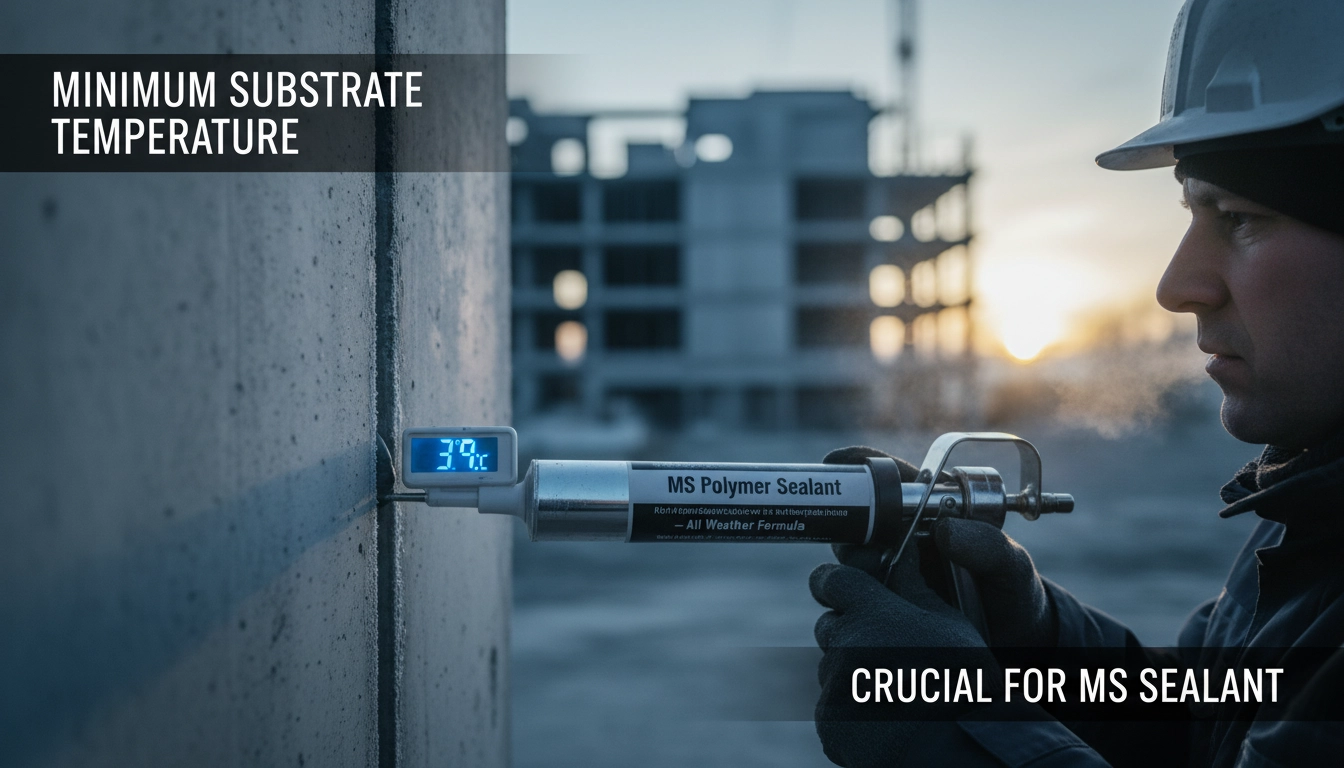
5 Critical Mistakes to Avoid When Applying MS Polymer Sealants in Extreme Heat or Cold (2026 Guide)

HY-4300 Structural Silicone Sealant — High-Strength Silicone for Structural Glazing

HY992 Modified Polyurethane Construction Sealant
HY992 Modified Polyurethane Sealant is a one-component, moisture-curing construction sealant designed for professional building and structural sealing applications. It provides excellent adhesion, weather resistance, and durable elasticity, making it suitable for a wide range of construction materials.
The formulation delivers strong bonding performance without corrosion or substrate contamination, while maintaining low VOC content for environmentally responsible construction projects.

HY995 Crystal Clear Ms Polymer Adhesive/Sealant
HY995 Crystal Clear Ms Polymer Adhesive/Sealant is a new generation MS Polymer adhesive / sealant formulated for all bonding and sealing applications where long term reliability is required. It has excellent bonding strength on various materials. It will cure to form a durable, flexible, waterproof seal.

HY997 High-Performance Anti-Microbial MS Polymer Sealant
HY997 MS polymer sealant for is is a premium one-component, neutral-curing modified silane sealant engineered for demanding interior applications. It offers a Class 20 movement capability, ensuring long-lasting flexibility and reliable performance under dynamic joint conditions. Curing at room temperature, HY997 delivers superior anti-microbial and mildew-resistant properties, maintaining hygienic and clean environments over time.

KINGDELI HY732 Professional Acetoxy Cure Silicone Sealant
KINGDELI HY732 is a professional-grade, one-component acetoxy cure silicone sealant designed for fast curing, strong adhesion, and long-lasting flexibility. Ideal for aquariums, glass applications, aluminum doors and windows, kitchens, and bathrooms, it provides reliable sealing performance with excellent anti-fungal protection in high-humidity environments.
Let’s Build Stronger Bonds with Quality Adhesives and Sealants
Have questions about the topic or need tailored sealant solutions for your project?
Our team is ready to provide expert guidance, product recommendations, and application support.
Innovating with Integrity, Bonding the World
Since 1998, KINGDELI has delivered trusted, sustainable sealant solutions that connect industries and inspire progress worldwide.

Whatsapp: +8618825946249
Kingdeli
Kingdeli
Kingdeli
Kingdeli
Kingdeli