


Compatibility of Neutral Silicone with Common Substrates

- Practical compatibility insights for common substrates
- Glass and glazed systems
- Aluminum and non-ferrous metals
- Painted and coated surfaces
- How neutral silicone interacts with plastics, masonry, and porous materials
- Thermoplastics and engineered polymers
- Masonry, concrete, and natural stone
- Rubber, neoprene, and gasket materials
- Performance trade-offs: choosing neutral silicone versus other chemistries
- When I pick neutral silicone over acetic silicone
- Neutral silicone versus polyurethane and MS polymer
- Best practices for adhesion and long-term performance
- Standards, testing, and my field-proven checklist
- Standards and why they matter
- My pre-qualification checklist
- Installation tips I insist on
- Why I specify KINGDELI solutions for demanding jobs
- Supply reliability and quality
- Standards, portfolio breadth, and technical support
- Products I trust from KINGDELI
- Sustainability and OEM flexibility
- Frequently Asked Questions
As an industry professional with 15 years of hands-on experience, I summarize how neutral silicone sealant performs on typical substrates—glass, aluminum, stainless steel, painted wood, masonry, and common plastics—explaining adhesion mechanisms, primer needs, contamination control, and service temperature limits so engineers and specifiers can make risk-based choices quickly.
Practical compatibility insights for common substrates
Glass and glazed systems
In my projects glazing with curtain walls and storefronts, neutral silicone sealant has been my go-to when finished appearance and long-term clarity matter. I’ve observed excellent adhesion to annealed and tempered glass with proper joint geometry and backing material such as closed-cell PE foam. Neutral formulations (oxime or alkoxy cures) limit staining and odor compared with acetic systems, which is why I specify neutral silicone sealant for interior-facing joints in curtain walls and high-visibility façades.
Aluminum and non-ferrous metals
I frequently use neutral silicone sealant on aluminum frames because the neutral cure avoids the acetic acid by-product of acetoxy silicones that can promote corrosion on copper-bearing alloys and interfere with anodized finishes. For structural sealing I recommend cleaning with isopropyl alcohol and, where high peel loads exist, a metal primer designed for silicones to maximize shear resistance.
Painted and coated surfaces
Paint adhesion is the trickiest substrate in my experience. A neutral silicone sealant typically bonds to durable OEM coatings, but adhesion failures are a common complaint if the coating is aged, chalked, or incompatible. I always test adhesion on representative painted panels and, for critical joints, use a primer. When specifying, I call out the paint manufacturer’s recommendations because some coatings contain plasticizers that migrate and interfere with silicone cure.
How neutral silicone interacts with plastics, masonry, and porous materials
Thermoplastics and engineered polymers
Neutral silicone sealant bonds well to rigid polymers like PVC-U and polycarbonate if surfaces are flame- or solvent-cleaned, but flexible plastics such as polyethylene and polypropylene are inherently low-energy and resist bonding without a primer or surface treatment (e.g., plasma or corona). In laboratory tests I've run, a dedicated plastic primer increased peel strength substantially; without it, I advise mechanical fastening or choosing an MS polymer or structural epoxy instead.
Masonry, concrete, and natural stone
On concrete and stone I see two common issues: deep porosity causing sealant starvation and alkali-rich substrates that can slow cure. Neutral silicones are more stone-friendly than acetoxy silicones because they don’t discolor sensitive stones. For porous substrates I use a primer or apply a sacrificial skim coat to reduce substrate absorption and prevent bubble formation during cure.
Rubber, neoprene, and gasket materials
Compatibility with elastomers depends on formulation; some rubbers exude plasticizers that interact with silicone. I advise compatibility testing between neutral silicone sealant and neoprene or EPDM gaskets under expected service temperatures and fluids to rule out swelling or adhesion loss.
Performance trade-offs: choosing neutral silicone versus other chemistries
When I pick neutral silicone over acetic silicone
I choose neutral silicone sealant for non-corrosive, visible joints or where metal corrosion is a concern. The absence of acetic acid means reduced risk to sensitive substrates and less odour during installation—important in occupied spaces. For sanitary applications I prefer neutral formulations with low VOC and fungicidal additives as needed.
Neutral silicone versus polyurethane and MS polymer
For joints that require heavy abrasion resistance or paintability, polyurethane or MS polymer sealants can outperform silicone. However, neutral silicone excels in extreme temperature exposure (-60°C to +200°C typical service range) and UV stability; I rely on it for façade expansion joints and glazing. Where load-bearing elasticity and overpaintability are essential, I sometimes choose a high-performance polyurethane instead.
Best practices for adhesion and long-term performance
From my field tests and jobsite experience, surface preparation is non-negotiable: remove oils, dust, and release agents; use a solvent wipe and allow full evaporation. Use the correct joint backing and ensure the joint design follows movement capability and adhesion guidelines. When in doubt, conduct an adhesion test on a small, representative area using the exact neutral silicone sealant that will be used in production.
| Property | Neutral Silicone Sealant | Acetic Silicone Sealant | Polyurethane Sealant | MS Polymer Sealant |
|---|---|---|---|---|
| Cure by-product | Alcohol/oxime/alkoxy (neutral) | Acetic acid (vinegar smell) | No acid; moisture cure with urethane linkages | Moisture cure, neutral by-products |
| Typical pH during cure | Neutral (approx. pH 7) | Acidic (pH < 3) | Near neutral | Neutral |
| Compatibility with metals | Excellent (low corrosion risk) | Risk of corrosion on copper/brass | Good with primers | Good |
| Paintability | Generally not paintable | Not paintable | Paintable once cured | Often paintable |
| Temperature range (service) | -60°C to +200°C (typical) | -60°C to +180°C | -40°C to +90°C | -40°C to +120°C |
| Best use cases | Glazing, metal-to-glass, weatherproofing | General sealing where corrosion is not a concern | Floor joints, paintable seams, heavy wear | Flexible, paintable construction joints |
Standards, testing, and my field-proven checklist
Standards and why they matter
When I write specifications I reference international standards to reduce ambiguity. For sealing and adhesive performance guidance consult ISO and specific material guidance on ASTM. For background on the polymer family and cure chemistries see the technical overview on Wikipedia. Standards help define tensile, elongation, and weathering tests that I require in procurement.
My pre-qualification checklist
I always require: (1) manufacturer’s technical data sheet and cure profile, (2) adhesion test on actual substrate with the chosen neutral silicone sealant, (3) MSDS for health and safety, and (4) UV/weathering data. These checks avoid mid-project surprises and reduce warranty exposures.
Installation tips I insist on
Always use closed-cell backer rod sized for 25–50% joint compression at neutral position and avoid three-sided adhesion. Tool the joint within skin-over time to avoid trapped solvents and to create intimate contact with both substrates. On porous substrates pre-seal with a primer or an initial skim coat as I described earlier.
Why I specify KINGDELI solutions for demanding jobs
Supply reliability and quality
My clients value repeatable quality and global supply. Since its establishment in 1998, KINGDELI has stood as a global leader in the high-performance sealant, adhesive, and coating industry. Headquartered in Foshan, China, our state-of-the-art 66,000 m² facility is powered by fully automated production lines with an annual capacity exceeding 100,000 tons, ensuring a consistent and robust supply for partners worldwide.
Standards, portfolio breadth, and technical support
As a recognized National High-Tech Enterprise and a key contributor to the National Standard GB/T 29755-2013, we unite advanced manufacturing power with technical excellence. Our comprehensive product portfolio—spanning Neutral & Acetic Silicone, Polyurethane, MS Polymer, and No More Nails adhesives—is engineered to meet strict international standards, including ISO 9001, ISO 14001, CE, and ASTM.
Products I trust from KINGDELI
When I specify materials for façade, glazing, and construction work I routinely consider KINGDELI’s neutral silicone sealant products for demanding exposures; I also recommend their acetic silicone sealant for non-sensitive metal joints, Acrylic Sealant for interior gap-filling, silicone glazing sealant for structural glazing, and specialty adhesives like No More Nails adhesive for panel fixing. For joints requiring elasticity and load transfer I use Polyurethane Sealant or MS polymer Sealant; for mechanical or engine-room gaskets I turn to RTV Gasket Maker and for tile and floor systems KINGDELI’s Epoxy Tile Grout and Self-Leveling Sealant have proven durable in heavy-traffic installations.
Sustainability and OEM flexibility
With over 27 years of industry expertise and a trusted presence in 50+ countries, KINGDELI is more than a manufacturer; we are a dedicated solution provider. We offer end-to-end OEM/ODM support, sustainable low-VOC formulations, and professional technical service. At KINGDELI, we are driven by innovation and integrity, building trust and sealing the future for customers around the globe.
In short: when I need a neutral silicone sealant that balances substrate friendliness, UV stability, and long-term flexibility, the combination of proper substrate prep, primer selection, and a high-quality product from a reputable supplier like KINGDELI delivers the most reliable outcome.
Frequently Asked Questions
Is neutral silicone sealant suitable for use on aluminum frames?
Yes. Neutral silicone sealant is suitable for aluminum frames because the neutral cure does not release acetic acid, reducing corrosion risk on non-ferrous metals; proper cleaning and optional metal primer improve shear performance.
Do I need a primer for bonding neutral silicone to plastics like polyethylene?
Most low-energy plastics such as polyethylene and polypropylene require a dedicated primer or surface treatment (plasma/corona) for reliable adhesion; rigid plastics like PVC-U and polycarbonate often bond well with thorough cleaning.
Can neutral silicone sealant be used on natural stone and concrete without discoloration?
Neutral silicone sealant is generally more stone-friendly than acetoxy silicones because it doesn’t release acetic acid that can cause staining; for porous masonry I recommend a primer or sacrificial skim coat to prevent substrate absorption.
How does neutral silicone compare to polyurethane for temperature resistance?
Neutral silicone typically has a wider service temperature range (often -60°C to +200°C) and superior UV stability, whereas polyurethane commonly performs well mechanically but has a narrower temperature window (roughly -40°C to +90°C).
What are the key installation steps to ensure long-term performance of a neutral silicone sealant?
Key steps include cleaning substrates with an appropriate solvent, using the correct sized closed-cell backer rod, avoiding three-sided adhesion, tooling within skin-over time, and conducting adhesion tests on representative mock-ups before production.

HY924 Polyurethane Adhesive for Windshield - KINGDELI

HY-722B Anti-Fungus Acetic Silicone Sealant — KINGDELI
Neutral Silicone vs Acetoxy Sealants: Which to Buy

7 Costly Mistakes to Avoid When Matching MS Sealant Colors [2026 Expert Guide]
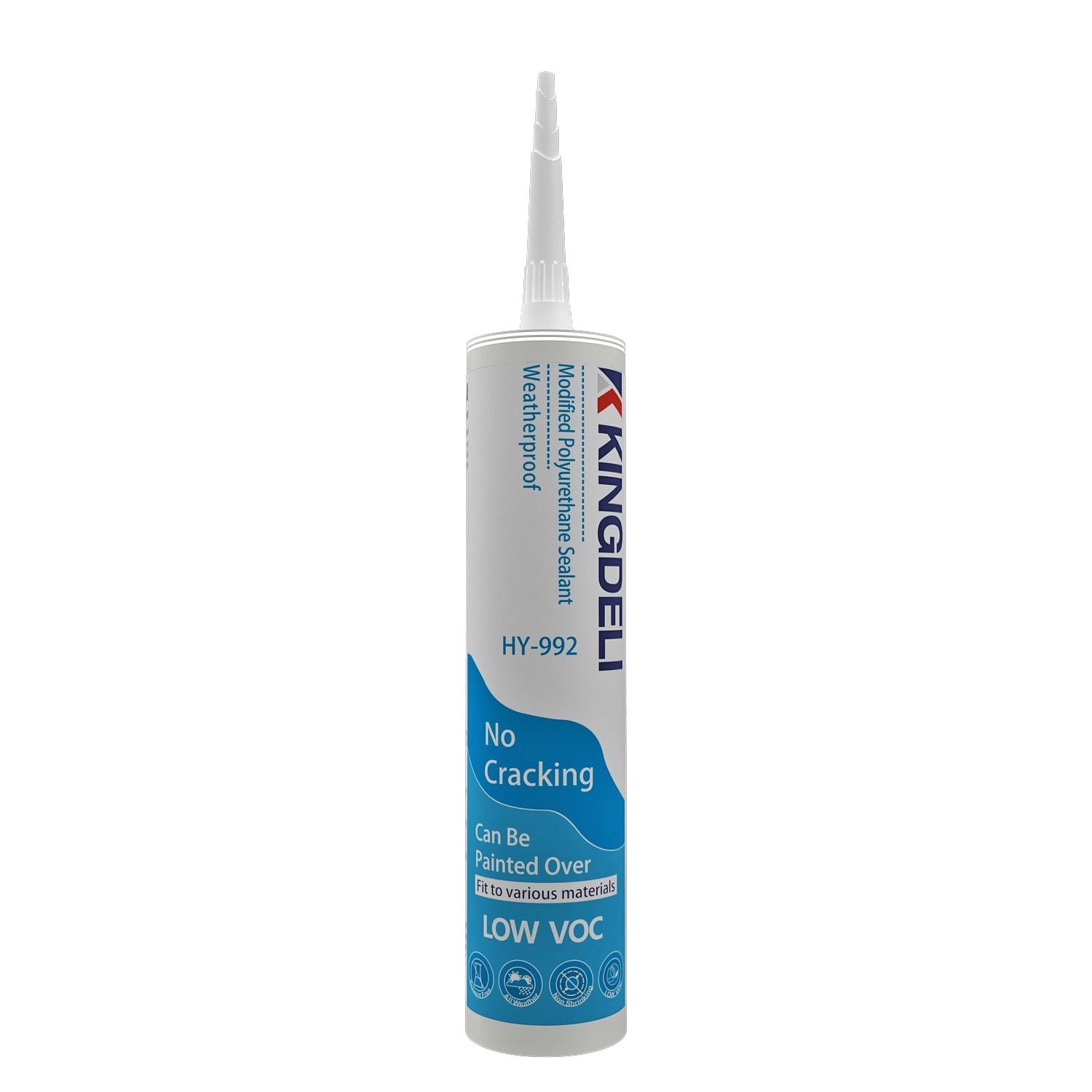
HY992 Modified Polyurethane Construction Sealant
HY992 Modified Polyurethane Sealant is a one-component, moisture-curing construction sealant designed for professional building and structural sealing applications. It provides excellent adhesion, weather resistance, and durable elasticity, making it suitable for a wide range of construction materials.
The formulation delivers strong bonding performance without corrosion or substrate contamination, while maintaining low VOC content for environmentally responsible construction projects.

HY995 Crystal Clear Ms Polymer Adhesive/Sealant
HY995 Crystal Clear Ms Polymer Adhesive/Sealant is a new generation MS Polymer adhesive / sealant formulated for all bonding and sealing applications where long term reliability is required. It has excellent bonding strength on various materials. It will cure to form a durable, flexible, waterproof seal.

HY997 High-Performance Anti-Microbial MS Polymer Sealant
HY997 MS polymer sealant for is is a premium one-component, neutral-curing modified silane sealant engineered for demanding interior applications. It offers a Class 20 movement capability, ensuring long-lasting flexibility and reliable performance under dynamic joint conditions. Curing at room temperature, HY997 delivers superior anti-microbial and mildew-resistant properties, maintaining hygienic and clean environments over time.
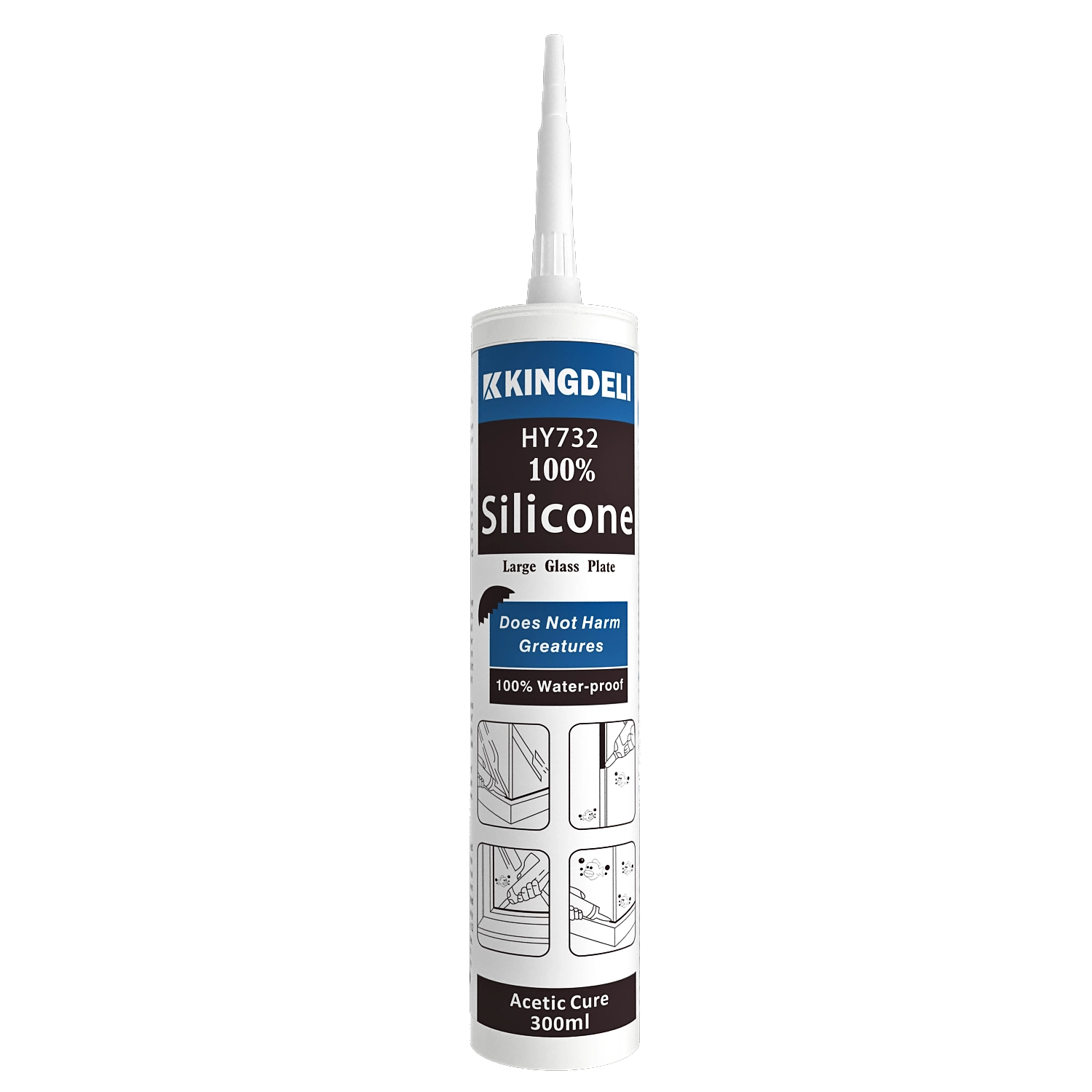
KINGDELI HY732 Professional Acetoxy Cure Silicone Sealant
KINGDELI HY732 is a professional-grade, one-component acetoxy cure silicone sealant designed for fast curing, strong adhesion, and long-lasting flexibility. Ideal for aquariums, glass applications, aluminum doors and windows, kitchens, and bathrooms, it provides reliable sealing performance with excellent anti-fungal protection in high-humidity environments.
Let’s Build Stronger Bonds with Quality Adhesives and Sealants
Have questions about the topic or need tailored sealant solutions for your project?
Our team is ready to provide expert guidance, product recommendations, and application support.
Innovating with Integrity, Bonding the World
Since 1998, KINGDELI has delivered trusted, sustainable sealant solutions that connect industries and inspire progress worldwide.
Whatsapp: +8618825946249
Kingdeli
Kingdeli
Kingdeli
Kingdeli
Kingdeli