


Choosing Neutral Silicone for Structural Glazing Projects

- Specifying Neutral-Cure Silicones for Glazing and Curtain Walls
- Curing mechanism and material chemistry
- Adhesion profiles across typical façade substrates
- Movement capability and mechanical performance
- Comparative Selection: Neutral-Cure Versus Alternative Sealants
- Neutral versus acid-releasing formulations
- Polyurethane and hybrid systems as alternatives
- Environmental health, VOC and regulatory compliance
- Procurement, Testing and Quality Control for Façade Projects
- Spec language and required test protocols
- Vendor audit, traceability and on-site sampling
- Shelf life, storage and handling constraints
- Field Application Best Practices and Lifecycle Considerations
- Joint design, backing materials and primer regimes
- Curing conditions, tooling and contamination control
- Warranty strategies and whole-life cost analysis
- KINGDELI: Manufacturing Strength and Product Solutions for Structural Glazing
- Frequently Asked Questions
High-level, search-optimized synopsis: Neutral-curing silicone adhesives are the preferred choice for high-performance façade sealing and structural glazing where non-corrosive cure, long-term elasticity, and superior weathering are required; this guide explains neutral-cure chemistry, substrate compatibility, comparative performance versus acetoxy and hybrid systems, testing and specification checkpoints (including references to ISO 9001 and ASTM International guidance), procurement and batch traceability expectations for major projects, and practical field application procedures to reduce rework and lifecycle cost.
Specifying Neutral-Cure Silicones for Glazing and Curtain Walls
Curing mechanism and material chemistry
Neutral-curing silicones cure by release of non-acidic byproducts (often alcohol or alkoxy derivatives) rather than acetic acid, making them chemically compatible with sensitive substrates and metallic finishes. Common descriptors in technical literature include neutral-curing silicone, oxime/alkoxy cure systems, and neutral RTV adhesives. These chemistries reduce risk of corrosion on metal framing, staining on stone, and degradation of polymer coatings compared with acid-releasing alternatives.
Adhesion profiles across typical façade substrates
Projects should assess adhesion to key façade materials: anodized aluminum, stainless steel, silicone-coated glass, stone, and painted metal. Neutral-cure formulations typically offer robust adhesion to coated glass and treated metals without aggressive surface etching. For porous substrates such as concrete or natural stone, priming protocols and adhesion tests are required to confirm cohesive rather than merely adhesive failure.
Movement capability and mechanical performance
Design teams must verify elasticity, elastic recovery, and allowable joint movement for the chosen compound. High-performance glazing silicones provide broad movement capability (commonly ±25% or greater in engineered systems) and retain flexibility after prolonged UV and thermal cycling. Specified mechanical tests should include tensile strength, elongation at break, and cyclic movement evaluation to validate long-term dynamic performance under wind, thermal, and seismic loads.
Comparative Selection: Neutral-Cure Versus Alternative Sealants
Neutral versus acid-releasing formulations
Acidic (acetoxy) silicones cure by releasing acetic acid and are often fast-curing and cost-effective for non-sensitive applications. However, for anodized or certain coated metal systems and some stones, the acid byproduct can cause corrosion or staining. Neutral-curing grades remove this risk and are therefore preferred for architectural glazing where aesthetic and corrosion protection are priorities.
Polyurethane and hybrid systems as alternatives
Polyurethane sealants and polymer-modified silanes (MS polymers) offer excellent adhesion and are often paintable, but can be susceptible to hydrolysis or require different priming strategies. Hybrid formulations can balance properties but may still lack the UV stability and proven weather resistance of specialist glazing silicones. Selection should weigh long-term weathering data and maintenance cycles against initial cost and finish requirements.
Environmental health, VOC and regulatory compliance
Regulatory expectations and sustainability goals often push procurement toward low-VOC and low-odor formulations. Neutral-curing silicones can be formulated for reduced volatile organic compounds and meet regional requirements; manufacturers with certified quality systems should provide VOC data and environmental test records. For compliance and market access, consider certifications such as CE marking where applicable and documented factory quality controls aligned with ISO 9001.
| Property / System | Neutral-curing silicone | Acetoxy (acidic) silicone | Polyurethane | MS Polymer |
|---|---|---|---|---|
| Curing byproduct | Alcohol/alkoxy — non-corrosive | Acetic acid — corrosive to some metals | Moisture-driven — no acid byproduct | Neutral moisture cure — typically non-acidic |
| Best substrate compatibility | Coated glass, anodized aluminum, metals, stone | Non-reactive substrates (tile, glass) — avoid metals/coated surfaces | Concrete, wood, some metals with primer | Wide adhesion — often primerless on many substrates |
| UV/weather resistance | Excellent — engineered for façade exposure | Good, but potential staining/corrosion issues | Variable — can degrade under prolonged UV without additives | Good — improved weathering over some polyurethanes |
| Paintability | Generally limited; choose paintable grades if required | Limited | Typically paintable | Typically paintable |
| Typical façade use | Structural glazing, curtain wall seals, perimeter glazing | General-purpose sealing, non-critical glazing | Movement joints, expansion joints, concrete repairs | General construction joints, façade repairs |
Procurement, Testing and Quality Control for Façade Projects
Spec language and required test protocols
Bid specifications should mandate laboratory test reports for adhesion, tensile strength, elongation, cyclic movement, and accelerated weathering (UV/thermal). Referencing industry standards and requesting third-party or manufacturer-backed testing reports is recommended. For manufacturing and quality traceability, validate producer compliance with recognized quality schemes such as ISO 9001 and request batch certificates and material safety data sheets for each shipment. Where structural sealant performance is critical, require adhesion and full-system mock-ups with defined acceptance criteria prior to full installation.
Vendor audit, traceability and on-site sampling
Major glazing projects should perform supplier audits covering production capacity, process control, and lab capabilities. Examine production lot traceability, shelf-life labelling, storage conditions, and expiration tracking. On-site sampling protocols and incoming inspection plans should include visual inspection, confirmation of lot numbers, and sample curing for a subsection of deliveries to confirm expected cure profile under project conditions.
Shelf life, storage and handling constraints
Maintain manufacturer-recommended storage conditions (typical range: cool, dry, away from direct sunlight). Adhesives may have limited pot life after opening cartridges; use single-use strategies for small batch work to avoid contamination. For large façades, stagger deliveries and check lot rotation to ensure material performance is maintained across the installation schedule.
Field Application Best Practices and Lifecycle Considerations
Joint design, backing materials and primer regimes
Design joint geometry following façade engineers' movement calculations and the manufacturer's Joint Design Guide. Use closed-cell polyurethane backer rods to control bond depth and ensure two-sided adhesion prevention to allow free movement. Where primer is recommended by the supplier for a specific substrate, include primer application in the scope and hold points for inspection prior to sealant placement.
Curing conditions, tooling and contamination control
Ambient humidity and temperature influence cure times for neutral systems — provide contractors with open-time and skin-over expectations for prevailing site conditions. Use compatible tooling agents and avoid contamination from plasticizers or oils. Where rapid weather events are possible, protect fresh joints until sufficient cure has occurred to resist washout.
Warranty strategies and whole-life cost analysis
Evaluate supplier warranty terms along with technical support, on-site training, and regional logistics. A higher-grade neutral-curing glazing adhesive often justifies higher initial cost through reduced maintenance, fewer leaks, and longer refurbishment cycles. Lifecycle cost modeling should factor in expected façade access costs for maintenance and the projected service interval based on accelerated weathering data.
KINGDELI: Manufacturing Strength and Product Solutions for Structural Glazing
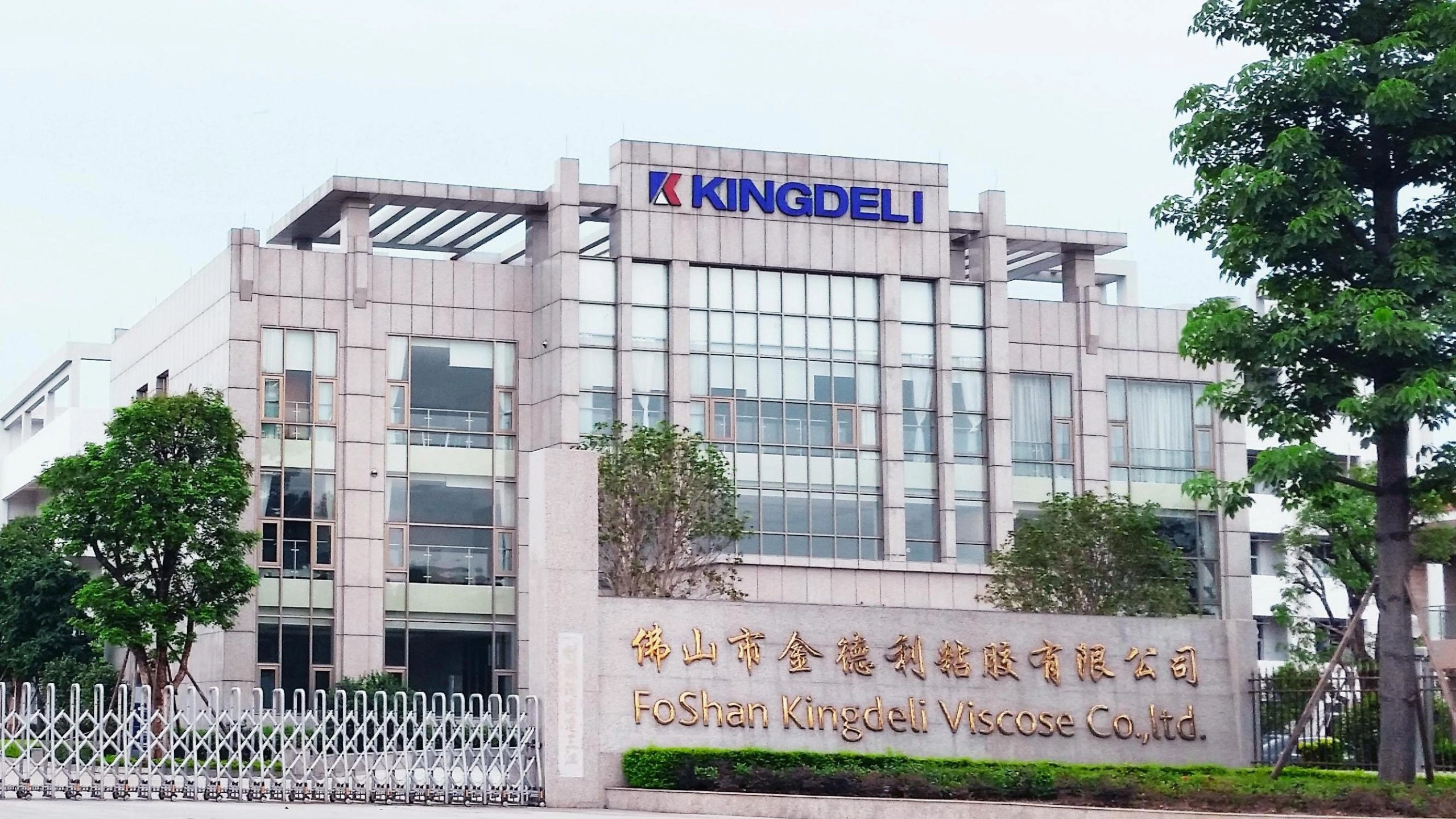
Since its establishment in 1998, KINGDELI has stood as a global leader in the high-performance sealant, adhesive, and coating industry. Headquartered in Foshan, China, our state-of-the-art 66,000 m² facility is powered by fully automated production lines with an annual capacity exceeding 100,000 tons, ensuring a consistent and robust supply for partners worldwide.
As a recognized National High-Tech Enterprise and a key contributor to the National Standard GB/T 29755-2013, we unite advanced manufacturing power with technical excellence. Our comprehensive product portfolio—spanning Neutral & Acetic Silicone, Polyurethane, MS Polymer, and No More Nails adhesives—is engineered to meet strict international standards, including ISO 9001, ISO 14001, CE, and ASTM.
With over 27 years of industry expertise and a trusted presence in 50+ countries, KINGDELI is more than a manufacturer; we are a dedicated solution provider. We offer end-to-end OEM/ODM support, sustainable low-VOC formulations, and professional technical service. KINGDELI supplies engineered glazing adhesives and sealants tailored for curtain-wall contractors, façade consultants, and glazing fabricators. Key product lines include neutral-curing glazing silicones and related systems: neutral and acetic silicones, acrylic sealants, specialized silicone glazing compounds, No More Nails construction adhesives, polyurethane sealants, MS polymer systems, RTV gasket makers, epoxy tile grouts, and self-leveling sealants — each backed by production traceability, on-site technical support, and custom formulation services for project-specific requirements.
For large-scale façade programmes, our vertically integrated production and laboratory capabilities enable reliable lead times, certified quality control, and the documentation necessary for tender submissions and building approvals. Project owners and contractors should request batch test reports, accelerated weathering data, and system mock-up records, which our technical team can provide to align product selection with façade performance criteria.
KINGDELI's global logistics network and manufacturing capacity support staged deliveries and just-in-time shipments to reduce on-site storage risk. Our technical service team collaborates with façade engineers and installers to validate joint design, priming regimens, curing protocols, and maintenance plans, allowing stakeholders to minimize lifecycle cost while meeting stringent aesthetic and performance targets.
Contact KINGDELI for sample kits, technical data packages, and project-specific specification support to ensure the selected neutral-curing glazing system meets both design intent and long-term performance expectations.
Request product data sheets, project references, or a technical consultation via KINGDELI's commercial channels to align product selection with façade engineering requirements.
Frequently Asked Questions
What is a neutral-curing silicone and why is it preferred for structural glazing?
A neutral-curing silicone is an elastomeric sealant that cures without releasing acidic byproducts, producing non-corrosive alcohol/alkoxy residues; it is preferred for structural glazing because it minimizes risk of corrosion and staining on coated metals and treated glass while providing durable weathering resistance and long-term elasticity.
How does a neutral system compare to acetoxy (acidic) silicones?
Neutral systems do not emit acetic acid during cure, reducing corrosion risk on anodized aluminum and certain metal finishes; acetoxy silicones may cure faster and cost less but can damage sensitive substrates and are therefore less suitable for high-end glazing applications.
What tests and certifications should be requested from suppliers during procurement?
Request laboratory reports for adhesion, tensile strength and elongation, cyclic movement testing, and accelerated weathering; verify manufacturer quality systems such as ISO 9001, and request batch certificates, MSDS, and third-party or supplier-backed mock-up results to confirm in-system performance.
When is primer required and how should substrates be prepared?
Primer is required when recommended by the sealant supplier for specific porous or low-energy substrates; surface preparation should include cleaning, degreasing, and verification that the substrate is dry and free from contamination, with mock-up adhesion tests performed where primer use is unclear.
What are the key on-site handling and storage considerations for neutral glazing silicones?
Store materials in recommended cool, dry conditions away from direct sunlight; follow shelf-life guidance and rotate lots for long projects; use proper cartridge/bulk handling to avoid contamination, and plan deliveries to match installation cadence to minimize open-time and storage risks.
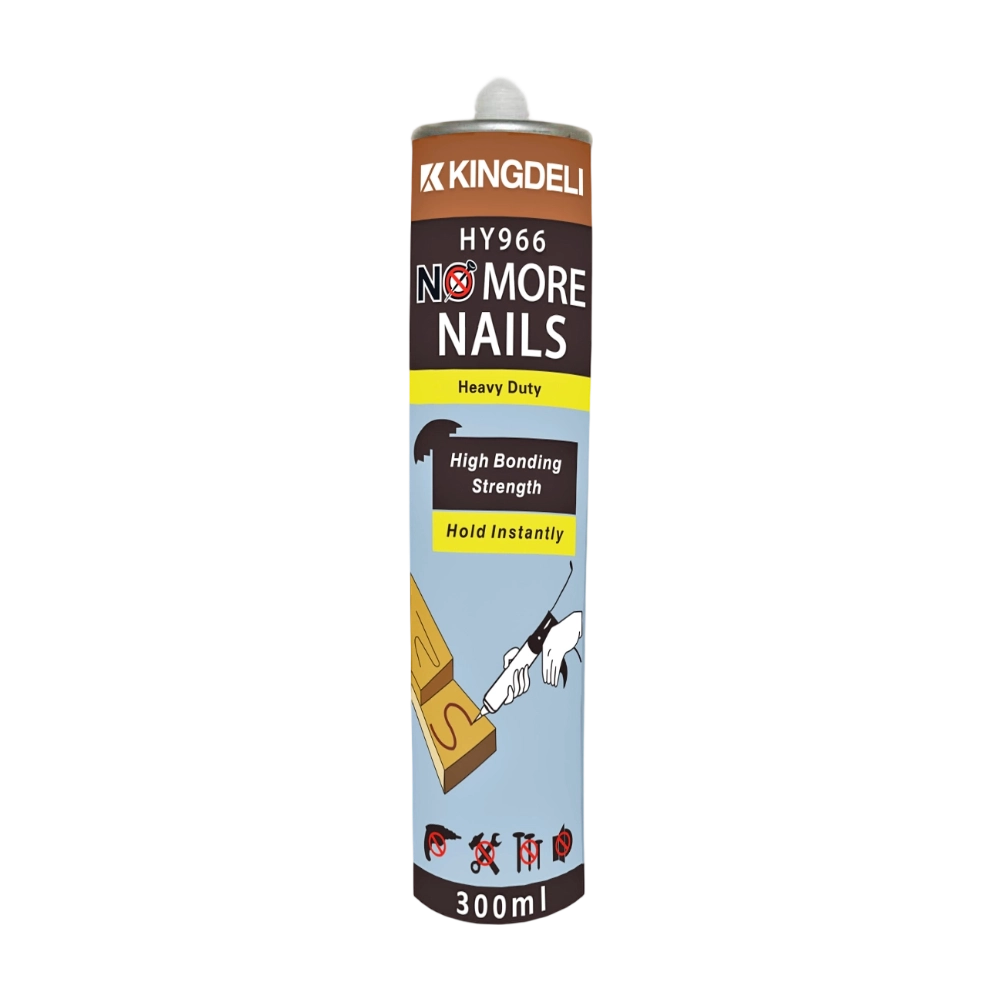
HY-966 Heavy Duty No More Nails Construction Adhesive — KINGDELI
Curing Times and Temperature Effects for Self-Leveling Sealants
Silicone Sealant for Windows and Doors: VOC and Compliance Checks
Neutral Cure Silicone Sealant: Buyer’s Guide for Manufacturers
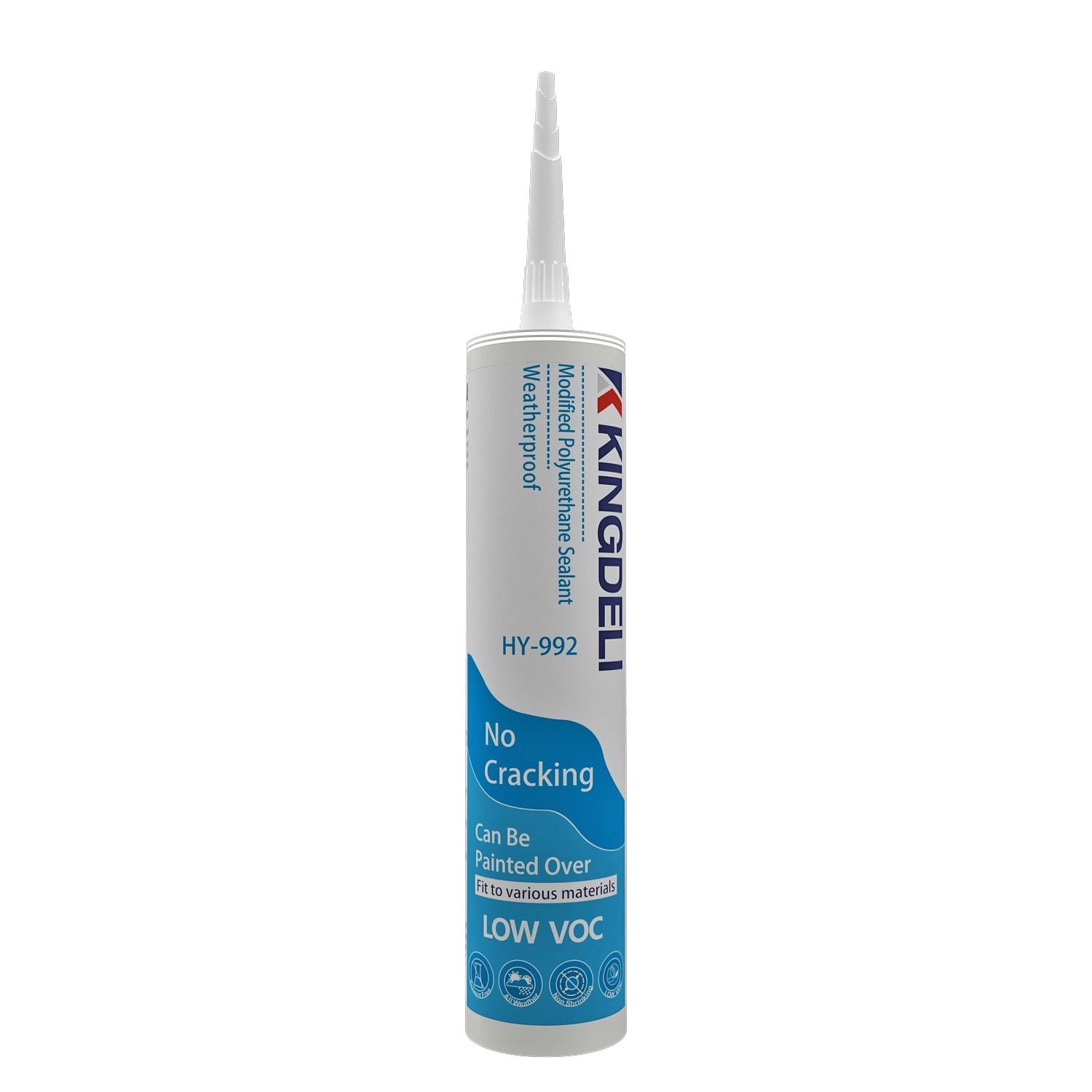
HY992 Modified Polyurethane Construction Sealant
HY992 Modified Polyurethane Sealant is a one-component, moisture-curing construction sealant designed for professional building and structural sealing applications. It provides excellent adhesion, weather resistance, and durable elasticity, making it suitable for a wide range of construction materials.
The formulation delivers strong bonding performance without corrosion or substrate contamination, while maintaining low VOC content for environmentally responsible construction projects.

HY995 Crystal Clear Ms Polymer Adhesive/Sealant
HY995 Crystal Clear Ms Polymer Adhesive/Sealant is a new generation MS Polymer adhesive / sealant formulated for all bonding and sealing applications where long term reliability is required. It has excellent bonding strength on various materials. It will cure to form a durable, flexible, waterproof seal.

HY997 High-Performance Anti-Microbial MS Polymer Sealant
HY997 MS polymer sealant for is is a premium one-component, neutral-curing modified silane sealant engineered for demanding interior applications. It offers a Class 20 movement capability, ensuring long-lasting flexibility and reliable performance under dynamic joint conditions. Curing at room temperature, HY997 delivers superior anti-microbial and mildew-resistant properties, maintaining hygienic and clean environments over time.
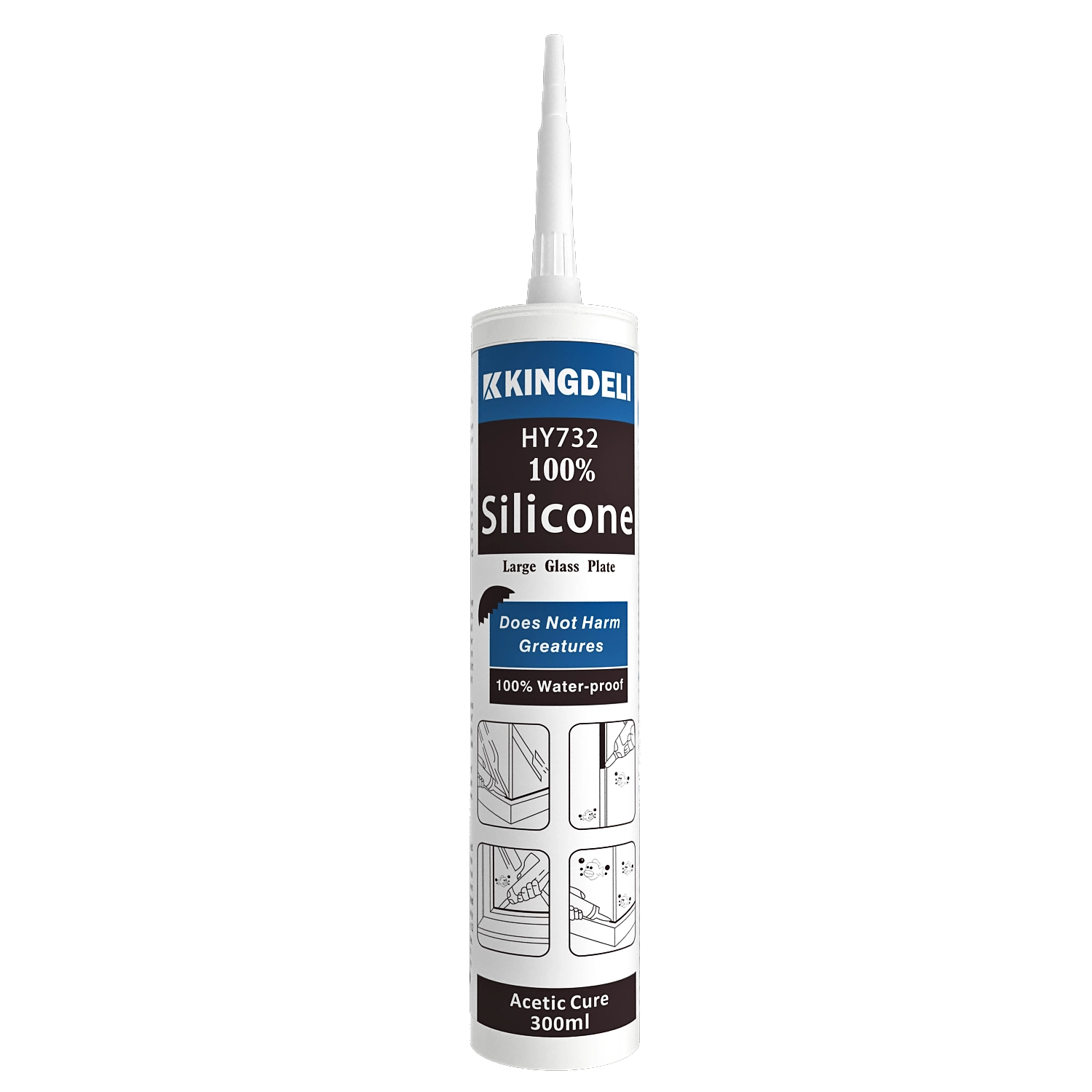
KINGDELI HY732 Professional Acetoxy Cure Silicone Sealant
KINGDELI HY732 is a professional-grade, one-component acetoxy cure silicone sealant designed for fast curing, strong adhesion, and long-lasting flexibility. Ideal for aquariums, glass applications, aluminum doors and windows, kitchens, and bathrooms, it provides reliable sealing performance with excellent anti-fungal protection in high-humidity environments.
Let’s Build Stronger Bonds with Quality Adhesives and Sealants
Have questions about the topic or need tailored sealant solutions for your project?
Our team is ready to provide expert guidance, product recommendations, and application support.
Innovating with Integrity, Bonding the World
Since 1998, KINGDELI has delivered trusted, sustainable sealant solutions that connect industries and inspire progress worldwide.
Whatsapp: +8618825946249
Kingdeli
Kingdeli
Kingdeli
Kingdeli
Kingdeli