


Choosing the Right Silicone Sealant for Structural Glass Canopies

- Why the right sealant matters for structural canopies
- Performance demands of canopy glazing
- Key failure modes to avoid
- Standards and evidence I rely on
- How to evaluate a glass glazing silicone sealant
- Adhesion and substrate compatibility
- Movement capability and mechanical properties
- Durability: UV, temperature and chemical resistance
- Comparing common silicone options for canopy projects
- Neutral cure vs acetic cure
- Structural glazing grade vs general-purpose glazing
- Typical property comparison table
- Specification and quality-assurance process I recommend
- Pre-selection testing and mock-ups
- Installation control: primers, joint design and tooling
- Monitoring and maintenance
- Case studies, testing data and recommended selection workflow
- Selection workflow I use
- Field example
- Measured gains from proper selection
- KINGDELI: capabilities and how we can support your project
- How KINGDELI stands out
- Ordering and technical support
- FAQ
- 1. What is the difference between glass glazing silicone sealant and structural silicone?
- 2. Can I use acetic silicone on metal-framed canopies?
- 3. How wide should canopy joints be when using silicone?
- 4. What tests should be requested from a sealant supplier?
- 5. How long should a canopy sealant last before replacement?
- 6. Is primer always necessary?
- Contact and next steps
I often get asked by façade engineers and glazing contractors how to select the right product for long-span, exposed structural canopies. In this article I explain, from design intent through to installation and durability verification, how to choose a glass glazing silicone sealant that meets structural, aesthetic and longevity requirements. I draw on standards, material science references and my hands-on experience evaluating sealant systems on curtain walls and point-supported glass canopies.
Why the right sealant matters for structural canopies
Performance demands of canopy glazing
A structural glass canopy exposes joints to high UV, thermal cycling, wind uplift and ponding. The wrong sealant risks loss of adhesion, tearing under movement, discoloration, and ultimately water ingress or glass failure. For these reasons I always begin with the design forces (wind, snow, maintenance loads) and expected joint movement before selecting a glass glazing silicone sealant.
Key failure modes to avoid
The most common failures I see in the field are cohesive breakdown after prolonged UV and hygrothermal exposure, adhesive failure on metal or coated glass, and incompatibility with spacers or secondary sealants. To prevent those, the sealant must have proven elongation, tensile strength, and adhesion to the specific substrate system, and it must be compatible with glass coatings and structural adhesives.
Standards and evidence I rely on
When validating a candidate, I consult recognized standards such as Structural glazing guidance and ASTM criteria—especially ASTM C1184 for structural silicone sealants and ISO 11600 for sealant classification. I also cross-reference material science sources like the Silicone Wikipedia entry to explain polymer behavior under UV and moisture.
How to evaluate a glass glazing silicone sealant
Adhesion and substrate compatibility
Adhesion performance depends on substrate preparation and chemistry. Neutral-cure silicone glazing sealants typically bond well to glass, anodized aluminum and many paints without corrosive byproducts. I require laboratory peel and lap-shear test results on the exact coated glass, gaskets, and alloys used in the canopy. Where coatings or low-E films are present, adhesion testing to the coated surface is mandatory.
Movement capability and mechanical properties
Canopy joints can experience ±25% or more movement depending on edge conditions and thermal gradients. I select a glass glazing silicone sealant with elongation at break ≥ 400% and a Shore A hardness typically in the 20–40 range for flexible joints—balancing tensile strength and compliance. ASTM or ISO test reports should confirm these values.
Durability: UV, temperature and chemical resistance
Long-term color stability, no significant loss of mechanical properties after accelerated weathering (QUV), and resistance to acid rain and bird droppings are non-negotiable. I look for accelerated aging data (UV, condensation) and field exposure reports for at least 5–10 years. Independent lab certificates or third-party test data strengthen confidence in a product.
Comparing common silicone options for canopy projects
Neutral cure vs acetic cure
Neutral cure silicones emit alcohol or oxime byproducts and are generally non-corrosive, making them preferable around metals and sensitive coatings. Acetic silicones cure by releasing acetic acid and may corrode metals or cause staining on certain substrates; they are better limited to simple glass-to-glass non-metallic assemblies. For structural canopies I predominantly specify neutral silicones unless a specific advantage of acetic is proven.
Structural glazing grade vs general-purpose glazing
Structural glazing silicones are formulated and tested for higher peel and shear loads, and to meet structural adhesive requirements (e.g., ASTM C1184). General-purpose glazing silicones work for weatherseal but not for load-bearing joints. I insist on structural glazing-rated systems if the sealant contributes to edge support or resists uplift loads.
Typical property comparison table
| Property | Neutral Structural Glazing Silicone | Acetic Silicone | General-purpose Silicone |
|---|---|---|---|
| Primary use | Load-bearing or structural joints | Simple sealing, non-metallic | Weatherproofing non-structural gaps |
| Elongation at break | ≥ 400% (typical) | 250–400% | 200–300% |
| Movement capability | ±25% or higher | ±20% | ±12.5%–20% |
| Substrate compatibility | Glass, anodized and coated metals | Glass, some plastics | Glass and common construction materials |
| Typical test references | ASTM C1184, ISO 11600 | ASTM C920 | ASTM C920, ISO 11600 |
Sources: ASTM and ISO standards pages and independent manufacturer datasheets (see ASTM C1184, ISO 11600).
Specification and quality-assurance process I recommend
Pre-selection testing and mock-ups
I mandate mock-ups of critical canopy details using the proposed glass glazing silicone sealant. I run adhesion, cyclic movement, and ponding tests on mock-ups and keep them in exposure for a period that represents worst-case weather. This step typically uncovers substrate incompatibilities or curing issues before full installation.
Installation control: primers, joint design and tooling
Successful long-term performance is half formulation and half execution. I specify substrate cleaning procedures, primer requirements where needed, bond-breaker tapes, and defined joint widths (minimum and maximum) to achieve correct joint aspect ratio. Often I require manufacturer field support during the first installations to ensure tooling, cure profile and adhesion are correct.
Monitoring and maintenance
I advise owners to include a 5–10 year inspection and maintenance plan. Even the best glass glazing silicone sealant benefits from periodic cleaning, inspections for edge lift and scheduled replacement in high-traffic canopy areas. Documented maintenance extends life and preserves warranty conditions.
Case studies, testing data and recommended selection workflow
Selection workflow I use
- Define structural and environmental loads and joint movement expectations.
- List substrates: glass coatings, frits, metal finishes, gasket types.
- Shortlist structural glazing silicone products with relevant lab data.
- Conduct mock-up adhesion and movement testing per ASTM/ISO.
- Document installation procedure and QA plan with manufacturer sign-off.
Field example
On a 12 m cantilevered glass canopy project I worked on, wind uplift plus thermal cycling required a neutral-curing, structural-grade silicone. We validated adhesion to low-E coated glass and anodized mullions through peel tests and a 1-year site exposure mock-up. The selected glass glazing silicone sealant showed no adhesion loss and minimal modulus change after QUV testing, which aligned with the manufacturer’s datasheet and independent lab reports.
Measured gains from proper selection
Quantifiable outcomes included reduced call-backs, zero sealant-related water ingress over the first five years, and preserved glass edge integrity—demonstrating that the initial investment in testing and selecting an appropriate glass glazing silicone sealant paid off through lower life-cycle costs.
KINGDELI: capabilities and how we can support your project
Since its establishment in 1998, KINGDELI has stood as a global leader in the high-performance sealant, adhesive, and coating industry. Headquartered in Foshan, China, our state-of-the-art 66,000 m² facility is powered by fully automated production lines with an annual capacity exceeding 100,000 tons, ensuring a consistent and robust supply for partners worldwide.
As a recognized National High-Tech Enterprise and a key contributor to the National Standard GB/T 29755-2013, we unite advanced manufacturing power with technical excellence. Our comprehensive product portfolio—spanning Neutral & Acetic Silicone, Polyurethane, MS Polymer, and No More Nails adhesives—is engineered to meet strict international standards, including ISO 9001, ISO 14001, CE, and ASTM.
With over 27 years of industry expertise and a trusted presence in 50+ countries, KINGDELI is more than a manufacturer; we are a dedicated solution provider. We offer end-to-end OEM/ODM support, sustainable low-VOC formulations, and professional technical service. At KINGDELI, we are driven by innovation and integrity, building trust and sealing the future for customers around the globe.
In canopy and façade projects I recommend KINGDELI’s range that includes neutral silicone sealant, acetic silicone sealant, acrylic sealant, silicone glazing sealant, No More Nails adhesive, polyurethane sealant, MS polymer sealant, RTV gasket maker, epoxy tile grout, and self-leveling sealant. Their technical team provides customized test data, onsite application guidance, and batch traceability—important differentiators in high-stakes structural glazing.
How KINGDELI stands out
What I value most in a supplier is documented consistency. KINGDELI’s automated production, ISO-certified processes, and contribution to national standards (GB/T 29755-2013) provide traceable quality and regulatory alignment. For design teams this means predictable material performance and access to formal test reports required for code approvals.
Ordering and technical support
For projects requiring engineered solutions, I recommend contacting KINGDELI early in the specification phase. They can supply product datasheets, 3rd-party test reports, and support mock-up testing to verify that the chosen glass glazing silicone sealant achieves the required adhesion and movement performance for the canopy detail.
FAQ
1. What is the difference between glass glazing silicone sealant and structural silicone?
Glass glazing silicone sealant is a broad term covering products for glazing joints. Structural silicone specifically meets higher mechanical criteria and is tested for load-bearing applications (see ASTM C1184). If the sealant contributes to resisting uplift or edge loads, specify structural-grade silicone.
2. Can I use acetic silicone on metal-framed canopies?
Generally no—acetic silicones release acetic acid during cure and can corrode certain metals or react with coatings. For metal-framed canopies, a neutral silicone glazing sealant is preferable unless tests prove compatibility.
3. How wide should canopy joints be when using silicone?
Joint width depends on expected movement and the recommended depth-to-width ratio (typically 1:1 to 1:1.5). For large thermal movement I often specify minimum 12–20 mm width, but this must be calculated per joint using the anticipated movement range and sealant movement capability.
4. What tests should be requested from a sealant supplier?
Ask for adhesion lap-shear/peel tests on your exact substrates, movement capability data, accelerated aging (QUV/condensation), Shore A hardness, tensile strength/elongation, and certifications such as ISO/ASTM test reports. Third-party independent lab data is highly desirable.
5. How long should a canopy sealant last before replacement?
With correct selection and installation, a high-quality glass glazing silicone sealant can last 15–25 years in many environments. Harsh coastal or industrial sites may shorten life; planned inspection and maintenance every 5–10 years preserves performance.
6. Is primer always necessary?
Not always. Some neutral structural silicones bond without primer to anodized aluminum and glass, but primers may be required on porous substrates, certain coatings or engineered plastics. Accept the supplier’s adhesion matrix and verify in mock-ups.
Contact and next steps
If you are specifying a canopy or evaluating failure risks, I invite you to consult with KINGDELI early in the design phase. We can provide product datasheets, independent test reports, and onsite technical support to validate the correct glass glazing silicone sealant for your conditions. Contact KINGDELI for product samples, mock-up support and OEM/ODM options.
References: ASTM C1184 (ASTM), ISO 11600 (ISO), Structural glazing overview (Wikipedia), Silicone polymer summary (Wikipedia), Glass and Glazing Federation guidance (GGF).
Avoiding Common Private Label Silicone Sealant Supply Risks

HY-739 Premium Acetic Silicone Sealant | KINGDELI
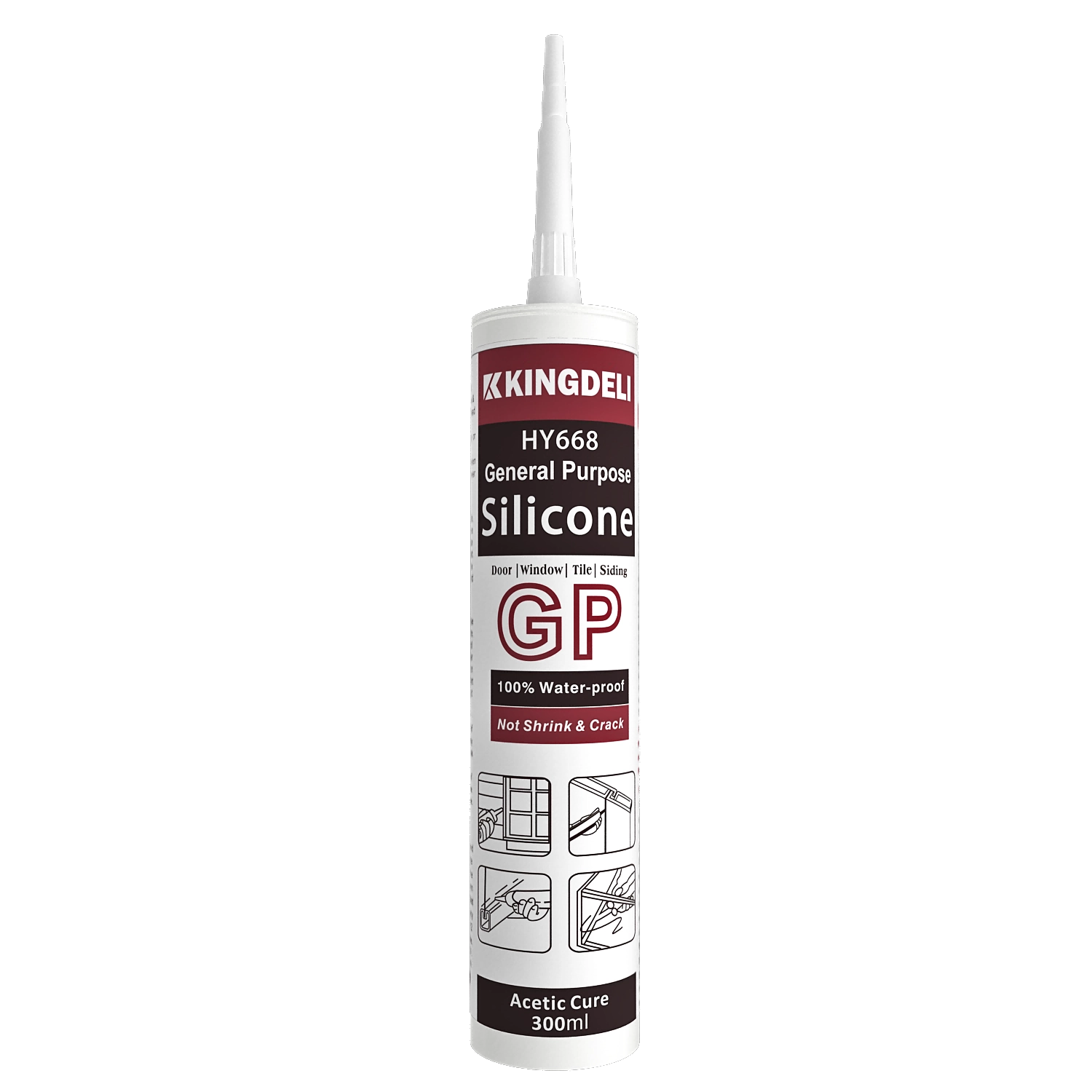
HY668 General Purpose Acetic Silicone Sealant | KINGDELI
Sealant Shelf Life, Storage, and Quality Control Tips
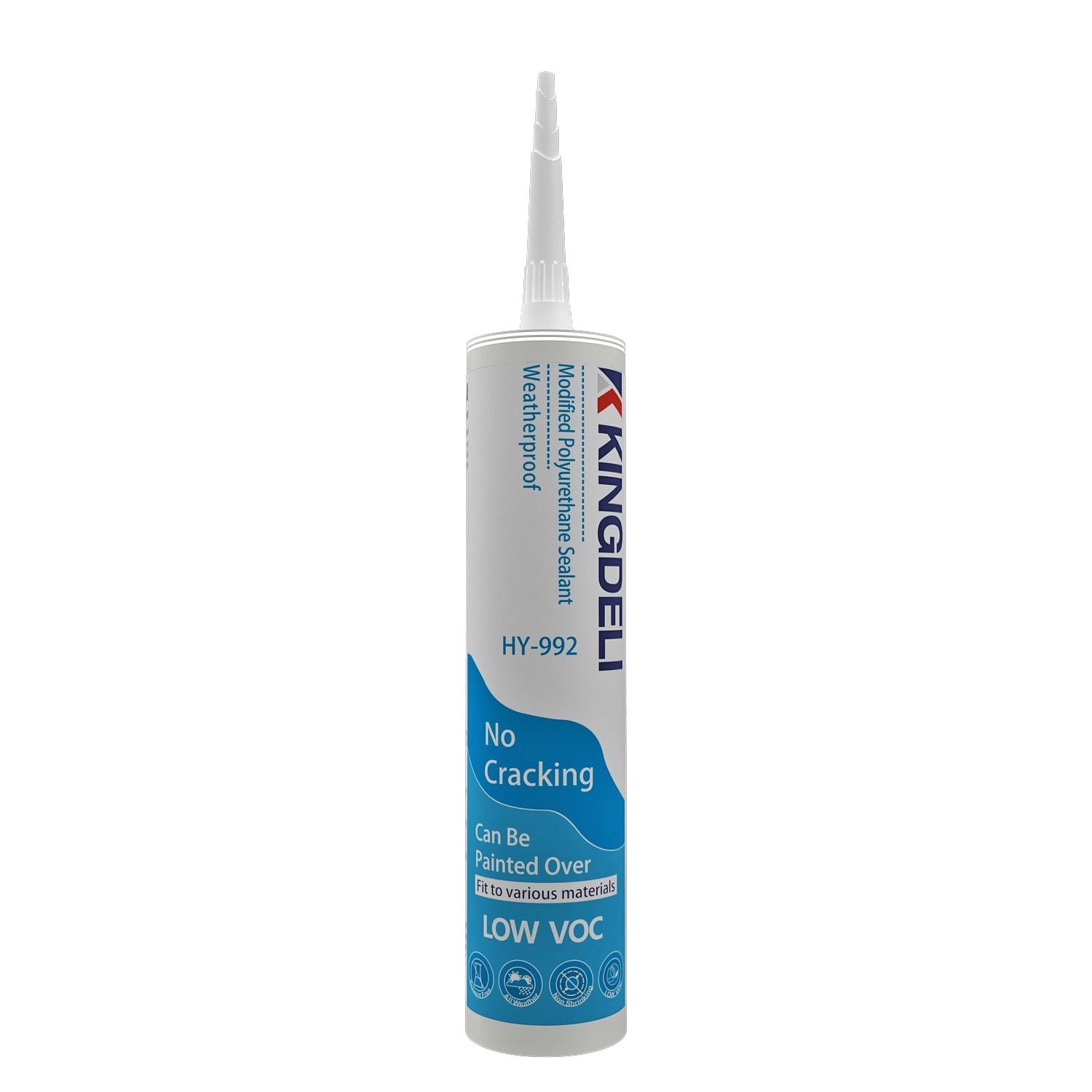
HY992 Modified Polyurethane Construction Sealant
HY992 Modified Polyurethane Sealant is a one-component, moisture-curing construction sealant designed for professional building and structural sealing applications. It provides excellent adhesion, weather resistance, and durable elasticity, making it suitable for a wide range of construction materials.
The formulation delivers strong bonding performance without corrosion or substrate contamination, while maintaining low VOC content for environmentally responsible construction projects.

HY995 Crystal Clear Ms Polymer Adhesive/Sealant
HY995 Crystal Clear Ms Polymer Adhesive/Sealant is a new generation MS Polymer adhesive / sealant formulated for all bonding and sealing applications where long term reliability is required. It has excellent bonding strength on various materials. It will cure to form a durable, flexible, waterproof seal.

HY997 High-Performance Anti-Microbial MS Polymer Sealant
HY997 MS polymer sealant for is is a premium one-component, neutral-curing modified silane sealant engineered for demanding interior applications. It offers a Class 20 movement capability, ensuring long-lasting flexibility and reliable performance under dynamic joint conditions. Curing at room temperature, HY997 delivers superior anti-microbial and mildew-resistant properties, maintaining hygienic and clean environments over time.
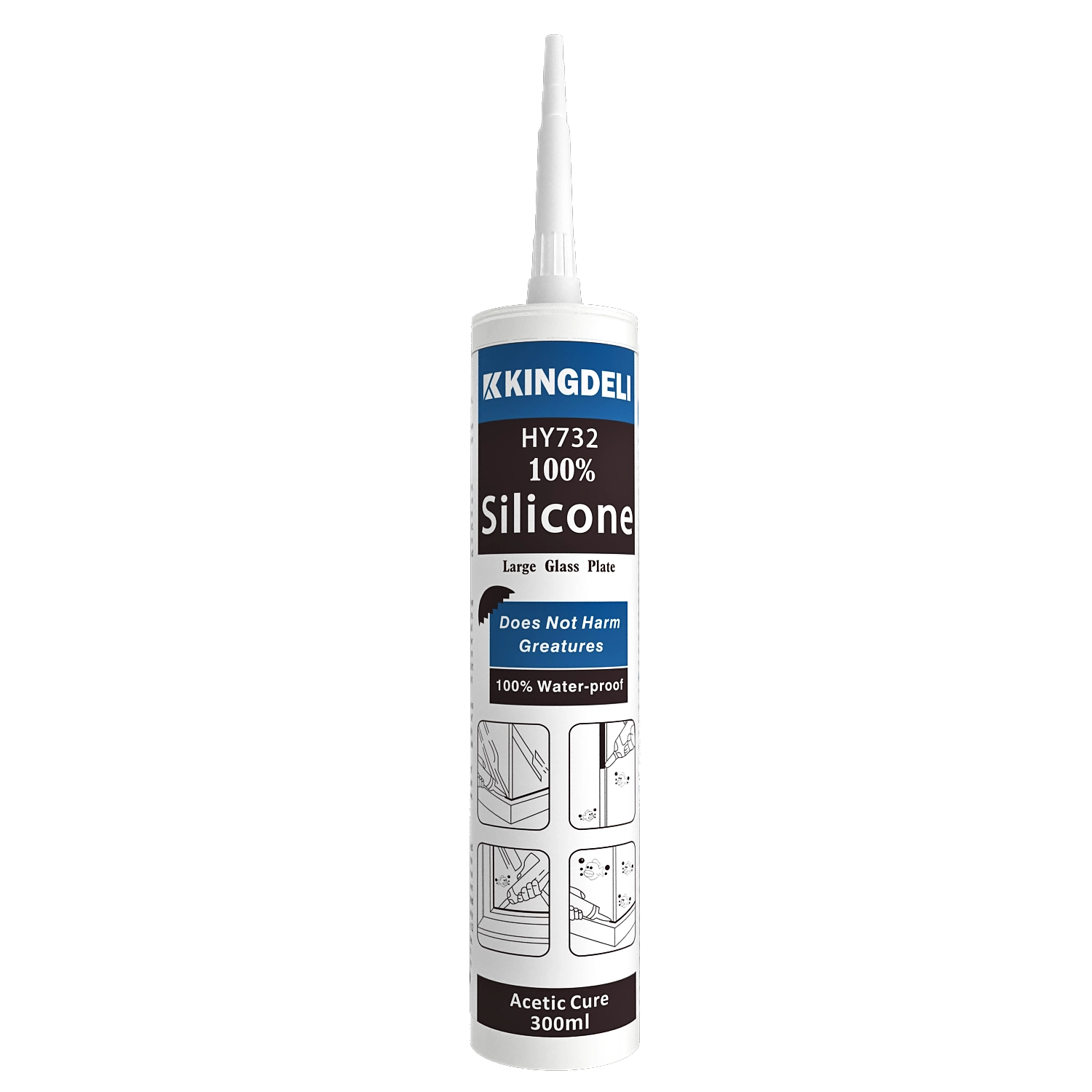
KINGDELI HY732 Professional Acetoxy Cure Silicone Sealant
KINGDELI HY732 is a professional-grade, one-component acetoxy cure silicone sealant designed for fast curing, strong adhesion, and long-lasting flexibility. Ideal for aquariums, glass applications, aluminum doors and windows, kitchens, and bathrooms, it provides reliable sealing performance with excellent anti-fungal protection in high-humidity environments.
Let’s Build Stronger Bonds with Quality Adhesives and Sealants
Have questions about the topic or need tailored sealant solutions for your project?
Our team is ready to provide expert guidance, product recommendations, and application support.
Innovating with Integrity, Bonding the World
Since 1998, KINGDELI has delivered trusted, sustainable sealant solutions that connect industries and inspire progress worldwide.
Whatsapp: +8618825946249
Kingdeli
Kingdeli
Kingdeli
Kingdeli
Kingdeli