











How to Choose Glass Glazing Silicone Sealant for Facades

- Understanding façade glazing challenges
- Thermal movement and joint design
- Weather exposure, UV and long-term durability
- Structural considerations and safety
- Selecting the right glass glazing silicone sealant
- Neutral vs. acetic silicone: which to choose?
- Mechanical and physical properties to check
- Compatibility with glazing systems, primers and backer rods
- Performance, standards and testing
- Key standards to reference
- Performance testing to require on projects
- Interpreting test data and safety factors
- Specification, application and maintenance best practices
- Substrate preparation and priming
- Joint design, tooling and application conditions
- Inspection, maintenance and remediation
- KINGDELI: supplier capabilities and why that matters
- Practical checklist before approval
- FAQ
- 1. What is the difference between a silicone glazing sealant and a structural silicone?
- 2. Can I use acetic cure silicone on anodized aluminum frames?
- 3. How do I verify a sealant’s long-term UV resistance?
- 4. What joint width-to-depth ratio should I use for façade glazing?
- 5. Are low-VOC silicone sealants as durable as conventional options?
- Contact and product inquiry
I write this guide from years of hands-on consulting and product development in the sealants & adhesives sector. Choosing a glass glazing silicone sealant for façades is not just about buying a tube — it's an engineering decision that affects building performance, water tightness, thermal movement tolerance, aesthetics and long-term maintenance costs. Below I summarize what matters most to façade designers, contractors and facility managers, and I provide actionable checks, test references and specification advice to get the right sealant on the job.
Understanding façade glazing challenges
Thermal movement and joint design
Glass, aluminum frames and backing materials expand and contract at different rates. A suitable glass glazing silicone sealant must accommodate expected joint movement without cohesive failure. Movement capability (often expressed as ±% of joint width) is a primary selection metric; typical high-performance silicone glazing sealants are rated for ±25% to ±50% movement. Design joints to limit stresses: recommended joint width-to-depth ratios and proper use of backer rod are essential to achieve the sealant's designed performance.
Weather exposure, UV and long-term durability
Façade sealants face UV, rain, freeze-thaw cycles, pollution and biological growth. Silicone chemistry provides excellent UV stability and long-term flexibility compared with many organics; this is why silicones remain a preferred choice for exterior glazing. However, not all silicones are equal—formulations (neutral vs. acetic cure, presence of pigments, low-VOC additives) and fillers influence color stability and surface chalking over time.
Structural considerations and safety
For structural glazing applications (where the sealant transfers loads), you must specify structural-grade silicone with the correct modulus, adhesion to glass and frame, and validated structural testing. Otherwise, use glazing sealants rated for weather sealing only. When in doubt, consult structural engineers and refer to relevant standards (see Performance, Standards and Testing below).
Selecting the right glass glazing silicone sealant
Neutral vs. acetic silicone: which to choose?
One of the earliest decisions is cure chemistry. Neutral-cure silicone releases alcohol-free, neutral by-products and is compatible with most metals, treated glasses and coatings. Acetic-cure (vinegar-smell) releases acetic acid and can corrode sensitive metals or damage certain coatings.
| Property | Neutral Silicone | Acetic Silicone |
|---|---|---|
| Cure by-product | Alcohol/oxime or other neutral compounds | Acetic acid (vinegar smell) |
| Compatibility | Broad—safe on coated glass, metals, anodized aluminum | Can attack copper, lead, some coatings, and galvanized steel |
| Typical uses | Facade glazing, structural glazing, curtain walls | Non-anodized frames, general-purpose sealing (less common in facades) |
| Pros | Low corrosion risk, better for sensitive substrates | Fast skinning, lower cost for some generic applications |
| Cons | Often slightly slower cure, may cost more | Risk of substrate corrosion or coating staining |
Reference: For general chemistry explanation see the Silicone sealant page on Wikipedia.
Mechanical and physical properties to check
When specifying a glass glazing silicone sealant, require the supplier to provide the following measured properties (from independent lab tests or the manufacturer’s technical datasheet):
- Tensile strength and elongation (percent)—higher elongation gives better accommodation of large movements.
- Shore A hardness—lower hardness generally means softer, more conformable sealants; structural glazing often uses higher-modulus systems designed for load transfer.
- Elastic modulus at relevant strain—important for structural calculations.
- Ozone and UV resistance, measured via accelerated weathering tests (QUV, Xenon arc).
- Adhesion results on project substrates (glass types, frame alloys, coating systems) using standardized adhesion tests.
Compatibility with glazing systems, primers and backer rods
Even the best silicone can fail if adhesion is poor. I always validate adhesion to the exact glass type (low-iron, coated, tempered), frame alloy and finish. Where adhesion is marginal, specify a tested primer and document cure times and application conditions. Backer rod selection (closed vs. open cell, diameter relative to joint width) controls bond geometry: use a backer rod to prevent three-sided adhesion and to set the correct sealant depth (typically width:depth ratio of 2:1 for many joints).
Performance, standards and testing
Key standards to reference
Standards form the reliable backbone of any façade sealant specification. Useful standards include:
- ISO 11600 — classification of sealants for joints in buildings
- ASTM C920 — standard specification for elastomeric joint sealants (common in North America)
- EN 15651 — European standard for non-structural sealants for façade performance
- National standards such as GB/T 29755-2013 (China) — KINGDELI contributed to this standard and it is relevant for local compliance
These standards define movement classes, test methods for adhesion, tensile properties and durability tests. Specify the relevant standard(s) in the project specification and require certified test reports where appropriate.
Performance testing to require on projects
Ask suppliers for test results or arrange independent testing for:
- Movement capability testing (fatigue cycling over the designed range).
- Adhesion after accelerated aging (salt spray, thermal cycling, UV exposure).
- ASTM tensile and elongation tests and Shore hardness.
- Compatibility trials with sealant applied to mock-up panels that replicate on-site conditions.
Interpreting test data and safety factors
Don’t accept raw numbers without context. For façade acceptance I look for adhesion values after accelerated aging and after multiple cyclic movement tests. Where sealant is part of the structural resistance, involve a structural engineer to compute partial safety factors and verify load paths. For purely weather sealing joints, the focus is longevity and adhesion retention—ask for 10+ year weathering data if possible.
Specification, application and maintenance best practices
Substrate preparation and priming
Successful glazing seals begin with prep. Clean substrates fully — oil, release agents and glazing putties will inhibit adhesion. Use solvent wipes or manufacturer-recommended cleaners. Some substrates (e.g., certain coated glasses, plastics, or porous stones) need primers; require adhesion testing with primer and allow manufacturer-specified flash-off times before tooling. I document the cleaning and priming steps in project QA checklists.
Joint design, tooling and application conditions
Follow these practical rules:
- Maintain recommended joint width/depth ratio (commonly 2:1) to optimize movement accommodation.
- Avoid three-sided adhesion—use closed-cell backer rods or bond-breaker tape where appropriate.
- Apply sealant within specified temperature and humidity ranges—curing rates for silicones depend on moisture (neutral-cure systems often perform better in varied climates).
- Tool the sealant to a smooth finish within tack-free time to reduce surface defects that trap moisture.
Inspection, maintenance and remediation
Include sealant inspections in scheduled façade maintenance (every 3–5 years depending on environment). Look for adhesion loss at edges, hardening/embrittlement, discoloration or biological growth. For localized failures, cut out the failed bead, clean properly, prime if required and reseal. For widespread deterioration, plan full re-sealing campaigns—budgeting for access (scaffolding/rope access) often dominates costs.
KINGDELI: supplier capabilities and why that matters
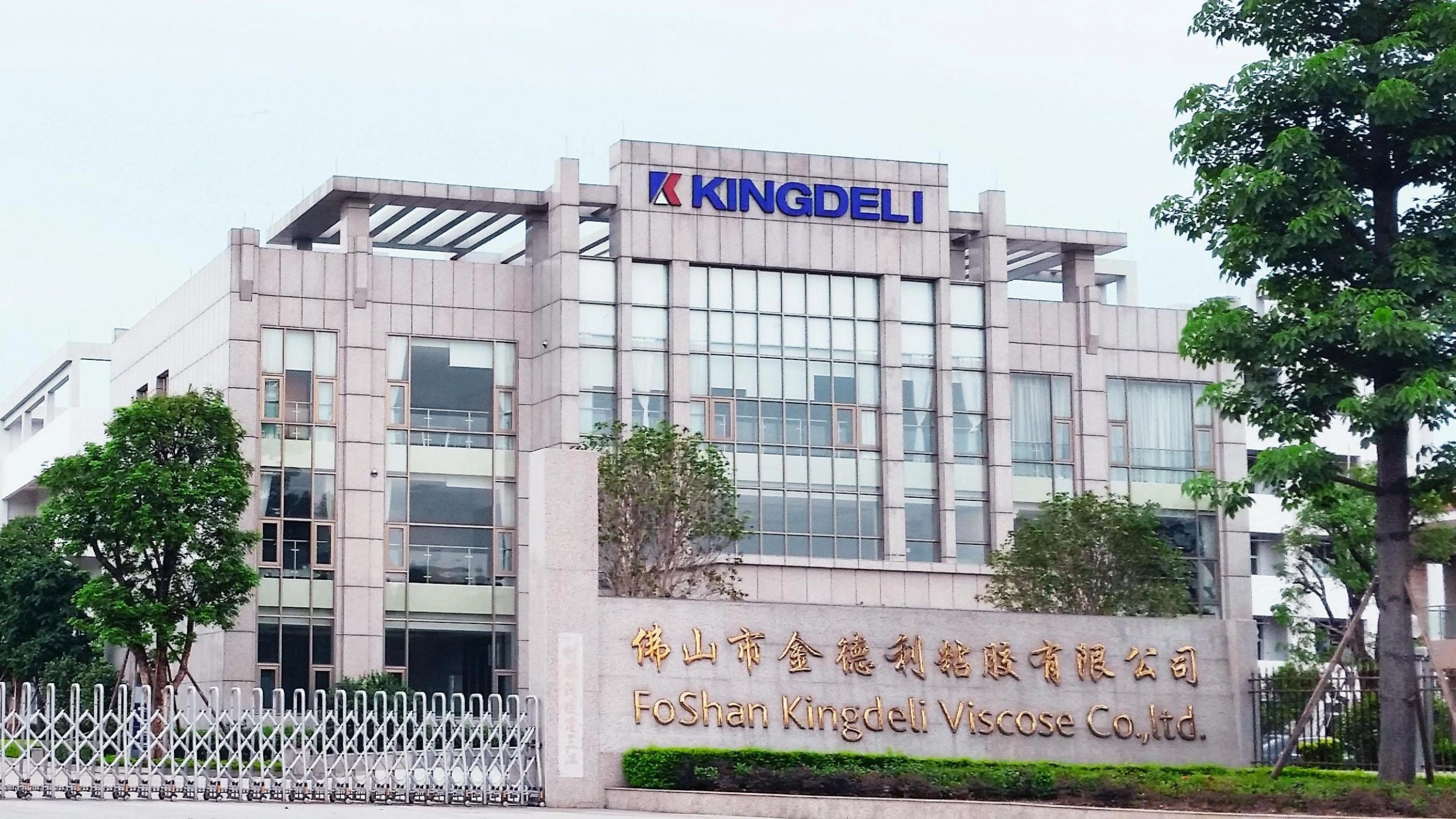
Since its establishment in 1998, KINGDELI has stood as a global leader in the high-performance sealant, adhesive, and coating industry. Headquartered in Foshan, China, our state-of-the-art 66,000 m² facility is powered by fully automated production lines with an annual capacity exceeding 100,000 tons, ensuring a consistent and robust supply for partners worldwide.
As a recognized National High-Tech Enterprise and a key contributor to the National Standard GB/T 29755-2013, we unite advanced manufacturing power with technical excellence. Our comprehensive product portfolio—spanning Neutral & Acetic Silicone, Polyurethane, MS Polymer, and No More Nails adhesives—is engineered to meet strict international standards, including ISO 9001, ISO 14001, CE, and ASTM.
With over 27 years of industry expertise and a trusted presence in 50+ countries, KINGDELI is more than a manufacturer; we are a dedicated solution provider. We offer end-to-end OEM/ODM support, sustainable low-VOC formulations, and professional technical service. At KINGDELI, we are driven by innovation and integrity, building trust and sealing the future for customers around the globe.
I recommend KINGDELI for façade projects where supply continuity, standards compliance and technical backup are critical. Their key glazing products include neutral silicone sealant, acetic silicone sealant, acrylic sealant, silicone glazing sealant, No More Nails adhesive, polyurethane sealant, MS polymer sealant, RTV gasket maker, epoxy tile grout and self-leveling sealant — enabling specifiers to standardize on a single trusted supplier for many sealing needs. Their participation in national standards and international certifications helps reduce the risk of nonconforming materials on complex façade contracts.
Practical checklist before approval
- Does the supplier provide test reports to relevant standards (ASTM C920, EN 15651 or ISO 11600)?
- Has the sealant been adhesion-tested on the exact glass and frame finishes to be used on-site?
- Is the movement capability adequate for calculated joint movement? (Allow margin beyond expected movement.)
- Are primers and application procedures provided and are on-site mock-ups scheduled for acceptance?
- Does the supplier offer low-VOC formulations and documented environmental compliance if required for green building certifications?
FAQ
1. What is the difference between a silicone glazing sealant and a structural silicone?
Silicone glazing sealant generally refers to weatherproofing sealants used around glass for water and air tightness. Structural silicone is specifically formulated and tested to transfer loads (e.g., glass to metal with no mechanical anchors). Structural silicones have higher modulus and are used only where structural design, testing and engineering approvals are in place.
2. Can I use acetic cure silicone on anodized aluminum frames?
Not recommended. Acetic cure silicones release acetic acid which can corrode or discolor anodized surfaces. Use a neutral-cure silicone for anodized or sensitive metals, or verify compatibility with the frame supplier and perform adhesion/corrosion tests.
3. How do I verify a sealant’s long-term UV resistance?
Request accelerated weathering test results such as Xenon arc or QUV tests and compare adhesion and mechanical properties before and after exposure. Field performance data or third-party durability studies are also valuable. Ensure the supplier’s claims are backed by independent lab reports.
4. What joint width-to-depth ratio should I use for façade glazing?
A commonly used ratio is width:depth = 2:1 (for example, 20 mm width and 10 mm depth), but final dimensions depend on movement expectations and manufacturer recommendations. Always confirm with the sealant technical datasheet and perform a movement calculation for expected thermal and structural movement.
5. Are low-VOC silicone sealants as durable as conventional options?
Modern low-VOC formulations can match the durability of conventional silicones when properly formulated. Verify by reviewing accelerated aging and adhesion data. KINGDELI and other reputable manufacturers offer low-VOC lines that comply with international environmental standards without sacrificing performance.
Contact and product inquiry
If you need help specifying a glass glazing silicone sealant for a specific façade project, I can assist with review of substrate compatibility, joint design and test-plan development. For product supply or technical datasheets, contact KINGDELI for samples, test reports and OEM/ODM support. Visit the KINGDELI product pages or request a technical consultation to receive tailored recommendations and mock-up testing guidance.
For technical support, product datasheets and project quotations, contact KINGDELI sales and technical service — we provide application guidance, mock-up testing and long-term supply assurance for façade glazing projects.
Troubleshooting Common Failures in Acetic Silicone Seals
OEM/ODM double glazing glass sealant Manufacturers and Suppliers
Best ms polymer sealant manufacturers and supplier brands in Automotive Solutions
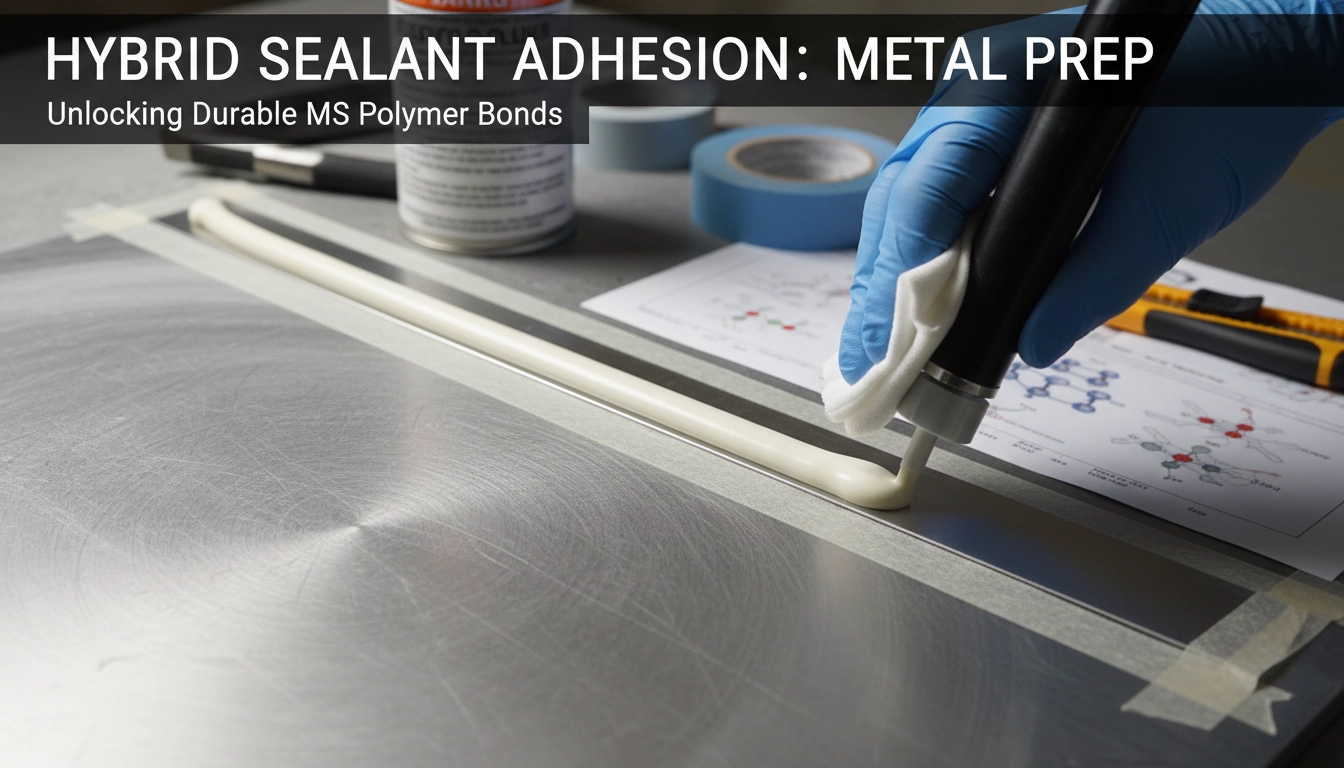
The Ultimate Guide to MS Sealant Adhesion to Metal: Unlocking Maximum Bond Strength
HY-2100
How long does it take to fully cure?
Initial surface curing typically occurs within a few hours, depending on temperature and humidity. Full cure generally takes 24–48 hours, with thicker joints requiring longer.
What is the recommended working temperature?
Application can be done within 4℃ to 40℃. After curing, the sealant performs well from -50℃ to 100℃.
HY993
How long does HY993 take to surface-dry?
It forms a surface skin quickly, enabling fast positioning. Actual skin-over time varies with temperature, humidity, and bead thickness.
HY994
What is the shelf life of HY994?
When stored in its original, unopened packaging in a dry, ventilated location below 27°C, HY994 has a shelf life of 12months from the manufacturing date.
HY925
Does HY925 produce bubbles during application?
No. The formula is designed to remain smooth and consistent, minimizing bubble formation during application.
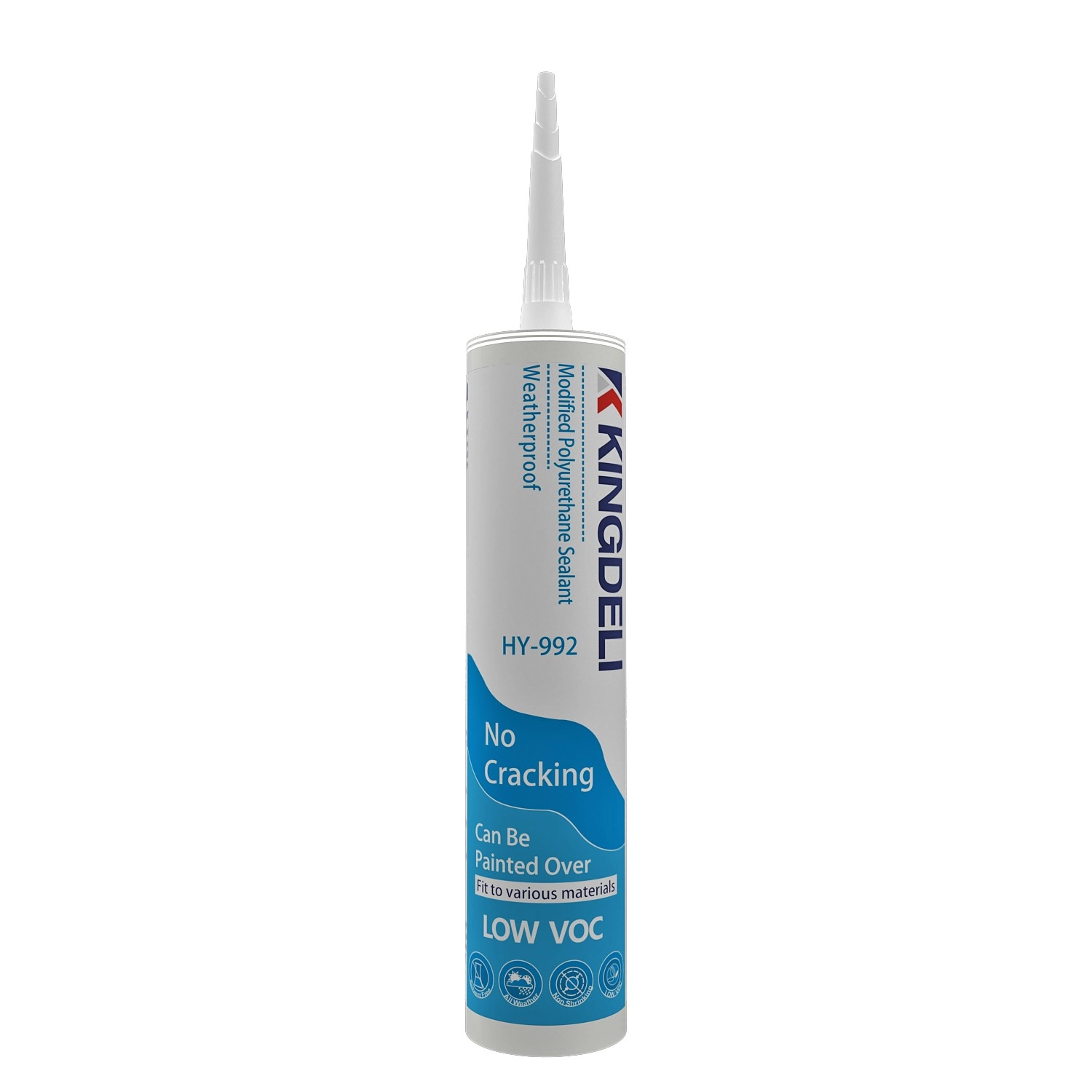
HY992 Modified Polyurethane Construction Sealant
HY992 Modified Polyurethane Sealant is a one-component, moisture-curing construction sealant designed for professional building and structural sealing applications. It provides excellent adhesion, weather resistance, and durable elasticity, making it suitable for a wide range of construction materials.
The formulation delivers strong bonding performance without corrosion or substrate contamination, while maintaining low VOC content for environmentally responsible construction projects.

HY995 Crystal Clear Ms Polymer Adhesive/Sealant
HY995 Crystal Clear Ms Polymer Adhesive/Sealant is a new generation MS Polymer adhesive / sealant formulated for all bonding and sealing applications where long term reliability is required. It has excellent bonding strength on various materials. It will cure to form a durable, flexible, waterproof seal.

HY997 High-Performance Anti-Microbial MS Polymer Sealant
HY997 MS polymer sealant for is is a premium one-component, neutral-curing modified silane sealant engineered for demanding interior applications. It offers a Class 20 movement capability, ensuring long-lasting flexibility and reliable performance under dynamic joint conditions. Curing at room temperature, HY997 delivers superior anti-microbial and mildew-resistant properties, maintaining hygienic and clean environments over time.
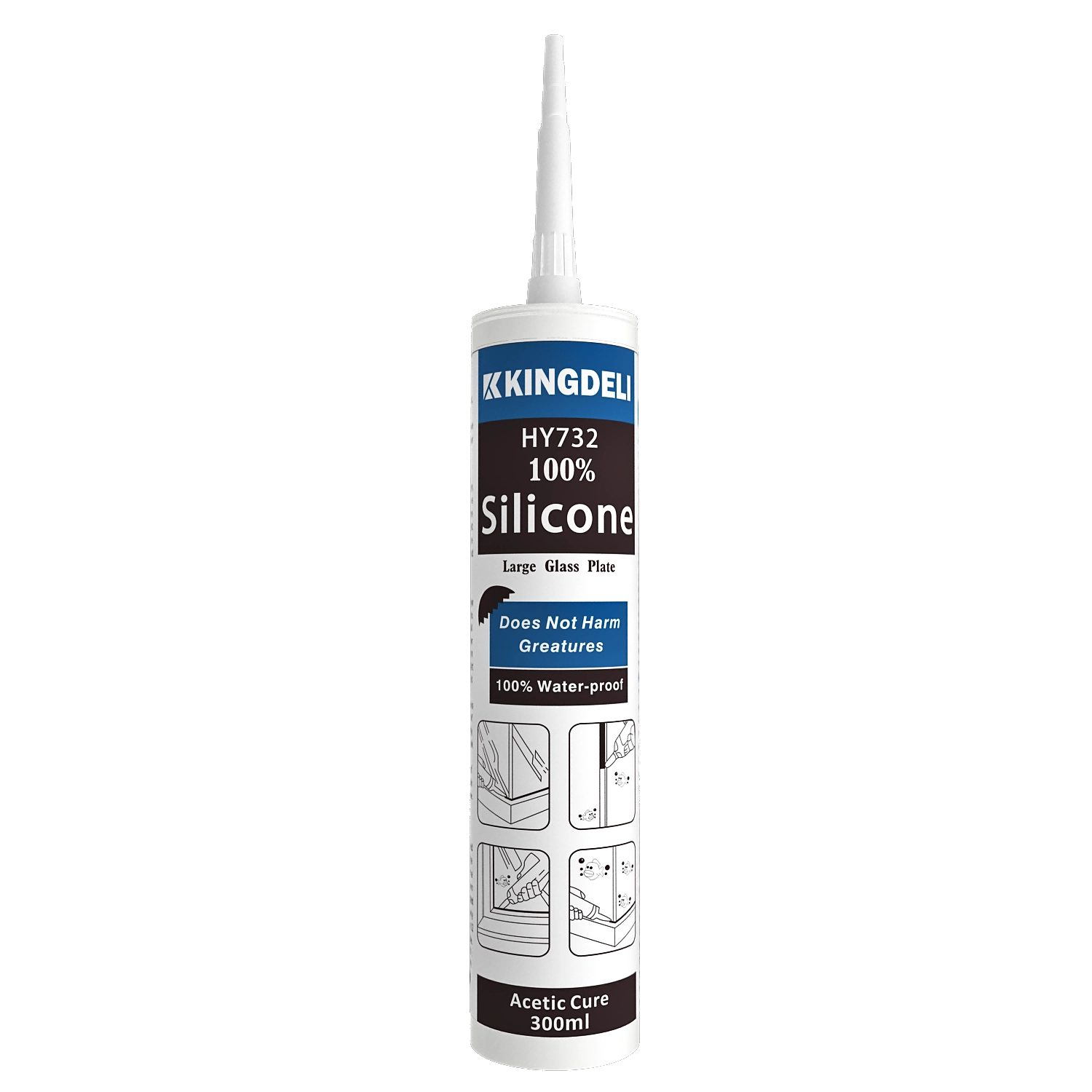
KINGDELI HY732 Professional Acetoxy Cure Silicone Sealant
KINGDELI HY732 is a professional-grade, one-component acetoxy cure silicone sealant designed for fast curing, strong adhesion, and long-lasting flexibility. Ideal for aquariums, glass applications, aluminum doors and windows, kitchens, and bathrooms, it provides reliable sealing performance with excellent anti-fungal protection in high-humidity environments.
Let’s Build Stronger Bonds with Quality Adhesives and Sealants
Have questions about the topic or need tailored sealant solutions for your project?
Our team is ready to provide expert guidance, product recommendations, and application support.
Innovating with Integrity, Bonding the World
Since 1998, KINGDELI has delivered trusted, sustainable sealant solutions that connect industries and inspire progress worldwide.
Whatsapp: +8618825946249
Kingdeli
Kingdeli
Kingdeli
Kingdeli
Kingdeli