











Bulk Purchasing Strategies for Neutral Cure Silicone Sealants

- Cost Drivers in Bulk Sealant Procurement
- Understanding material and formulation costs
- Volume-related savings and tiered pricing
- Hidden costs: testing, waste, and VOC compliance
- Specifying Requirements and Quality Control
- Essential performance parameters to specify
- Incoming inspection and batch testing protocol
- Laboratory accreditation and third-party testing
- Supplier Selection and Contract Terms
- Technical capability versus price
- Supply security, capacity, and lead times
- Contract clauses I include
- Logistics, Storage, and On-Site Handling
- Best practices for bulk storage
- Packaging formats and their procurement implications
- Inventory rotation and shelf-life management
- Comparing Acetic and Neutral Cure Silicone for Bulk Procurement
- Performance and substrate compatibility
- Cost, availability, and storage considerations
- Comparison table: acetic vs neutral silicone
- Procurement Tactics That Deliver Value
- Strategic partnerships and co-development
- Consignment inventory and vendor-managed replenishment
- Batch diversification to reduce risk
- Industry and Standards References I Use
- KINGDELI: Supply Reliability, Product Range, and Technical Strength
- Checklist for Negotiation and Specification
- Frequently Asked Questions (FAQ)
- 1. Can I substitute acetic silicone sealant for neutral cure silicone to save cost?
- 2. How much lead time should I plan for bulk orders?
- 3. What are the main tests I should require on delivery?
- 4. How do I manage shelf life and waste for large volumes?
- 5. Are there compliance or VOC concerns with acetic silicone sealants?
- Contact and Next Steps
I write from experience in the sealants and adhesives industry to provide a practical guide for procurement managers, specifiers, and project leads who must buy sealant in bulk. This article focuses on real-world tactics for acquiring neutral cure silicone and acetic silicone sealant at scale—balancing cost, performance, storage, and regulatory compliance—so that buyers can make verifiable, low-risk decisions that align with project specifications and international standards.
Cost Drivers in Bulk Sealant Procurement
Understanding material and formulation costs
When I evaluate bids, I start with the chemistry. Acetic silicone sealant (also called acetoxy or acetic cure silicone) is often priced differently from neutral cure silicone because raw material inputs, catalysts, and by-product handling vary. Acetic silicones cure by releasing acetic acid, which simplifies formulations and often lowers price; neutral cure silicones (neutral condensation or oxime/alkoxy systems) typically use different curing chemistries that produce less odor and are substrate-friendly, which raises formulation complexity and cost. For background on silicone chemistry, see the silicone overview on Wikipedia.
Volume-related savings and tiered pricing
Volume discounts are the most straightforward cost lever. I negotiate tiered price breaks tied to 6–12 month purchase commitments, where unit price steps down at pre-agreed thresholds (e.g., 5, 10, 25, 50 metric tons). Combine this with payment terms and freight risk allocation to improve total landed cost. Consider also contracted escalators tied to raw material indices rather than open-market prices to limit risk.
Hidden costs: testing, waste, and VOC compliance
Don’t underestimate testing (incoming QC, batch sampling), scrap from expired tubs, and any extra handling for acetic cure products in sensitive environments. VOC regulations or low-VOC targets may force a switch to different formulations; see the US EPA guidance on VOC impacts here. When comparing bids, build these costs into an effective unit price.
Specifying Requirements and Quality Control
Essential performance parameters to specify
I always write procurement specs that include tensile/elongation, Shore A hardness, adhesion to common substrates, movement capability, skin time, full cure time, and shelf life. Include requirements for low-odor or neutral cure if project involves sensitive interiors. Reference industry standards in your spec: ASTM C920 (Standard Specification for Elastomeric Joint Sealants) is the benchmark for many construction applications (ASTM C920), and ISO classifications for sealants provide additional guidance (ISO).
Incoming inspection and batch testing protocol
My incoming QC checklist includes: visual inspection for skinning/contamination, density/viscosity check, adhesion test coupons, and accelerated weathering samples when needed. For critical projects I require certificates of analysis (CoA) tied to batch numbers and reserve retention samples for 6–12 months. Establish acceptance criteria and non-conformance routes in the purchase order.
Laboratory accreditation and third-party testing
When projects demand objective assurance, specify third-party testing from accredited labs. Use labs accredited to ISO/IEC 17025 to ensure test traceability. For general guidance on quality management systems, see the ISO 9001 overview (ISO 9001).
Supplier Selection and Contract Terms
Technical capability versus price
I weigh technical capability as heavily as price. Suppliers should provide technical datasheets (TDS), safety data sheets (SDS), and demonstrate production controls. Assess whether the supplier can produce consistent batches of neutral cure silicone as specified, or if they typically sell acetic silicone sealant varieties that may not be substrate-compatible. Supplier audits—either on-site or virtual—reveal manufacturing automation level, quality systems, and traceability.
Supply security, capacity, and lead times
For bulk procurement, production capacity and redundancy matter. Request confirmed annual capacity, typical lead times, and contingency plans for raw material shortages. Ask for evidence of automated production lines and throughput figures where possible. This is especially important if you plan to scale a multi-site rollout or need JIT deliveries.
Contract clauses I include
Key clauses I insist on: defined acceptance tests, penalties for missed delivery, confidentiality for formulations if required, batch traceability, warranty terms, and a force majeure clause. For multi-year agreements, include price review mechanisms tied to clear indices and an exit plan for defective product batches.
Logistics, Storage, and On-Site Handling
Best practices for bulk storage
Silicone sealants are sensitive to storage conditions—extreme heat, freezing, or prolonged UV exposure can degrade shelf life. I require suppliers to label expiration dates and provide recommended storage temperature ranges. For acetic silicone sealant, aerosols and cartridges are less tolerant of long-term heat exposure because of pressurization changes; bulk drums require temperature-controlled warehousing for prolonged storage.
Packaging formats and their procurement implications
Typical bulk formats are 200–225 kg drums, 20–25 kg pails, and boxed cartridges for site use. Larger packaging reduces per-unit packaging cost but increases waste if job sizes are small. Consider a mixed approach: drums for factory/commercial assembly, cartridges/tubes for finish-site work. For environmental and safety reasons request low-VOC formulations and recyclability information.
Inventory rotation and shelf-life management
Implement FIFO (first-in-first-out) and maintain buffer stock based on lead time variability. I calculate reorder points using demand forecasts plus safety stock to avoid emergency buys at High Quality prices. Maintain traceability by marking batch codes on floor picksheets and in your ERP system.
Comparing Acetic and Neutral Cure Silicone for Bulk Procurement
Performance and substrate compatibility
Choosing between acetic and neutral cure silicone often hinges on substrate compatibility and location of application. Acetic silicone sealant adheres well to glass and many non-porous surfaces but releases acetic acid during cure, which can corrode certain metals or harm sensitive coatings. Neutral cure silicones are formulated specifically to avoid acid by-products, making them safer for painted surfaces, metals, and natural stone.
Cost, availability, and storage considerations
Acetic formulations are frequently less expensive and widely available, but neutral cure products are preferred where odor, corrosion, or sensitive substrates are concerns. Storage and shelf-life are comparable when both are kept within recommended conditions; however, transport of large quantities of acetic materials into occupied buildings may require additional handling controls due to odor.
Comparison table: acetic vs neutral silicone
| Characteristic | Acetic Silicone Sealant | Neutral Cure Silicone |
|---|---|---|
| Curing By-product | Acetic acid (vinegar smell) | Alcohol, oxime, or alkoxy — typically non-acidic |
| Substrate Compatibility | Good for glass and many non-metal surfaces; avoid sensitive metals | Broad compatibility — suitable for metals, painted surfaces, and stone |
| Typical Price | Generally lower | Usually higher due to specialized additives |
| Indoor Odor Concerns | Higher (acetic smell) | Lower |
| Standards & Use Cases | Common in glazing, sanitary joints | Specified for sensitive substrates and high-performance glazing |
Sources: general chemistry references (Wikipedia) and industry standards (ASTM C920).
Procurement Tactics That Deliver Value
Strategic partnerships and co-development
Establishing a strategic partnership with a supplier can unlock OEM pricing, priority allocation, and co-development of tailored neutral cure formulations. I often negotiate technical support clauses that include on-site training and custom product modifications for specific substrates.
Consignment inventory and vendor-managed replenishment
For very large or recurring programs, vendor-managed inventory (VMI) or consignment agreements reduce capital tied in stock and improve responsiveness. In VMI, the supplier monitors your consumption and replenishes stock to pre-agreed levels; this often reduces waste and improves unit pricing transparency.
Batch diversification to reduce risk
Avoid single-sourcing a 12-month requirement from one batch or one production line. I recommend staggered orders from different production runs or parallel suppliers to mitigate batch-specific quality risk. Require duplicate certifications and inter-batch consistency tests in your contract.
Industry and Standards References I Use
When I write specifications, I reference authoritative sources to ensure compliance and acceptance: the ASTM standard for elastomeric joint sealants (ASTM C920), ISO resources for classification and quality systems (ISO, ISO 9001), and industry bodies such as the Adhesive and Sealant Council (ASC). For general material context, I also consult the silicone overview on Wikipedia.
KINGDELI: Supply Reliability, Product Range, and Technical Strength
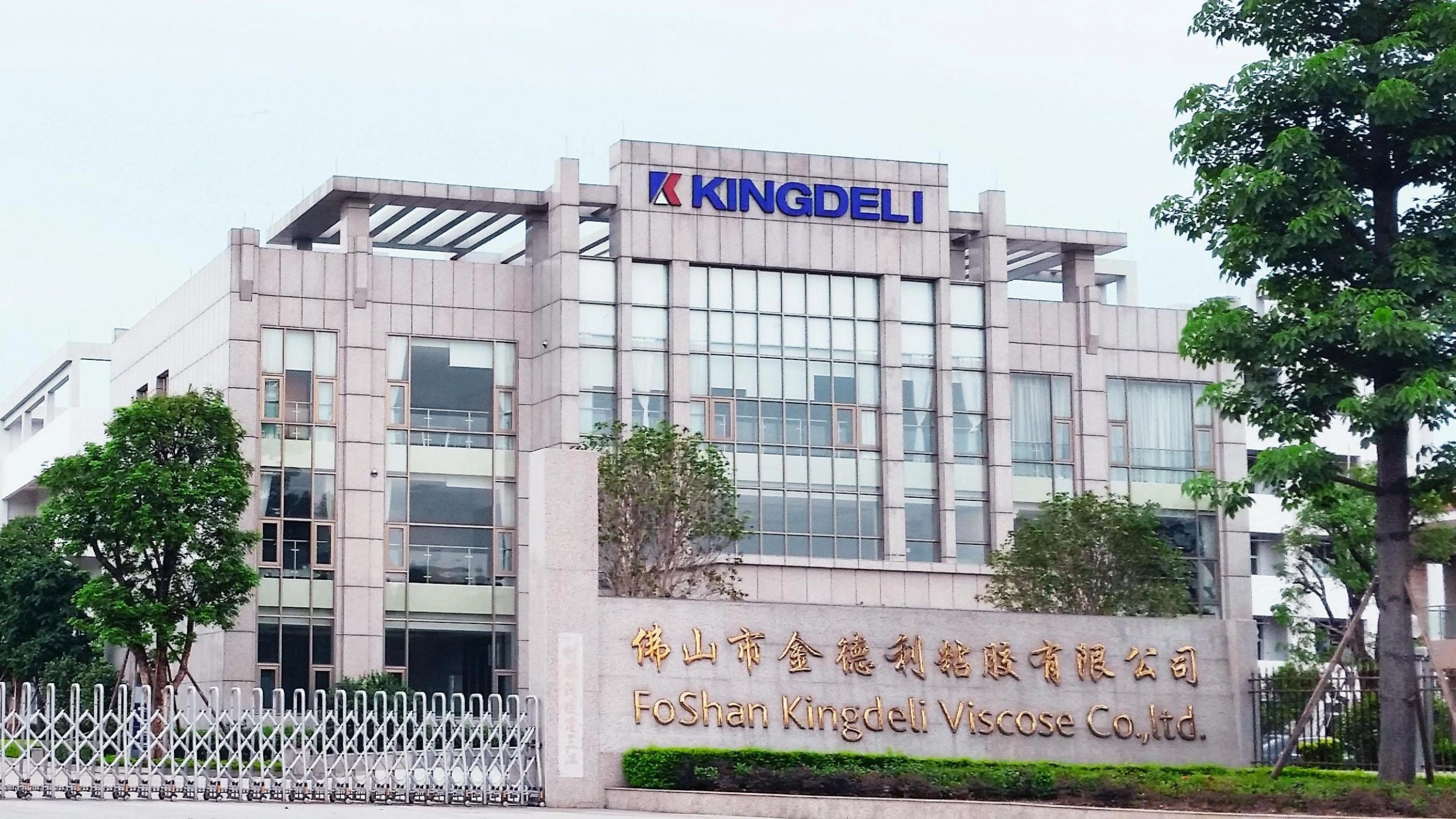
Since its establishment in 1998, KINGDELI has stood as a global leader in the high-performance sealant, adhesive, and coating industry. Headquartered in Foshan, China, our state-of-the-art 66,000 m² facility is powered by fully automated production lines with an annual capacity exceeding 100,000 tons, ensuring a consistent and robust supply for partners worldwide.
As a recognized National High-Tech Enterprise and a key contributor to the National Standard GB/T 29755-2013, we unite advanced manufacturing power with technical excellence. Our comprehensive product portfolio—spanning Neutral & Acetic Silicone, Polyurethane, MS Polymer, and No More Nails adhesives—is engineered to meet strict international standards, including ISO 9001, ISO 14001, CE, and ASTM.
With over 27 years of industry expertise and a trusted presence in 50+ countries, KINGDELI is more than a manufacturer; we are a dedicated solution provider. We offer end-to-end OEM/ODM support, sustainable low-VOC formulations, and professional technical service. At KINGDELI, we are driven by innovation and integrity, building trust and sealing the future for customers around the globe.
In the context of bulk procurement, KINGDELI’s scale, automation, and standards contributions translate into reliable batch consistency, flexible packaging (drums, pails, cartridges), and responsive technical service. Our main products relevant to bulk purchases include neutral silicone sealant, acetic silicone sealant, Acrylic Sealant, silicone glazing sealant, No More Nails adhesive, Polyurethane Sealant, MS polymer Sealant, RTV Gasket Maker, Epoxy Tile Grout, and Self-Leveling Sealant—each supported by datasheets, SDS, and batch traceability to meet rigorous procurement specifications.
Checklist for Negotiation and Specification
- Define performance specs tied to ASTM/ISO references (e.g., ASTM C920).
- Specify cure type (acetic vs neutral) and substrate compatibility clearly.
- Require CoA and retention samples for each batch.
- Negotiate tiered pricing, lead times, and penalty clauses for late delivery.
- Agree storage recommendations and packaging formats up front.
- Consider VMI or consignment for high-turnover stock.
Frequently Asked Questions (FAQ)
1. Can I substitute acetic silicone sealant for neutral cure silicone to save cost?
Not without verifying substrate compatibility. Acetic silicone sealant releases acetic acid during cure, which can corrode metals or damage sensitive coatings. For glazing on standard glass it may be acceptable, but for painted metals, natural stone, or sensitive coatings, neutral cure is safer.
2. How much lead time should I plan for bulk orders?
Typical lead times depend on supplier capacity and order size. For large orders (tens of tons), plan 6–12 weeks including production and testing. For established suppliers with available capacity, 3–6 weeks may be achievable. Always confirm lead times and include them in contracts.
3. What are the main tests I should require on delivery?
At minimum: visual inspection, batch CoA, adhesion coupon test, Shore A hardness, and skin/flow checks. For critical applications add weathering or accelerated aging tests and third-party verification from an ISO/IEC 17025 lab.
4. How do I manage shelf life and waste for large volumes?
Use FIFO, store within supplier-recommended temperature ranges, and order in packaging sizes aligned to consumption rates. Maintain buffer stock rather than excessive inventory to reduce expiry-related waste.
5. Are there compliance or VOC concerns with acetic silicone sealants?
Acetic silicones typically have higher perceived odor due to acetic acid release; VOC levels vary by formulation. If low-VOC or indoor air quality certification is required, specify formulations that meet those regulatory or voluntary targets and request VOC data from suppliers. See EPA on VOCs: EPA VOC guidance.
Contact and Next Steps
If you need help turning this approach into a procurement-ready specification, batch test plan, or supplier audit checklist, contact KINGDELI for technical support or to request product datasheets and a tailored quotation. Visit our product pages or request a sample to validate performance and compatibility on your substrates. For immediate assistance, inquire about our OEM/ODM options and bulk pricing tiers.
Contact KINGDELI sales for bulk quotes, technical datasheets, and sample programs to support your next large-scale project.
Top 10 ms polymer sealant Manufacturers and Supplier Brands in Hardware and Building Materials
OEM/ODM acetic cure silicone sealant Manufacturers and Suppliers
Top 10 neutral silicone sealant Manufacturers and Supplier Brands in Hardware and Building Materials
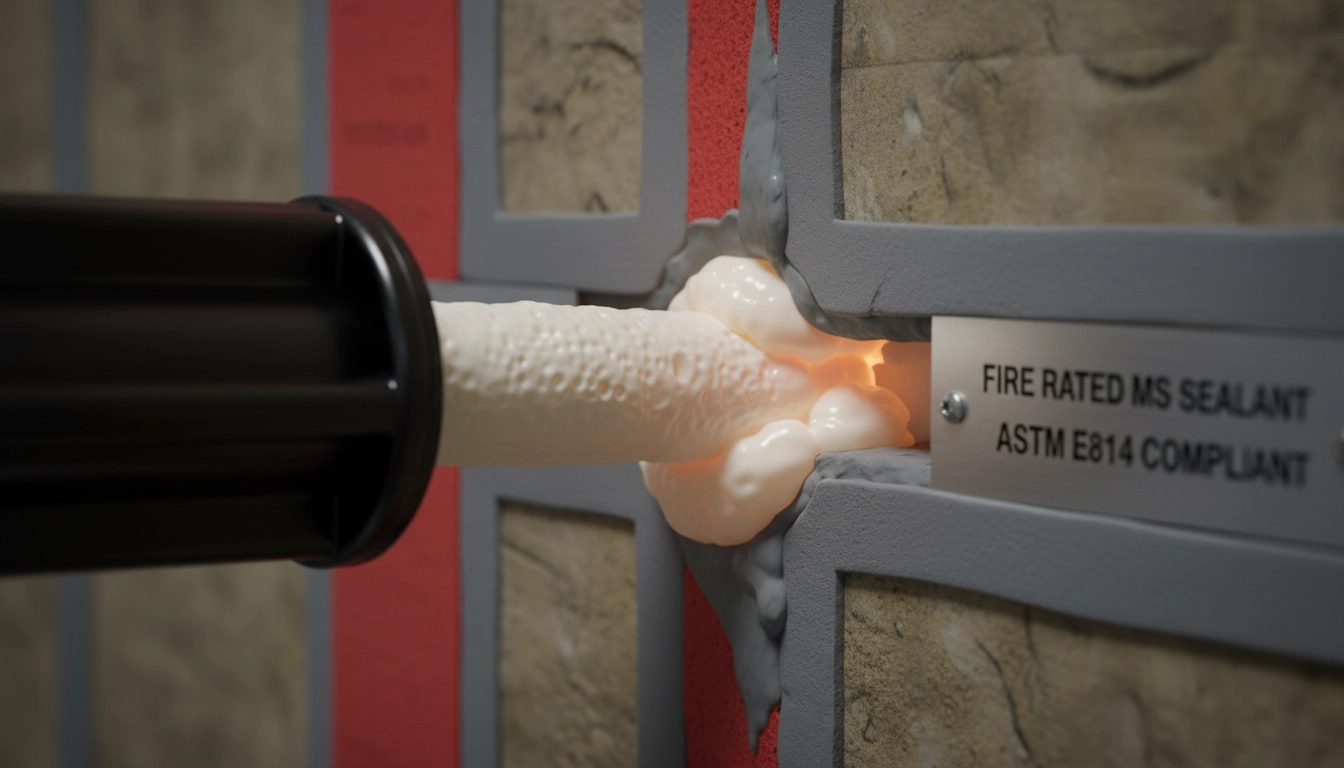
The Ultimate Guide to Fire-Rated MS Sealants: Everything You Need to Know for 2026
HY922
Is HY922 suitable for repair and maintenance work?
Yes. Its moisture-curing nature and quick surface drying make it convenient for on-site repairs and maintenance applications.
Can HY922 be used for both sealing and bonding?
Yes. It is suitable for joint sealing, gap filling, and light to medium bonding applications across automotive and construction uses.
HY994
What are the recommended application temperatures?
HY994 should be applied when the substrate temperature is between 4°C and 40°C. Outside this range, workability and adhesion may be affected.
HY925
How should HY925 be applied?
Apply with a standard caulking gun. Ensure surfaces are clean, dry, and free of dust, oil, and contaminants. Tool the sealant within a few minutes to achieve a neat finish.
HY-3300
What standards does HY-3300 comply with?
HY-3300 is tested and complies with JC/T882-2001 (125HM) and ASTM C920-18 standards.
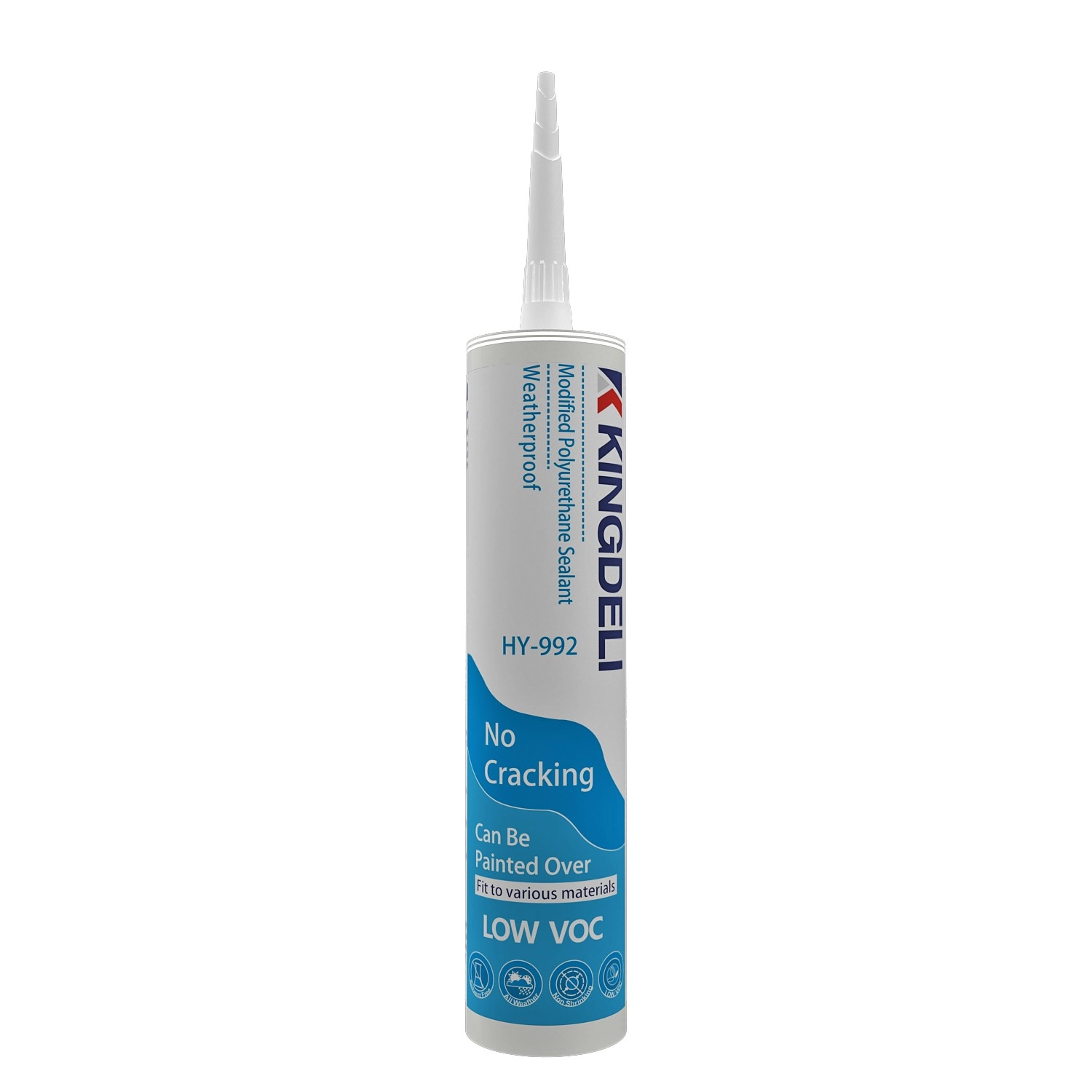
HY992 Modified Polyurethane Construction Sealant
HY992 Modified Polyurethane Sealant is a one-component, moisture-curing construction sealant designed for professional building and structural sealing applications. It provides excellent adhesion, weather resistance, and durable elasticity, making it suitable for a wide range of construction materials.
The formulation delivers strong bonding performance without corrosion or substrate contamination, while maintaining low VOC content for environmentally responsible construction projects.

HY995 Crystal Clear Ms Polymer Adhesive/Sealant
HY995 Crystal Clear Ms Polymer Adhesive/Sealant is a new generation MS Polymer adhesive / sealant formulated for all bonding and sealing applications where long term reliability is required. It has excellent bonding strength on various materials. It will cure to form a durable, flexible, waterproof seal.

HY997 High-Performance Anti-Microbial MS Polymer Sealant
HY997 MS polymer sealant for is is a premium one-component, neutral-curing modified silane sealant engineered for demanding interior applications. It offers a Class 20 movement capability, ensuring long-lasting flexibility and reliable performance under dynamic joint conditions. Curing at room temperature, HY997 delivers superior anti-microbial and mildew-resistant properties, maintaining hygienic and clean environments over time.
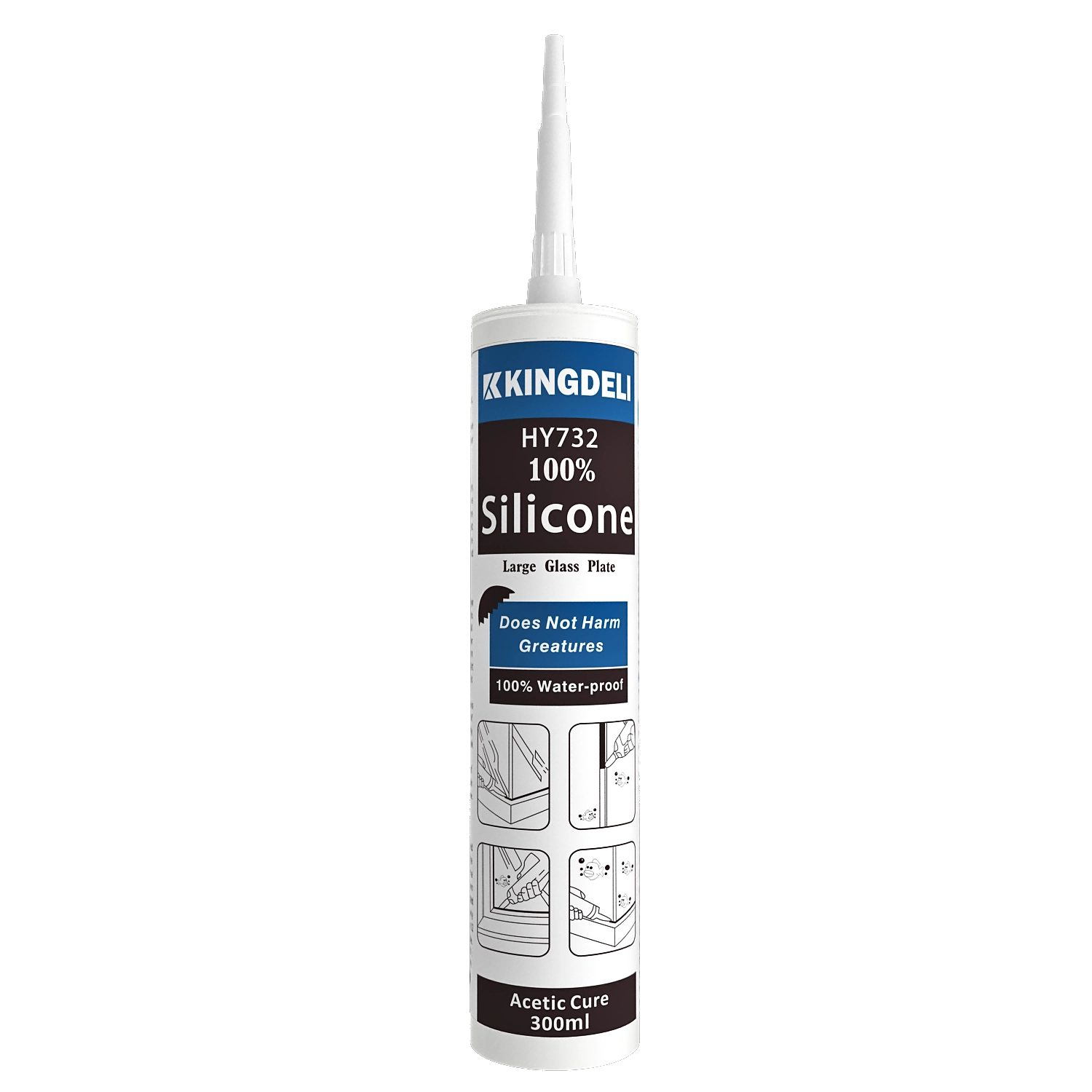
KINGDELI HY732 Professional Acetoxy Cure Silicone Sealant
KINGDELI HY732 is a professional-grade, one-component acetoxy cure silicone sealant designed for fast curing, strong adhesion, and long-lasting flexibility. Ideal for aquariums, glass applications, aluminum doors and windows, kitchens, and bathrooms, it provides reliable sealing performance with excellent anti-fungal protection in high-humidity environments.
Let’s Build Stronger Bonds with Quality Adhesives and Sealants
Have questions about the topic or need tailored sealant solutions for your project?
Our team is ready to provide expert guidance, product recommendations, and application support.
Innovating with Integrity, Bonding the World
Since 1998, KINGDELI has delivered trusted, sustainable sealant solutions that connect industries and inspire progress worldwide.
Whatsapp: +8618825946249
Kingdeli
Kingdeli
Kingdeli
Kingdeli
Kingdeli