











Beyond Silicone: Why Hybrid MS Polymers are the Future of Construction Sealants

- What is the difference between MS sealant vs silicone?
- Key Takeaways: Quick Summary of the MS Polymer vs Silicone Debate
- The Chemistry: Understanding Silyl Modified Polymers (SMP)
- Head-to-Head Comparison: Performance and Mechanical Properties
- Filling the Gap: Total Cost of Ownership and 2026 Industry Trends
- Expert Tips and Common Mistakes When Switching to Hybrid Sealants
- Conclusion
- Can you paint over MS polymer sealant?
- Is MS polymer better than silicone for bathrooms?
- Why does silicone stain natural stone?
- Does MS sealant need a primer?
- Can MS polymers be applied to wet surfaces?
- How long does MS polymer sealant take to cure?
- Are MS sealants environmentally friendly?
- Is MS polymer more expensive than silicone?
For decades, traditional silicone has been the standard choice for commercial and residential weatherproofing. However, the construction industry is rapidly evolving, demanding higher performance, superior aesthetics, and stricter environmental compliance. Enter Silyl Modified Polymers (SMP), a massive breakthrough in hybrid sealant chemistry that is changing how architects and contractors design and build.
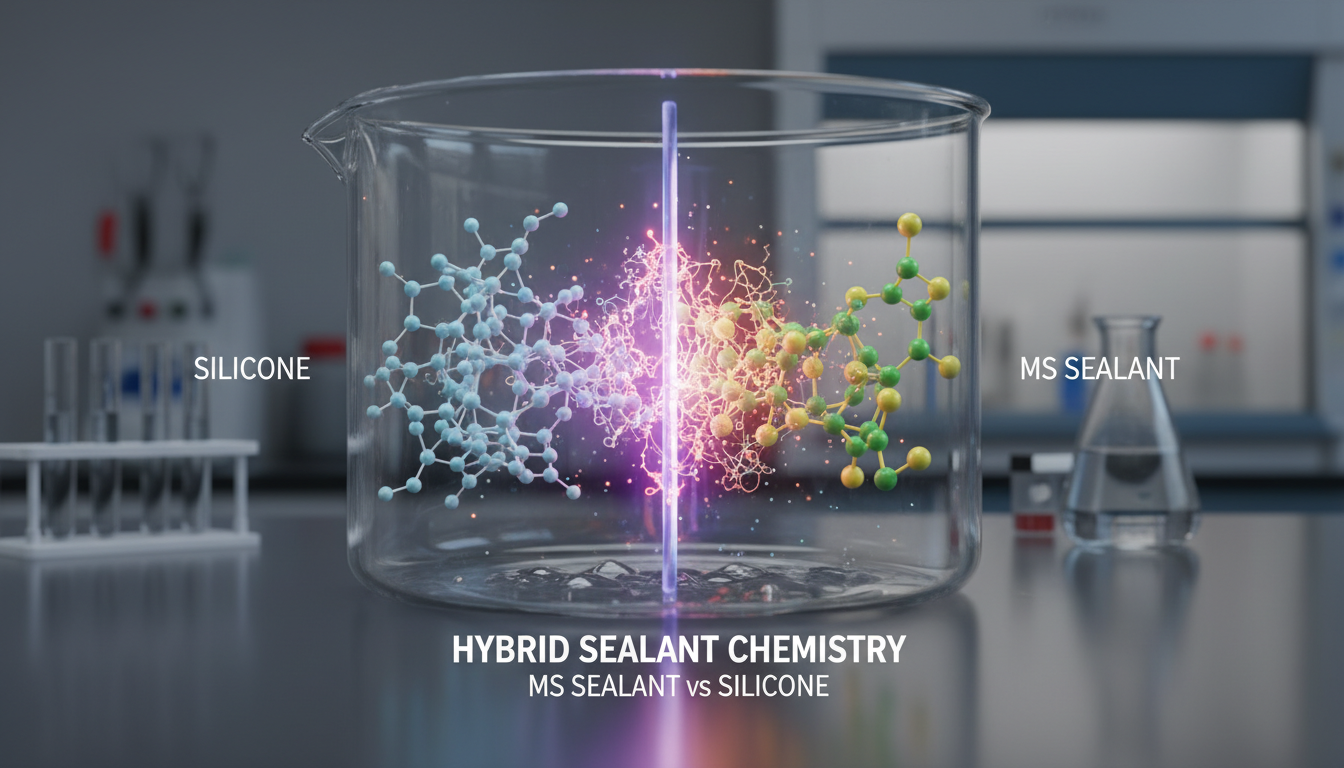
Legacy products like polyurethane and silicone each come with intrinsic compromises. Polyurethane is incredibly strong but highly susceptible to UV degradation, while silicone offers excellent weatherability but stubbornly repels paint and often leaches damaging oils into surrounding materials. Hybrid MS (Modified Silane) polymers eliminate these compromises. By engineering a molecular bridge between the two, manufacturers have created the ultimate, all-in-one weatherproofing solution.
In this comprehensive guide, we will explore why forward-thinking professionals are moving beyond legacy caulking and embracing the next generation of building materials.
What is the difference between MS sealant vs silicone?
MS (Modified Silane) sealants are hybrid polymers combining the strength of polyurethane with the weathering resistance of silicone. While silicone is highly flexible and UV resistant, it cannot be painted and often stains natural stone. MS sealants offer superior paintability, primerless adhesion, and no edge staining, making them the modern construction standard.
Understanding the "How" and "Why" behind this difference requires looking at the daily challenges faced on a job site. When contractors search for reliable paintable caulking alternatives, silicone is immediately disqualified due to its exceptionally low surface tension, which causes paint to bead up and flake off. MS sealants, conversely, are engineered to accept water-based and synthetic paints effortlessly.
Furthermore, the application process highlights stark differences in usability:
- Primerless Adhesion: Silicone often requires toxic, time-consuming primers to bond correctly to porous substrates like masonry or wood. MS sealants bond aggressively to both porous and non-porous surfaces straight out of the tube.
- Surface Moisture Tolerance: Standard silicone will bubble and fail if applied to a wet surface. Hybrid sealants utilize ambient moisture to cure, meaning they can be applied to damp substrates without compromising the bond.
- Aesthetic Integrity: Silicone contains unreacted plasticizers and silicone oils that migrate over time. MS polymers are structurally stable, preventing the tragic ruining of high-end facades.
Key Takeaways: Quick Summary of the MS Polymer vs Silicone Debate
The MS polymer versus silicone debate centers on paintability, substrate compatibility, aesthetics, and safety. MS polymers objectively outperform silicone by allowing for seamless painting, adhering to damp surfaces, preventing irreversible stone staining, and eliminating harmful isocyanates and solvents from the workplace.
For architects, project managers, and contractors looking to future-proof their builds, the benefits of transitioning to hybrid polymers are clear. By upgrading from legacy caulking, you drastically reduce the potential for callbacks and rework.
Here is a quick summary of the core advantages:
- Unrestricted Paintability: MS polymers offer excellent paintability with water-based and synthetic paints, whereas traditional silicone repels paint completely, restricting design choices.
- Weather-Resilient Workflows: Hybrid MS sealants can be applied flawlessly to wet or damp surfaces without bubbling or foaming, ensuring uninterrupted workflows even in unpredictable climates.
- Pristine Facades: Silicone can cause irreversible oil migration and edge bleeding on high-end exteriors; MS polymers do not contain these migrating oils, keeping surfaces spotless.
- Occupational Health: MS sealants are entirely free of toxic isocyanates and strong solvents, promoting better environmental health and safety (EHS) for workers in confined spaces.
The Chemistry: Understanding Silyl Modified Polymers (SMP)
Silyl Modified Polymers (SMP) utilize a specialized hybrid molecular structure that acts as a chemical bridge, blending the elasticity and UV stability of traditional silicone with the sheer tear resistance and toughness of polyurethane into a single advanced compound.
How exactly does this hybrid technology work? As detailed by Wikipedia, these polymers terminate with a highly reactive silyl group. SMPs form the primary backbone for modern, solvent-free, and isocyanate-free adhesive products. This specific molecular structure brings out the "best of both worlds" while effectively neutralizing the weaknesses inherent to older chemistries.
The chemical mechanisms behind these advantages include:
- Silane Termination: The critical role of silane termination allows the polymer to achieve robust, primerless adhesion. When the silyl groups react with ambient moisture, they form a strong siloxane network that chemically locks onto a wide variety of building substrates, from smooth glass to rough concrete.
- Molecular Bridging: By utilizing a polyether backbone combined with silyl end-groups, the sealant maintains the formidable mechanical strength of polyurethane while keeping the joint flexible enough to accommodate extreme thermal expansion.
- Anti-Dirt Technology: Unlike silicone, which carries a static charge that acts as a magnet for atmospheric dust, the specific molecular structure of MS sealants inherently prevents dirt pick-up. This ensures that the building envelope remains clean and highly resistant to long-term surface degradation.
Head-to-Head Comparison: Performance and Mechanical Properties
When comparing performance and mechanical properties, hybrid sealants demonstrate superior modulus control, exceptional tear resistance, broad primerless adhesion profiles, and total immunity to the dirt pick-up and oil migration commonly associated with standard silicone caulking.
To truly appreciate why MS polymers are dominating the commercial sector, we must break down their mechanical behavior in high-stress environments. Buildings move, settle, and expand. The sealant connecting these components must act as a dynamic shock absorber.
- Tensile Strength and Modulus: MS polymers are available in various modulus grades. They provide incredible movement accommodation and elasticity while maintaining high tear resistance in high-stress joints. If a joint is over-stressed, silicone tends to fail cohesively (tearing down the middle), while MS polymers offer a much higher threshold against mechanical rupture.
- UV Stability and Weathering: Advanced MS polymers are specifically engineered to withstand extreme climate shifts and intense sunlight. They do not chalk, crack, or yellow over time, ensuring the building envelope remains airtight for decades.
- Adhesion Profiles: Hybrid sealants have revolutionized bonding capabilities. They bond tenaciously to porous materials like concrete, brick, and wood, as well as non-porous materials like glass, aluminum, and PVC, entirely without the use of specialized primers.
- Aesthetic Advantages: The paintability and non-staining nature of hybrid sealants massively benefit high-end commercial and residential builds. Architects can specify a single hybrid sealant for an entire project, knowing it will seamlessly blend into the visual design.
Filling the Gap: Total Cost of Ownership and 2026 Industry Trends
The total cost of ownership for hybrid sealants is significantly lower than traditional options because they eliminate the need for expensive primers, drastically reduce labor time, prevent costly aesthetic rework, and easily comply with modern green building standards.
While a purchasing manager might notice that the initial price-per-tube of an MS polymer is marginally higher than standard acrylic or silicone, comparing upfront costs is a deeply flawed and misleading metric. When evaluating commercial construction sealants, you must calculate the total installed cost.
Furthermore, regulatory shifts are effectively forcing the market's hand. As explained by Seal Bond, modern construction is bound by stringent environmental regulations. Navigating emerging 2026 sustainability standards heavily favors low VOC construction sealants that are entirely free of solvents and isocyanates.
The true cost benefits of MS polymers include:
- Eliminating Primer Costs: Because MS polymers boast primerless adhesion on over 90% of common building materials, contractors save thousands of dollars on primer materials and the labor required to apply them.
- Reduced Labor and Faster Curing: MS polymers are easier to gun out of the tube, tool smoothly, and can be applied in damp weather, preventing costly project delays caused by rain.
- Regulatory Compliance: LEED v4, WELL building standards, and strict regional EPA laws require ultra-low emissions. Hybrid formulations effortlessly meet these green building criteria, keeping projects compliant and avoiding regulatory fines.
- Fewer Callbacks: Real-world examples show massive commercial facades shifting entirely to MS sealants to guarantee long-term durability. By preventing adhesive failure and eliminating staining, companies save exponentially on warranty rework.
Expert Tips and Common Mistakes When Switching to Hybrid Sealants
The most common mistake contractors make when transitioning to hybrid sealants is treating them exactly like legacy silicone, particularly regarding tooling times, joint movement calculations, and ignoring their unique ability to adhere to wet surfaces.
Switching to SMP technology requires a slight adjustment in application technique. The physical feel of the product under the trowel, the skin-over time, and the preparation steps are uniquely tailored to hybrid chemistry.
A particularly devastating error in modern construction is ignoring the risks of silicone staining on natural stone. As detailed by the Natural Stone Institute, oil-based stains from sealants and caulks can permanently darken and ruin porous stone applications like granite and marble. This is an entirely preventable disaster if the correct hybrid polymer is utilized.
Here are the critical tips and mistakes to watch out for:
- Mistake: Continuing to use standard silicone on natural stone installations, leading to costly and irreversible edge staining.
- Tip: Always tool MS sealants quickly and efficiently. Their skin-over time and tooling behavior can differ slightly from traditional silicone, often requiring a lighter touch and a dedicated tooling solution rather than soapy water.
- Mistake: Assuming all hybrid sealants have the exact same modulus. Always read the technical data sheet and match the specific product grade (low, medium, or high modulus) to the exact joint movement requirements of the design.
- Tip: Leverage the wet-surface adhesion capabilities of MS polymers. During unpredictable weather, you can safely apply hybrid sealants to damp surfaces to maintain strict construction schedules without sacrificing bond strength.
Conclusion
MS polymers represent the definitive next evolution in construction sealants, objectively outperforming traditional silicone in terms of paintability, substrate compatibility, mechanical durability, and environmental safety. By bridging the gap between polyurethane's strength and silicone's weatherability, Silyl Modified Polymers offer an unparalleled, all-in-one weatherproofing solution. Upgrading your sealant choice from legacy products to advanced hybrid technology ensures longer-lasting, more aesthetically pleasing, and highly resilient building envelopes that easily pass the strict environmental regulations of 2026 and beyond.
Contact us today to optimize your construction sealant strategy.
Can you paint over MS polymer sealant?
Yes, one of the biggest advantages of MS polymer sealants is that they are highly paintable with most water-based and synthetic paints, unlike silicone which completely repels paint.
Is MS polymer better than silicone for bathrooms?
It depends on the specific use case. While silicone is traditionally favored for its extreme mold resistance in highly wet areas, many modern MS polymers now include powerful anti-fungal agents making them equally viable, with the added benefit of being paintable.
Why does silicone stain natural stone?
Silicone sealants often contain plasticizers and free silicone oils that can migrate into porous substrates like marble and granite over time, causing permanent dark bands known as edge staining. MS polymers do not contain these migrating oils.
Does MS sealant need a primer?
Generally, no. MS polymer sealants are renowned in the construction industry for their excellent primerless adhesion to a wide variety of substrates, including glass, metal, plastics, and concrete.
Can MS polymers be applied to wet surfaces?
Yes, hybrid MS sealants cure through a reaction with moisture. This means they can often be applied directly to damp or wet surfaces without bubbling or losing their adhesive properties.
How long does MS polymer sealant take to cure?
MS sealants typically form a skin in about 10 to 30 minutes and cure at a rate of 2mm to 3mm per 24 hours. The exact curing speed depends heavily on atmospheric humidity and temperature.
Are MS sealants environmentally friendly?
Yes, they are widely considered a more eco-friendly alternative in construction because they are solvent-free, isocyanate-free, and contain very low levels of Volatile Organic Compounds (VOCs).
Is MS polymer more expensive than silicone?
The upfront per-tube cost of MS polymer can sometimes be slightly higher than standard silicone. However, when factoring in the savings from eliminating primers, reducing labor time, and avoiding rework, MS polymers are often more cost-effective overall.
OEM/ODM double glazing glass sealant Manufacturers and Suppliers
Cost Saving Tips for Bulk Procurement of MS Silicone Sealant
Top rtv gasket maker Manufacturers and Suppliers
The Ultimate Guide to Buying RTV Gasket Maker Bulk: 7 Secrets to Saving 40% on Industrial Supplies (2026 Edition)
HY-939
What colors and packaging options are available?
HY939 is available in grey, red, black, clear, and customized colors. Packaging options include aluminum tubes (30–100 ml) and cartridges (280 ml / 300 ml).
HY924
How long does HY924 take to cure?
Curing starts as soon as the material contacts moisture. Tack-free time is typically 30–60 minutes, with full curing depending on humidity, temperature, and bead thickness.
HY-2100
How should the sealant be stored?
Store in a cool, dry place below 27℃. Avoid direct sunlight and keep the container sealed before use.
HY-976
Is the adhesive safe to use indoors?
Yes. It is low-odour, solvent-free, and designed specifically for indoor applications when used according to instructions.
HY993
How should HY993 be stored?
Keep in a dry, shaded environment at moderate temperatures. Avoid exposure to freezing or high heat for prolonged periods.
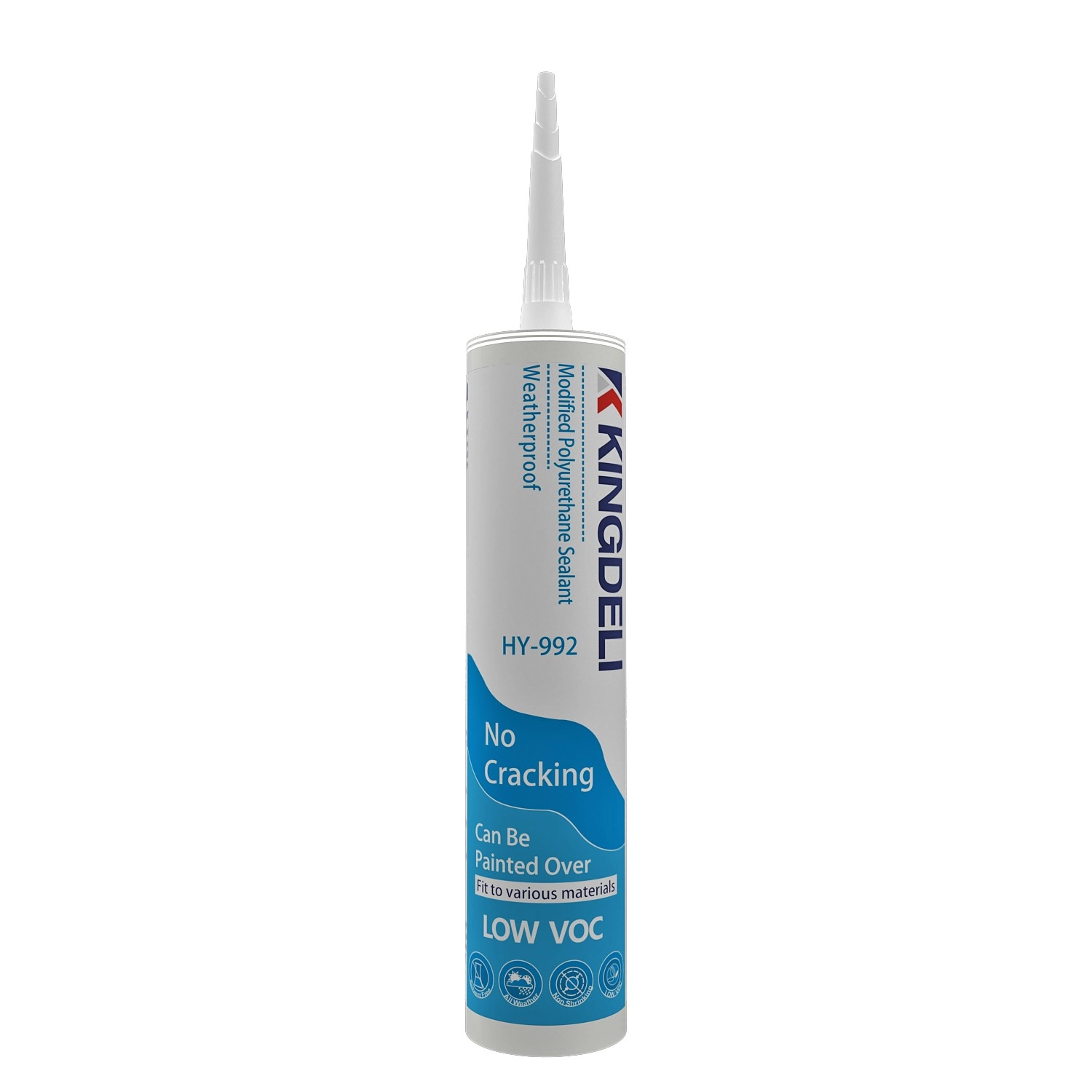
HY992 Modified Polyurethane Construction Sealant
HY992 Modified Polyurethane Sealant is a one-component, moisture-curing construction sealant designed for professional building and structural sealing applications. It provides excellent adhesion, weather resistance, and durable elasticity, making it suitable for a wide range of construction materials.
The formulation delivers strong bonding performance without corrosion or substrate contamination, while maintaining low VOC content for environmentally responsible construction projects.

HY995 Crystal Clear Ms Polymer Adhesive/Sealant
HY995 Crystal Clear Ms Polymer Adhesive/Sealant is a new generation MS Polymer adhesive / sealant formulated for all bonding and sealing applications where long term reliability is required. It has excellent bonding strength on various materials. It will cure to form a durable, flexible, waterproof seal.

HY997 High-Performance Anti-Microbial MS Polymer Sealant
HY997 MS polymer sealant for is is a premium one-component, neutral-curing modified silane sealant engineered for demanding interior applications. It offers a Class 20 movement capability, ensuring long-lasting flexibility and reliable performance under dynamic joint conditions. Curing at room temperature, HY997 delivers superior anti-microbial and mildew-resistant properties, maintaining hygienic and clean environments over time.
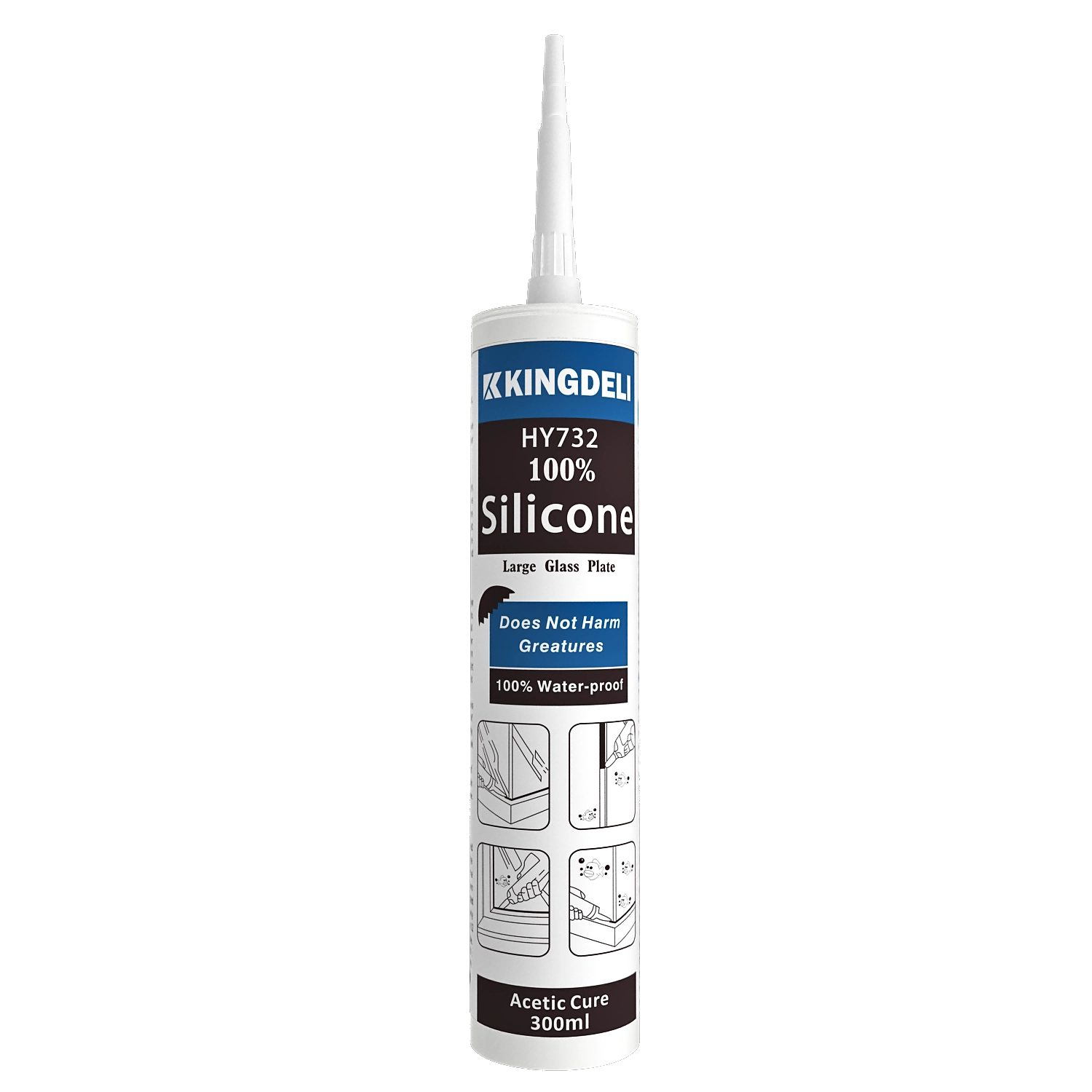
KINGDELI HY732 Professional Acetoxy Cure Silicone Sealant
KINGDELI HY732 is a professional-grade, one-component acetoxy cure silicone sealant designed for fast curing, strong adhesion, and long-lasting flexibility. Ideal for aquariums, glass applications, aluminum doors and windows, kitchens, and bathrooms, it provides reliable sealing performance with excellent anti-fungal protection in high-humidity environments.
Let’s Build Stronger Bonds with Quality Adhesives and Sealants
Have questions about the topic or need tailored sealant solutions for your project?
Our team is ready to provide expert guidance, product recommendations, and application support.
Innovating with Integrity, Bonding the World
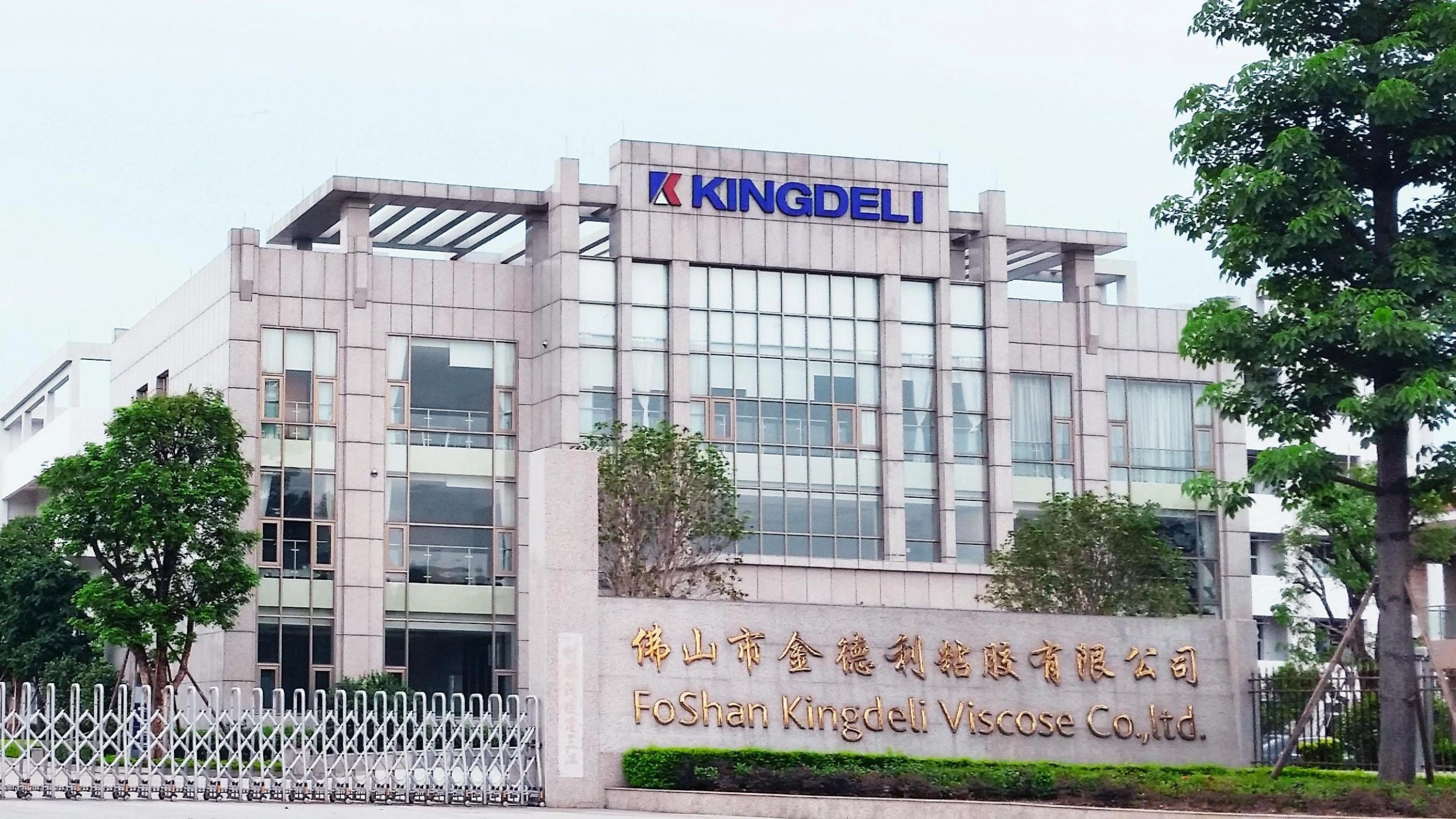
Since 1998, KINGDELI has delivered trusted, sustainable sealant solutions that connect industries and inspire progress worldwide.
Whatsapp: +8618825946249
Kingdeli
Kingdeli
Kingdeli
Kingdeli
Kingdeli