











Beyond Polyurethane: Why Modern Construction is Switching to MS Sealants in 2026

- What is the Difference Between MS Sealant vs Polyurethane?
- Key Takeaways: Quick Summary of MS vs PU
- The Evolution of Construction Sealants
- Core Performance Comparison: Which is Better?
- Health, Safety, and the Environment (EHS)
- Cost Analysis and Future Trends for 2026
- Expert Tips: Common Mistakes When Applying Sealants
- Conclusion
- Is MS polymer better than polyurethane?
- Can I paint over MS polymer sealant?
- How long does MS sealant take to cure compared to PU?
- Does MS sealant contain isocyanates?
- What is the lifespan of polyurethane sealant in sunlight?
- Are hybrid sealants and MS polymers the same thing?
- Can MS polymer be used for structural bonding?
- Why is polyurethane still used if MS polymer is better?
What is the Difference Between MS Sealant vs Polyurethane?
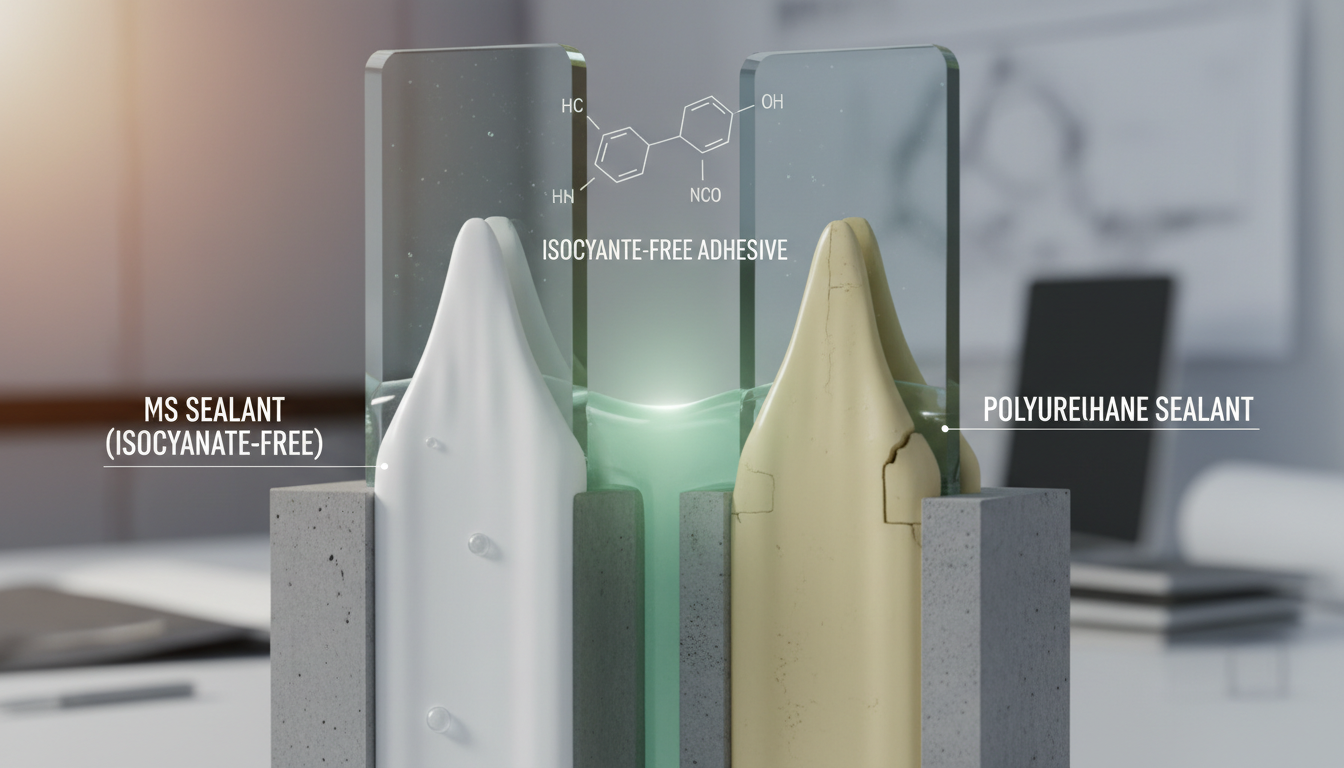
The primary difference between MS (Modified Silane) sealant and polyurethane (PU) lies in their chemical makeup and curing process. While traditional PU sealants rely on reactive isocyanates that can release VOCs and bubble under moisture, MS sealants utilize an advanced hybrid ms polymer sealant technology.
This fundamental variance in formulation is why commercial contractors are rethinking their material choices. Understanding the ms polymer vs polyurethane differences begins with analyzing how they react to their immediate environments. Polyurethane has long been the industry standard for its high tensile strength, but its reactive curing process leaves it vulnerable to environmental variables. In contrast, MS sealants are inherently UV stable, highly flexible, eco-friendly, and completely free of toxic elements, outperforming traditional PU in almost every modern application.
When evaluating these two options, consider the following critical distinctions:
- Chemical Base: PU relies on isocyanate chemistry; MS sealants use silyl-terminated polymers.
- Curing Mechanism: PU can trap carbon dioxide during curing (causing bubbling); MS cures cleanly via moisture without gas release.
- Toxicity: PU requires strict PPE due to off-gassing; MS is non-toxic and classified as label-free.
Key Takeaways: Quick Summary of MS vs PU
In short, MS sealants provide exceptional longevity and safety compared to traditional polyurethane. They eliminate toxic off-gassing, cure flawlessly on damp surfaces without bubbling, and offer unmatched UV resistance to prevent cracking and chalking in high-stress exterior construction joints.
To summarize the essential points for quick reference during procurement:
- Superior Weatherability: MS sealants offer superior UV resistance without the chalking, yellowing, or cracking that typically plagues aging PU joints.
- Tensile Strength vs. Longevity: Polyurethane traditionally offers high initial tensile strength, but it degrades much faster when exposed to direct sunlight and severe weather.
- Environmental Safety: MS polymers are label-free and environmentally safe, containing zero isocyanates or harmful solvents.
- Application Versatility: These advanced hybrid sealants can be successfully applied to damp surfaces without bubbling, unlike PU which reacts poorly to trapped moisture.
The Evolution of Construction Sealants
Construction sealants have rapidly evolved from the polyurethane dominance of the 20th century to the advanced modified silane polymers used today. Originally developed in Japan to solve seismic flexibility needs, this hybrid technology is now accelerating the phase-out of traditional PU by 2026.
Historically, polyurethane was the undisputed king of construction joints due to its aggressive adhesion and tear resistance. However, as global architectural demands shifted toward more extreme environmental resilience and tighter health regulations, the market required an immediate upgrade.
- Japanese Origins: The technology behind modified silane polymers was first pioneered in Japan during the 1980s. The region's frequent seismic activity required structural joints that could stretch and compress without tearing away from the substrate.
- Solving PU's Flaws: Engineers combined the paintability and strength of PU with the flexibility and weather resistance of silicone, creating a highly functional hybrid solution. According to Wikipedia's documentation on Silyl-modified polymers, these sealants provide high opacity, short drying times, and good paint adhesion alongside greater resistance to weathering.
- The 2026 Phase-Out: Today, strict environmental regulations regarding VOC emissions are forcing a massive shift. By 2026, many heavy construction projects are explicitly banning high-VOC products, accelerating the transition to safer EHS alternatives.
Core Performance Comparison: Which is Better?
For modern applications, MS polymer is definitively better than polyurethane due to its exceptional weatherability and application versatility. It outperforms PU in UV stability, accommodates thermal expansion flawlessly, and allows for immediate wet-on-wet painting without moisture-induced bubbling or joint failure.
When breaking down the technical capabilities of both materials, the advantages of transitioning to MS become overwhelmingly clear:
- UV Stability and Weathering: Why do MS polymers outlast PU in exterior joints? Polyurethane's chemical bonds break down under ultraviolet light. Without heavy, expensive UV inhibitors, PU will chalk and crack. MS sealants are inherently uv resistant construction sealants, maintaining their structural integrity and color for decades.
- Flexibility and Movement Capability: Buildings breathe. They expand in the summer heat and contract in the winter freeze. MS sealants typically boast a lower modulus than PU, meaning they can stretch further and more easily accommodate thermal expansion without putting undue stress on the bonding line.
- Curing Speed and Moisture Reactions: Preventing the dreaded PU "bubbling" effect is crucial for structural aesthetics. If PU is applied on a damp surface, the isocyanates react with water to form carbon dioxide gas, creating weak, unsightly bubbles in the joint. MS cures via a different hydrolysis process that thrives on ambient moisture, allowing for damp application.
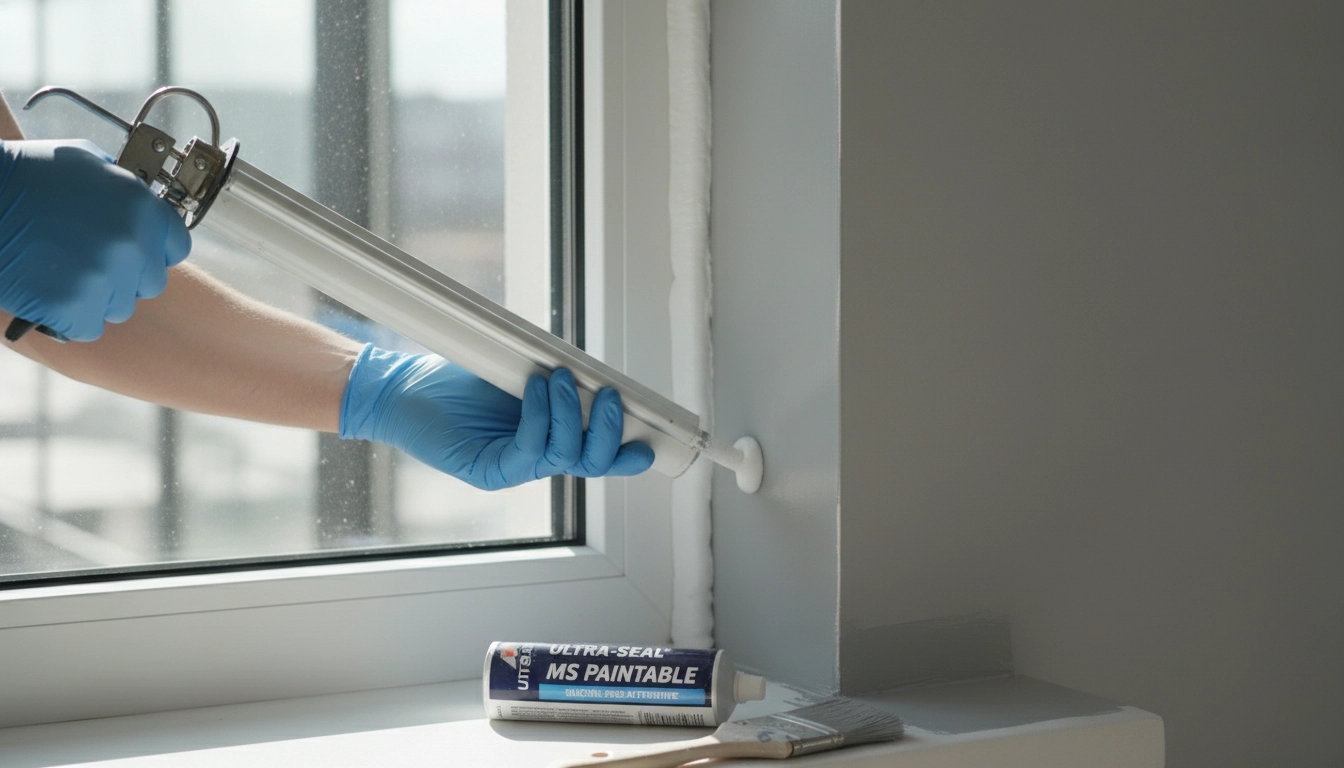
- Paintability: Both are paintable, but hybrid sealants offer wet-on-wet painting capabilities. You can paint over an MS sealant immediately after application, drastically reducing project timelines.
Health, Safety, and the Environment (EHS)
MS sealants are significantly safer for human health and the environment than polyurethane because they are completely free of toxic isocyanates. This label-free safety classification ensures total compliance with aggressive green building codes, indoor air quality standards, and LEED certification.
The health risks associated with older sealant technologies are becoming a major liability for construction firms prioritizing worker safety.
- Respiratory Risks of Isocyanates: Traditional polyurethane relies on isocyanates as a curing agent. As reported by the Government of Canada, potential health effects associated with exposure to free or unreacted isocyanates include skin, eye, gastrointestinal, and respiratory tract irritation, which can lead to severe asthma.
- The Rise of Label-Free Alternatives: Because of these hazards, the commercial industry is migrating toward isocyanate-free adhesives. MS sealants do not require the extensive hazardous material labeling and specialized respiratory PPE that PU demands, making them much safer for confined spaces and populated buildings.
- LEED Certification: Meeting aggressive green building codes is mandatory for modern developers. MS sealants produce virtually zero VOC emissions, making it significantly easier to achieve LEED v4.1 and v5 certifications for indoor environmental quality.
Cost Analysis and Future Trends for 2026
While the upfront cost per cartridge of MS polymer is slightly higher than polyurethane, its superior lifecycle value makes it more cost-effective over time. Reduced replacement frequency, faster application, and lower specialized labor costs position MS technology to dominate the market.
Procurement managers often look strictly at the shelf price, but a proper cost-benefit analysis reveals a different narrative. As noted in industry literature regarding Silyl-Modified Polymers, these advanced materials successfully combine the strengths of both silicone and polyurethane adhesives into one powerful product, overcoming traditional limitations.
- Upfront Cost per Cartridge: Expect to pay a 10% to 20% premium for an MS polymer cartridge compared to a standard PU tube.
- Lifecycle Cost Analysis: PU sealants exposed to direct sunlight often need replacing within 5 to 7 years. MS sealants can easily last 15 to 20 years in the same conditions. When you factor in the labor costs of cutting out old PU, prepping the joint, and re-caulking, the hybrid MS option pays for itself several times over.
- Market Projections for 2026: Market analysts project that as raw material manufacturing scales up and environmental laws tighten, the cost gap will shrink. MS technology is already becoming the baseline standard for commercial, marine, and automotive structural bonding.
Expert Tips: Common Mistakes When Applying Sealants
To ensure a flawless and durable seal, you must avoid common application mistakes such as failing to prime porous substrates or applying polyurethane in high humidity. Proper joint design, surface preparation, and selecting the correct product modulus are critical for long-term structural integrity.
Even the best sealant will fail if applied incorrectly. Simulate expert experience by following these essential guidelines:
- Improper Surface Preparation: Failing to properly clean and, if necessary, prime the substrate is the number one cause of adhesive failure. Always remove dust, grease, and old caulk before applying new beads.
- Ignoring Environmental Conditions: Applying polyurethane in overly humid conditions is a recipe for disaster, leading to outgassing and joint bubbling. If you must work in the damp, switch to an MS polymer.
- Over-Tooling the Joint: Repeatedly smoothing or pressing the sealant can over-work the material, introducing air pockets and compromising the sealant's structural integrity. Tool it once with steady, consistent pressure.
- Incorrect Modulus Selection: Choosing the wrong modulus (high vs low) for the required joint movement will cause tears. Use high-modulus for static structural bonding and low-modulus for dynamic expansion joints.
Conclusion
MS sealants provide an undeniable advantage over traditional polyurethane in UV stability, safety, and application ease, firmly establishing them as the elite standard for 2026. By eliminating toxic isocyanates and resisting the environmental degradation that plagues PU, these advanced hybrid polymers deliver unmatched lifecycle value for any modern construction project. Contact us today to optimize your construction sealants strategy and request a custom product quote.
Is MS polymer better than polyurethane?
For most exterior and environmentally sensitive applications, MS polymer is considered superior due to its excellent UV stability, lack of isocyanates, and ability to cure without bubbling on damp surfaces.
Can I paint over MS polymer sealant?
Yes, MS polymer sealants are highly paintable, often allowing for 'wet-on-wet' painting with water-based paints immediately after application, unlike many silicones or polyurethanes.
How long does MS sealant take to cure compared to PU?
Both typically skin over within 30-60 minutes, but MS sealants generally cure faster through the core (approx. 2-3mm per 24 hours) and are less reliant on ideal humidity conditions than PU.
Does MS sealant contain isocyanates?
No, MS (Modified Silane) sealants are completely free of isocyanates and solvents, making them safer for users and environmentally friendly.
What is the lifespan of polyurethane sealant in sunlight?
Polyurethane sealants are susceptible to UV degradation. In direct sunlight, they can begin to chalk, crack, or yellow within 5 to 7 years unless specifically formulated with heavy UV inhibitors.
Are hybrid sealants and MS polymers the same thing?
Yes, in the construction industry, 'hybrid sealant' is commonly used as an umbrella term for MS (Modified Silane) polymers, SPUR, or STP sealants that combine the traits of silicone and polyurethane.
Can MS polymer be used for structural bonding?
Absolutely. High-modulus MS polymers are incredibly strong and are frequently used for structural bonding in automotive, marine, and heavy construction applications.
Why is polyurethane still used if MS polymer is better?
Polyurethane remains popular because it has historically been cheaper upfront, boasts incredibly high tear resistance, and many contractors have decades of familiarity with using it.
Best rtv gasket maker manufacturers and supplier brands in Automotive Solutions
MS Silicone Sealant Storage, Shelf Life and Logistics
Best neutral silicone sealant manufacturers and supplier brands in Automotive Solutions
MS Sealant vs. Silicone: 5 Reasons Why Every Contractor is Switching to Paintable Hybrids in 2026
HY- 972
Can HY-972 be painted over?
Yes. Once fully cured, HY-972 can be painted with most water-based paints.
HY982
Is a primer required before application?
In most cases, no primer is required. HY982 bonds strongly to clean and sound substrates. For highly absorbent or unusual materials, a small adhesion test is recommended prior to full application.
HY723
How long does the sealant resist fire?
It provides fire resistance for up to four hours, though the exact duration depends on the specific joint configuration.
HY994
What are the typical applications for HY994?
✓Common uses include:
✓Elevator and security door reinforcement bonding
✓Ceiling and panel joint sealing
✓Flooring system bonding
✓Metal structures, machinery, electronics, cleanrooms, ventilation equipment, containers, and general industrial joint sealing
HY924
Does the adhesive sag during application?
No. Its excellent thixotropy prevents sagging, ensuring clean and precise application.
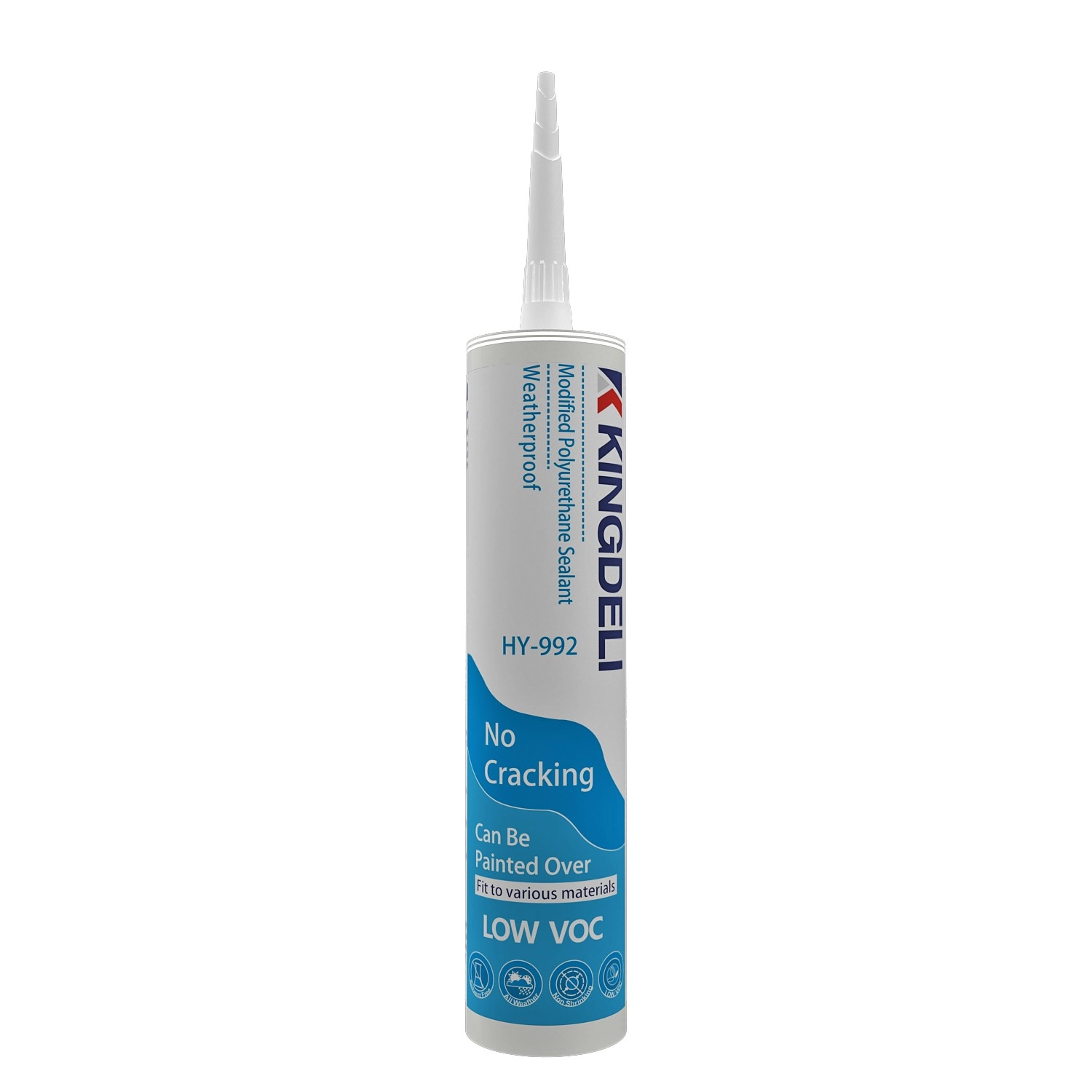
HY992 Modified Polyurethane Construction Sealant
HY992 Modified Polyurethane Sealant is a one-component, moisture-curing construction sealant designed for professional building and structural sealing applications. It provides excellent adhesion, weather resistance, and durable elasticity, making it suitable for a wide range of construction materials.
The formulation delivers strong bonding performance without corrosion or substrate contamination, while maintaining low VOC content for environmentally responsible construction projects.

HY995 Crystal Clear Ms Polymer Adhesive/Sealant
HY995 Crystal Clear Ms Polymer Adhesive/Sealant is a new generation MS Polymer adhesive / sealant formulated for all bonding and sealing applications where long term reliability is required. It has excellent bonding strength on various materials. It will cure to form a durable, flexible, waterproof seal.

HY997 High-Performance Anti-Microbial MS Polymer Sealant
HY997 MS polymer sealant for is is a premium one-component, neutral-curing modified silane sealant engineered for demanding interior applications. It offers a Class 20 movement capability, ensuring long-lasting flexibility and reliable performance under dynamic joint conditions. Curing at room temperature, HY997 delivers superior anti-microbial and mildew-resistant properties, maintaining hygienic and clean environments over time.
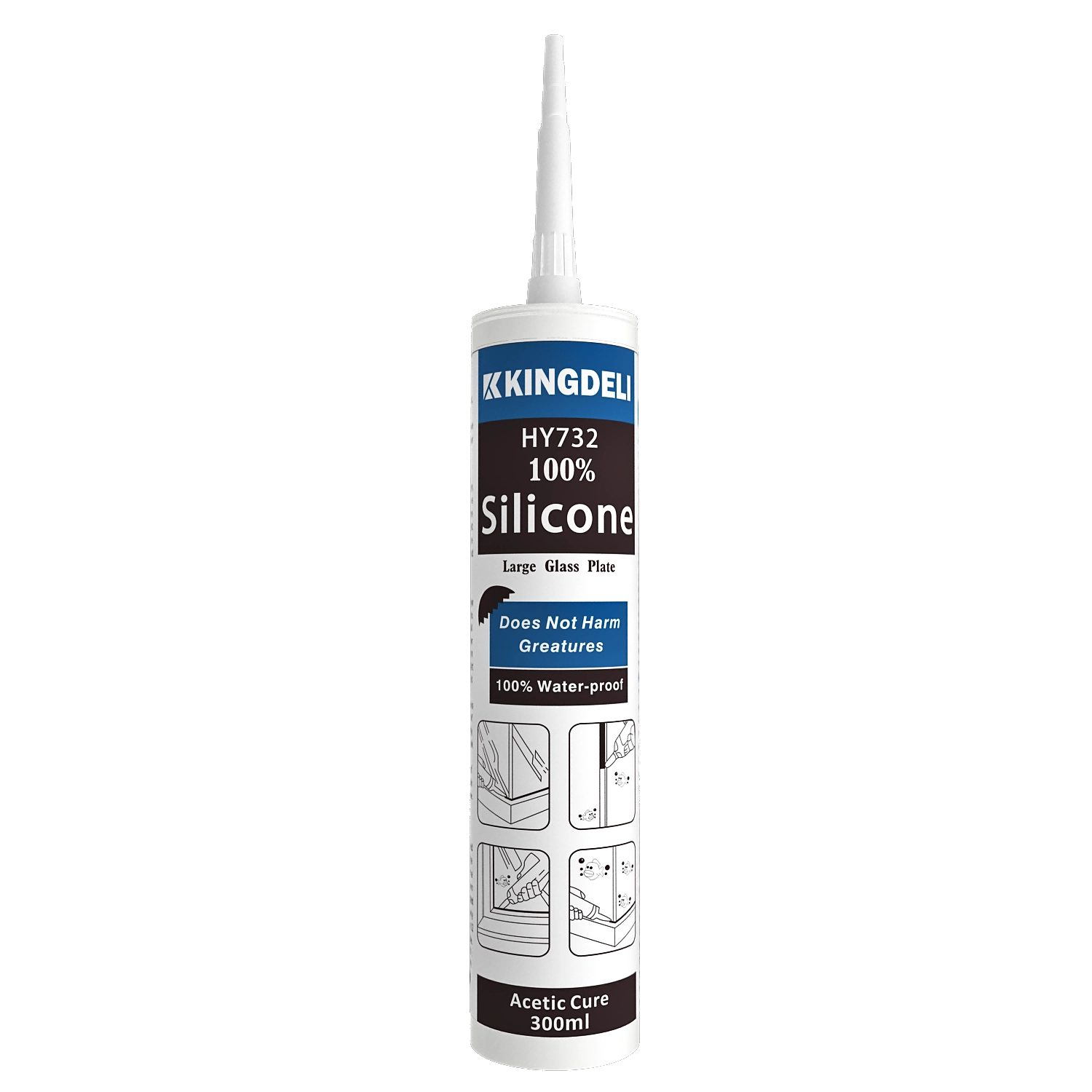
KINGDELI HY732 Professional Acetoxy Cure Silicone Sealant
KINGDELI HY732 is a professional-grade, one-component acetoxy cure silicone sealant designed for fast curing, strong adhesion, and long-lasting flexibility. Ideal for aquariums, glass applications, aluminum doors and windows, kitchens, and bathrooms, it provides reliable sealing performance with excellent anti-fungal protection in high-humidity environments.
Let’s Build Stronger Bonds with Quality Adhesives and Sealants
Have questions about the topic or need tailored sealant solutions for your project?
Our team is ready to provide expert guidance, product recommendations, and application support.
Innovating with Integrity, Bonding the World
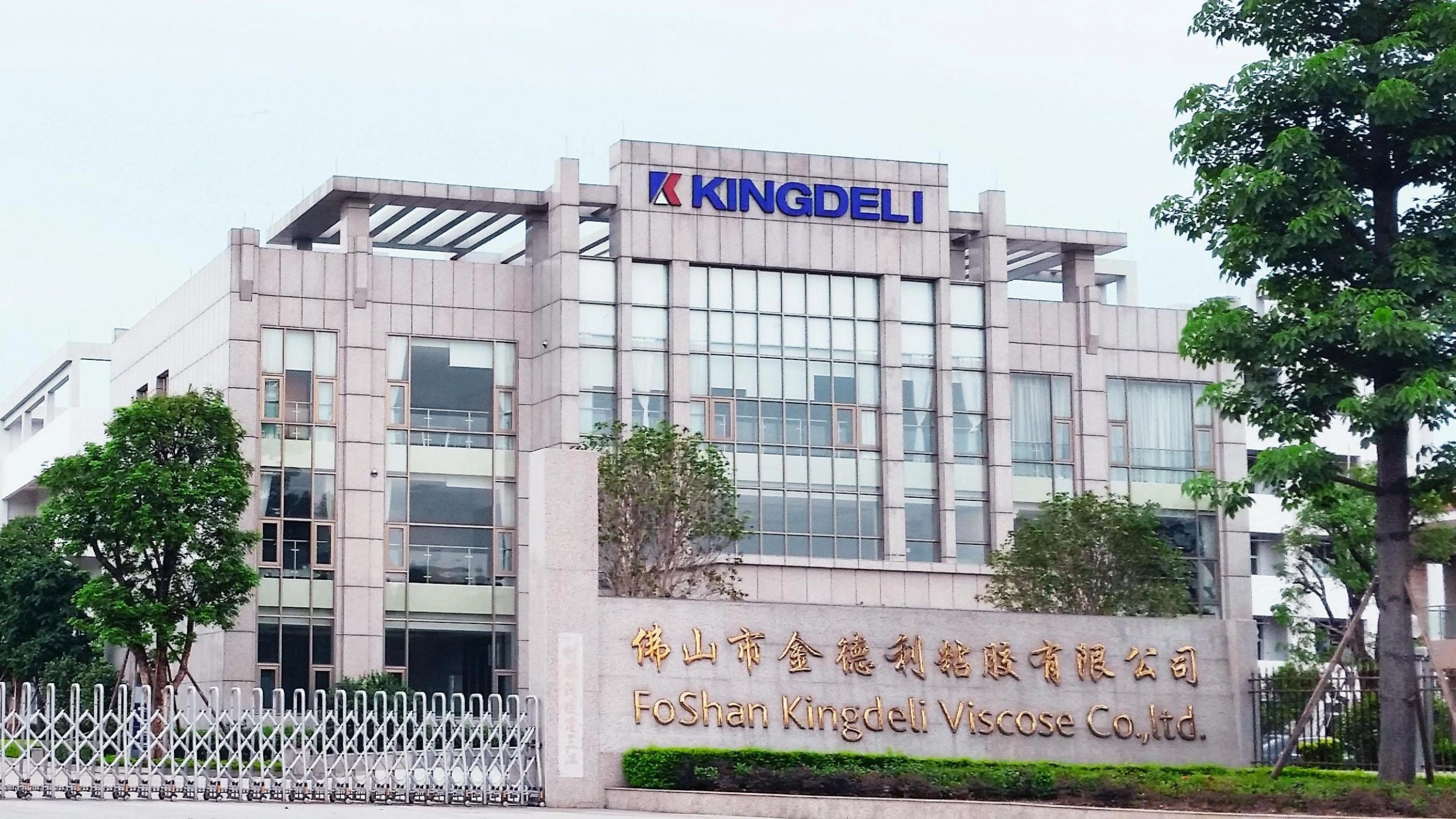
Since 1998, KINGDELI has delivered trusted, sustainable sealant solutions that connect industries and inspire progress worldwide.
Whatsapp: +8618825946249
Kingdeli
Kingdeli
Kingdeli
Kingdeli
Kingdeli