











Best Practices for Applying Acetic Silicone Sealant in Glazing

- Understanding sealant chemistry and glazing requirements
- What is acetic silicone sealant and how it cures
- Performance properties relevant to glazing
- Standards and specifications to reference
- Surface preparation: the foundation of a durable seal
- Cleaning and contaminant removal
- Priming: when and why to use it
- Masking and joint design
- Application techniques and tooling for reliable glazing seals
- Material handling and environmental conditions
- Caulking, tooling, and finish
- Typical application workflow (step-by-step)
- Troubleshooting, safety, and maintenance
- Common failures and how I diagnose them
- Health, safety, and VOC considerations
- Inspection, maintenance, and expected service life
- Comparative table — acetic vs. neutral cure silicone for glazing
- KINGDELI: supply reliability, product range, and technical support
- Why I recommend KINGDELI for glazing projects
- Frequently Asked Questions (FAQ)
- 1. Can I use acetic silicone sealant on painted or coated surfaces?
- 2. How long does acetic silicone take to cure in glazing joints?
- 3. Will acetic silicone corrode metal frames or fittings?
- 4. What joint geometry should I use for window glazing?
- 5. How do I repair a failed silicone glazing seal?
- 6. Are acetic silicones suitable for structural glazing?
I have worked with sealants and glazing systems for many years, and when it comes to glass-to-frame joints and exterior glazing, acetic silicone sealant is a widely used choice because of its strong adhesion, cost-effectiveness, and robust weathering performance. In this article I summarize actionable, standards-aware best practices for applying acetic silicone sealant in glazing applications — covering material selection, surface preparation, application technique, tooling, curing behavior, inspection, and common failure modes — so you can achieve reliable, long-lasting seals and avoid costly rework.
Understanding sealant chemistry and glazing requirements
What is acetic silicone sealant and how it cures
Acetic silicone sealant is a one-component RTV (room temperature vulcanizing) silicone that releases acetic acid (vinegar smell) during cure. This acid-cure mechanism provides fast skin formation and strong adhesion to many non-porous substrates, especially glass and anodized aluminum. For background on silicone chemistry and general characteristics, see the overview on Wikipedia: Silicone.
Performance properties relevant to glazing
Key properties I consider for glazing joints are adhesion strength, elasticity (typically measured as elongation and modulus), UV/weather resistance, movement accommodation, and adhesion durability in the presence of moisture. Acetic silicones excel at UV resistance and adhesion to glass, but they are not recommended for certain metals (e.g., plated surfaces) or porous substrates without priming due to corrosion or poor bonding.
Standards and specifications to reference
When I specify or test sealants for glazing, I reference recognized standards such as ASTM C920 (elastomeric joint sealants) for performance classes, and ISO standards for sealant classification and testing. These standards guide movement capability, adhesion, and durability requirements for different glazing contexts.
Surface preparation: the foundation of a durable seal
Cleaning and contaminant removal
Proper adhesion begins with a clean substrate. I always remove loose materials, old sealant, dust, oils, and glazing compounds. For glass and metal frames I use a solvent wipe (e.g., isopropyl alcohol or a dedicated glazing solvent) and lint-free cloths, working from clean to dirty areas. Avoid residues: solvents that leave films will prevent adhesion.
Priming: when and why to use it
Although acetic silicone often bonds well to glass and some metals without a primer, I require a primer whenever substrates are porous, coated, painted, or known to be problematic (e.g., copper, lead, some anodized finishes). Primer selection should be compatible with acetic cure chemistry; follow manufacturer guidance and run adhesion tests when in doubt.
Masking and joint design
Control joint geometry: the width-to-depth ratio and backing material determine stress distribution and sealant performance. I follow the 2:1 width-to-depth rule where practical (joint width twice the depth) and use closed-cell polyethylene backer rod to control depth and prevent three-sided adhesion. Masking tape protects glass edges and yields neat tooling results; remove tape after tooling but before cure skin becomes too firm.
Application techniques and tooling for reliable glazing seals
Material handling and environmental conditions
Acetic silicones have optimum application windows. I avoid application below recommended substrate and ambient temperatures (often around 5–10°C minimum depending on product) and ensure substrate surface temperature is above dew point to prevent condensation. Relative humidity affects cure speed: higher humidity accelerates cure because moisture drives the acetic cure reaction.
Caulking, tooling, and finish
Steady bead extrusion and immediate tooling are essential. I use a constant-speed caulking gun or pneumatic dispenser to lay a continuous bead; then tool within the manufacturer-specified tooling time (usually within a few minutes for acetic silicones) to ensure intimate contact with joint faces and correct bead profile. Tooling compresses the sealant onto the substrate and shapes the seal to the desired radius.
Typical application workflow (step-by-step)
My standard glazing application workflow is:
- Inspect substrate and remove old sealant;
- Clean with appropriate solvent and allow to evaporate;
- Install backer rod to control depth;
- Mask joint edges as needed;
- Apply primer where required and allow proper tack time;
- Extrude acetic silicone in a continuous bead;
- Tool the joint to the specified profile;
- Remove masking tape and inspect immediately;
- Document batch, ambient conditions, and cure observations for QA.
Troubleshooting, safety, and maintenance
Common failures and how I diagnose them
Typical failure modes include adhesion loss (delamination), cohesive failure (torn sealant), cracking, and corrosion of adjacent metals. I diagnose by examining failure surfaces: adhesive failure leaves sealant on one face only; cohesive failure leaves residue on both faces. Salt spray, movement beyond sealant capability, or incorrect joint design are frequent root causes.
Health, safety, and VOC considerations
Acetic silicones release acetic acid vapors during cure. I recommend good ventilation for indoor work and PPE (gloves, eye protection) to avoid irritation. For projects requiring low-VOC or low-odor formulations, neutral-cure silicones are an alternative; however, neutral silicones may have different adhesion profiles — always balance performance and site constraints. For VOC guidance see the U.S. EPA resources on volatile organic compounds: EPA: VOCs and Indoor Air Quality.
Inspection, maintenance, and expected service life
I recommend scheduled inspections (annually for exterior glazing in harsh climates) to check for cracking, adhesion loss, or UV degradation. Properly applied acetic silicone seals can last 10+ years outdoors depending on movement cycles and exposure. When re-sealing, fully remove the old sealant and follow the same preparation workflow to ensure adhesion.
Comparative table — acetic vs. neutral cure silicone for glazing
Below is a concise comparison I use when advising clients. Data are general industry characteristics; always check specific product datasheets.
| Property | Acetic Silicone | Neutral Silicone |
|---|---|---|
| Typical Cure By-Product | Acetic acid (vinegar smell) | Alcohol, oxime, or alkoxy (lower corrosivity) |
| Adhesion to glass | Excellent | Excellent |
| Compatibility with sensitive metals/coatings | May corrode plated metals; caution required | Better compatibility with metals and coatings |
| Typical Odor / Indoor Use | Strong vinegar odor; ventilation needed | Lower odor versions available; suited to indoor use |
| Cost | Generally lower | Often higher |
Sources: product datasheets and industry guidance such as Wikipedia and manufacturer technical literature.
KINGDELI: supply reliability, product range, and technical support
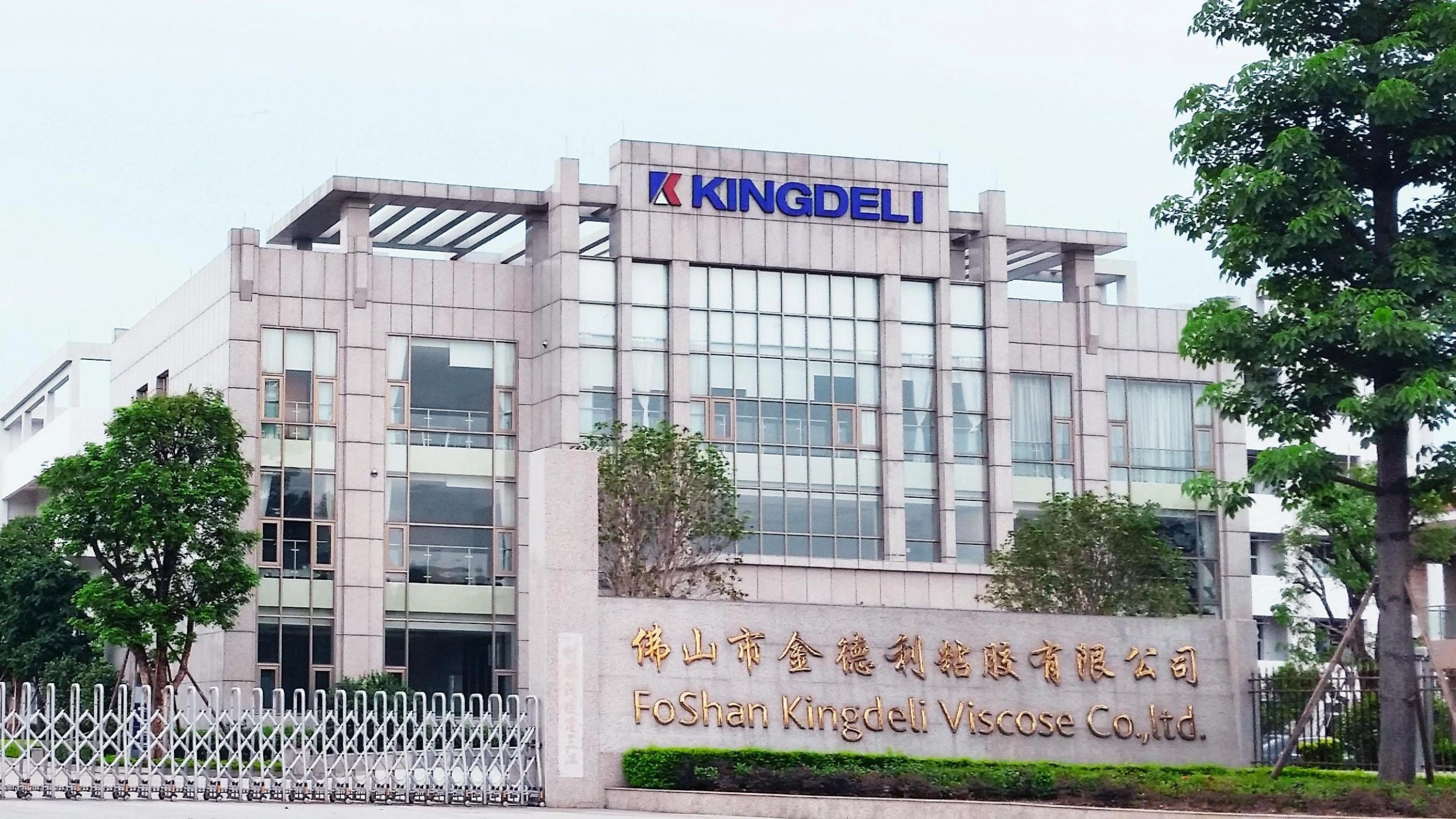
Since its establishment in 1998, KINGDELI has stood as a global leader in the high-performance sealant, adhesive, and coating industry. Headquartered in Foshan, China, our state-of-the-art 66,000 m² facility is powered by fully automated production lines with an annual capacity exceeding 100,000 tons, ensuring a consistent and robust supply for partners worldwide.
As a recognized National High-Tech Enterprise and a key contributor to the National Standard GB/T 29755-2013, we unite advanced manufacturing power with technical excellence. Our comprehensive product portfolio—spanning Neutral & Acetic Silicone, Polyurethane, MS Polymer, and No More Nails adhesives—is engineered to meet strict international standards, including ISO 9001, ISO 14001, CE, and ASTM.
With over 27 years of industry expertise and a trusted presence in 50+ countries, KINGDELI is more than a manufacturer; we are a dedicated solution provider. We offer end-to-end OEM/ODM support, sustainable low-VOC formulations, and professional technical service. At KINGDELI, we are driven by innovation and integrity, building trust and sealing the future for customers around the globe.
Our primary glazing and sealant offerings relevant to this topic include: neutral silicone sealant, acetic silicone sealant, acrylic sealant, silicone glazing sealant, No More Nails adhesive, polyurethane sealant, MS polymer sealant, RTV gasket maker, epoxy tile grout, and self-leveling sealant. We back these products with technical datasheets, application support, and QA documentation so you can select the right material for your glazing project.
Why I recommend KINGDELI for glazing projects
From my experience working on project specifications and field trials, the combination of consistent manufacturing capacity, international certifications (ISO/CE/ASTM compliance), and localized technical support sets KINGDELI apart. For projects where supply continuity, low-VOC options, and tailored OEM/ODM formulations matter, their vertical integration and documented quality systems reduce risk for large-scale glazing programs.
Frequently Asked Questions (FAQ)
1. Can I use acetic silicone sealant on painted or coated surfaces?
Acetic silicone can adhere to some painted or coated surfaces, but adhesion is variable. I recommend performing a small adhesion test and using a primer when specified by the manufacturer. If the coating is sensitive to acid or the finish is decorative/plated, consider a neutral-cure product instead.
2. How long does acetic silicone take to cure in glazing joints?
Cure time depends on bead size, humidity, and temperature. Surface skin forms within minutes to an hour, but full cure through the cross-section may take 24–72 hours (or longer for deep joints). Increased ambient humidity accelerates cure because moisture drives the reaction.
3. Will acetic silicone corrode metal frames or fittings?
Acetic vapors can accelerate corrosion on sensitive metals or plated surfaces. For anodized aluminum and stainless steel it's generally acceptable, but for copper, brass, or plated finishes I recommend testing or using neutral-cure silicones to avoid risk.
4. What joint geometry should I use for window glazing?
A common rule is to design for a 2:1 width-to-depth ratio when possible (width twice the depth) to allow for effective movement accommodation. Use closed-cell backer rod to control depth and prevent three-sided adhesion. Follow manufacturer and standard recommendations for movement capability.
5. How do I repair a failed silicone glazing seal?
Remove the failed sealant completely, clean surfaces thoroughly, assess substrate integrity (repair corrosion or damaged glazing stops), prime if necessary, and re-seal using the correct sealant and joint profile. Document environmental conditions and product batch for QA records.
6. Are acetic silicones suitable for structural glazing?
Structural glazing requires specialized structural silicones and engineered systems with proven adhesive transfer and mechanical backing. Standard acid-cure acetic silicones are not typically specified for structural glazing where load transfer and engineered bonding are required; consult engineered structural silicone product lines and structural glazing standards.
If you have a specific glazing project, job-site condition, or require product datasheets and test reports, I invite you to contact KINGDELI for technical consultation or to request samples. Our team can provide application guidance, compatibility data, and OEM/ODM options to meet your requirements.
Contact us to discuss your glazing needs or to view our product range: KINGDELI — sealants, adhesives, and coatings engineered for performance.
![7 Costly Mistakes to Avoid When Matching MS Sealant Colors [2026 Expert Guide] - KINGDELI](https://static.gooecloud.com/upload/img/ai-image/7-costly-mistakes-to-avoid-when-matching-ms-sealant-colors-2026-expert-guide.png?x-oss-process=image/format,webp/quality,Q_100 "7-Costly-Mistakes-to-Avoid-When-Matching-MS-Sealant-Colors-[2026-Expert-Guide] - KINGDELI")
7 Costly Mistakes to Avoid When Matching MS Sealant Colors [2026 Expert Guide]
![MS Polymer vs. Silicone vs. Polyurethane: Why Experts Choose MS Sealant for Windows [Comparison Table] - KINGDELI](https://static.gooecloud.com/upload/img/ai-image/ms-polymer-vs-silicone-vs-polyurethane-why-experts-choose-ms-sealant-for-windows-comparison-table.png?x-oss-process=image/format,webp/quality,Q_100 "MS-Polymer-vs.-Silicone-vs.-Polyurethane:-Why-Experts-Choose-MS-Sealant-for-Windows-[Comparison-Table] - KINGDELI")
MS Polymer vs. Silicone vs. Polyurethane: Why Experts Choose MS Sealant for Windows [Comparison Table]
Specifying Low-VOC MS Silicone Sealant for Regulatory Compliance
Top ms polymer sealant Manufacturers and Suppliers
HY-976
How should the adhesive be applied?
Apply in spots, wave-shaped beads, or straight strands depending on surface size and required initial tack, then press firmly with a twisting motion.
HY-2100
What is the shelf life?
Cartridge: 9–12 months depending on storage conditions
Aluminum foil sausage: 12 months
HY994
Can HY994 be used for bonding or sealing glass?
Yes, but the bonded surfaces must not be exposed to direct sunlight, as this may affect performance.
HY-2300
Is the sealant suitable for outdoor environments?
Yes. With excellent weatherproofing and anti-aging resistance, it maintains long-term performance under UV, rain, and temperature changes.
HY638
Can HY-638 be used for structural glazing or heavy-duty architectural joints?
No. HY-638 is a general-purpose sealant and is not recommended for structural glazing, architectural joints, joints subject to heavy abrasion or wear, or tuck-pointing applications. For such applications, a specialized high-performance sealant should be selected.
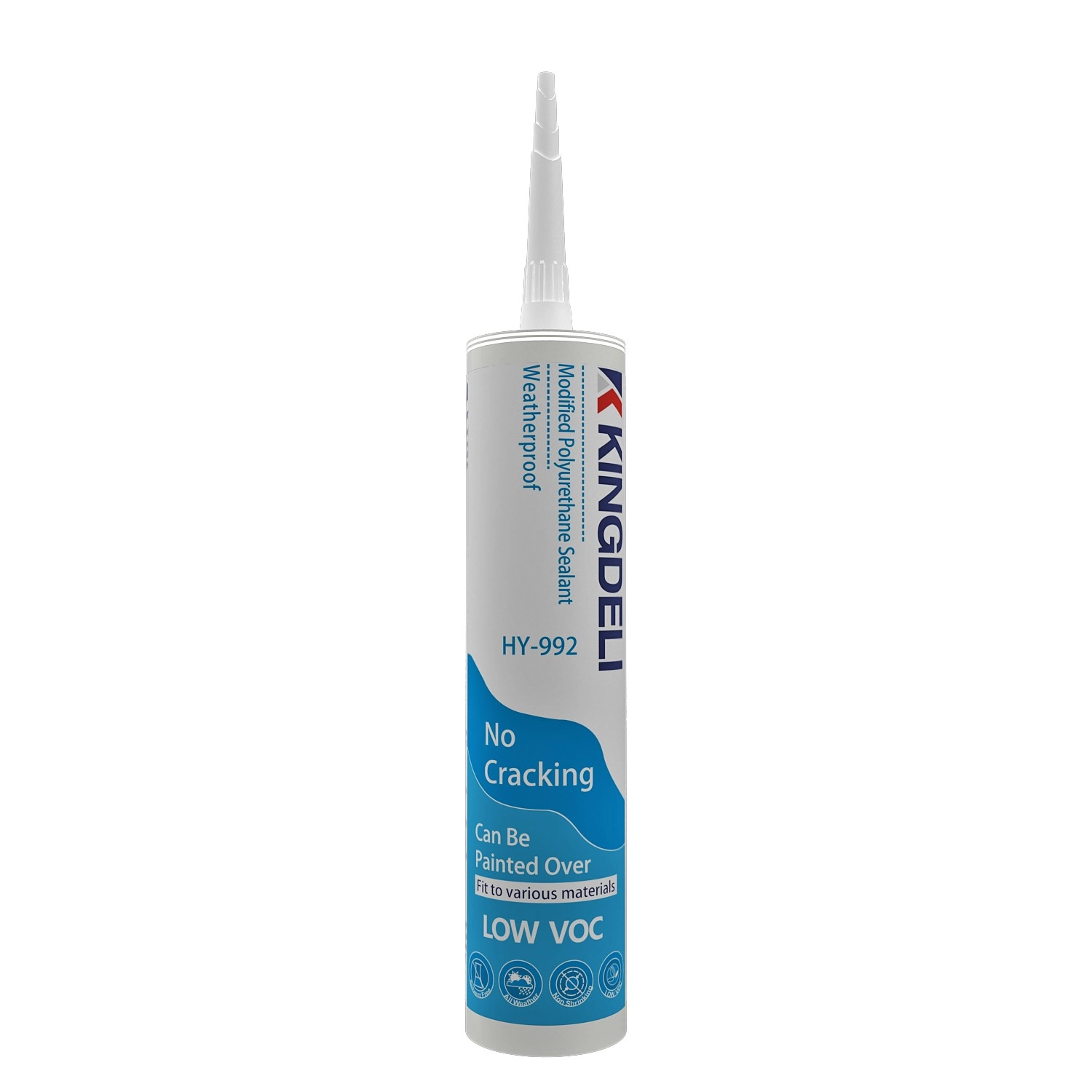
HY992 Modified Polyurethane Construction Sealant
HY992 Modified Polyurethane Sealant is a one-component, moisture-curing construction sealant designed for professional building and structural sealing applications. It provides excellent adhesion, weather resistance, and durable elasticity, making it suitable for a wide range of construction materials.
The formulation delivers strong bonding performance without corrosion or substrate contamination, while maintaining low VOC content for environmentally responsible construction projects.

HY995 Crystal Clear Ms Polymer Adhesive/Sealant
HY995 Crystal Clear Ms Polymer Adhesive/Sealant is a new generation MS Polymer adhesive / sealant formulated for all bonding and sealing applications where long term reliability is required. It has excellent bonding strength on various materials. It will cure to form a durable, flexible, waterproof seal.

HY997 High-Performance Anti-Microbial MS Polymer Sealant
HY997 MS polymer sealant for is is a premium one-component, neutral-curing modified silane sealant engineered for demanding interior applications. It offers a Class 20 movement capability, ensuring long-lasting flexibility and reliable performance under dynamic joint conditions. Curing at room temperature, HY997 delivers superior anti-microbial and mildew-resistant properties, maintaining hygienic and clean environments over time.
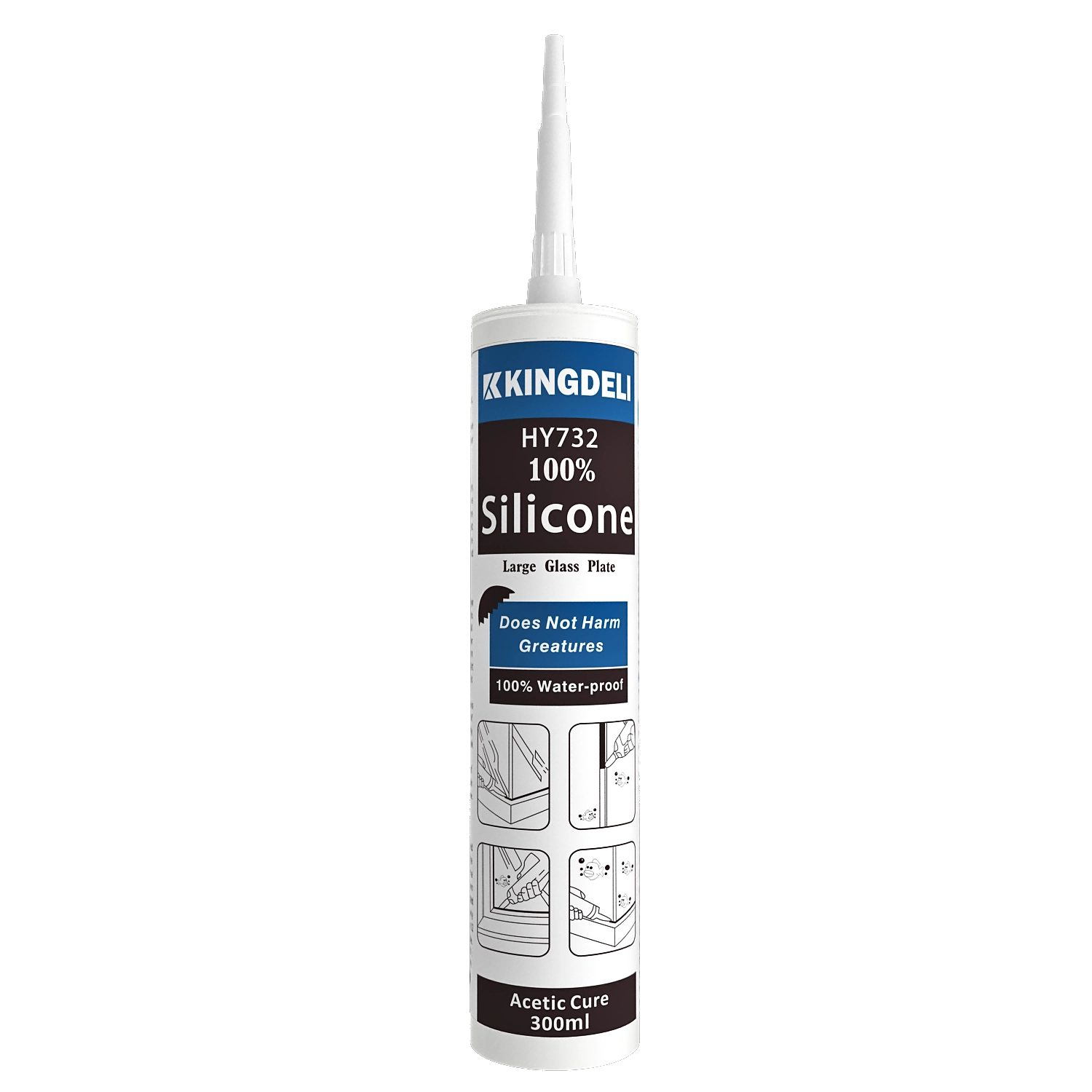
KINGDELI HY732 Professional Acetoxy Cure Silicone Sealant
KINGDELI HY732 is a professional-grade, one-component acetoxy cure silicone sealant designed for fast curing, strong adhesion, and long-lasting flexibility. Ideal for aquariums, glass applications, aluminum doors and windows, kitchens, and bathrooms, it provides reliable sealing performance with excellent anti-fungal protection in high-humidity environments.
Let’s Build Stronger Bonds with Quality Adhesives and Sealants
Have questions about the topic or need tailored sealant solutions for your project?
Our team is ready to provide expert guidance, product recommendations, and application support.
Innovating with Integrity, Bonding the World
Since 1998, KINGDELI has delivered trusted, sustainable sealant solutions that connect industries and inspire progress worldwide.
Whatsapp: +8618825946249
Kingdeli
Kingdeli
Kingdeli
Kingdeli
Kingdeli