











Application Equipment and Tools for Efficient Silicone Sealing

- Understanding Sealant Chemistry and Surface Preparation
- Why acetic silicone sealant behaves differently
- Surface preparation: the non-negotiable step
- Choosing backing materials and joint design
- Selecting Application Equipment
- Types of applicators: manual, pneumatic, battery, and gear/ratchet
- Nozzles, tip geometry, and flow control
- Equipment comparison
- Best Practices for Efficient Silicone Sealing
- Setting up for consistent bead quality
- Technique: steady movement and proper tooling
- Quality control: visual inspection and adhesion testing
- Maintenance, Safety, and Troubleshooting
- Routine maintenance of applicators
- Handling safety and VOC considerations
- Troubleshooting common on-site issues
- KINGDELI: Production Capacity, Standards, and Product Support
- How KINGDELI supports applicator success
- FAQ — Common Questions About Application Equipment and Acetic Silicone Sealant
- 1. Can I use any caulking gun for acetic silicone sealant?
- 2. Is acetic silicone sealant compatible with metal substrates?
- 3. How do I prevent three-sided adhesion?
- 4. What maintenance is required for pneumatic or battery guns?
- 5. How should I choose nozzle size for a particular joint?
- 6. Are there standards that govern sealant testing and application?
- Contact and Next Steps
In my work advising contractors, glazing teams, and industrial manufacturers across projects that range from architectural façades to sanitary installations, the right equipment often determines whether a joint performs for years or fails prematurely. This is especially true when using acetic silicone sealant: a widely used, fast-curing silicone whose properties demand specific handling, tooling, and surface preparation strategies. Below I distill hands-on experience, industry references, and practical checklists to help you choose the right application equipment, apply silicone efficiently, and achieve durable, inspectable joints.
Understanding Sealant Chemistry and Surface Preparation
Why acetic silicone sealant behaves differently
Acetic silicone sealant cures by releasing acetic acid (vinegar odor) to crosslink the polymer. This curing mechanism gives acetic silicones excellent adhesion to many non-porous substrates (glass, glazed tiles, some metals) and fast tack formation. However, the acid by-product can corrode susceptible metals (e.g., copper, brass) and react with alkaline substrates (fresh concrete), so substrate compatibility must be verified before application. For an overview of silicone chemistry, see the general silicone entry on Wikipedia.
Surface preparation: the non-negotiable step
Proper surface cleaning and priming account for a large portion of long-term performance. From my field audits, failures attributed to application technique are frequently avoidable by following a structured preparation protocol: remove old sealant, degrease with a suitable solvent, abrade or roughen glazed surfaces when recommended, and apply primer where indicated by the sealant technical data sheet (TDS). Always check manufacturer guidance — acetic silicone sealant may require a different primer than neutral cure silicones.
Choosing backing materials and joint design
Correct joint geometry and backing material selection (e.g., closed-cell polyethylene foam backer rod) control sealant volume, prevent three-sided adhesion, and help achieve the recommended width-to-depth ratio (commonly 2:1). Even the best caulking gun will not compensate for an undersized or incorrectly backed joint.
Selecting Application Equipment
Types of applicators: manual, pneumatic, battery, and gear/ratchet
When specifying equipment, consider production volume, cartridge/tube size, ergonomics, and the viscosity of the acetic silicone sealant. I typically recommend:
- Manual caulking guns (ratchet or smooth rod) for small jobs and maintenance.
- Pneumatic guns for assembly-line consistency and high throughput in glazing shops.
- Battery-powered cordless guns for mobility and medium-to-high volume fieldwork.
- Bulk piston or drum dispensers for continuous production and large-volume applications.
Nozzles, tip geometry, and flow control
Nozzle shape controls bead profile and extrusion rate. I favor conical nozzles for general sealing and flat-oval or custom-cut nozzles when matching a flush finish is critical. Adjustable flow controls (on pneumatic and battery guns) reduce waste and improve bead consistency—important for acetic silicone sealant which skins rapidly in some climates.
Equipment comparison
The following table summarizes typical suitability and practical considerations for common applicators. Characteristics reflect typical field experience and manufacturer guidance; for detailed specs consult model datasheets.
| Applicator | Best for | Pros | Cons |
|---|---|---|---|
| Manual (ratchet/smooth rod) | Small jobs, repairs | Low cost, simple maintenance | Operator fatigue, inconsistent bead on long runs |
| Pneumatic | High-volume glazing, factory lines | Very consistent flow, adjustable pressure | Requires compressor, higher initial cost |
| Battery (cordless) | Fieldwork with moderate to high volume | Portable, reduced fatigue, consistent output | Battery life limits, higher weight |
| Bulk piston/drum dispenser | Continuous large-batch application | Low downtime, cost-effective for high volume | Capital investment, limited mobility |
For standards and best practices on tools and quality management systems, see ISO 9001 and consult relevant ASTM standards at ASTM International.
Best Practices for Efficient Silicone Sealing
Setting up for consistent bead quality
My teams use checklists before every shift: confirm cartridge batch and pot life, check substrate temperature (sealant properties are temperature-dependent), select correct nozzle size, and set gun pressure or gear ratio. For acetic silicone sealant, ambient humidity affects cure speed—higher humidity generally increases cure rate—so plan bead sequencing accordingly.
Technique: steady movement and proper tooling
Maintain steady gun angle (about 45° for many joints) and speed. Too slow increases bead height and can trap solvents; too fast can create voids and poor substrate contact. Use tooling spatulas of the right shore hardness to tool the bead before skin forms—ideally within the tooling window recommended in the TDS.
Quality control: visual inspection and adhesion testing
Visual inspection—checking for pinholes, discontinuities, or contamination—should be followed by adhesion tests in critical systems. For construction and façade projects I recommend periodic pull-off tests per project specifications and retaining samples for long-term monitoring. Document each batch and equipment setting to ensure traceability and help diagnose any failures.
Maintenance, Safety, and Troubleshooting
Routine maintenance of applicators
Clean guns daily when using acetic silicone sealant to prevent cured silicone buildup that affects flow. For pneumatic guns, maintain compressor filters and lubricators per manufacturer guidance. For battery guns, follow recommended charging cycles to maximize operational life.
Handling safety and VOC considerations
Acetic silicone sealant emits acetic acid during cure; ensure adequate ventilation and use personal protective equipment (PPE) when required. For projects with indoor air quality concerns, consider low-VOC formulations—litigation and regulatory frameworks increasingly favor lower-emission products. For policy and VOC context, refer to the US EPA guidance on volatile organic compounds: EPA - VOCs and indoor air quality.
Troubleshooting common on-site issues
Common problems include poor adhesion (often contamination or wrong primer), bubbling (outgassing from substrates or moisture trapped under the sealant), and premature skinning (high temperature/humidity). I recommend systematic root-cause steps: sample the failed bead, check substrate surface energy, review cure conditions, and test alternate primers or neutral-cure alternatives when substrate compatibility is a concern.
KINGDELI: Production Capacity, Standards, and Product Support
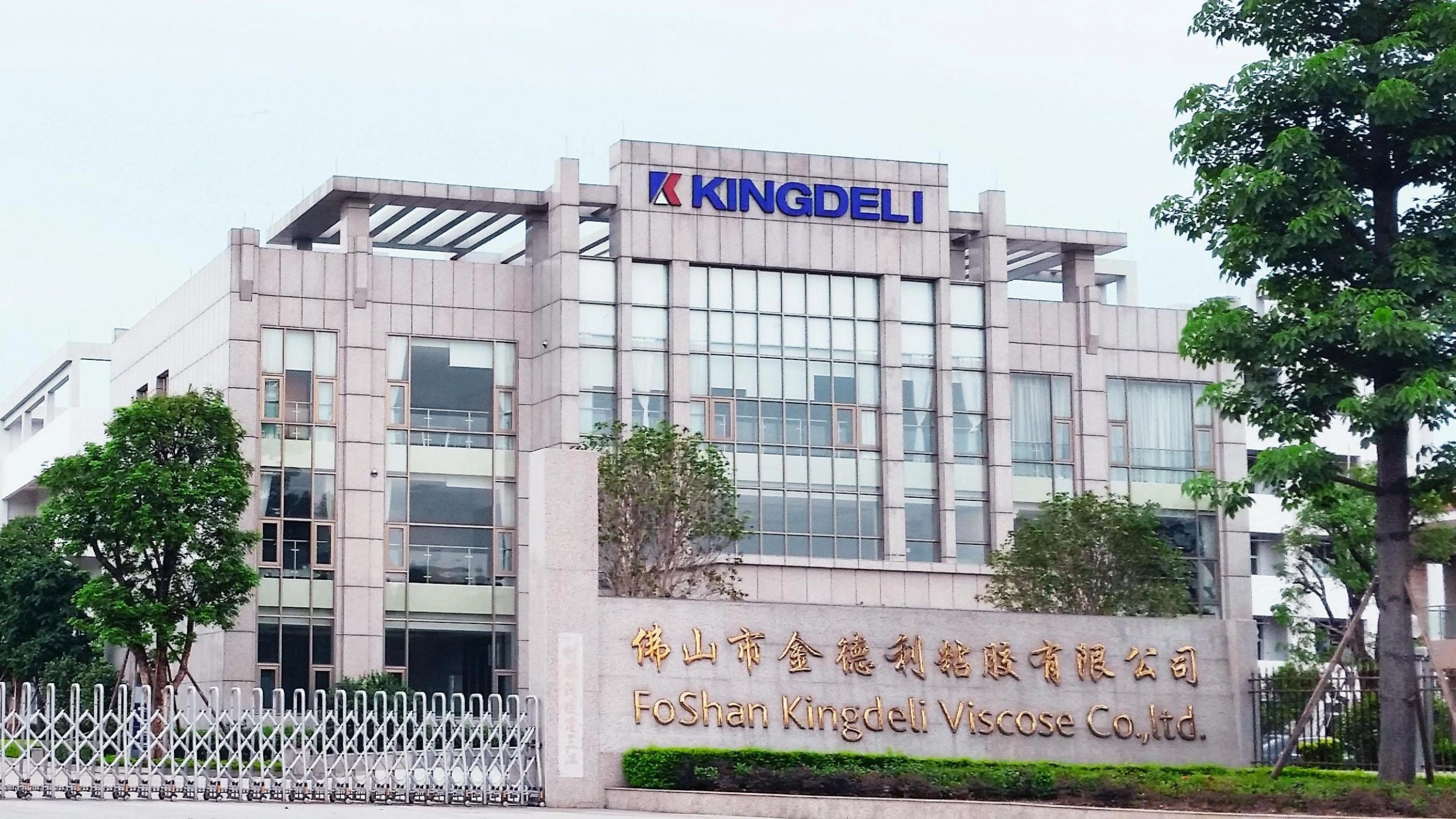
Since its establishment in 1998, KINGDELI has stood as a global leader in the high-performance sealant, adhesive, and coating industry. Headquartered in Foshan, China, our state-of-the-art 66,000 m² facility is powered by fully automated production lines with an annual capacity exceeding 100,000 tons, ensuring a consistent and robust supply for partners worldwide.
As a recognized National High-Tech Enterprise and a key contributor to the National Standard GB/T 29755-2013, we unite advanced manufacturing power with technical excellence. Our comprehensive product portfolio—spanning Neutral & Acetic Silicone, Polyurethane, MS Polymer, and No More Nails adhesives—is engineered to meet strict international standards, including ISO 9001, ISO 14001, CE, and ASTM.
With over 27 years of industry expertise and a trusted presence in 50+ countries, KINGDELI is more than a manufacturer; we are a dedicated solution provider. We offer end-to-end OEM/ODM support, sustainable low-VOC formulations, and professional technical service. At KINGDELI, we are driven by innovation and integrity, building trust and sealing the future for customers around the globe.
KINGDELI’s core product strengths include neutral silicone sealant, acetic silicone sealant, Acrylic Sealant, silicone glazing sealant, No More Nails adhesive, Polyurethane Sealant, MS polymer Sealant, RTV Gasket Maker, Epoxy Tile Grout, and Self-Leveling Sealant. Our competitive edge comes from combined advantages in production scale, R&D collaboration on national standards, and ready OEM/ODM support that helps specifiers and distributors get tailored solutions with consistent supply.
How KINGDELI supports applicator success
Beyond reliable product supply, I’ve worked with KINGDELI’s technical team to develop application guides, recommended tooling lists, and on-site training that bridge the gap between lab performance and field results. When specifying acetic silicone sealant for glazing or sanitary applications, ask for TDS, cure profiles, recommended primers, and application window data to optimize your equipment choice.
FAQ — Common Questions About Application Equipment and Acetic Silicone Sealant
1. Can I use any caulking gun for acetic silicone sealant?
Short answer: no. While you can extrude acetic silicone with most standard guns, choose a gun that matches job volume and cartridge size. For long continuous runs or production glazing, pneumatic or battery-powered guns give consistent flow and less operator fatigue. For small repairs, a manual gun is adequate.
2. Is acetic silicone sealant compatible with metal substrates?
Acetic silicone generally adheres well to glass and many glazed surfaces, but the acetic acid by-product can corrode reactive metals (e.g., copper, brass) over time. Always verify compatibility with the substrate and consider neutral-cure silicone or apply a suitable primer when metals are involved.
3. How do I prevent three-sided adhesion?
Use a closed-cell backer rod to create a bond-breaker and maintain the correct width-to-depth ratio (often 2:1). Do not use porous backer rods that allow sealant to wick through and bond to the back surface.
4. What maintenance is required for pneumatic or battery guns?
For pneumatic guns: keep the air supply dry and filtered, check lubricators, and follow the manufacturer's maintenance routines. For battery guns: maintain battery charge cycles and replace worn drive components. Clean all applicators daily to remove uncured silicone.
5. How should I choose nozzle size for a particular joint?
Select a nozzle that matches the joint dimensions and desired bead profile. Larger joints need wide, flat nozzles and may require tooling to compress the bead. Always cut the nozzle progressively to reach the desired bead width and check the paste flow before starting critical runs.
6. Are there standards that govern sealant testing and application?
Yes. Industry standards from ASTM International and national standards bodies provide test methods for adhesion, tensile properties, and long-term durability. For quality systems, ISO 9001 is a common benchmark. KINGDELI has contributed to national standards and operates under internationally recognized certifications.
Contact and Next Steps
If you are specifying acetic silicone sealant for a project and want a recommended list of applicators, nozzle selections, or on-site training, I invite you to contact KINGDELI’s technical team for detailed product data sheets, equipment catalogs, and test reports. For urgent inquiry or a quotation, contact our sales and technical support to arrange sample trials and on-site commissioning—ensuring your application is efficient, repeatable, and durable.
Call or email our technical team to discuss specific project constraints (substrates, joint geometry, environmental exposure), and we will recommend the best combination of acetic silicone sealant grade and application equipment to meet your performance and production goals.
Top 10 high temperature sealant silicone Manufacturers and Supplier Brands in Hardware and Building Materials
Storage, Handling and Shelf Life for Acetic Silicone Sealants
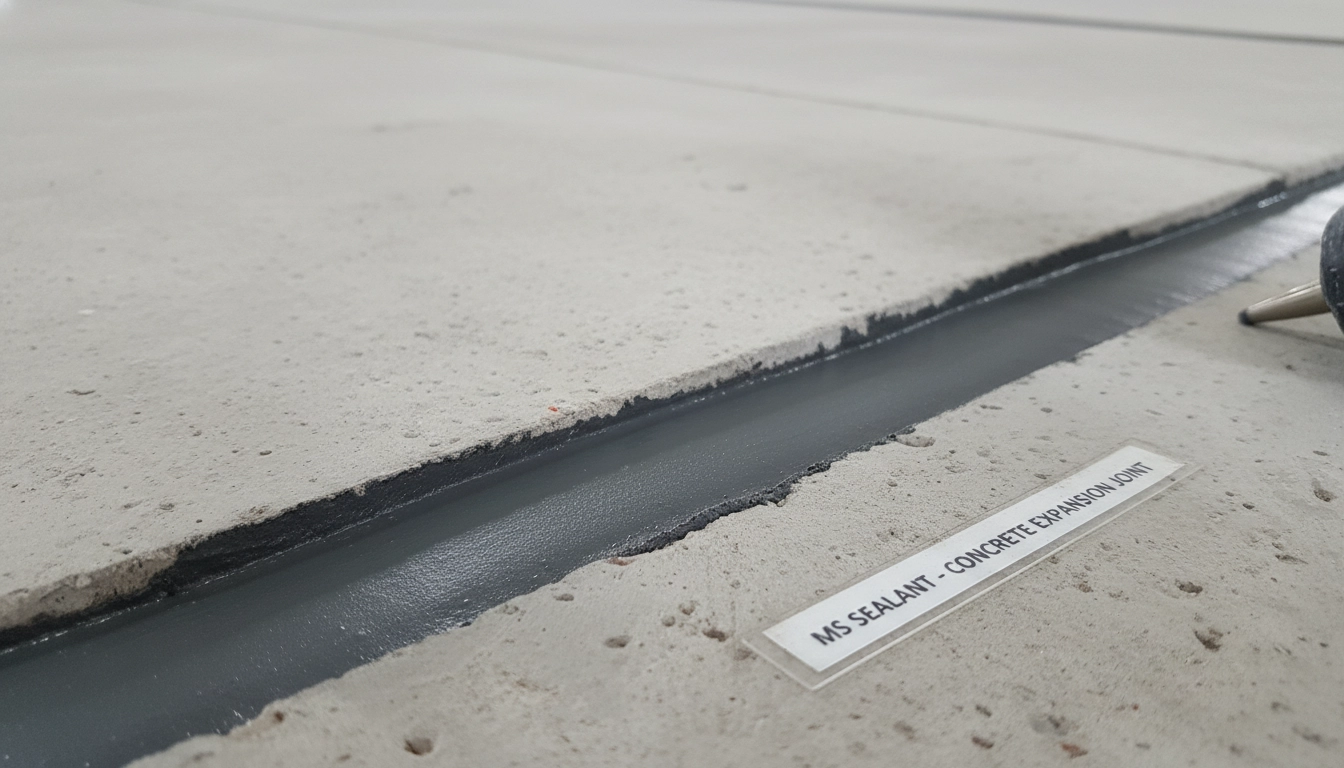
How to Use MS Sealant for Concrete: A Step-by-Step Professional Checklist (2026 Guide)
Best ms polymer sealant manufacturers and supplier brands in Automotive Solutions
HY722B
What substrates does HY-722B adhere to?
It provides strong adhesion to glass, wood, metals, UPVC, and coated frames. Substrates should be clean, dry, and free of oil or dust.
HY732
Can it be used for repair work?
Yes, HY732 is suitable for sealing and repair work on glass-related applications, including joints, gaps, and fixture sealing.
HY924
Can the windshield be replaced easily after curing?
Yes. HY924 cures to a flexible, soft elastomer that can be easily cut for windshield removal and replacement.
HY994
Can HY994 be used for bonding or sealing glass?
Yes, but the bonded surfaces must not be exposed to direct sunlight, as this may affect performance.
HY997
Where can this sealant be used?
HY997 is mainly designed for indoor sanitary and moisture-prone areas, including:
-
Kitchens – sinks, countertops, cabinets, and cooktops
-
Bathrooms – bathtubs, wash basins, shower enclosures, and toilets
-
Laboratories and cold storage areas
-
Other areas requiring waterproof and mildew-resistant sealing
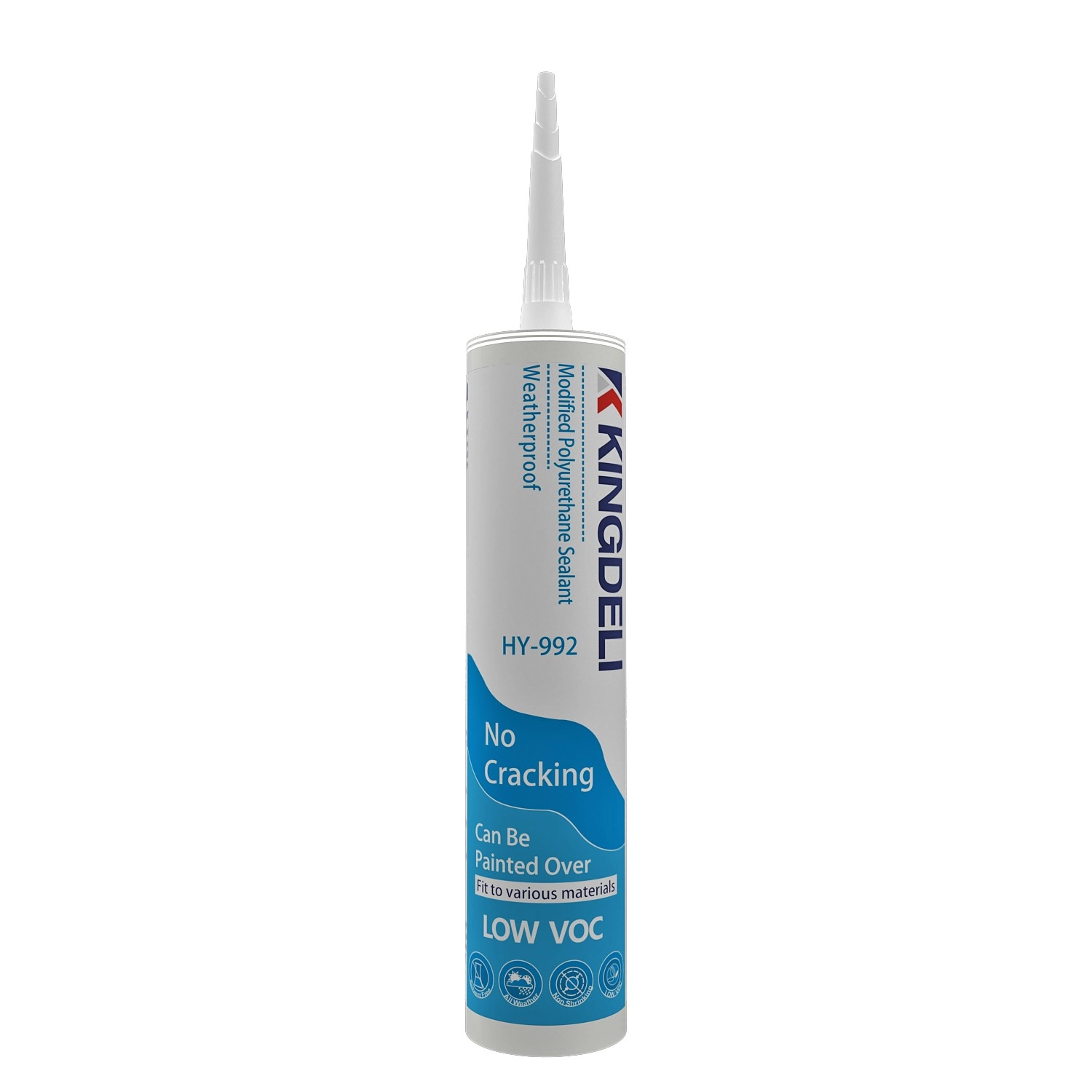
HY992 Modified Polyurethane Construction Sealant
HY992 Modified Polyurethane Sealant is a one-component, moisture-curing construction sealant designed for professional building and structural sealing applications. It provides excellent adhesion, weather resistance, and durable elasticity, making it suitable for a wide range of construction materials.
The formulation delivers strong bonding performance without corrosion or substrate contamination, while maintaining low VOC content for environmentally responsible construction projects.

HY995 Crystal Clear Ms Polymer Adhesive/Sealant
HY995 Crystal Clear Ms Polymer Adhesive/Sealant is a new generation MS Polymer adhesive / sealant formulated for all bonding and sealing applications where long term reliability is required. It has excellent bonding strength on various materials. It will cure to form a durable, flexible, waterproof seal.

HY997 High-Performance Anti-Microbial MS Polymer Sealant
HY997 MS polymer sealant for is is a premium one-component, neutral-curing modified silane sealant engineered for demanding interior applications. It offers a Class 20 movement capability, ensuring long-lasting flexibility and reliable performance under dynamic joint conditions. Curing at room temperature, HY997 delivers superior anti-microbial and mildew-resistant properties, maintaining hygienic and clean environments over time.
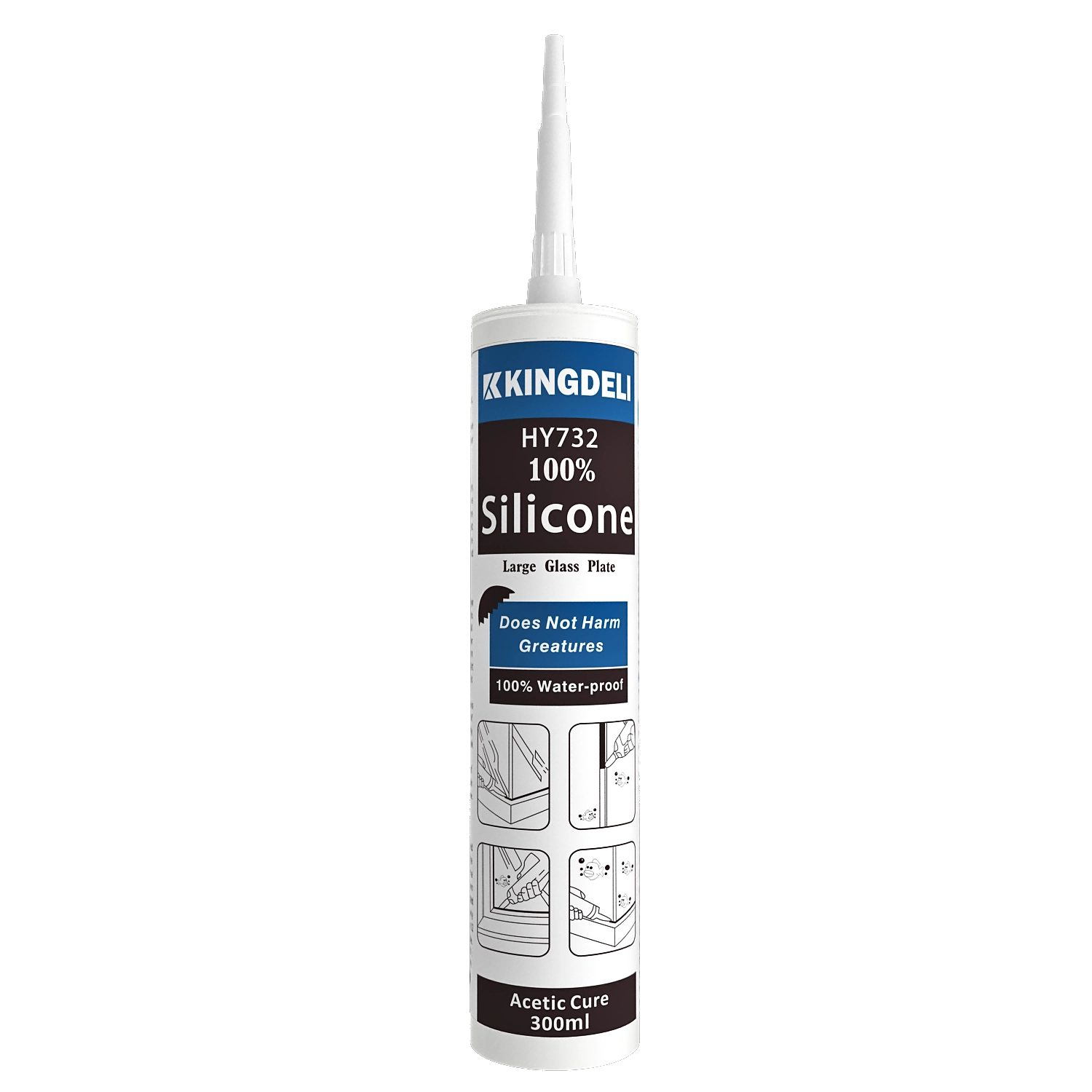
KINGDELI HY732 Professional Acetoxy Cure Silicone Sealant
KINGDELI HY732 is a professional-grade, one-component acetoxy cure silicone sealant designed for fast curing, strong adhesion, and long-lasting flexibility. Ideal for aquariums, glass applications, aluminum doors and windows, kitchens, and bathrooms, it provides reliable sealing performance with excellent anti-fungal protection in high-humidity environments.
Let’s Build Stronger Bonds with Quality Adhesives and Sealants
Have questions about the topic or need tailored sealant solutions for your project?
Our team is ready to provide expert guidance, product recommendations, and application support.
Innovating with Integrity, Bonding the World
Since 1998, KINGDELI has delivered trusted, sustainable sealant solutions that connect industries and inspire progress worldwide.
Whatsapp: +8618825946249
Kingdeli
Kingdeli
Kingdeli
Kingdeli
Kingdeli