











Curing Times and Environmental Factors Affecting Acetic Silicone

- Understanding Acetic Silicone Chemistry and Applications
- What is acetic silicone sealant?
- Typical applications and benefits
- Key limitations
- Curing Mechanisms and Typical Times
- How curing occurs
- Typical cure rates and measurable metrics
- Quantifying expected cure under different conditions
- Environmental Factors That Affect Cure
- Temperature effects
- Relative humidity and moisture availability
- Substrate type, porosity and contamination
- Practical Selection, Application and Troubleshooting
- Choosing the right silicone: acetic vs neutral
- Application best practices I use in the field
- Troubleshooting incomplete or failed cure
- KINGDELI Capabilities, Product Fit and Technical Support
- How I work with customers to control cure risk
- Ordering, specification and support
- FAQ — Common Questions About Acetic Silicone Cure
- 1. How long does acetic silicone take to fully cure?
- 2. Why is my acetic silicone tacky in the middle after several days?
- 3. Can acetic silicone be used on metal?
- 4. How does humidity affect cure speed?
- 5. Are there standards I should reference for specifying silicone sealants?
- 6. What tests should I run on a critical project?
I often get asked by engineers, installers and product managers why two joints sealed with the same acetic silicone sealant behave differently. The short answer is: cure chemistry plus environmental variables. In this article I describe the cure mechanism of acetic silicone sealant, quantify typical cure rates under different conditions, explain how temperature, humidity, substrates and contamination change outcomes, and offer practical steps and testing approaches to ensure consistent, long-lasting seals. I also compare acetic and neutral cure silicones and close with real-world troubleshooting and a summary of KINGDELI's capabilities as a supplier and technical partner.
Understanding Acetic Silicone Chemistry and Applications
What is acetic silicone sealant?
Acetic silicone sealants are acetoxy‑curing RTV (room temperature vulcanizing) silicones that release acetic acid (vinegar smell) as they cure. The principal polymer is a polydimethylsiloxane with reactive silane end groups that undergo condensation in the presence of atmospheric moisture to form a crosslinked silicone elastomer. For background on silicone chemistry and properties, see the general overview on Wikipedia.
Typical applications and benefits
I use acetic silicone frequently for glass, ceramic, metal and many non-porous joints where fast skinning and excellent adhesion to clean, non-reactive surfaces are required. Benefits include rapid surface cure, good UV and weather resistance, flexibility and long service life in many external and internal glazing and sealing applications.
Key limitations
Because acetic silicones release acetic acid during cure, they can corrode copper, brass, and some metals, and can attack sensitive substrates or coatings. They are also incompatible with some paints and some building materials. Neutral cure silicones (oxime or alkoxy systems) avoid acid release and are preferable on metals or electronics-sensitive applications.
Curing Mechanisms and Typical Times
How curing occurs
The cure of acetic silicone sealant is a moisture‑driven condensation reaction. The surface forms a skin quickly as atmospheric moisture reacts with the alkoxy or acetoxy groups, but full crosslinking proceeds inward from the exposed surface. This creates a cured skin while deeper sections remain uncured until sufficient moisture penetrates the bead.
Typical cure rates and measurable metrics
From datasheets and field measurements, a common benchmark is skin formation (tack‑free) within minutes to an hour, and a depth cure rate of roughly 2–3 mm per 24 hours at 23–25 °C and 50% relative humidity for many acetoxy formulations. Specific values vary by formulation and manufacturer. For example, manufacturer technical guidelines and industry references provide typical cure rates; see construction product overviews such as Dow's building silicone resources (Dow Construction) and manufacturer technical bulletins.
Quantifying expected cure under different conditions
To help plan work, I rely on measured cure tables (below) and on lab or mockup tests for critical joints. The following table synthesizes conservative, commonly referenced cure rates drawn from public datasheets and industry practice.
| Condition | Typical Skin Time | Depth Cure (mm/24h) | Notes / Source |
|---|---|---|---|
| 23–25 °C, 50% RH | 10–60 minutes | 2–3 mm | Typical manufacturer datasheets and field tests (Dow) |
| 10 °C, 30% RH | Longer (1–3 hours) | 0.5–1.5 mm | Low temperature and low humidity slow cure |
| 35 °C, 80% RH | Very fast (minutes) | 3–6+ mm | High humidity accelerates cure; watch for surface skinning locking moisture out |
Environmental Factors That Affect Cure
Temperature effects
Temperature changes chemical kinetics: higher temperature increases molecular mobility and moisture diffusion, accelerating cure. But very high temperatures (>40–50 °C) can generate a thick skin that traps uncured core material or may degrade additives. Low temperatures slow both skin formation and internal cure—at near‑freezing temperatures cure can be extremely slow or incomplete.
Relative humidity and moisture availability
Because acetic silicones cure by reaction with atmospheric moisture, relative humidity is a primary driver of cure rate. At low RH (<30%), cure slows markedly; at high RH (>80%) surface cure is rapid and full crosslinking proceeds faster. In very dry indoor environments (e.g., air‑conditioned offices in winter), I recommend humidifying the area or using a different product or primer to ensure reliable cure.
Substrate type, porosity and contamination
Substrate porosity affects how moisture reaches the underside of a joint. Porous substrates can absorb moisture away from the joint, potentially helping cure on porous faces but also causing uneven cure. Contaminants such as oils, release agents or residual construction chemicals inhibit adhesion and can slow cure locally. Metals such as copper and brass may be attacked by acetic acid, so neutral cure silicones are preferred on those substrates.
Practical Selection, Application and Troubleshooting
Choosing the right silicone: acetic vs neutral
Choosing between acetic silicone sealant and neutral silicone depends on substrate compatibility, cure speed needs, and environmental constraints. The table below summarizes typical differences I highlight when advising customers:
| Property | Acetic Silicone Sealant | Neutral Silicone (oxime/alkoxy) |
|---|---|---|
| Curing byproduct | Acetic acid (odor, corrosive to some metals) | Non‑acidic or less acidic (better for metals) |
| Typical skin time | Faster | Moderate |
| Adhesion to glass/ceramics | Excellent | Good to excellent |
| Sensitivity to substrates/coatings | Higher (risk of corrosion) | Lower |
| Typical uses | Glazing, sanitary, general sealing on non‑reactive surfaces | Electronics, metalwork, anodized aluminum, coated metals |
Application best practices I use in the field
- Pre-cleaning: Remove oils, release agents and dust with isopropyl alcohol or manufacturer‑approved cleaners.
- Priming: Use recommended primers for difficult substrates (e.g., some plastics, concrete).
- Joint design: Keep cross-sectional thickness within manufacturer recommendations—too thick beads slow cure and may trap solvents.
- Temperature/humidity planning: For critical jobs, schedule in moderate temperature (15–30 °C) and RH >40% when possible.
- Test mockups: Always run a cure and adhesion mockup for critical interfaces and document cure profiles.
Troubleshooting incomplete or failed cure
If you observe tacky cores, soft spots or adhesion loss, consider these checks:
- Was the joint too deep for the stated depth cure? Consider backing materials to reduce cross-section.
- Were temperatures or RH outside recommended ranges? Raise humidity or choose a different product.
- Is there contamination? If so, remove and reapply after proper cleaning and priming.
- Is there chemical incompatibility—e.g., acidic or alkaline substrates, or corrosion on metal? Switch to a neutral cure product.
For formal standards and testing guidance consult ISO 11600 for classification of sealants (ISO 11600) and ASTM C920 for elastomeric joint sealants (ASTM C920).
KINGDELI Capabilities, Product Fit and Technical Support
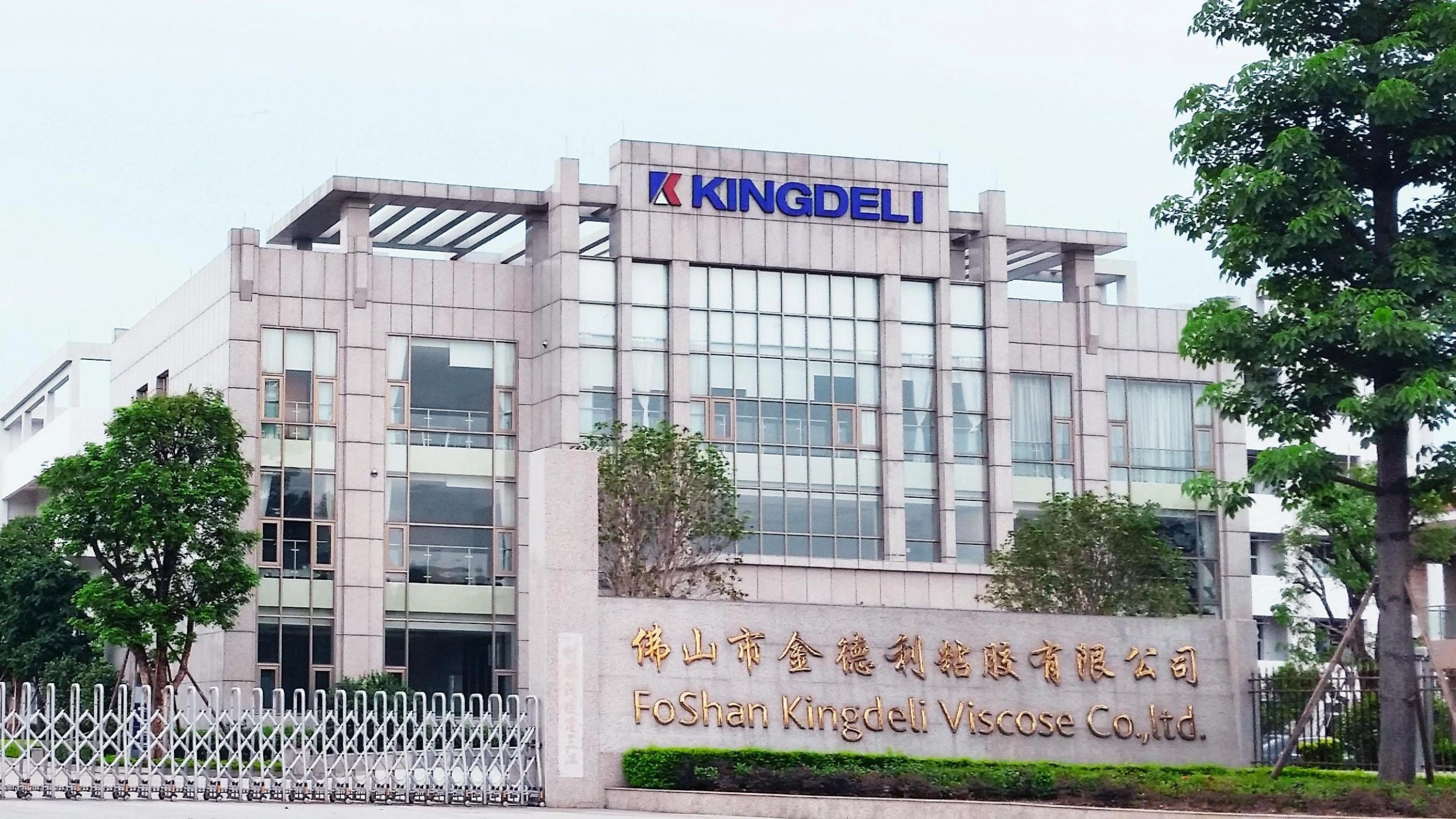
Since its establishment in 1998, KINGDELI has stood as a global leader in the high-performance sealant, adhesive, and coating industry. Headquartered in Foshan, China, our state-of-the-art 66,000 m² facility is powered by fully automated production lines with an annual capacity exceeding 100,000 tons, ensuring a consistent and robust supply for partners worldwide.
As a recognized National High-Tech Enterprise and a key contributor to the National Standard GB/T 29755-2013, we unite advanced manufacturing power with technical excellence. Our comprehensive product portfolio—spanning Neutral & Acetic Silicone, Polyurethane, MS Polymer, and No More Nails adhesives—is engineered to meet strict international standards, including ISO 9001, ISO 14001, CE, and ASTM.
With over 27 years of industry expertise and a trusted presence in 50+ countries, KINGDELI is more than a manufacturer; we are a dedicated solution provider. We offer end-to-end OEM/ODM support, sustainable low-VOC formulations, and professional technical service. At KINGDELI, we are driven by innovation and integrity, building trust and sealing the future for customers around the globe.
For projects that require acetic silicone sealant specifically, KINGDELI supplies reliable formulations, along with technical documentation and on-request lab testing to validate cure profiles, adhesion and weatherability for your substrates. Our main product range includes neutral silicone sealant, acetic silicone sealant, acrylic sealant, silicone glazing sealant, No More Nails adhesive, polyurethane sealant, MS polymer sealant, RTV gasket maker, epoxy tile grout and self-leveling sealant—allowing us to propose alternative chemistries when acetic silicone is not suitable.
How I work with customers to control cure risk
In my consulting work I typically run a small qualification protocol: mockup joints, environmental chamber tests at anticipated site temperature and RH, adhesion testing after 7 and 28 days, and compatibility checks with adjacent materials. KINGDELI's in-house QC and R&D teams can replicate these steps and provide the documented evidence needed for acceptance by architects, specifiers and building owners.
Ordering, specification and support
If you need product recommendations, Technical Data Sheets (TDS), Safety Data Sheets (SDS) or on-site technical support for acetic silicone sealant applications, contact KINGDELI's technical service team for guidance and to request samples and test reports. Visit KINGDELI's site for product details and contact options: KINGDELI.
FAQ — Common Questions About Acetic Silicone Cure
1. How long does acetic silicone take to fully cure?
Full cure depends on bead thickness, temperature and humidity. A practical rule is roughly 2–3 mm per 24 hours at 23–25 °C and 50% RH. So a 6 mm thick bead may take 2–3 days to reach full cure. Test on a mockup for critical applications and consult the manufacturer's TDS for exact data.
2. Why is my acetic silicone tacky in the middle after several days?
Common reasons are excessive bead thickness, low ambient humidity, low temperature or surface contamination. Reducing bead depth, increasing humidity (if feasible), or switching to a faster‑curing or different chemistry can solve the issue. Remove and reapply if adhesion is compromised.
3. Can acetic silicone be used on metal?
Be cautious: acetic silicones release acetic acid that can corrode copper, brass and some plated metals. For sensitive metals, choose a neutral cure silicone (oxime or alkoxy) or perform compatibility testing. If unavoidable, use protective primers and verify long‑term performance.
4. How does humidity affect cure speed?
Higher humidity accelerates cure because moisture is the reactant. Low humidity slows cure—if ambient RH is below 30% consider humidifying the workspace or selecting a product formulated for low‑RH environments.
5. Are there standards I should reference for specifying silicone sealants?
Yes. ISO 11600 classifies sealants by movement capability and application. ASTM C920 provides performance requirements for elastomeric joint sealants. For product-specific requirements, consult manufacturer TDS and national building codes. See ISO 11600 and ASTM C920.
6. What tests should I run on a critical project?
I recommend adhesion tests after 7 and 28 days, movement cycle tests per project requirements, and environmental aging (UV, moisture) if exposure is severe. KINGDELI can assist with lab testing and documentation.
If you have a particular substrate, joint geometry or environmental challenge, contact KINGDELI for tailored product recommendations, sample testing and specification support. Reach out to discuss your project or to request a product datasheet and sample: KINGDELI — Contact & Products.
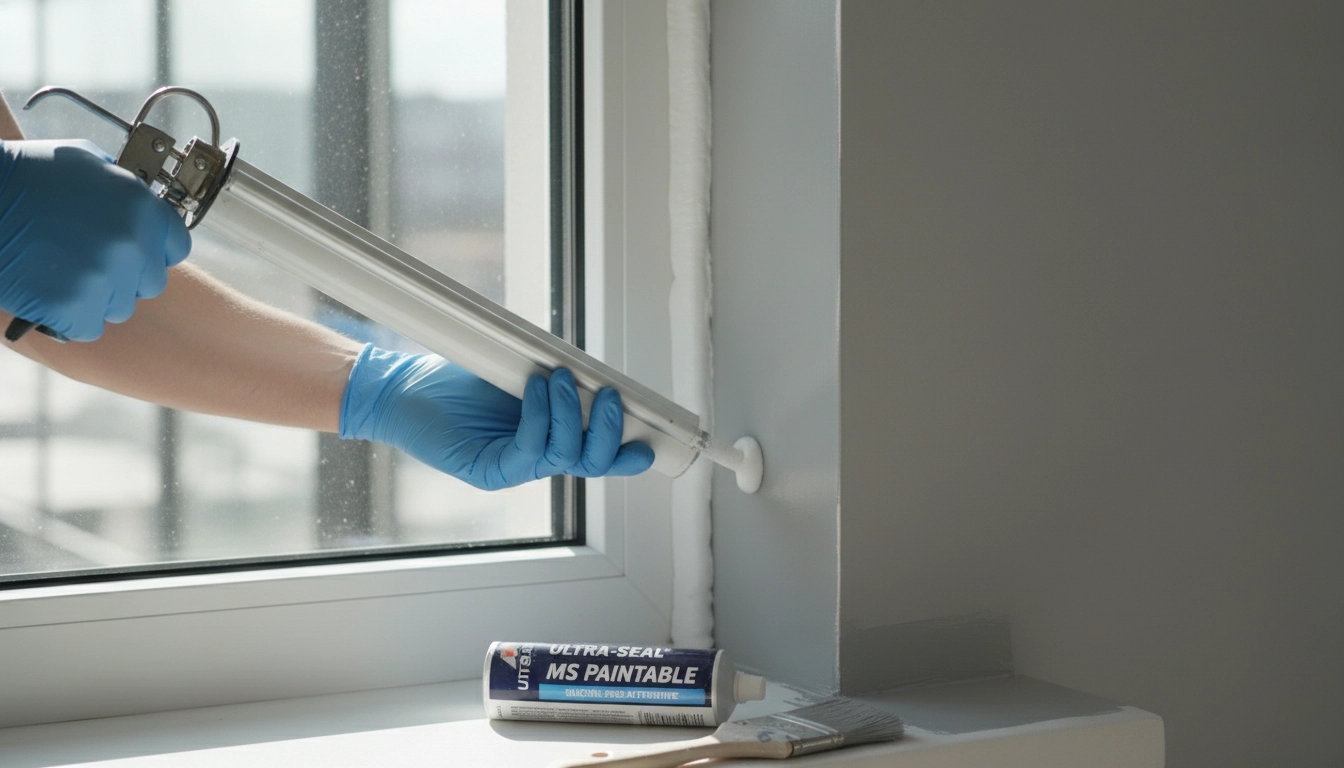
MS Sealant vs. Silicone: 5 Reasons Why Every Contractor is Switching to Paintable Hybrids in 2026
MS Silicone Sealant Cure Times and Workability on Projects
Beyond Silicone: Why Hybrid MS Polymers are the Future of Construction Sealants
Cost Saving Tips for Bulk Procurement of MS Silicone Sealant
HY-682
Does the product self-level after application?
Yes. The formulation is self-leveling, allowing it to flow smoothly into joints and cracks for a uniform, professional finish without additional tooling.
HY668
Can HY-668 be used for windows and doors?
Yes, HY-668 is suitable for window and door glazing and sealing. It is commonly used in general-purpose installation and sealing work.
HY993
Is HY993 suitable for gap-filling?
Yes. Its high bonding strength and elastomeric properties make it suitable for sealing and filling various construction gaps and joints.
HY994
Is HY994 paintable?
Yes. HY994 is compatible with most industrial coatings and can be painted over once the surface skin is formed. Painting does not affect the curing speed.
Distributor Partnership
Do you provide exclusive distribution?
Yes, market exclusivity is available for qualified partners with committed annual purchase volumes.
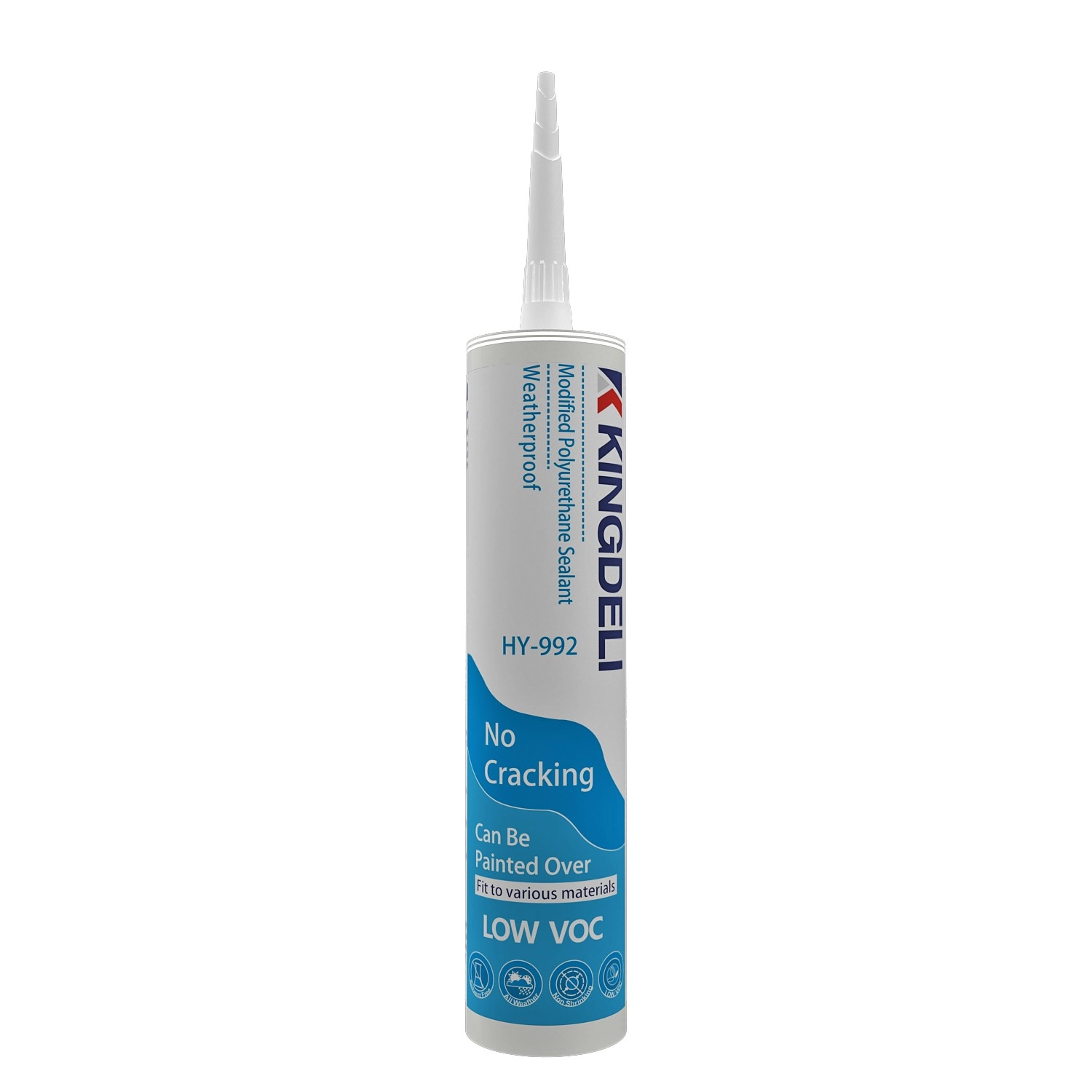
HY992 Modified Polyurethane Construction Sealant
HY992 Modified Polyurethane Sealant is a one-component, moisture-curing construction sealant designed for professional building and structural sealing applications. It provides excellent adhesion, weather resistance, and durable elasticity, making it suitable for a wide range of construction materials.
The formulation delivers strong bonding performance without corrosion or substrate contamination, while maintaining low VOC content for environmentally responsible construction projects.

HY995 Crystal Clear Ms Polymer Adhesive/Sealant
HY995 Crystal Clear Ms Polymer Adhesive/Sealant is a new generation MS Polymer adhesive / sealant formulated for all bonding and sealing applications where long term reliability is required. It has excellent bonding strength on various materials. It will cure to form a durable, flexible, waterproof seal.

HY997 High-Performance Anti-Microbial MS Polymer Sealant
HY997 MS polymer sealant for is is a premium one-component, neutral-curing modified silane sealant engineered for demanding interior applications. It offers a Class 20 movement capability, ensuring long-lasting flexibility and reliable performance under dynamic joint conditions. Curing at room temperature, HY997 delivers superior anti-microbial and mildew-resistant properties, maintaining hygienic and clean environments over time.
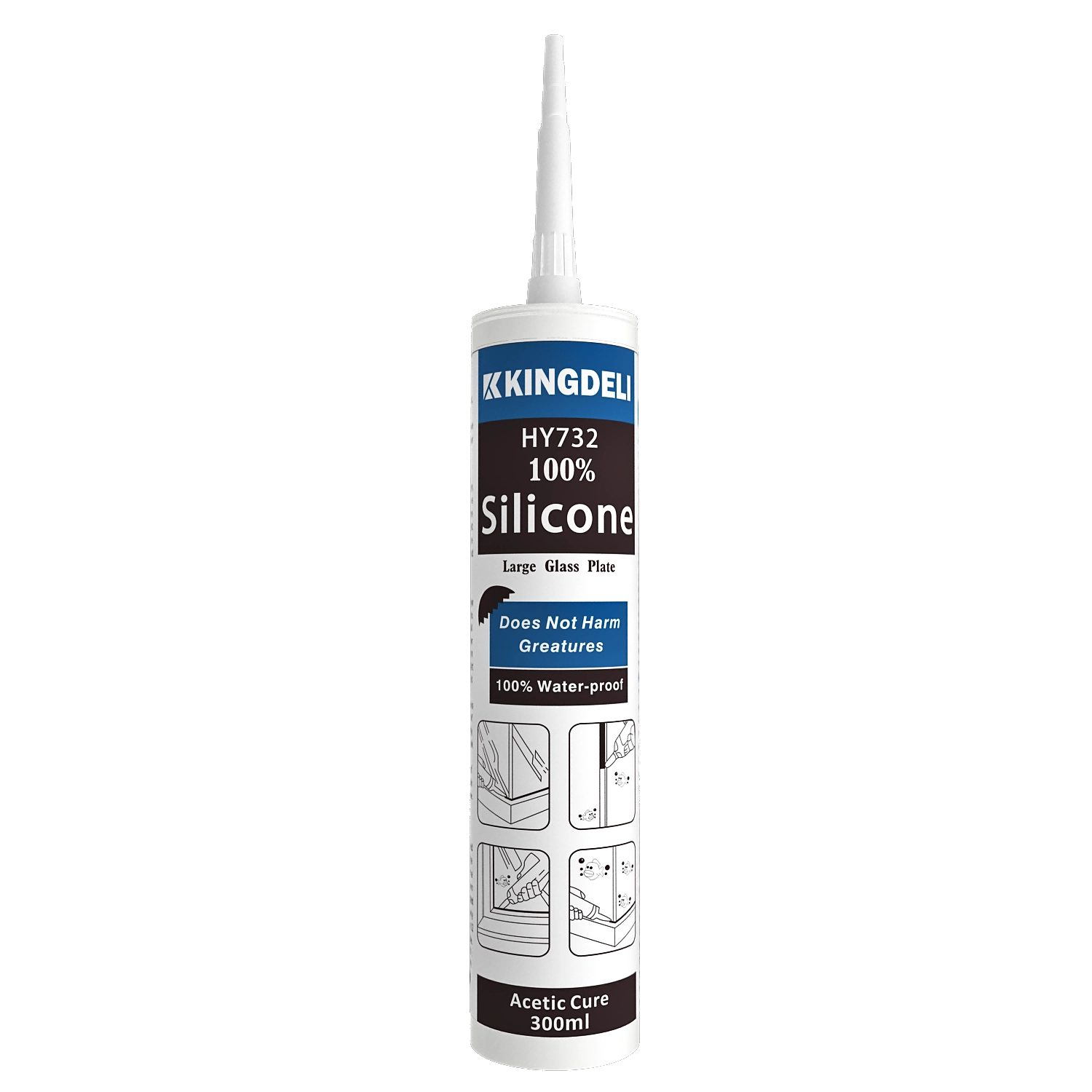
KINGDELI HY732 Professional Acetoxy Cure Silicone Sealant
KINGDELI HY732 is a professional-grade, one-component acetoxy cure silicone sealant designed for fast curing, strong adhesion, and long-lasting flexibility. Ideal for aquariums, glass applications, aluminum doors and windows, kitchens, and bathrooms, it provides reliable sealing performance with excellent anti-fungal protection in high-humidity environments.
Let’s Build Stronger Bonds with Quality Adhesives and Sealants
Have questions about the topic or need tailored sealant solutions for your project?
Our team is ready to provide expert guidance, product recommendations, and application support.
Innovating with Integrity, Bonding the World
Since 1998, KINGDELI has delivered trusted, sustainable sealant solutions that connect industries and inspire progress worldwide.
Whatsapp: +8618825946249
Kingdeli
Kingdeli
Kingdeli
Kingdeli
Kingdeli