











7 Costly Mistakes When Painting Over MS localized Polymer Sealants in 2026 (And How to Fix Them)

- What Is MS Sealant Compatibility With Paint?
- Key Takeaways: Quick Summary of Paint-to-Sealant Adhesion
- Mistake #1: Using Alkyd (Oil-Based) Paints Without Proper Precautions
- Mistake #2: Ignoring Plasticizer Migration and Surfactant Leaching
- Mistake #3: Misjudging the Cure Time (Wet-on-Wet vs. Fully Cured)
- Mistake #4: Skipping Proper Surface Preparation
- Mistake #5: Applying Incompatible High-Tension Architectural Coatings
- Mistake #6: Failing to Account for Extreme Climates and UV Exposure
- Mistake #7: Relying Exclusively on Chemical Adhesion
- Future Trends: Advanced MS Hybrid Formulations in 2026+
- Conclusion
- Can you paint straight over MS polymer sealant?
- How long should MS sealant cure before painting?
- Why does paint crack over sealants?
- Are all hybrid sealants paintable?
- What is the best paint to use on MS polymer?
- What causes crazing when painting sealants?
- How do you fix peeling paint on MS sealant?
- Does plasticizer migration ruin paint adhesion?
What Is MS Sealant Compatibility With Paint?
MS sealant compatibility with paint refers to the chemical and physical ability of Modified Silicone (MS) polymers to securely bond with architectural coatings. When compatible, the sealant supports optimal hybrid sealant paint adhesion without causing defects like crazing, cracking, or peeling.
High compatibility ensures the sealant accommodates joint movement flexibility while actively preventing issues like plasticizer migration in sealants and surfactant leaching sealants. MS polymers have revolutionized the construction industry, offering the weatherability of silicones paired with the paintability of polyurethanes. However, the unique chemistry of these sealants means that not every paint type will bond seamlessly. When contractors misunderstand the chemical interface between the sealant and the coating, the entire joint system is compromised, leading to costly reworks and water ingress. Understanding these dynamics is the first critical step toward a flawless, durable finish.
Key Takeaways: Quick Summary of Paint-to-Sealant Adhesion
The key to flawless paint-to-sealant adhesion lies in matching the right paint chemistry to the sealant's curing phase. Understanding the fundamental rules of surface preparation, compatibility, and timing will save contractors thousands of dollars in rework and materials.
To ensure success on your next project, keep these critical principles in mind:
- Optimal Compatibility: Water-based acrylic paints offer the highest compatibility with MS polymer sealants.
- Avoid Oil-Based Risks: Applying oil-based (alkyd) paints directly over MS polymers often leads to severe drying failures and aesthetic crazing.
- Timing is Everything: Understanding the critical difference between "skin-time" and "full cure" is essential for timing your paint application correctly.
- Surface Preparation: Proper surface preparation, specifically avoiding harsh solvents, ensures maximum mechanical key and chemical adhesion for the lifetime of the joint.
Mistake #1: Using Alkyd (Oil-Based) Paints Without Proper Precautions
Applying traditional alkyd paints directly to MS polymers often disrupts the oxidative drying process, leading to a sticky surface or micro-cracking. This specific chemical conflict is the primary cause of alkyd resin paint crazing on freshly sealed architectural joints.
The How and Why:When contractors apply oil-based alkyd paints over an MS polymer, the sealant's surface chemistry interferes with the paint's oxidative curing mechanism. Alkyd resins rely on oxygen to cross-link and harden into a durable film. The MS polymer acts as an inhibitor at the boundary layer, meaning the paint remains gummy at the interface but dries quickly on top. This uneven drying causes the top layer to fracture into a spiderweb-like pattern, known as crazing.
The Cost:This mistake routinely results in thousands of dollars in wasted labor. Contractors are forced to manually strip the uncured, sticky paint, cut out the contaminated sealant, and reapply the entire system from scratch.
The Fix:
- Prioritize Acrylics: Switch to highly compatible water-borne acrylic paints whenever possible.
- Use Barrier Primers: If oil-based paint is strictly mandatory for the project specifications, you must apply a specialized water-based barrier primer first to safely separate the incompatible chemistries.
Mistake #2: Ignoring Plasticizer Migration and Surfactant Leaching
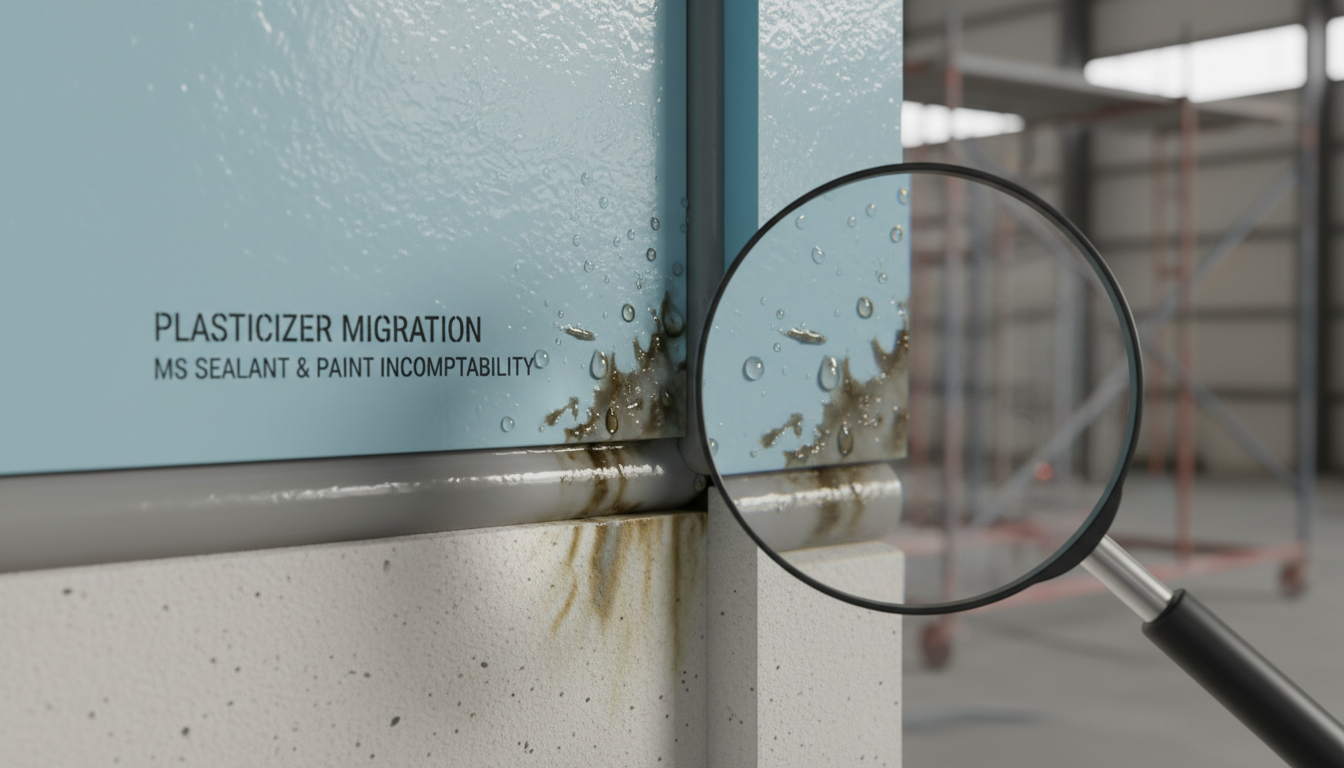
Failing to account for plasticizers migrating from the sealant into the paint film softens the coating, which causes severe dirt pick-up and discoloration. This plasticizer migration in sealants degrades both the visual appeal and the structural integrity of the paint.
The How and Why:Many lower-quality sealants use heavy plasticizing agents to achieve their flexibility. A plasticizer is a substance added to a material to make it softer and more flexible, as reported by Wikipedia. Over time, these chemicals leach out of the sealant matrix and migrate into the overlying paint, turning it sticky. The tacky residue acts as a magnet for airborne dirt, pollen, and pollutants, quickly turning bright joints black or brown. Furthermore, waterborne caulks can lose flexibility as plasticizers migrate, as reported by Adhesives Magazine.
The Cost:Premature aesthetic failure requires the complete removal of the joint and subsequent repainting to restore the building's facade.
The Fix:
- Select Premium Polymers: Use premium, low-plasticizer MS polymers designed specifically for architectural coatings.
- Allow Off-Gassing: Allow adequate off-gassing time before applying the final architectural coating.
- Monitor Moisture: Watch out for surfactant leaching sealants, which present similar sticky, soapy residues in damp environments, and ensure the joint is fully dry before coating.
Mistake #3: Misjudging the Cure Time (Wet-on-Wet vs. Fully Cured)
Assuming all MS polymers can be painted "wet-on-wet" or waiting too long until the surface repels chemical adhesion leads to total paint delamination. Tracking the correct ms polymer cure time is essential for creating a durable, long-lasting bond.
The How and Why:MS polymers are highly regarded because many formulations allow for rapid wet-on-wet painting. However, the timing is a delicate balance. Applying paint at the wrong stage—specifically in the vulnerable middle phase where the sealant has skinned over but is still off-gassing heavily—can cause the escaping solvents to physically push the paint layer off. Alternatively, waiting weeks to paint can result in a surface that is too inert for the paint to grip effectively.
The Cost:Paint delamination, bubbling, and peeling immediately after drying, completely ruining the aesthetic finish and protective barrier.
The Fix:
- Consult Guidelines: Always read the specific manufacturer guidelines for your exact sealant product.
- Time It Right: Paint either immediately after skin-formation (usually within 1 to 2 hours) or wait for a full cure (typically 24 to 48 hours).
- Avoid the Middle Phase: Strictly avoid painting during the intermediate curing stage to prevent solvent entrapment.
Mistake #4: Skipping Proper Surface Preparation
Painting over dust, construction debris, or residual tooling solutions used to smooth the MS sealant joint creates a barrier that prevents adhesion. Without a clean surface, the paint cannot establish the necessary mechanical key or chemical bond.
The How and Why:Contractors often use soapy water or proprietary tooling fluids to smoothly shape the MS sealant bead. If these fluids are left to dry on the surface, they leave behind a microscopic film that acts as an invisible release agent against the paint. Even without tooling fluids, construction sites are naturally dusty environments, and applying paint over a dusty sealant bead ensures the paint bonds to the loose dirt, not the solid polymer matrix.
The Cost:Total loss of mechanical key and chemical adhesion, leading to heavy flaking under the slightest physical abrasion or washing.
The Fix:
- Clean Thoroughly: Lightly clean the fully cured sealant surface with an isopropyl alcohol wipe before painting.
- Avoid Harsh Chemicals: Strictly avoid heavy petroleum-based solvents, which can aggressively degrade the MS polymer structure and exacerbate adhesion issues.
Mistake #5: Applying Incompatible High-Tension Architectural Coatings
Using a rigid, high-tension paint over a highly flexible, low-modulus MS sealant creates a severe mechanical mismatch. When the building shifts or the temperature changes, the stiff paint film will inevitably crack and split over the flexible joint.
The How and Why:MS polymers are explicitly designed to absorb dynamic building movements. They have a low modulus, meaning they stretch and compress easily without breaking. If you apply a brittle, inflexible coating over this dynamic joint, the paint simply cannot stretch enough to keep up with the underlying sealant. For example, if a joint expands by 25% during a thermal shift and the paint can only stretch by 5%, the coating will snap under the tension.
The Cost:The paint will crack and split, requiring tedious scraping and repainting, and potentially allowing damaging water to bypass the protective coating layer.
The Fix:
- Match Elasticity: Ensure the flexibility and elasticity modulus of your paint closely matches the movement capability of the underlying MS polymer sealant.
- Use Elastomeric Paints: Opt for high-quality elastomeric coatings explicitly designed for high-movement architectural joints.
Mistake #6: Failing to Account for Extreme Climates and UV Exposure
Using standard interior-grade paint over exterior MS joints exposed to intense sunlight and temperature fluctuations drastically reduces the lifespan of the seal. Environmental stressors break down the coating, leading to accelerated chalking and severe UV degradation.
The How and Why:Not all MS polymers and paints are formulated for the harsh realities of exterior weathering. Standard paints degrade rapidly when subjected to intense thermal expansion, freezing temperatures, and high UV indexes. This is particularly relevant when standard industry specifications are overlooked, as detailed by ASTM International in their comprehensive testing protocols for elastomeric joint sealants. When the paint embrittles on top of a flexible joint, it flakes away very quickly.
The Cost:Accelerated chalking, severe UV degradation, and a complete loss of the building's weatherproofing integrity.
The Fix:
- Specify UV-Stable Products: Always specify UV-stable hybrid sealants for any outdoor or highly exposed application.
- Deploy Premium Coatings: Pair exterior sealants with premium, elastomeric exterior paints designed to withstand high thermal expansion and intense sunlight without degrading.
Mistake #7: Relying Exclusively on Chemical Adhesion
Assuming the paint will chemically bond without considering the surface texture of the MS polymer limits the overall adhesion strength. A lack of mechanical key prevents the paint from deeply anchoring into the sealant's outer layer.
The How and Why:MS polymers naturally dry to a very smooth, slick finish. While chemical bonds are powerful, ignoring the need for a physical grip—often called a mechanical key—leaves the paint incredibly vulnerable to friction and abrasion. Paint relies on microscopic peaks and valleys on a surface to physically lock into place. Without this, the bond is solely reliant on chemical compatibility, which can be easily disrupted by trapped moisture or physical wear over time.
The Cost:Paint peeling off in large strips under minimal friction, routine power washing, or general wear and tear.
The Fix:
- Enhance Surface Texture: Employ safe, light surface abrasion techniques where applicable to create a physical grip.
- Select Engineered Variants: Select MS variants specifically engineered with micro-surface textures to significantly boost paint receptivity.
Future Trends: Advanced MS Hybrid Formulations in 2026+
The next generation of MS polymers arriving in 2026 will feature self-priming nanostructures, drastically reducing inter-coat adhesion challenges. These innovations aim to completely eliminate historical issues with paint compatibility, making application faster and far more reliable.
The How and Why:As the construction chemical industry evolves rapidly into 2026 and beyond, manufacturers are developing smarter, more intuitive products aimed at solving these core pain points.
- Bio-Based Plasticizers: Contractors will see a major increase in bio-based plasticizers that completely eliminate migration and surfactant leaching sealants risks, ensuring paints stay clean and vibrant for decades.
- Smart-Cure Technology: Emerging smart-cure technology will allow for foolproof "wet-on-wet" applications with almost any paint chemistry, entirely removing the guesswork from timing applications.
- Cost Efficiency: These scientific advancements will significantly lower labor costs, reduce overall project timelines, and ensure permanent hybrid sealant paint adhesion across all commercial and residential environments.
Conclusion
Painting over MS polymer sealants doesn't have to result in crazing, peeling, or cracking if you understand the underlying chemistry and timing. By avoiding alkyd paints, allowing proper cure times, and ensuring correct surface preparation, you can achieve a flawless, long-lasting finish.
The rapid evolution of construction materials demands that professionals stay consistently updated on product compatibility guidelines. Matching the flexibility of your coatings to your elastomeric sealants is the absolute most effective way to guarantee peak performance. Mastering these subtle nuances will elevate the quality of your architectural projects, deeply protect your client's investments, and securely save you from the immense financial burden of unexpected cosmetic reworks. Contact us today to optimize your MS polymer sealant strategy.
Can you paint straight over MS polymer sealant?
Yes, many MS polymer sealants allow for "wet-on-wet" painting. However, it is highly recommended to wait for the sealant to form a surface skin (usually 15-60 minutes) to prevent brush drag and ensure optimal adhesion.
How long should MS sealant cure before painting?
Optimal timing depends on the paint type. For water-based paints, painting just after skinning (1-2 hours) is ideal. For non-flexible paints, it is safer to wait until the sealant is fully cured (24-48 hours) to prevent the paint from cracking as the sealant shrinks slightly.
Why does paint crack over sealants?
Paint cracks primarily due to a mismatch in flexibility between the paint and the sealant. If a low-modulus (highly flexible) MS sealant shifts and the paint on top is rigid, the tension will cause the paint film to crack.
Are all hybrid sealants paintable?
While the majority of MS (Modified Silicone) hybrid sealants are specifically formulated to be paintable, performance varies. Always verify the manufacturer's Technical Data Sheet (TDS) to confirm compatibility with your specific paint chemistry.
What is the best paint to use on MS polymer?
High-quality, highly flexible water-borne acrylic paints are the best choice for MS polymers. They offer excellent adhesion, stretch with the sealant, and avoid the chemical conflicts associated with oil-based paints.
What causes crazing when painting sealants?
Crazing, or a web of micro-cracks, usually occurs when oil-based (alkyd) paints are applied over MS polymers. The sealant interferes with the oxidative drying process of the alkyd resin, causing the surface to dry faster than the layers underneath.
How do you fix peeling paint on MS sealant?
To fix peeling paint, you must gently scrape away the loose coating without cutting the sealant bead. Clean the sealant surface with isopropyl alcohol, allow it to dry, and apply a premium flexible water-based acrylic primer before repainting.
Does plasticizer migration ruin paint adhesion?
Yes, plasticizers leaching from low-quality sealants can soften the overlying paint, making it tacky. This leads to severe dirt pick-up, discoloration, and eventually causes the paint layer to completely delaminate from the joint.
![7 Costly Mistakes to Avoid When Matching MS Sealant Colors [2026 Expert Guide] - KINGDELI](https://static.gooecloud.com/upload/img/ai-image/7-costly-mistakes-to-avoid-when-matching-ms-sealant-colors-2026-expert-guide.png?x-oss-process=image/format,webp/quality,Q_100 "7-Costly-Mistakes-to-Avoid-When-Matching-MS-Sealant-Colors-[2026-Expert-Guide] - KINGDELI")
7 Costly Mistakes to Avoid When Matching MS Sealant Colors [2026 Expert Guide]
Top 10 neutral silicone sealant Manufacturers and Supplier Brands in Hardware and Building Materials
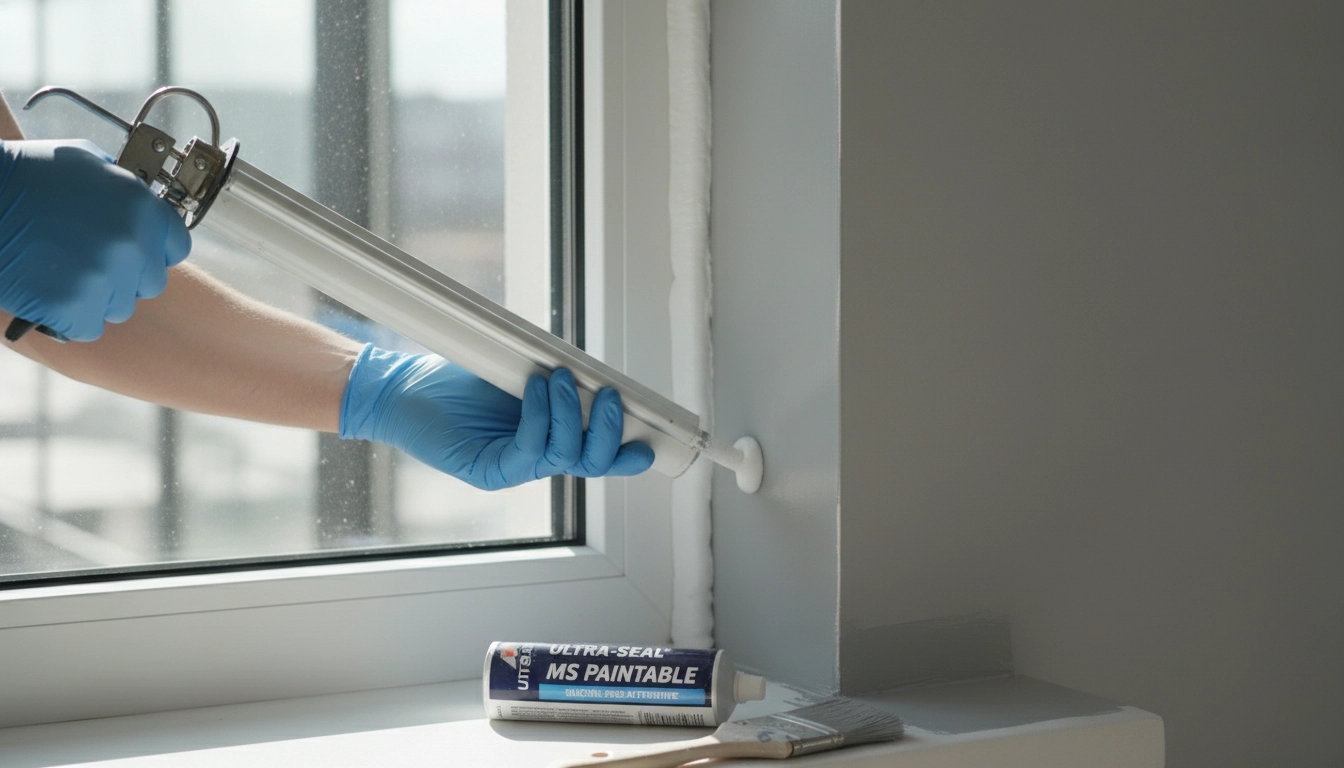
MS Sealant vs. Silicone: 5 Reasons Why Every Contractor is Switching to Paintable Hybrids in 2026
7 Industry Secrets Your Industrial RTV Gasket Maker Supplier Won't Tell You About Performance
HY739
Is it paintable after curing?
No. Like other silicones, it cannot be painted after curing.
HY995
Do you provide OEM or private label service?
Yes. We provide OEM & private label services, including:
-
Custom brand label design
-
Cartridge printing
-
Custom packaging
-
Distributor branding
HY993
What packaging formats are available?
HY993 is supplied in 280 ml/300 ml cartridges and 500 ml/600 ml aluminum foil sausage packs.
HY732
Can this sealant be used in bathrooms and kitchens?
Yes, it is an excellent choice for bathrooms, kitchens, lavatories, and other humid environments due to its anti-fungal and mildew-resistant properties.
HY-966
Can HY-966 cure in humid or damp conditions?
Yes. HY-966 is moisture-curing and performs reliably in humid environments.
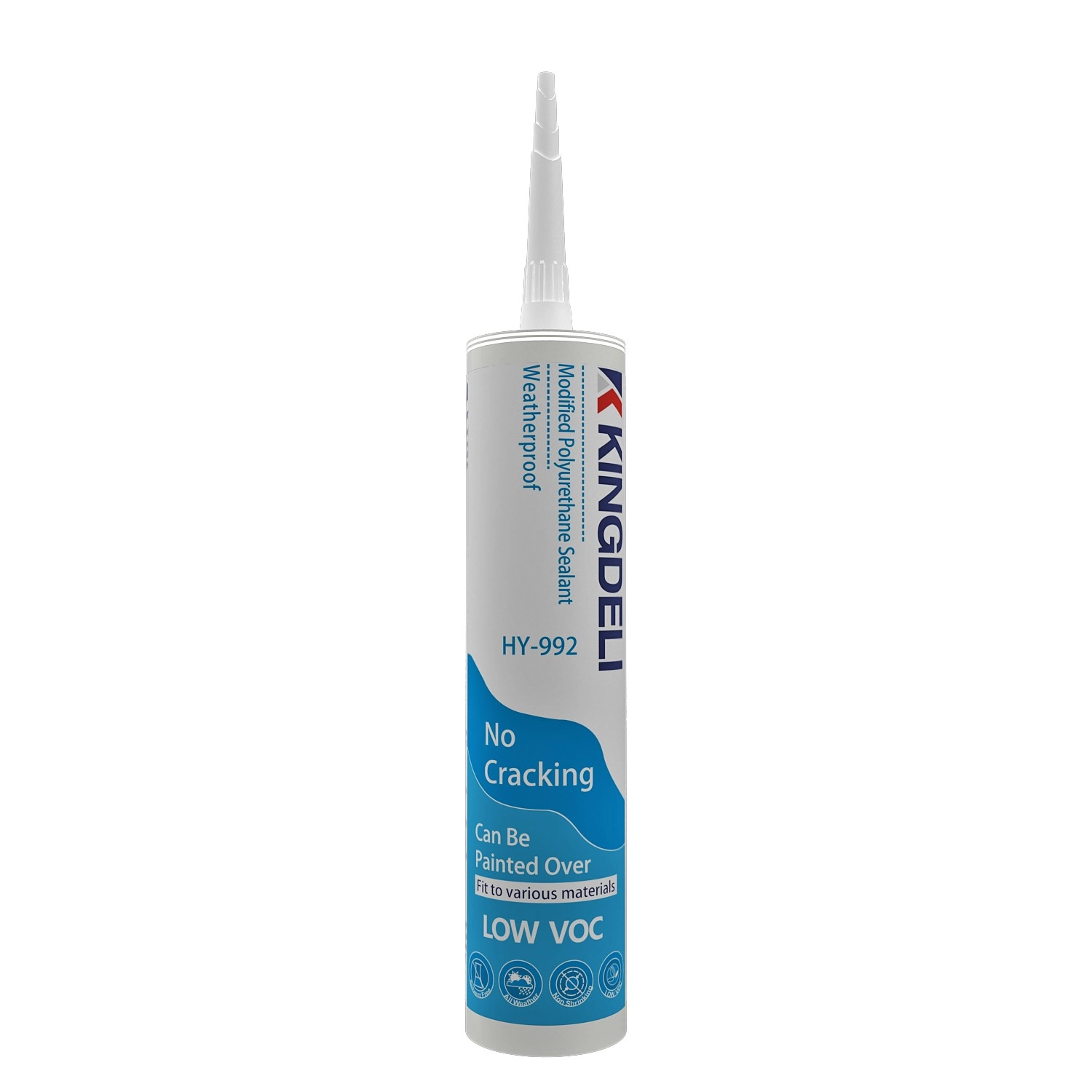
HY992 Modified Polyurethane Construction Sealant
HY992 Modified Polyurethane Sealant is a one-component, moisture-curing construction sealant designed for professional building and structural sealing applications. It provides excellent adhesion, weather resistance, and durable elasticity, making it suitable for a wide range of construction materials.
The formulation delivers strong bonding performance without corrosion or substrate contamination, while maintaining low VOC content for environmentally responsible construction projects.

HY995 Crystal Clear Ms Polymer Adhesive/Sealant
HY995 Crystal Clear Ms Polymer Adhesive/Sealant is a new generation MS Polymer adhesive / sealant formulated for all bonding and sealing applications where long term reliability is required. It has excellent bonding strength on various materials. It will cure to form a durable, flexible, waterproof seal.

HY997 High-Performance Anti-Microbial MS Polymer Sealant
HY997 MS polymer sealant for is is a premium one-component, neutral-curing modified silane sealant engineered for demanding interior applications. It offers a Class 20 movement capability, ensuring long-lasting flexibility and reliable performance under dynamic joint conditions. Curing at room temperature, HY997 delivers superior anti-microbial and mildew-resistant properties, maintaining hygienic and clean environments over time.
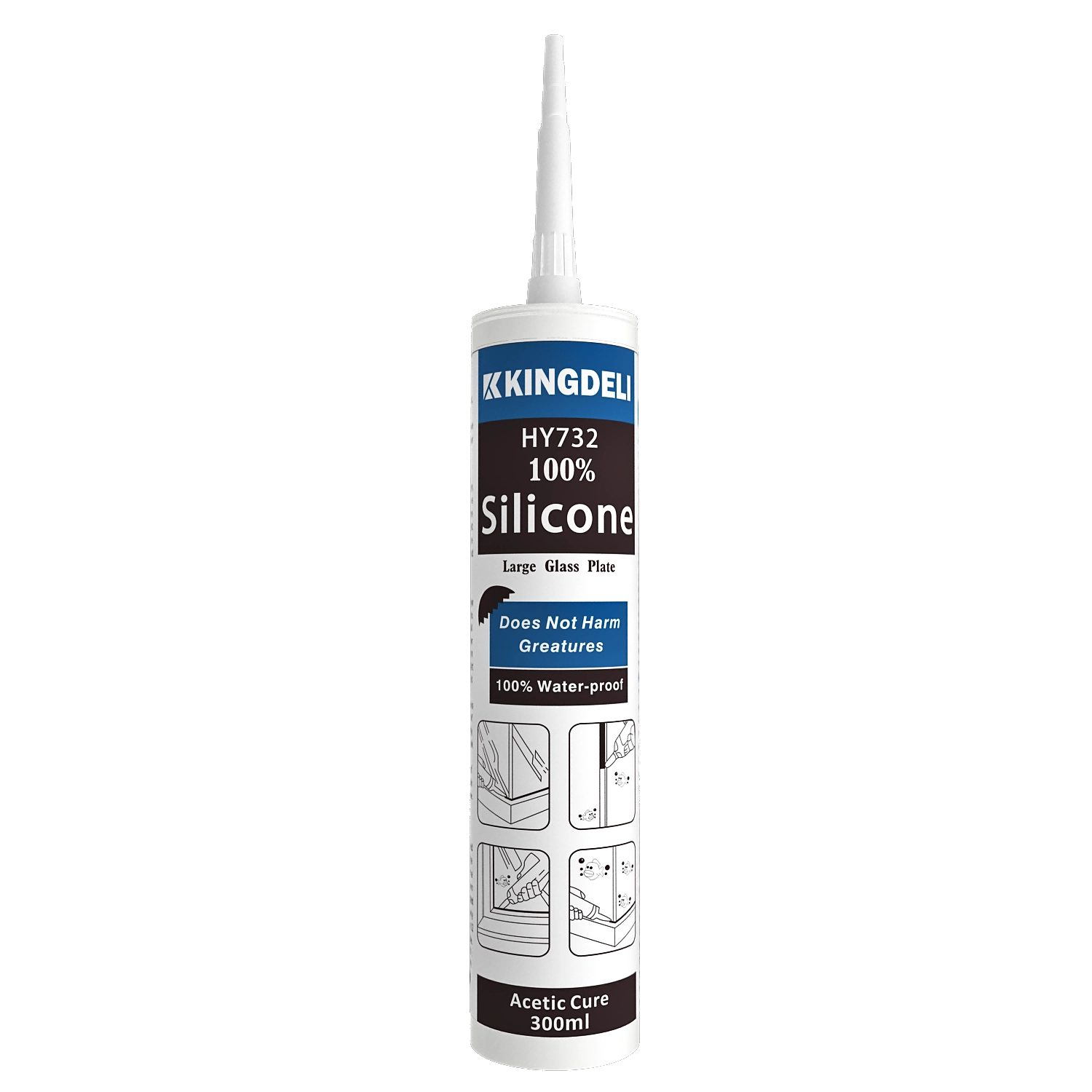
KINGDELI HY732 Professional Acetoxy Cure Silicone Sealant
KINGDELI HY732 is a professional-grade, one-component acetoxy cure silicone sealant designed for fast curing, strong adhesion, and long-lasting flexibility. Ideal for aquariums, glass applications, aluminum doors and windows, kitchens, and bathrooms, it provides reliable sealing performance with excellent anti-fungal protection in high-humidity environments.
Let’s Build Stronger Bonds with Quality Adhesives and Sealants
Have questions about the topic or need tailored sealant solutions for your project?
Our team is ready to provide expert guidance, product recommendations, and application support.
Innovating with Integrity, Bonding the World
Since 1998, KINGDELI has delivered trusted, sustainable sealant solutions that connect industries and inspire progress worldwide.
Whatsapp: +8618825946249
Kingdeli
Kingdeli
Kingdeli
Kingdeli
Kingdeli