











5 Critical Mistakes to Avoid When Using MS Sealant for Automotive Seam Sealing [Master Class 2026]

- What is MS Sealant for Automotive Applications?
- Quick Summary: Key Takeaways on MS Polymers
- Mistake #1: Ignoring Proper Surface Preparation (Expert Tip)
- Mistake #2: Applying Incorrect Bead Textures for OEM Matching
- Mistake #3: Rushing the Paint-Over Window
- Mistake #4: Using MS Sealants on Incompatible Substrates
- Mistake #5: Mishandling Storage and Shelf-Life Guidelines
- Beyond 2026: Pricing Trends, EVs, and Future Automotive Sealant Innovations
- Conclusion
- Frequently Asked Questions
- How long does MS sealant take to cure on a car?
- Can you paint directly over MS polymer seam sealers?
- Is MS sealant better than polyurethane for collision repair?
- Do I need a primer when using MS sealant for automotive applications?
- What causes automotive seam sealers to bubble?
- Are MS polymer sealants safe to use without a respirator?
- How do I match OEM seam sealer textures with MS polymers?
- What is the shelf life of an opened MS automotive sealant?
What is MS Sealant for Automotive Applications?
MS sealant for automotive use is an advanced, hybrid Silyl Modified Polymer (SMP) designed for high-strength bonding and seam sealing. Unlike traditional polyurethane, it is an isocyanate-free automotive sealant, offering primerless adhesion to most substrates and providing superior UV resistance.
The evolution of vehicle manufacturing has placed higher demands on the materials used for both factory assembly and aftermarket repairs. This modern chemistry has rapidly become the industry standard for safe, durable, and highly flexible vehicle collision repairs.
How and why it matters for modern auto body shops:
- Enhanced Safety: Because it is completely free of hazardous isocyanates, it protects technicians from respiratory sensitization and skin irritation.
- Workflow Efficiency: The primerless adhesion collision repair capabilities save considerable time, allowing technicians to skip the tedious application and curing of distinct primer layers.
- Dynamic Flexibility: The high-strength elasticity ensures that the sealant expands and contracts seamlessly with the vehicle chassis, mitigating the risk of structural failure during everyday driving vibrations.
As reported by Wikipedia, Silyl-modified polymers are the main components in solvent-free and isocyanate-free sealant products, bridging the gap by combining the paintability of polyurethane with the environmental resilience of silicone.
Quick Summary: Key Takeaways on MS Polymers
MS polymers merge the mechanical strength of polyurethanes with the weathering resistance of silicones. They provide superior elasticity, environmental safety, and fast curing times, establishing SMP technology in cars as the modern standard for collision repair and OEM manufacturing.
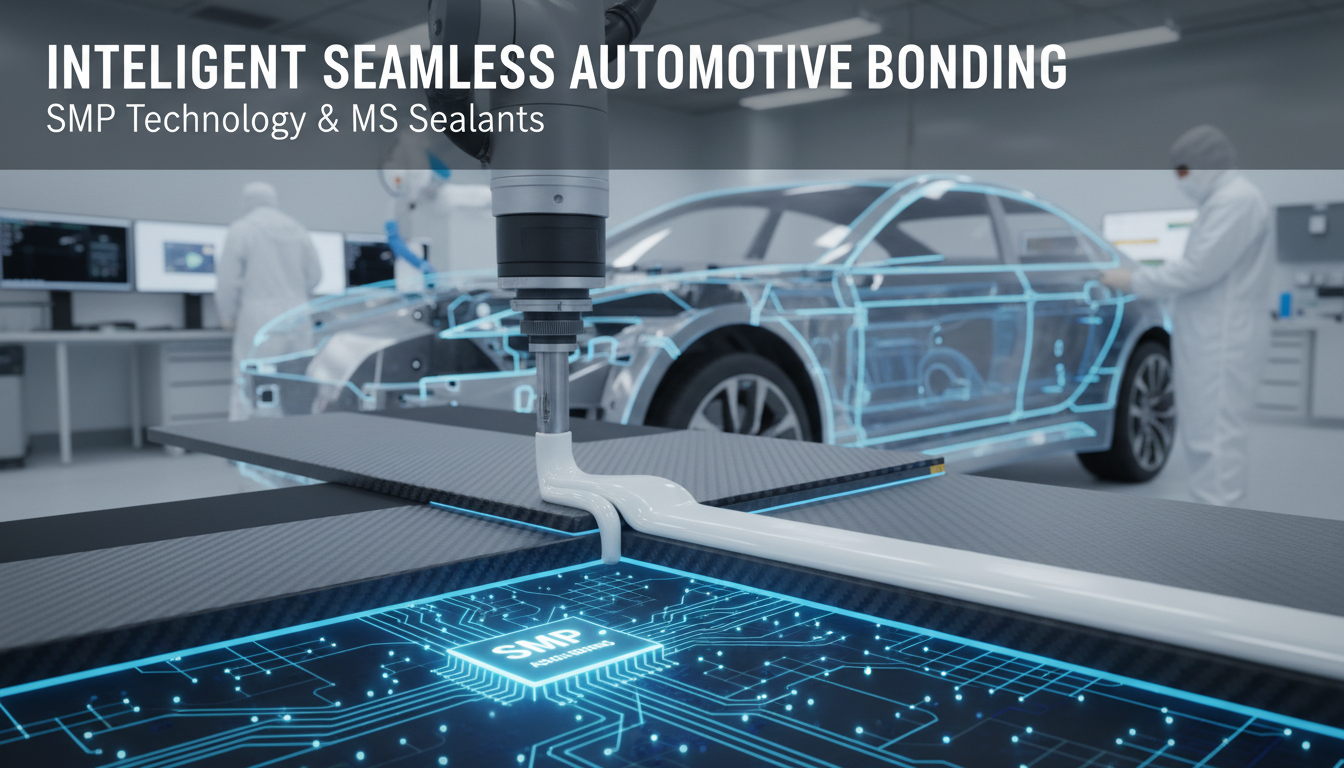
Understanding the core differences in the polyurethane vs MS polymer debate highlights exactly why modern repair facilities are making the transition.
Key benefits of adopting this hybrid technology include:
- Primerless Adhesion: Skipping the primer phase saves significant time during body shop repairs and high-speed OEM assembly cycles, directly boosting shop profitability.
- High Elasticity: Unmatched flexibility ensures the sealant flexes in tandem with the vehicle chassis, preventing micro-cracking and moisture intrusion over time.
- Health and Safety Compliance: Environmentally safer formulas protect technicians from harmful volatile organic compounds (VOCs), making shop environments safer and regulatory compliance easier to achieve.
Mistake #1: Ignoring Proper Surface Preparation (Expert Tip)
Proper surface preparation means thoroughly cleaning, degreasing, and scuffing the substrate before applying the sealant. Assuming "primerless" means "prep-free" is a critical error that leads to complete adhesion failure in automotive seam sealing.
Even the most advanced adhesives require a pristine surface to establish a robust chemical bond. Contaminants like road grime, oil, and silicone sprays act as a barrier between the metal and the polymer.
To ensure flawless automotive seam sealing techniques, always follow these preparation steps:
- Clean Thoroughly: MS sealants still require clean, degreased surfaces to bond effectively. Always use a high-quality wax and grease remover.
- Scuff Dense E-Coats: Failing to scuff or abrade dense automotive e-coats before application can compromise the shear strength. A simple scuff pad provides the necessary mechanical tooth.
- Avoid Incompatible Solvents: Using incompatible solvent wipes leaves a chemical residue that interferes with the moisture-cure mechanism, severely delaying the curing process.
As reported by I-CAR, improper preparation could lead to devastating corrosion protection issues, adhesive failures, or cohesive failures, rendering the repair completely ineffective.
Mistake #2: Applying Incorrect Bead Textures for OEM Matching
OEM matching requires replicating the factory bead texture precisely using the correct nozzle, air pressure, and manual tooling techniques. Failing to replicate these textures results in seams that look amateurish, lowering vehicle resale value and failing visual factory inspections.
Insurance companies and customers alike expect collision repairs to be entirely invisible. If a seam sealer bead looks wildly different from the factory passenger side, the repair immediately raises red flags.
Here is how to avoid bead texture mistakes during application:
- Calibrate Gun Pressure: Using the wrong nozzle or gun pressure results in flat or uneven seams that fail to match the thick, rounded profile of the original robotic application.
- Use Proper Tools: Neglecting to use specialized seam sealer brushes or flexible spreaders makes it impossible to replicate the "brushed" OEM look found in trunk pans and floorboards.
- Control Layer Thickness: Applying too thick of a layer extends curing times and risks trapping moisture within the seam pocket, which can later cause the bead to collapse or deform.
Mistake #3: Rushing the Paint-Over Window
The paint-over window is the specific timeframe during which a sealant can safely accept an automotive basecoat. Painting over the sealant before it has adequately skinned over leads to solvent pop, bubbling, or complete coating rejection.
One of the largest workflow bottlenecks in an auto body shop is waiting for adhesives to cure. However, rushing this step with MS polymers can ruin an entire paint job.
Protect your finish by strictly adhering to these timeline guidelines:
- Wait for the Skin: Painting over the sealant before it skins over causes solvent pop or bubbling, as the solvents in the paint react with the uncured polymer surface.
- Don't Wait Too Long: Waiting too long to apply automotive paint causes the MS polymer to fully cure and cross-link, which can cause it to reject the basecoat and lead to peeling.
- Monitor the Environment: Failing to account for shop humidity and temperature will drastically alter the moisture-curing timeline. High humidity accelerates curing, while dry, cold air slows it down considerably.
Mistake #4: Using MS Sealants on Incompatible Substrates
Using MS sealants on incompatible substrates occurs when technicians apply the product to untreated, low-surface-energy materials or highly corrosive zones without verifying chemical compatibility. This results in weak bonds and premature joint failure.
While MS polymers are famous for their versatility, they are not a universal magic bullet. Understanding substrate limitations is critical for structural integrity.
Avoid these common substrate mismatch errors in the shop:
- Untreated Aluminum: Applying standard MS sealant to bare, untreated aluminum without verifying the specific product's corrosion-inhibiting properties can invite galvanic corrosion.
- Low-Surface-Energy Plastics: Attempting to bond certain plastics (like untreated Polypropylene or Polyethylene) without a dedicated adhesion promoter will result in the sealant peeling off like tape.
- Chemical Submersion: Using MS sealant in areas exposed to continuous, direct fuel or harsh chemical submersion is a mistake; these specific scenarios require highly specialized, chemically resistant epoxies instead.
Mistake #5: Mishandling Storage and Shelf-Life Guidelines
Mishandling storage guidelines involves leaving cartridges unsealed or exposing them to extreme temperatures, which degrades the chemical stability of the MS polymer. Using expired or improperly stored sealant compromises chassis safety.
Because MS polymers are moisture-curing, the ambient humidity in your workshop is their biggest enemy once the tube is opened. Poor inventory management leads to wasted product and failed repairs.
Keep your sealants viable and your repairs safe by avoiding these missteps:
- Unsealed Cartridges: Leaving opened cartridges unsealed allows ambient workshop moisture to cure the product inside the nozzle, creating an unusable, hardened plug.
- Extreme Temperatures: Storing MS polymer sealants in extreme heat or freezing temperatures degrades their chemical stability and can permanently alter their viscosity.
- Using Expired Product: Using expired automotive sealant that has lost its cross-linking elasticity leads to premature chassis seam failure, as the polymer will no longer stretch and absorb road vibrations.
Beyond 2026: Pricing Trends, EVs, and Future Automotive Sealant Innovations
The future of automotive sealants is defined by lightweighting for Electric Vehicles (EVs), automated robotic application, and advanced SMP chemistry. These innovations maximize throughput while ensuring precision OEM replication.
As the automotive industry evolves, so do the materials holding vehicles together. The push for maximum efficiency and reduced carbon footprints is transforming body shop practices.
Key trends shaping the industry in 2026 and beyond:
- EV Demand: The massive shift toward Electric Vehicles (EVs) is driving exponential demand for lightweight, low-density MS sealants by 2026, helping to offset heavy battery weights.
- Cost-Benefit Breakdown: Why the higher upfront cost of MS polymers is easily justified: it is completely offset by reduced primer costs, fewer health and safety liabilities, and much faster throughput.
- Robotic Integration: The future leans heavily toward automated, robotic seam sealing in local collision repair networks. These systems use precision mapping to ensure flawless OEM replication on every repair.
Conclusion
MS sealant is a game-changer for automotive seam sealing, but avoiding critical mistakes in surface prep, texture matching, and curing is essential for lasting repairs. By mastering these techniques, collision repair professionals can drastically improve turnaround times, elevate the aesthetic quality of their work, and ensure optimal vehicle safety for years to come. Whether you are working on a traditional combustion engine or a next-generation electric vehicle, understanding the chemistry behind your sealants is the key to a flawless finish.
Contact us today to optimize your automotive seam sealing techniques.
Frequently Asked Questions
How long does MS sealant take to cure on a car?
MS polymer sealants generally skin over in 10 to 30 minutes, depending on the specific formula and ambient conditions. Full curing usually occurs at a rate of 2mm to 3mm per 24 hours, driven by atmospheric moisture.
Can you paint directly over MS polymer seam sealers?
Yes, most MS sealants are highly paintable wet-on-wet or after they have skinned over. Always verify the manufacturer's recommended paint window, as waiting too long can reduce paint adhesion.
Is MS sealant better than polyurethane for collision repair?
MS sealants offer several advantages over polyurethane, including superior UV resistance, no bubbling during the cure, and primerless adhesion. They are also safer for technicians because they do not contain harmful isocyanates.
Do I need a primer when using MS sealant for automotive applications?
In most cases, MS sealants provide excellent primerless adhesion to glass, metals, and painted surfaces. However, extremely difficult substrates or highly stressed joints may still require a specific adhesion promoter.
What causes automotive seam sealers to bubble?
Bubbling is primarily a problem with older polyurethane sealants that release CO2 gas when exposed to moisture. MS sealants do not produce gas during their curing process, effectively eliminating the bubbling issue.
Are MS polymer sealants safe to use without a respirator?
Because they are solvent-free and isocyanate-free, they are generally safer to handle and have low VOCs. However, standard workshop safety practices and adequate ventilation are always recommended.
How do I match OEM seam sealer textures with MS polymers?
You can match factory textures by using specialized pneumatic caulking guns and varied nozzle tips. Technicians also use seam sealer brushes, spreaders, or tape to replicate specific brushed or flattened OEM finishes.
What is the shelf life of an opened MS automotive sealant?
Unopened, MS sealants typically last 12 to 18 months when stored in a cool, dry place. Once opened, they must be sealed tightly and used within a few weeks, as atmospheric moisture will slowly cure the remaining product.
OEM/ODM double glazing glass sealant Manufacturers and Suppliers
Top acetic acid silicone sealant Manufacturers and Suppliers
Best neutral silicone sealant manufacturers and supplier brands in Automotive Solutions
![7 Critical RTV Gasket Maker Mistakes Most Mechanics Make (and How to Avoid Them) [2026 Update] - KINGDELI](https://static.gooecloud.com/upload/img/ai-image/7-critical-rtv-gasket-maker-mistakes-most-mechanics-make-and-how-to-avoid-them-2026-update.png?x-oss-process=image/format,webp/quality,Q_100 "7-Critical-RTV-Gasket-Maker-Mistakes-Most-Mechanics-Make-(and-How-to-Avoid-Them)-[2026-Update] - KINGDELI")
7 Critical RTV Gasket Maker Mistakes Most Mechanics Make (and How to Avoid Them) [2026 Update]
HY-976
How does the adhesive cure?
It cures by water evaporation, which means at least one of the bonded surfaces must be porous.
HY-951
What is the shelf life of HY951?
The shelf life is 12 months when stored unopened in its original packaging under recommended storage conditions.
HY722B
What is the service temperature range after curing?
Once cured, HY-722B maintains stable performance between -50°C and +100°C.
HY-2300
Is it suitable for vertical or overhead applications?
Yes. HY-2300 is non-sag, allowing clean application in vertical and ceiling joints.
HY982
How is the product applied?
HY982 is supplied in bucket packaging and should be applied using a trowel, spatula, or serrated spreader. Stir well before use and spread evenly to ensure full surface contact.
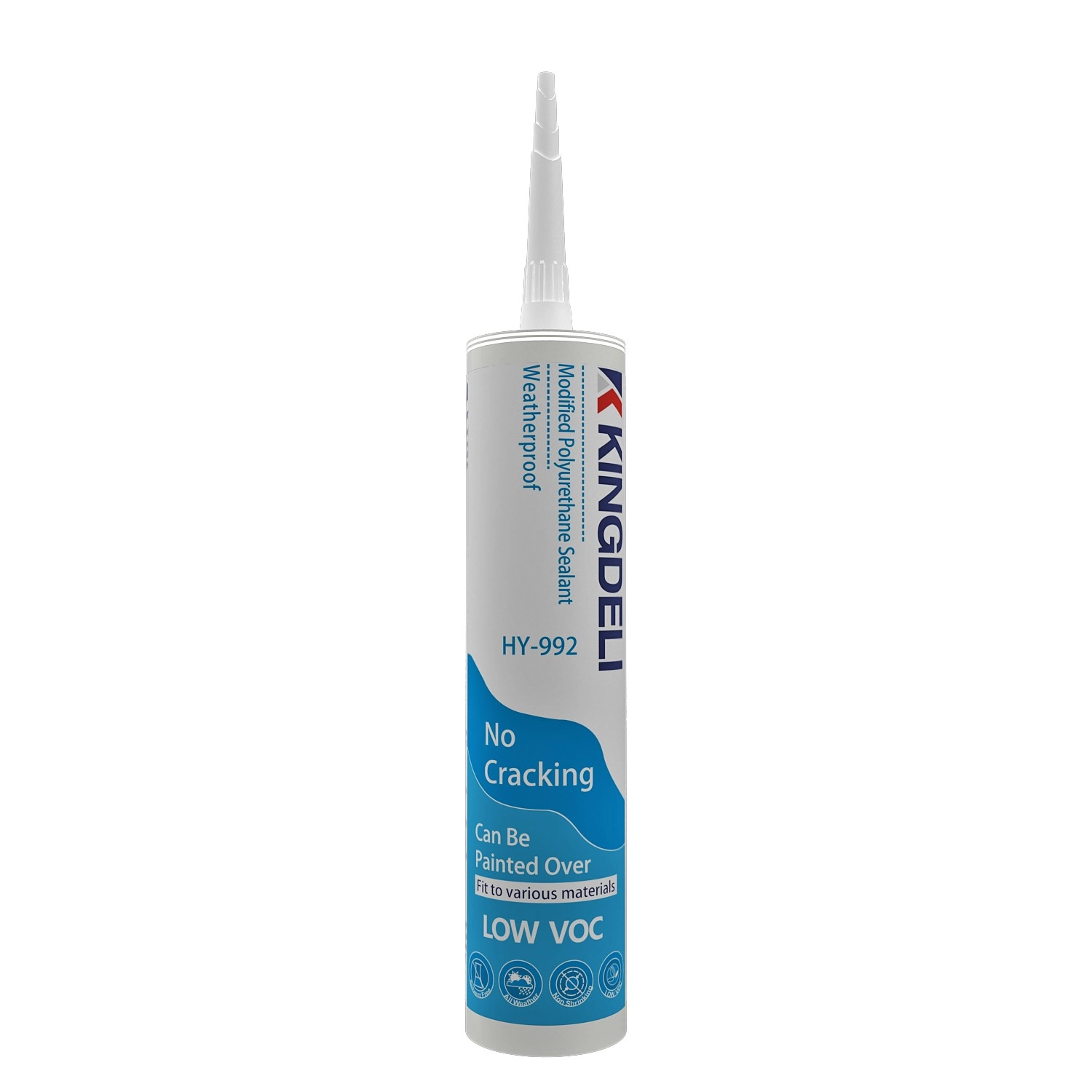
HY992 Modified Polyurethane Construction Sealant
HY992 Modified Polyurethane Sealant is a one-component, moisture-curing construction sealant designed for professional building and structural sealing applications. It provides excellent adhesion, weather resistance, and durable elasticity, making it suitable for a wide range of construction materials.
The formulation delivers strong bonding performance without corrosion or substrate contamination, while maintaining low VOC content for environmentally responsible construction projects.

HY995 Crystal Clear Ms Polymer Adhesive/Sealant
HY995 Crystal Clear Ms Polymer Adhesive/Sealant is a new generation MS Polymer adhesive / sealant formulated for all bonding and sealing applications where long term reliability is required. It has excellent bonding strength on various materials. It will cure to form a durable, flexible, waterproof seal.

HY997 High-Performance Anti-Microbial MS Polymer Sealant
HY997 MS polymer sealant for is is a premium one-component, neutral-curing modified silane sealant engineered for demanding interior applications. It offers a Class 20 movement capability, ensuring long-lasting flexibility and reliable performance under dynamic joint conditions. Curing at room temperature, HY997 delivers superior anti-microbial and mildew-resistant properties, maintaining hygienic and clean environments over time.
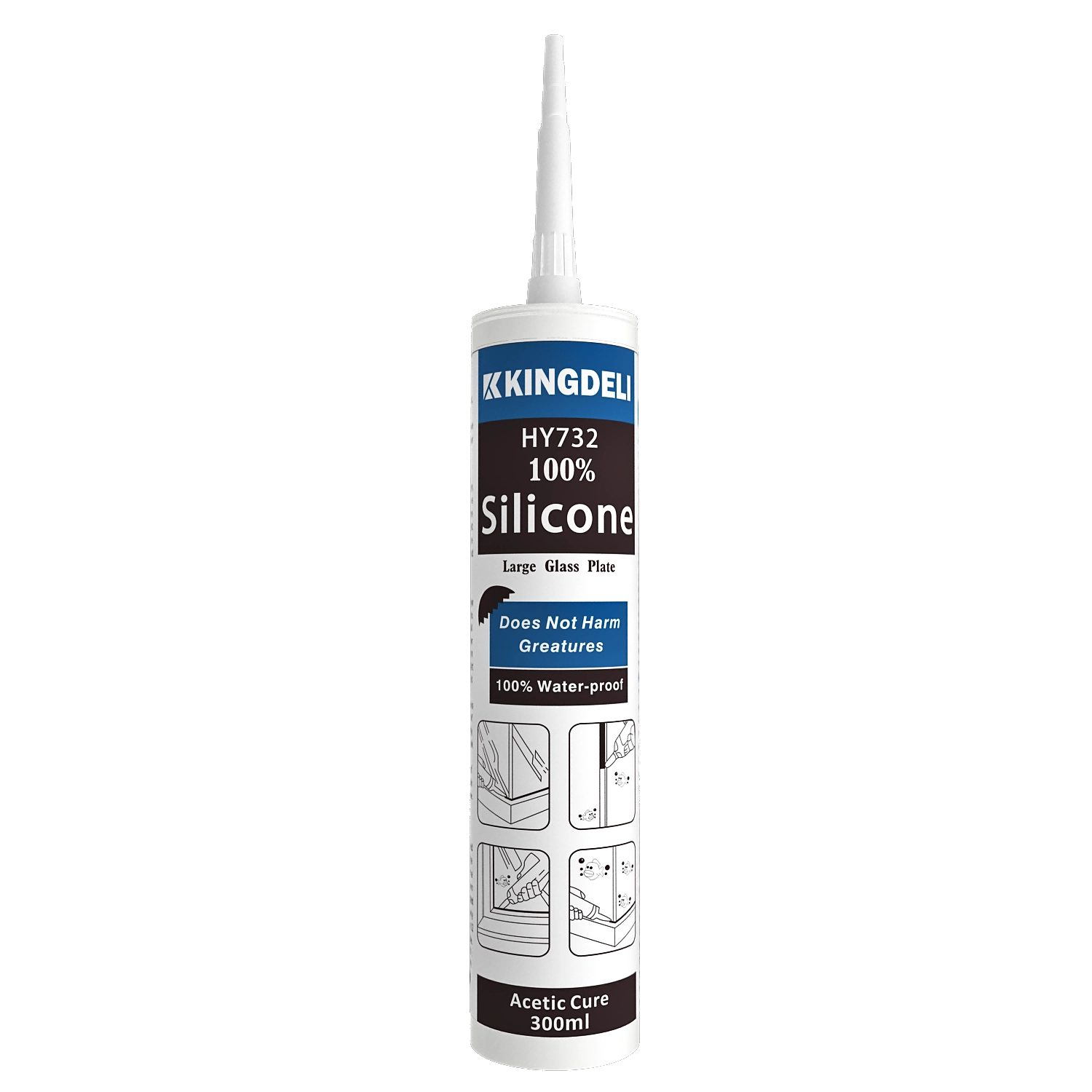
KINGDELI HY732 Professional Acetoxy Cure Silicone Sealant
KINGDELI HY732 is a professional-grade, one-component acetoxy cure silicone sealant designed for fast curing, strong adhesion, and long-lasting flexibility. Ideal for aquariums, glass applications, aluminum doors and windows, kitchens, and bathrooms, it provides reliable sealing performance with excellent anti-fungal protection in high-humidity environments.
Let’s Build Stronger Bonds with Quality Adhesives and Sealants
Have questions about the topic or need tailored sealant solutions for your project?
Our team is ready to provide expert guidance, product recommendations, and application support.
Innovating with Integrity, Bonding the World
Since 1998, KINGDELI has delivered trusted, sustainable sealant solutions that connect industries and inspire progress worldwide.
Whatsapp: +8618825946249
Kingdeli
Kingdeli
Kingdeli
Kingdeli
Kingdeli