











How to specify neutral cure silicone sealant for curtain walls?
Neutral cure silicone sealant is the industry standard for façade joints and curtain walls because it combines durability, UV resistance and non-acid curing chemistry that protects sensitive metals and coatings. Below are six specific, practical questions beginners and busy specifiers often find poorly answered online, with standards-backed, project-ready guidance.
1) How do I size joint width and depth for neutral cure silicone on unitized curtain walls to control stress and avoid glass bite?
Why it matters: Incorrect joint geometry causes thin beads that can tear, or over-deep joints that trap moisture during cure. For curtain walls you must design to allow movement, produce the correct sealant aspect ratio, and support tooling so the sealant cures uniformly.
Design rules (industry practice & standards):- Use the width-to-depth ratio of approximately 2:1 (width:depth) for elastomeric silicone sealants per guidance in ASTM C1193 and ISO 11600. Example: a 12 mm wide joint should typically have a 6 mm depth.- Minimum joint depth: for most silicones keep at least 6 mm depth to ensure proper cure and mechanical properties. For very narrow joints (≤6 mm) check manufacturer guidance; some systems recommend a minimum depth of 4–5 mm but only after verification.- Maximum practical depth: deep joints (>25 mm) can trap solvents/moisture and slow cure; consider backing rod and multi-layer application or a different joint detail.> Example: If a curtain wall vertical mullion butt joint needs to accommodate a ±25% movement and the expected maximum contraction/expansion is ±3 mm, select a nominal joint width that yields ±25% of that width ≥ 3 mm. For ±25% movement capability you need a minimum nominal width of ~12 mm because 25% of 12 mm = 3 mm.
Additional tips:- Always use closed-cell polyethylene backer rod sized 25–50% larger than the joint opening to control depth and prevent three-sided adhesion.- Avoid bond-breaker tape; backer rod is preferred to control the radius and support tooling.- Specify tooling radius consistent with façade appearance requirements; a too-flat or too-rounded bead can alter sealant stress distribution.
2) What substrate pre-treatment and primer schedule should I specify for mixed substrates (anodized aluminium, stainless steel, glass, EPDM)?
Why it matters: Primer selection and correct surface prep are the most common causes of adhesion failure on façades. Generic advice to “clean with solvent” is insufficient where coatings, anodizing or gasket materials are present.
Project-ready specification steps:- Cleaning: Remove loose contaminants, oils and films with an approved solvent (isopropyl alcohol or manufacturer-recommended cleaner). Perform two wipes with fresh cloths and allow to evaporate.- Physical condition: Ensure anodized aluminum is fully cured and free of sealers, waxes or handling oils. For newly fabricated mill finish, remove machining oils per metal finisher’s instructions.- Primers: Specify that primer use is per manufacturer’s written recommendations. Some neutral cure silicones bond primerless to glass and some anodized finishes, but anodized aluminum, stainless steel and some coated metals often require a silane-based primer. Require manufacturer-approved primer numbers in the submittal.- Test program: Require adhesion-in-peel tests (ASTM C794) or mock-up adhesion tests on representative, site-conditioned panels with specified primers and sealant. Tests should be aged (7 days or more at 23°C/50% RH, plus an accelerated weathering cycle if project conditions are severe) and demonstrate cohesive failure within the sealant, not adhesive failure at the substrate.
Documentation to include in the spec: list allowed primers for each substrate, cleaning solvent, contact times, temperature limits for priming, and requirement for mock-up and adhesion test results prior to full installation.
3) How should I specify cure rate and installation windows for cold-weather installations (below 5°C) to ensure full adhesion and reasonable on-site productivity?
Why it matters: Neutral cure silicones cure by reaction with atmospheric moisture. Cure rate slows significantly in cold and dry conditions, risking insufficient early strength and prolonged vulnerability to contamination.
Specification guidance:- Minimum substrate and ambient temperature: require manufacturer’s specified minimum (commonly +5°C). If installations below that are unavoidable, specify either: (a) use of a low-temperature rapid-cure neutral silicone explicitly rated for cold weather, or (b) temporary heating of substrates and work areas to maintain the manufacturer’s minimum during tool and early cure.- Cure rate expectations: at 23°C/50% RH many neutral silicones cure approximately 2–3 mm depth per 24 hours; at low temperature or low humidity that can drop to <1 mm/24 h. Specify that the contractor must verify cure depth and adhesion before exposing the joint to movement loads or rain.- Dew point controls: require surface temperature at least 3°C above dew point during application to avoid moisture condensation at the interface which can trap moisture and impair adhesion.- Acceptance criteria: require that adhesion checks (visual and mock-up peel) be carried out after the manufacturer’s cure time for the project conditions, and require corrective action if adhesion is not achieved.
4) Can neutral cure silicone cause metal corrosion or staining on sensitive metals (copper, lead, zinc) and how do I specify to avoid this?
Why it matters: Many specifiers assume “neutral = non-corrosive,” but interactions between sealant additives, residual cleaners and metal surfaces can still stain or accelerate corrosion if compatibility is not verified.
How to specify to avoid staining and corrosion:- Require the specification to call for explicitly non-staining neutral cure silicone chemistry (alkoxy or oxime neutral cure) and to exclude acetoxy silicones, which release acetic acid during cure and can aggressively corrode copper and some metals.- For sensitive metals (copper, lead, bare galvanized steel), require a manufacturer compatibility statement and field mock-up that includes exposure of sealed mock-up panels for the project’s expected service conditions (salt spray or humidity as appropriate).- Barrier strategy: where metals are known sensitive, specify a protective coating or finish over the metal prior to sealing, or a compatible primer applied to the metal and tested for compatibility with the finish. A continuous protective coating or paint system can prevent direct contact between sealant and bare metal.- Test requirement: specify visual staining tests and corrosion checks in the mock-up (typically 30–90 days exposure) and require acceptance prior to production installation.
5) How to specify movement capability, service-life and performance acceptance criteria (UV/weathering, tensile properties) for façade silicone joints?
Why it matters: Performance class selection drives long-term durability. A sealant that handles thermal expansion but degrades under UV won’t last the expected life of the curtain wall.
Specification language and acceptance criteria:- Reference ASTM C920 (elastomeric joint sealants) and ISO 11600 classifications. For most typical curtain wall joints specify: ASTM C920, Type S (single component), Grade NS or NT as appropriate, and Class 25 (±25% movement). For higher movement joints use Class 50.- Weathering: require compliance with EN 15651-1/2 for façade sealants (if project in Europe) or acceptance testing that demonstrates resistance to UV and thermal cycling. Specify the required service temperature range (commonly -40°C to +150°C for silicones) in the spec.- Mechanical properties: require submittal of Shore A hardness, tensile strength and elongation at break. Typical façade neutral silicones have Shore A hardness in the 10–40 range (low- to medium-modulus), and elongation >250%—but always accept manufacturer data and require pre-approval via mock-up testing.- Design life & warranty: specify expected service life (20–30 years typical for silicones) and include performance warranty terms (e.g., weathertightness for X years) to hold the manufacturer/installer accountable.- Acceptance testing: require tensile/elongation verification and adhesion-in-peel tests (ASTM C794) on mock-up panels prior to production install and random field checks during installation.
6) What quality control, batch traceability and on-site testing should I require in my specification to reduce failures and rework?
Why it matters: Even the best silicone can fail if a bad batch is used, if the sealant is stored improperly, or if substitutes are introduced without approval.
QC and traceability clauses to include:- Batch and shelf-life: require suppliers to provide batch numbers and shelf-life information with each delivery. Specify acceptable storage conditions (e.g., unopened cartridges stored at 5–25°C, away from direct sunlight). Typical unopened shelf-life is 9–18 months depending on manufacturer; require verification on delivery.- Mock-up and pre-qualification: require a fully representative mock-up with the exact substrates, primers and joint geometry. Require acceptance by the architect/engineer before production.- On-site inspections and record-keeping: specify daily installation logs that include weather, substrate temperature, primer lot/batch, sealant lot/batch, installer initials and any deviations.- Random adhesion checks: require periodic field adhesion or peel checks on production panels (frequency tied to project size—e.g., first 10 joints, then 1 per 500 m run) and immediate corrective measures if failures are found.- Non-conforming material control: require that any change of product or primer requires written manufacturer approval and additional mock-up testing. Materials without approval must be removed at contractor expense.- Final acceptance: require a final inspection after full cure (per manufacturer’s schedule) for continuity, tooling quality, bond integrity and absence of staining or contamination.
Standards referenced: ASTM C920, ISO 11600, EN 15651 and ASTM C794 (adhesion-in-peel) are appropriate references to cite in project specs. Require submittals demonstrating compliance to these standards and manufacturer technical data sheets.
Conclusion: Advantages of neutral cure silicone sealant for curtain walls
Neutral cure silicones deliver UV stability, wide service temperature range, low modulus (to absorb building movements), and reduced risk of acid-induced corrosion compared with acetoxy silicones. When specified with correct joint geometry, substrate preparation, primer selection, cold-weather installation controls and a robust QC program (batch traceability and mock-ups), they provide long service life and reliable weatherseal performance for curtain wall systems.
For project-specific specifications, mock-up protocols and a formal quote, contact us for a quote at www.kingdelisealant.com or email info@kingdeliadhesive.com.
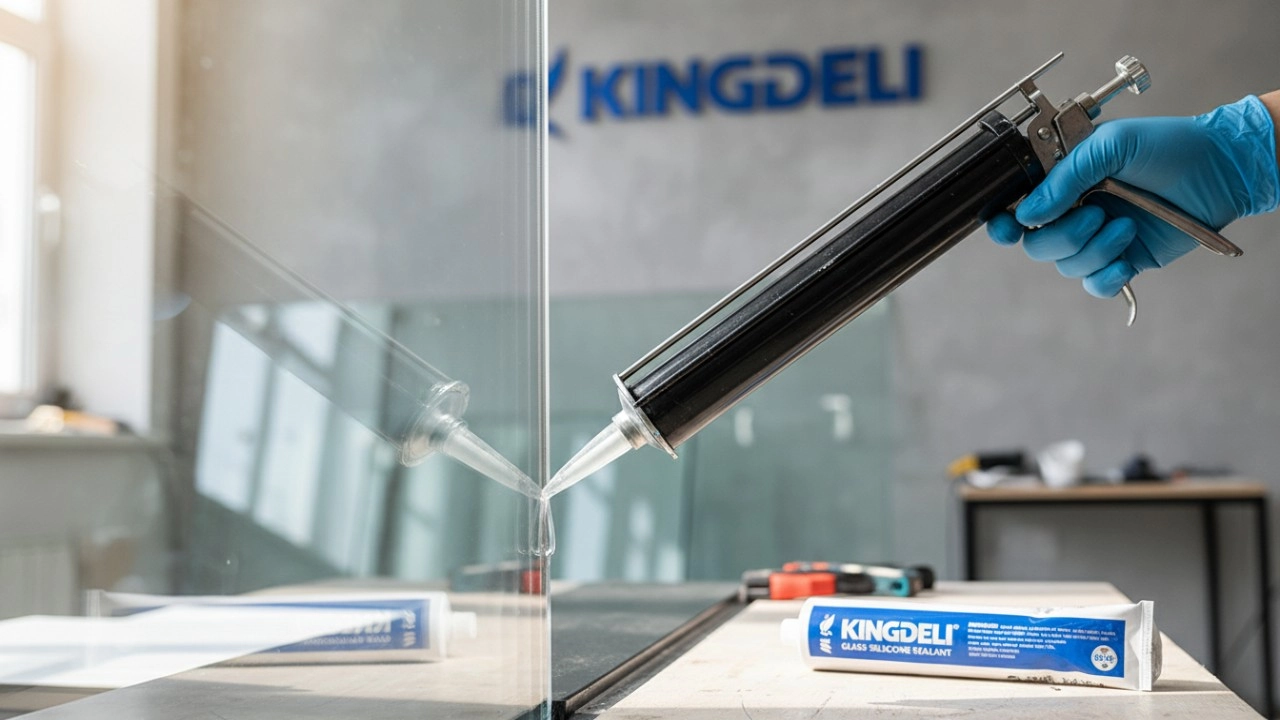
The 2026 Ultimate Guide to Glass Silicone Sealant: Everything You Need for a Perfect Finish
OEM vs. Branded Acetic Silicone Sealant: What’s Best for Your Distribution Business?
The Future of Sealants: 5 Emerging Trends in Wholesale Neutral Silicone Sealant Technology for 2026
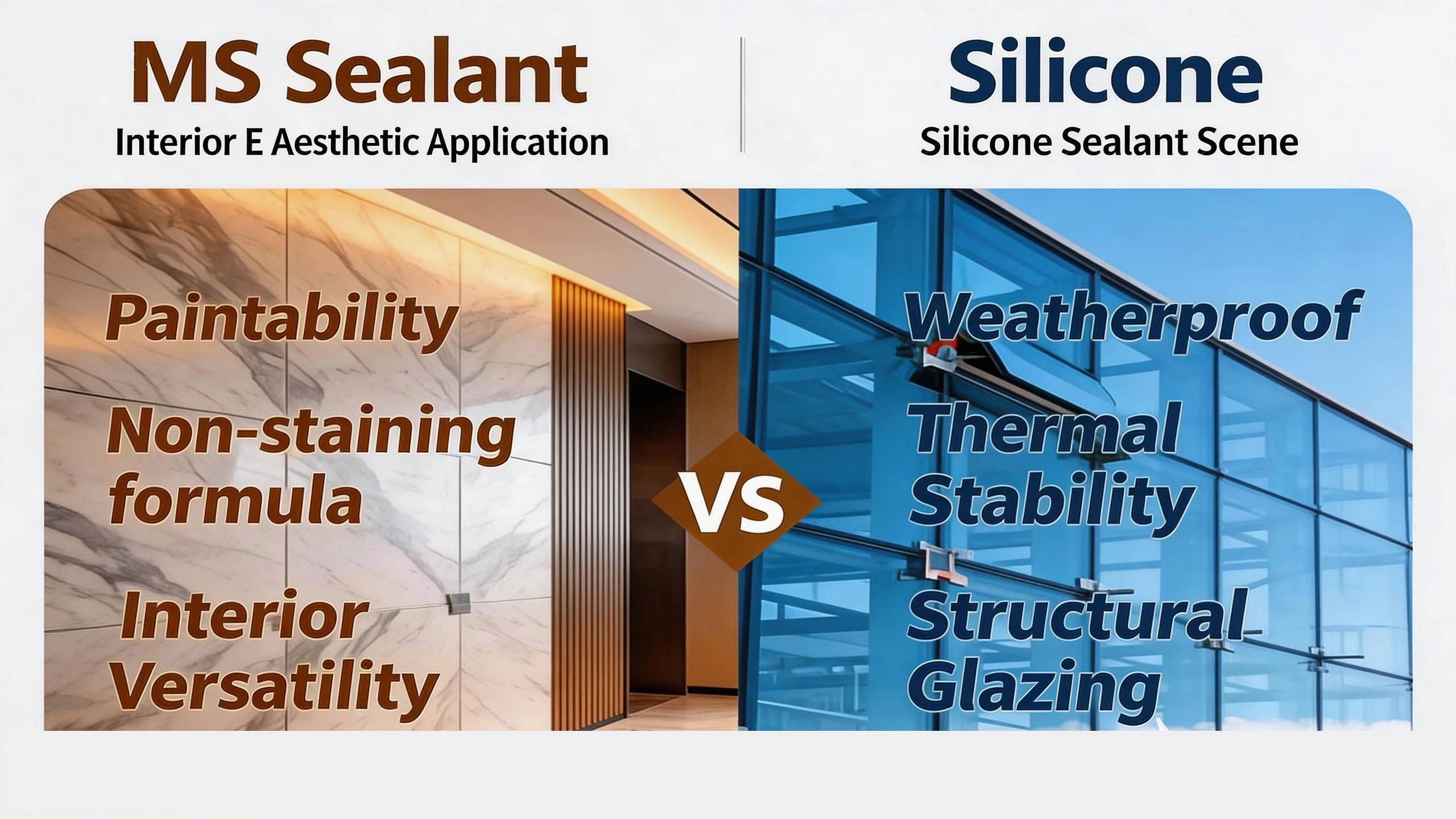
MS Sealant vs. Silicone: Which is Right for Your Construction Project?
HY-4300
Is HY-4300 corrosive to metals or coatings?
No. It is a neutral-curing formulation and is non-corrosive to metals, coated glass, concrete, and stone substrates.
HY-2100
How should the sealant be stored?
Store in a cool, dry place below 27℃. Avoid direct sunlight and keep the container sealed before use.
HY-966
How long is the shelf life?
HY-966 has a shelf life of 18 months when stored unopened under proper conditions.
HY739
Is it suitable for use on metal or stone?
It works well on many surfaces, but acetic silicone may corrode sensitive metals and alkaline materials—compatibility testing is recommended.
HY-3300
Is HY-3300 suitable for outdoor applications?
Yes. Its outstanding weatherproof and UV-resistant properties make it ideal for long-term outdoor sealing and bonding applications.
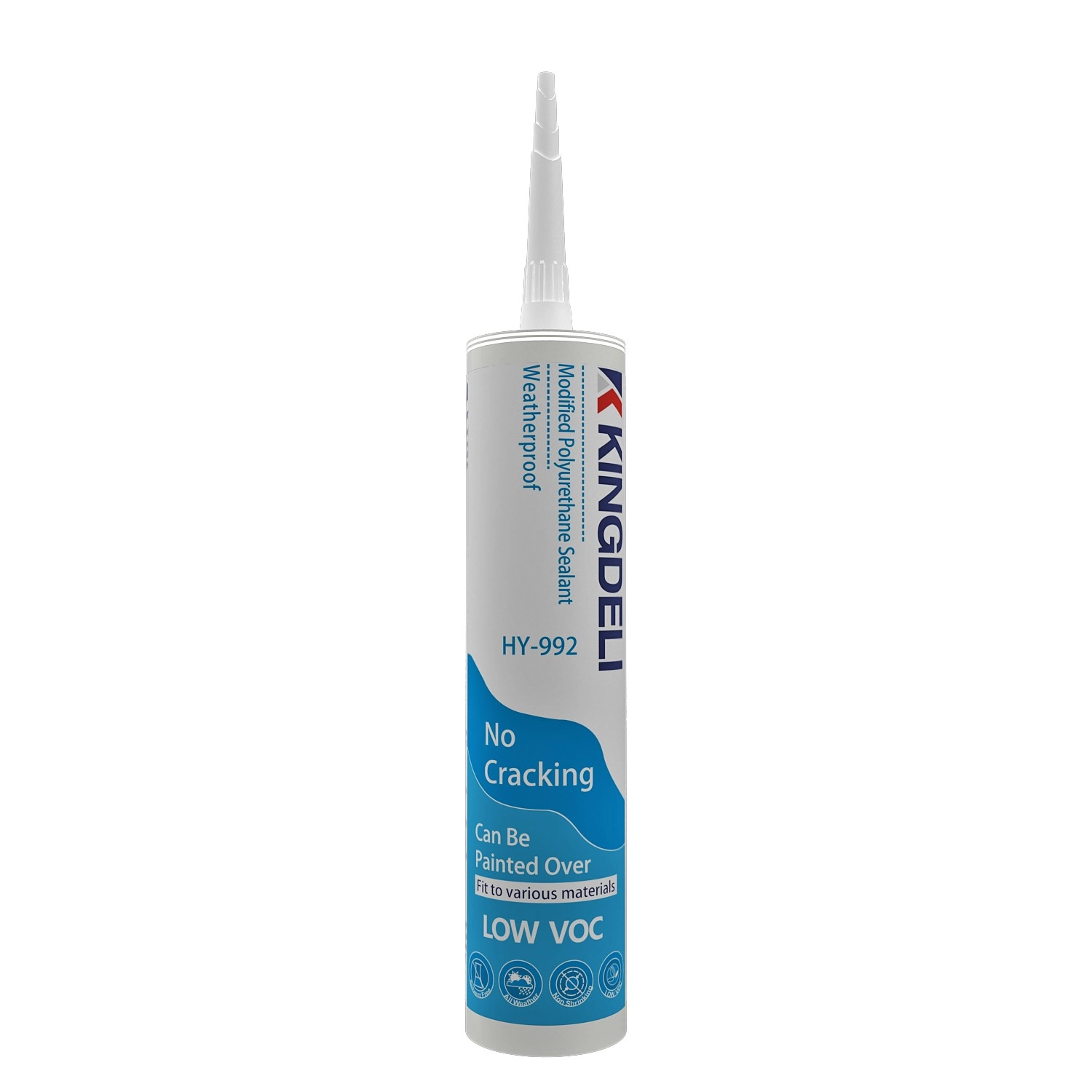
HY992 Modified Polyurethane Construction Sealant
HY992 Modified Polyurethane Sealant is a one-component, moisture-curing construction sealant designed for professional building and structural sealing applications. It provides excellent adhesion, weather resistance, and durable elasticity, making it suitable for a wide range of construction materials.
The formulation delivers strong bonding performance without corrosion or substrate contamination, while maintaining low VOC content for environmentally responsible construction projects.

HY995 Crystal Clear Ms Polymer Adhesive/Sealant
HY995 Crystal Clear Ms Polymer Adhesive/Sealant is a new generation MS Polymer adhesive / sealant formulated for all bonding and sealing applications where long term reliability is required. It has excellent bonding strength on various materials. It will cure to form a durable, flexible, waterproof seal.

HY997 High-Performance Anti-Microbial MS Polymer Sealant
HY997 MS polymer sealant for is is a premium one-component, neutral-curing modified silane sealant engineered for demanding interior applications. It offers a Class 20 movement capability, ensuring long-lasting flexibility and reliable performance under dynamic joint conditions. Curing at room temperature, HY997 delivers superior anti-microbial and mildew-resistant properties, maintaining hygienic and clean environments over time.
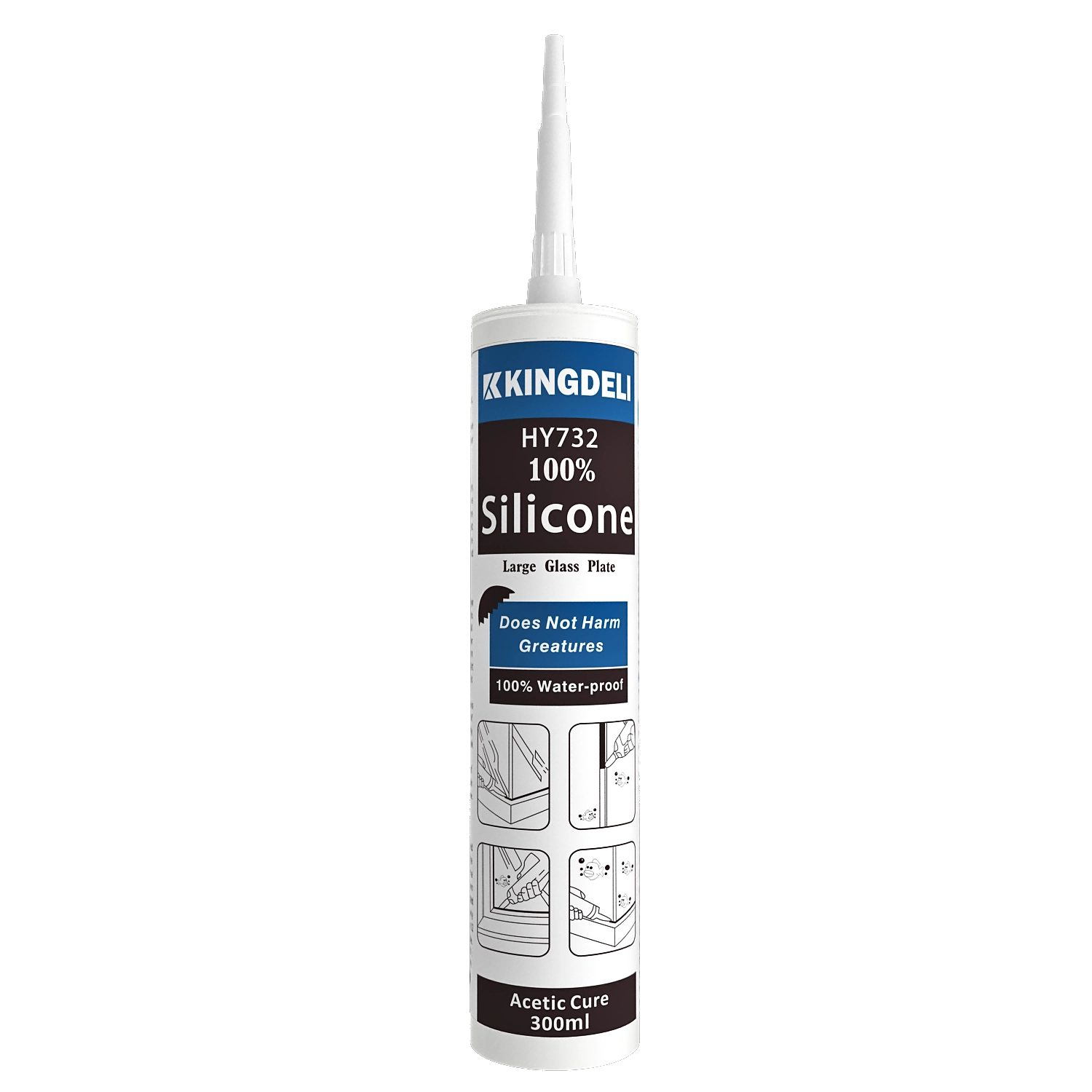
KINGDELI HY732 Professional Acetoxy Cure Silicone Sealant
KINGDELI HY732 is a professional-grade, one-component acetoxy cure silicone sealant designed for fast curing, strong adhesion, and long-lasting flexibility. Ideal for aquariums, glass applications, aluminum doors and windows, kitchens, and bathrooms, it provides reliable sealing performance with excellent anti-fungal protection in high-humidity environments.
Let’s Build Stronger Bonds with Quality Adhesives and Sealants
Have questions about the topic or need tailored sealant solutions for your project?
Our team is ready to provide expert guidance, product recommendations, and application support.
Innovating with Integrity, Bonding the World
Since 1998, KINGDELI has delivered trusted, sustainable sealant solutions that connect industries and inspire progress worldwide.
Whatsapp: +8618825946249
Kingdeli
Kingdeli
Kingdeli
Kingdeli
Kingdeli